
Kilimanjaro Routes

Kilimanjaro Routes

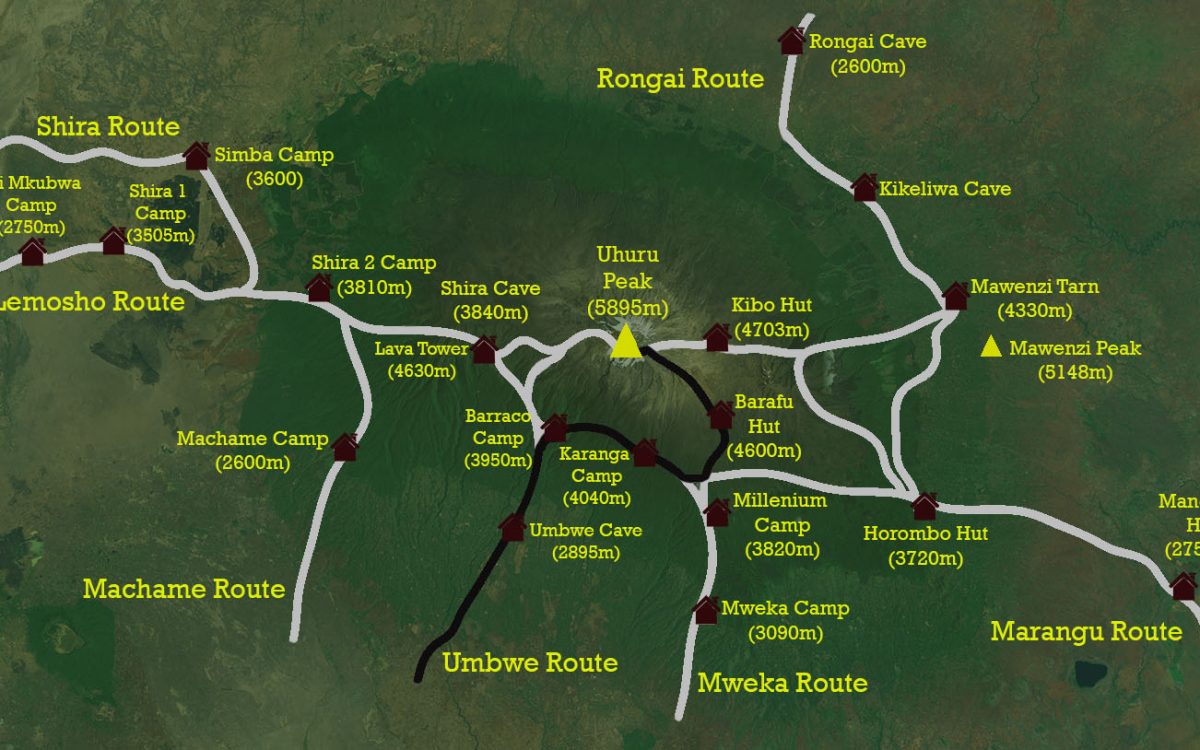
There are seven established routes to climb Mount Kilimanjaro – Marangu, Machame, Lemosho, Shira, Rongai, Northern Circuit and Umbwe. The Marangu, Machame, and Umbwe routes all approach from the south of the mountain (Mweka is used only for descent). The Lemosho, Shira and Northern Circuit routes approach from the west. The Rongai route approaches from the north. The illustrations below depict a

three-dimensional view of Kilimanjaro’s climbing routes and a close up of the approaches to the summit.

Selecting a route is a tough choice for most. To find the best Kilimanjaro route for you, considerations should be taken for the route’s scenery, difficulty, foot traffic and its altitude acclimatization characteristics, as depicted in the table below. We have assigned overall ratings to each route.

Kilimanjaro RouteMin. DaysRec. DaysDifficultySceneryTrafficRating
Northern Circuit99highexcellentvery low****
Lemosho Route68highexcellentmedium****
Rongai Route67mediumvery goodlow****
Machame Route67highexcellenthigh***
Shira Route67highexcellentmedium**
Marangu Route56mediumgoodhigh**
Umbwe Route57very highvery goodvery low**

We recommend Lemosho route, Northern circuit route,Machame route and Rongai route. We favor the best Kilimanjaro routes – those with the most favorable combination of high success rates, excellent scenery, and low foot traffic.

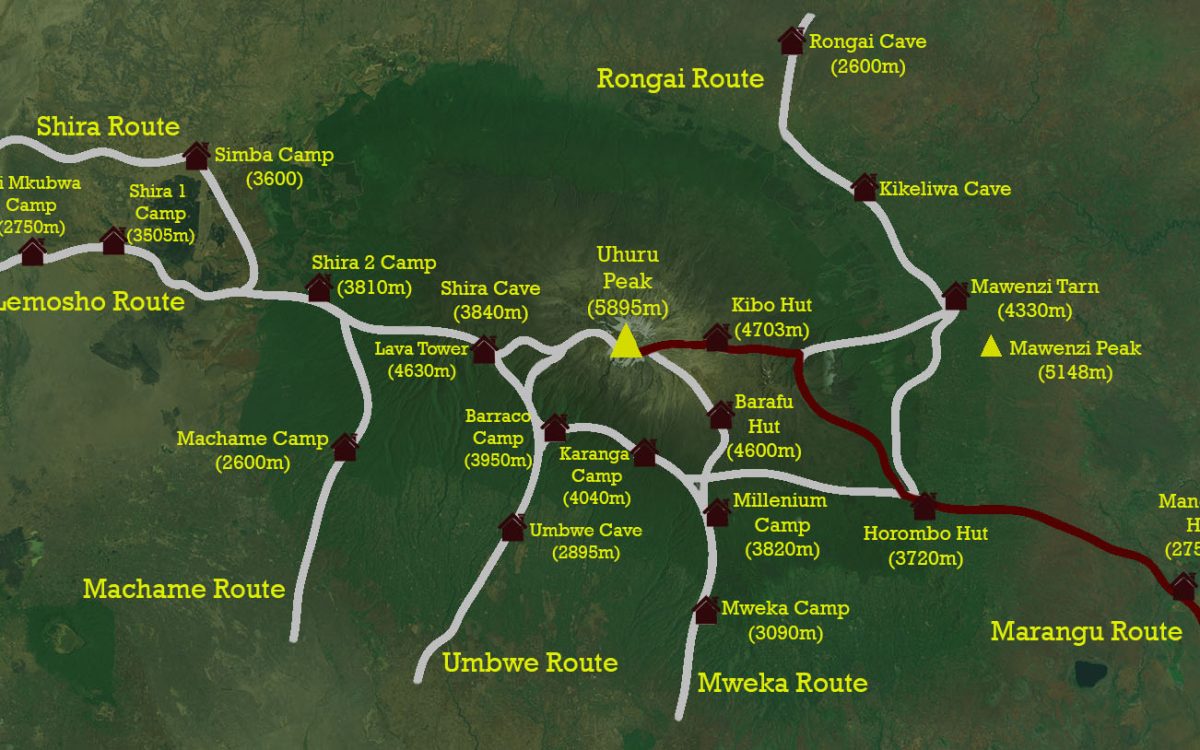
Marangu (“Coca Cola”) Route **

Known as the “Coca-Cola” route, the Marangu route is a classic trek on Mount Kilimanjaro. It is the oldest, most well established route. Many favor the Marangu route because it is considered to be the easiest path on the mountain, given its gradual slope. It is also the only route which offers sleeping huts in dormitory style accommodations.

The minimum days required for this route is five, although the probability of successfully reaching the top in that time period is quite low. Spending an extra acclimatization day on the mountain is highly recommended when climbing Kilimanjaro using the Marangu route.

However, despite its immense popularity, we avoid leading climbs on the Marangu route. The route has the least scenic variety of all the routes because the ascent and descent are done on the same path and it is the most crowded route for that reason. Marangu is favored only during the rainy season, where the hut accommodations are preferred over wet ground, or for those who only have five days to climb Kilimanjaro (which we do not recommend anyhow).
marangu
machame

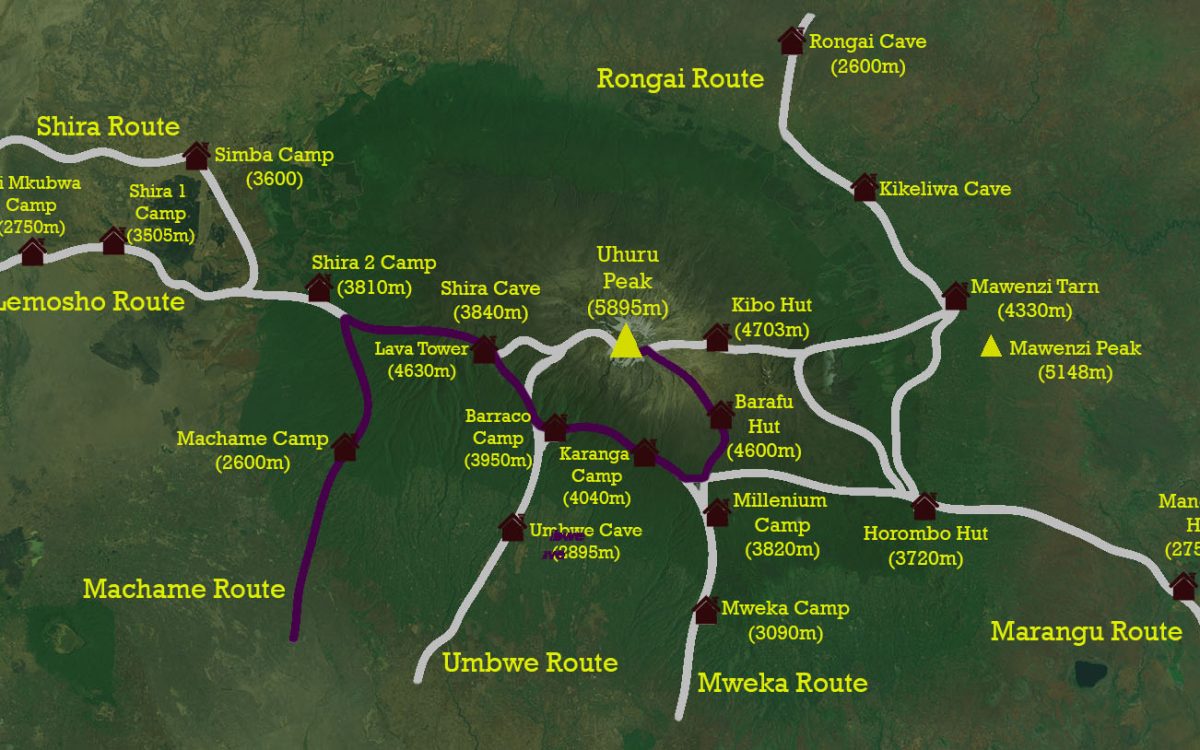
Machame (“Whiskey”) Route ***

Known as the “Whiskey” route, the Machame route is now the most popular route on the mountain. Compared with Marangu, the days on Machame are longer and the walks are steeper. The Machame route is considered a difficult route, and is better suited for more adventurous folks and those with some hiking or backpacking experience.

The route begins from the south, then heads east, traversing underneath Kilimanjaro’s southern ice field before summiting. The minimum number of days required for this route is six days, although seven days is recommended.

The Machame route is scenically beautiful and varied. However, due to the heavy crowds, it loses some of its splendor.

Lemosho Route **** (RECOMMENDED)

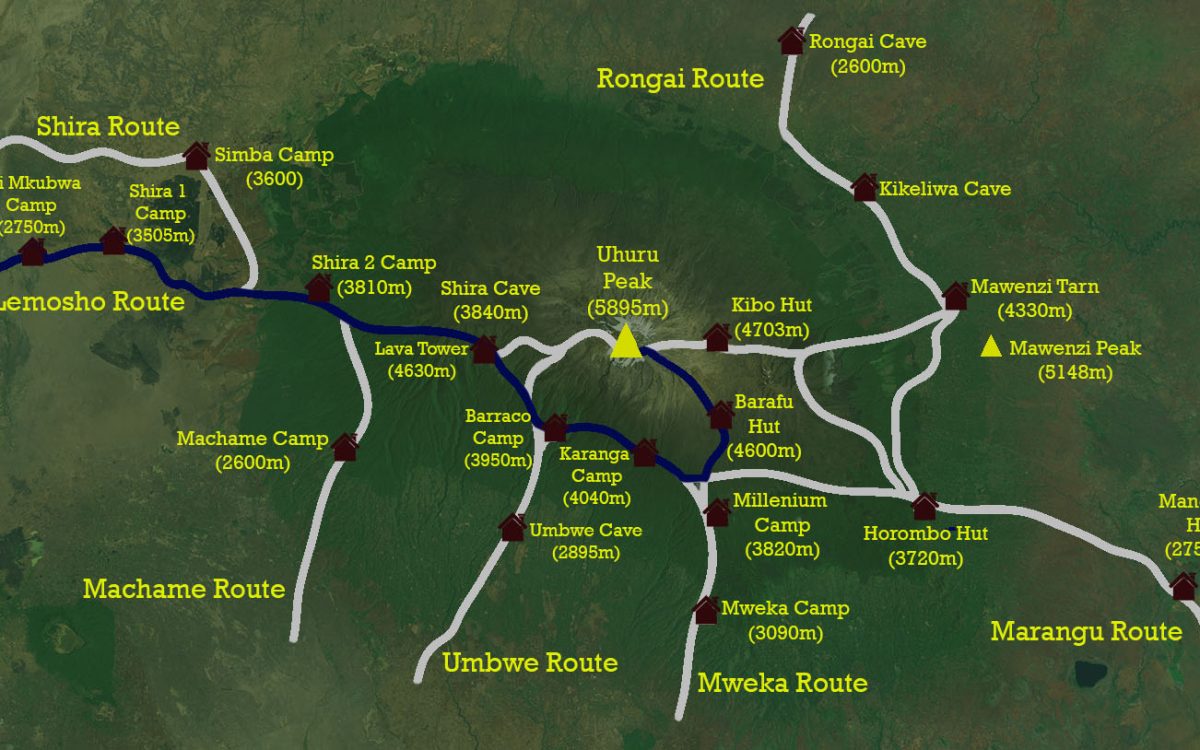
The Lemosho route is one of the newer routes on Mount Kilimanjaro. The route begins in the west and rather than simply intersecting Shira Plateau (like Machame), Lemosho crosses it from Shira Ridge to Shira Camp.

Climbers encounter low traffic until the route joins the Machame route. Afterwards, Lemosho follows the same route through Lava Tower, Barranco and Barafu, known as the southern circuit.

The minimum number of days required for this route is six days, although eight days is ideal.

Lemosho is considered the most beautiful route on Kilimanjaro and grants panoramic vistas on various sides of the mountain. It is our favorite route because it offers a great balance of low traffic, scenic views and a high summit success rate. Thus, Lemosho comes highly recommended. Most of our clients use Lemosho.
lemosho
shira

Shira Route **

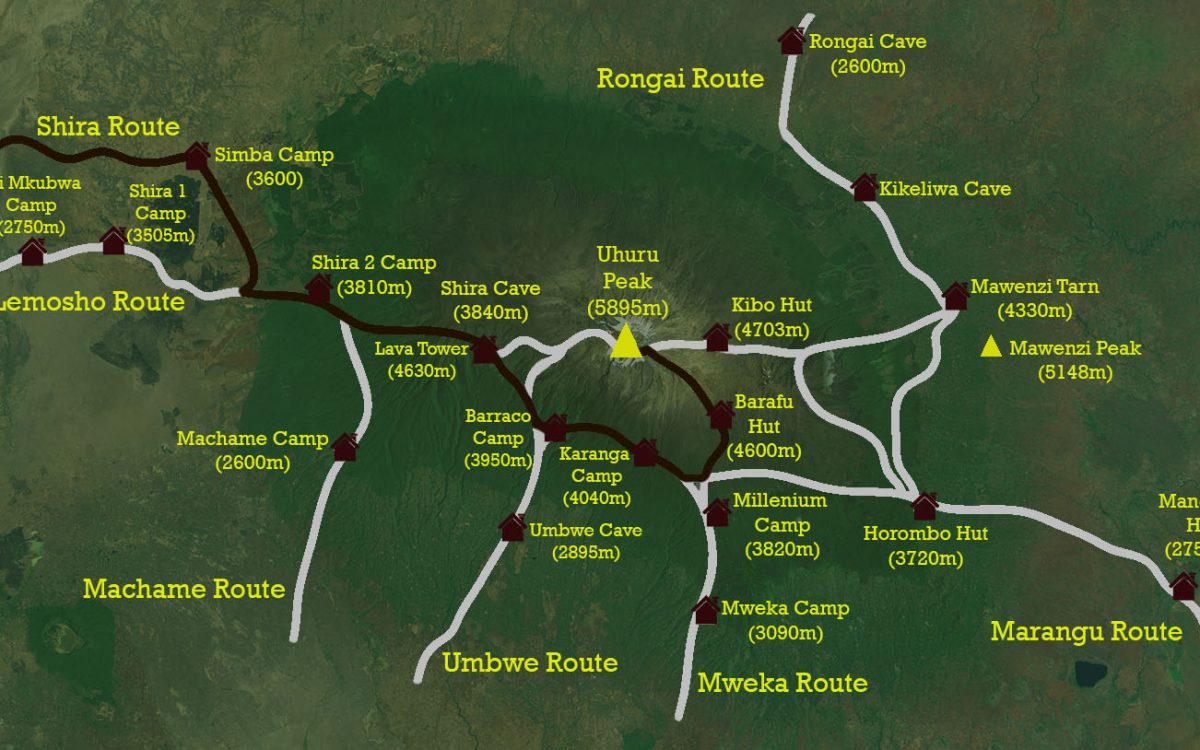
The Shira route is another path that approaches Kilimanjaro from the west, and it is nearly identical to the Lemosho route. In fact, Shira was the original route and Lemosho is the improved variation. While Lemosho starts at Londorossi Gate and treks through the rain forest to Shira 1 Camp, the Shira route bypasses this walk by using a vehicle to transport climbers to Shira Gate, located near the Shira Ridge.

On the first day on the mountain, climbers begin their hike from 11,800 feet (3,600 m) and spend their first night at the same elevation at Simba Camp. Then, the route merges with Lemosho and follows the southern circuit route.

Although Shira is a varied and beautiful route, Lemosho is recommended over Shira due to the relatively high altitude of Shira’s starting point, which is accessed quickly by vehicle. It is possible that climbers will experience some altitude related symptoms on the first day while camping at 11,800 feet.

Northern Circuit Route **** (RECOMMENDED)

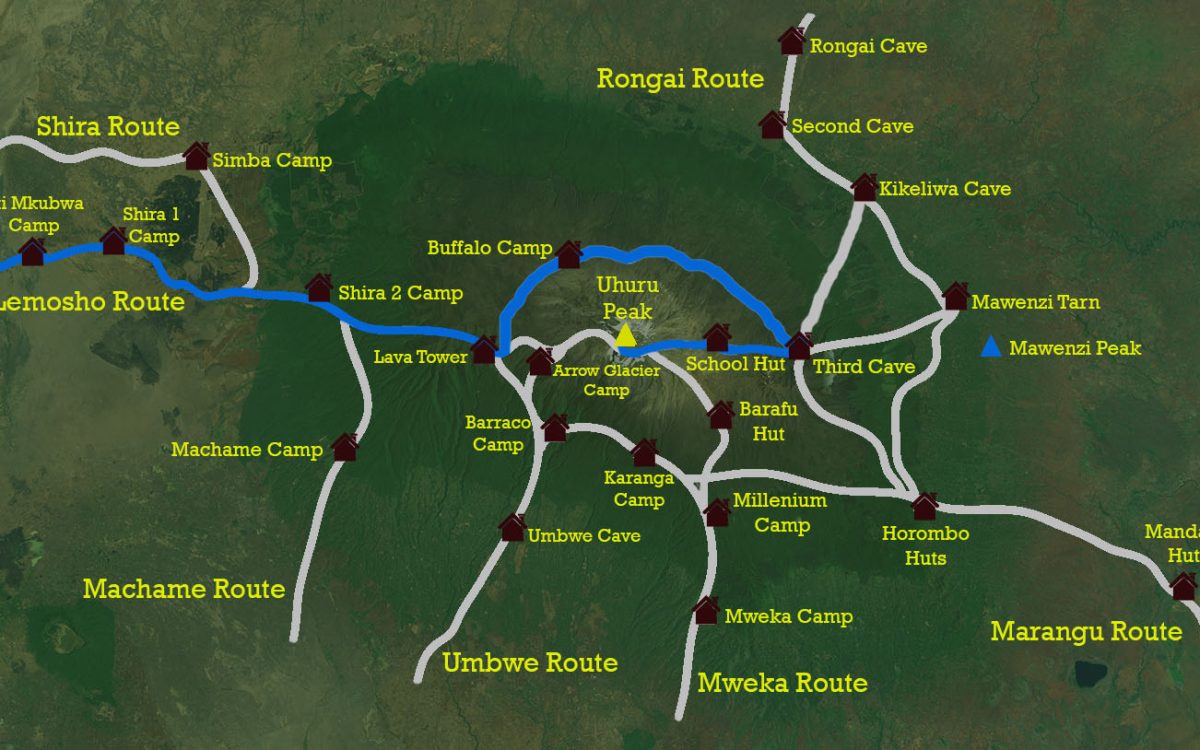
The Northern Circuit route is the newest, most exciting route on Kilimanjaro. The trek follows the Lemosho trail in the beginning, approaching Kilimanjaro from the west. However, instead of following the southern traverse like all the other west approaching routes, the Northern Circuit traverses the mountain around the quiet, rarely visited northern slopes.

The Northern Circuit route is a nine day climb, which is the longest route in terms of time and distance travelled. The days spent at around 13,000 feet are great for acclimatization, resulting in the highest success rates for all routes on Mount Kilimanjaro.

With a high success rate, incredible varied scenery and a very low number of visitors, the Northern Circuit route is certainly one of the best routes on Kilimanjaro.
Northern circuit
rongai

Rongai Route *** (GOOD)

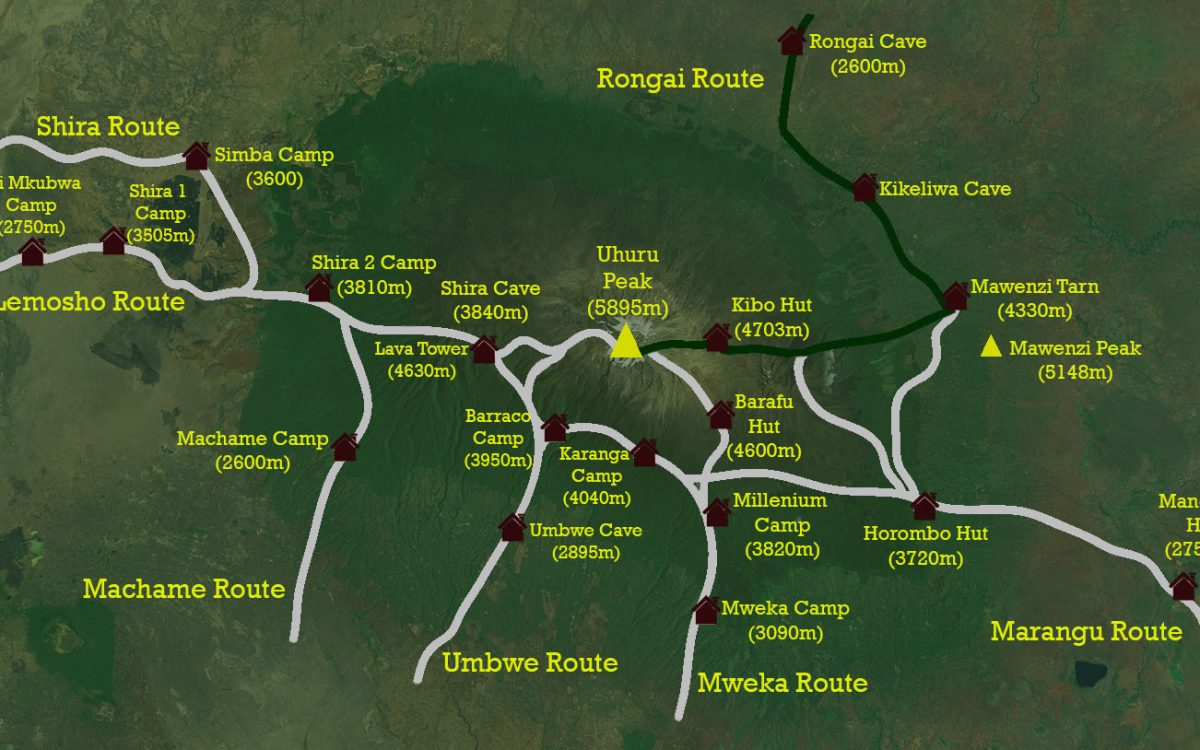
The Rongai route is the only route that approaches Kilimanjaro from the north, close to the Kenyan border. Though gaining popularity amongst climbers, Rongai has low traffic. It is the preferred route for those looking for an alternative to the crowded Marangu route, for those who would like a more remote hike, and for those who are climbing during the rainy season (the north side receives less precipitation).

The minimum number of days required for this route is six days, and seven days are recommended.

Although the scenery is not as varied as the western routes, Rongai makes up for this by passing through true wilderness areas for days before joining the Marangu route at Kibo camp. This route descends down the Marangu route. Rongai is a moderately difficult route, and is highly recommended, especially for those with less backpacking experience.

Umbwe Route **

The Umbwe route is a short, steep and direct route. It is considered to be very difficult and is the most challenging way up Mount Kilimanjaro. Due to the quick ascent, Umbwe does not provide the necessary stages for altitude acclimatization. Although the traffic on this route is very low, the chances of success are also low.

The route is offered at a minimum of six days, though seven days is recommended when attempting this route.

The Umbwe route should only be attempted by those who are very strong hikers and are confident in their ability to acclimatize. However, overall, the Umbwe route is not recommended and we discourage its usage for our clients.
umbwe
kili kibo top

Crater Camp

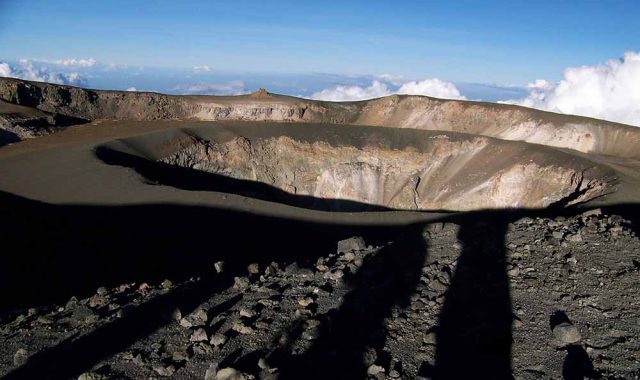
Just shy of the summit, there is a little used campsite known as Crater Camp (18,800 feet/5,750 m). It is called Crater Camp because it is a short distance from the source of Kilimanjaro herself, Reusch Crater (19,140 ft/5,800 m). Additionally, the campsite is next to one of Kilimanjaro’s last remaining glaciers, Furtwangler Glacier. Staying at Crater Camp gives climbers an opportunity to climb to the crater rim, and to get up close to the glaciers.

Crater Camp can be used the night before or preferably after a summit attempt. We operate private climbs using Crater Camp on the 9 day Lemosho route and 10 day Northern Circuit route.
meru 2 (2)

Mount Meru

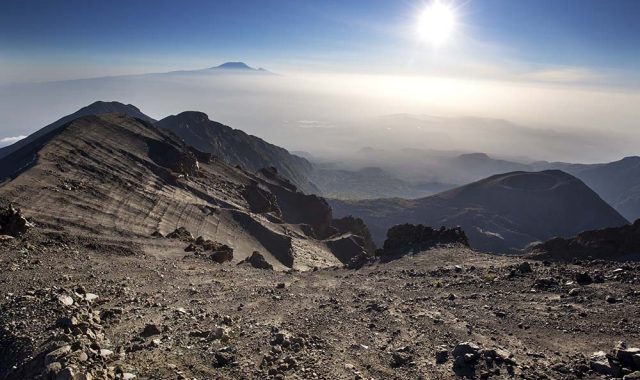
Fifty miles (80 km) west of Mount Kilimanjaro lies an often overlooked, but spectacular volcano. Mount Meru is 14,980 feet (4,565 m) high, and serves as a great warm up before climbing Mount Kilimanjaro (19,341 ft/5,895 m). In fact, it is ideal for altitude acclimatization and you may elect to climb Mount Kilimanjaro with a lower number of days after climbing Meru.

On the mountain, there is a good chance of seeing wildlife, and the crowds that can be seen on Kilimanjaro are non-existent here. Many people who climb the mountains have a quiet preference for the humble Mount Meru.

Kilimanjaro Prices and costs

Kilimanjaro Prices and costs

[vc_row][vc_column][vc_column_text]Many people look for a cheap Kilimanjaro climb. But if you have done some research, then you have already found that this is not possible. And you probably have also discovered that there are a wide range of prices charged for climbing Mount Kilimanjaro by different outfitters. The choices may be overwhelming. The bad news is that there are not many reputable operators, and who you choose to climb with is crucial to your success and overall experience.

First and foremost, do not make your decision based on price alone. Price should be only one component of your overall decision. High altitude trekking is not the place to shop for a cheap “deal”, nor is it the place to overpay needlessly. What you are looking for is high quality service at a reasonable price.

PRICES

[/vc_column_text][vc_column_text el_class=”hidew”]

Please turn your phone to landscape to see the table of prices. Thank you.

[/vc_column_text][vc_column_text]

All prices are per person

RoutesDetailsGroup size 
1 Climber2 – 4 Climbers5 + Climbers 
5 Days Marangu Route5 days / 4 nights hike + 2 nights hotel accommodation$ 1 799 p/p$ 1 699 p/p$ 1 599 p/p
6 Days Marangu Route6 days / 5 nights hike + 2 nights hotel accommodation$ 1 899 p/p$ 1 799 p/p$ 1 699< p/p
6 Days Machame Route6 days / 5 nights hike + 2 nights hotel accommodation$ 2 399 p/p$ 2 200 p/p$ 1 999 p/p
7 Days Machame Route7 days / 6 nights hike + 2 nights hotel accommodation$ 2 450 p/p$ 2 300 p/p$ 2 110 p/p
6 Days Lemosho/Rongai/Shira/Umbwe Routes6 days / 5 nights hike + 2 nights hotel accommodation$ 2 600 p/p$ 2 410 p/p$ 2 295 p/p
7 Days Lemosho/Rongai/Shira/ Umbwe Routes7 days / 6 nights hike + 2 nights hotel accommodation$ 2 699 p/p$ 2 500 p/p$ 2 360 p/p
8 Days Lemosho/Rongai/Shira/ Umbwe Routes8 days / 7 nights hike + 2 nights hotel accommodation$ 2 820 p/p$ 2 599 p/p$ 2 420 p/p
9 Days Northern Circuit9 days / 8 nights + 2 nights hotel accommodation$ 3 350 p/p$ 3 200 p/p$ 3 080 p/p

Notes:

  • On the Marangu Route, all persons will share the A frame hut accommodation that provides 8 bunk beds
  • Additional days on the mountain could be added to an extra cost of US$ 255 per day ie. Crater camp
  • Rates detailed above are per person sharing – except for the 1 person’s rate
 

[/vc_column_text][vc_column_text]

Price includes the following:

  1. Airport Transfers
  2. Hotel accommodation in Arusha or Moshi – 2 Nights half board, 3 star accommodation
  3. Hotel accommodation includes storage facilities for excess luggage during hikes
  4. Return transfers between the hotel to the start / finish point of a climb
  5. All Kilimanjaro National Park gate fees, camping / hut fees and climbing permits
  6. Kilimanjaro National Park rescue fees (Kilimanjaro Rescue Team)
  7. Pulse Oximeter, used to take blood-oxygen level readings of clients twice a day
  8. Emergency oxygen (for use in emergencies only – not as summiting aid)
  9. More complete First Aid kit (compared to Standard Package – for use in emergencies only)
  10. Qualified mountain guide, assistant guides, porters and cook
  11. Guides, cooks and porters wages
  12. Breakfast, lunch and dinner, as well as hot drinks on the mountain
  13. Food of superior quality and of a bigger variety on the mountain
  14. Hot lunch is prepared at the lunch stop and served with table, chairs (and inside a mess tent in case of bad weather), except on day 1 of the hike where climbers are provided with a packed lunch. (Not applicable on the Marangu route as all meals is served at the camps in designated mess halls)
  15. Superior quality camping equipment (tents, sleeping mats, camp chairs, camp tables, mess tent & cutlery for meals) – not applicable on the Marangu route as all meals are served at the camps in designated dining halls
  16. Water for washing up daily
  17. Porter to carry your duffel bag, with maximum weight of 15kg / 32 lbs, from one camp to the next camp
  18. Kilimanjaro National Park certificate for your successful summit attempt
  19. 3 litres of mineral water (per hiker) for the first day on your climb
  20. Drinking water treated with Pure drops from night 1
  21. Portable toilet (Portable toilet not allowed on the Marangu route)
  22. The option to have a private climb at no additional charge, irrespective of the group size!

Excludes:

  1. Flights and airport taxes
  2. Items of a personal nature
  3. Compulsory tips for guides, porters and cook
  4. Entry visa for Tanzania (US$50 per passport holder for most nationalities / US $ 100 per visa for USA passport holders)
  5. Vaccination requirements (Yellow Fever – only compulsory if you travel to Tanzania via a Yellow Fever infected country, Meningitis & Hepatitis A remains optional, but recommended)
  6. Optional but highly recommended travel and medical
  7. Personal hiking/trekking gear – you could rent some of the gear in Tanzania
  8. Optional Gamow bag – subject to additional cost, depending availability and booking in advance
  9. Optional tracking service – subject to additional cost, depending availability and booking in advance
  10. Snacks, personal medicine and sports drink
  11. Meals and drinks not specified

Tipping Guidelines

Those who have climbed Mt Kilimanjaro before know that without the hard work and strength of the mountain crew, one would not be able to fully experience the magnificence of the mountain. At African Pathways we pay our crew more than the salary suggested by the Kilimanjaro National Park and Tanzania Tour Operator Association. However, many crew also heavily depend on tips to support their families. The following are recommended daily rates for the entire group to tip per staff member:

  • Senior guide – $20 – 30 / day
  • Assistant guide – $15 – 25 / day
  • Cook – $12 – 15 / day
  • Waiter – $10 – 12 /day
  • Porter – $8 – 10 / day
  • Summit porter – $12 – 15 / day
  • Toilet crew – $10 – 12 / day

In general for all Kilimanjaro routes except Marangu you will have: 1 Climber: 1 senior guide, 1 cook and 3 porters

  • Climbers: 1 senior guide, 1 assistant guide, 1 cook and 6 porters
  • Climbers: 1 senior guide, 1 assistant guide, 1 cook and 9 porters
  • Climbers: 1 senior guide, 1 assistant guide, 1 cook and 12 porters

These are estimates and actual numbers may vary depending on the needs of the group. It is ideal to have a tipping ceremony with the climbers and crew on the last day on the mountain. Ideally tips should be given to the individual crew members directly to ensure the full amount of the tip is received.

KPAP partner companies, like Africa Pathways, are leading the industry to improve working conditions for all porters on Mount Kilimanjaro.

Fighting for the fair treatment of porters is an uphill battle. There is strong resistance to change from certain local operators who have considerable power and influence over government and park regulations. In order to stop the abuse, tourists need to stop supporting the behavior, and boycott budget operators as a whole.

Africa Pathways Expeditions offers high quality climbs at a reasonable cost. At our price levels, we can satisfy all park fees, pay real wages to staff, supply adequate food and proper equipment, while still providing great service to our clients. We are adventurers at heart, and therefore we strive to make climbing Kilimanjaro affordable. We don’t believe that doing something extraordinary should break the bank.[/vc_column_text][/vc_column][/vc_row]

Our Kilimanjaro Treks

No results found.

Tanzania Photography Safari Guide

Tanzania Photography Safari Guide

What You Need to Know Before Booking a Tanzania Photography Safari

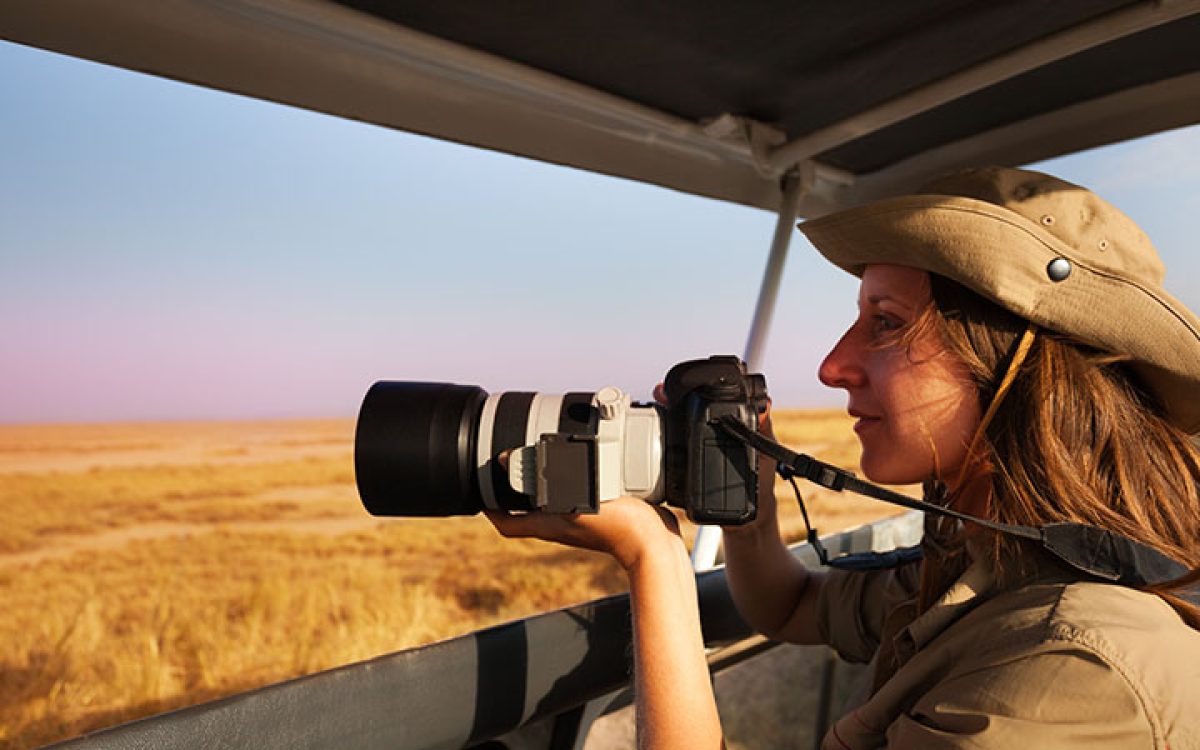
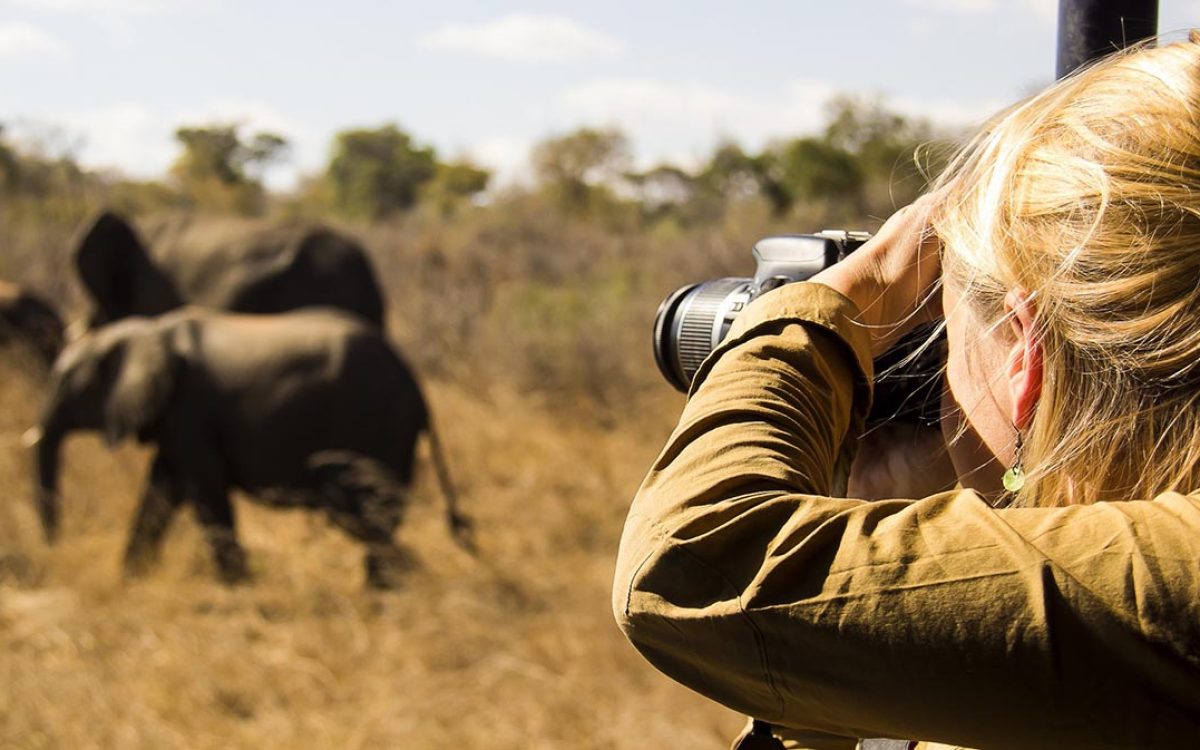
Tanzania is one of the most rewarding destinations in Africa for wildlife and landscape photography. From the endless plains of the Serengeti to the elephant-rich baobab country of Tarangire, from the dramatic rim of the Ngorongoro Crater to the remote wilderness of Ruaha, Tanzania gives photographers an extraordinary mix of wildlife, scenery, light, and atmosphere.

But a great Tanzania photography safari is not just about choosing the right parks. It is also about understanding the seasons, knowing what equipment to bring, choosing the right safari style, and giving yourself the time and conditions needed to create strong images.

If you are planning a private Tanzania photography safari, here is what you should know before you go.

Why Tanzania Is One of Africa’s Best Photography Safari Destinations

Tanzania is a world-class destination for photographers because it offers both iconic wildlife regions and lesser-visited wilderness areas in one country. In the north, photographers can explore the Serengeti, Tarangire, Lake Manyara, Ngorongoro, and Mount Kilimanjaro. In other parts of the country, remote parks such as Ruaha, Katavi, Mahale, and Gombe offer a wilder, quieter, and more exclusive experience.

What makes Tanzania so special is the variety. On a single journey, you may photograph:

  • great migration herds crossing open plains
  • elephants beneath ancient baobabs
  • predators in golden grass
  • flamingos on shallow alkaline lakes
  • dramatic crater landscapes
  • remote wilderness with very few vehicles
  • cultural moments and environmental portraits

For photographers, this diversity makes Tanzania one of the most exciting safari destinations in Africa.

photo

What Makes a Photography Safari Different from a Normal Safari

A normal safari is often built around seeing as much wildlife as possible. A photography safari is built differently. It is designed around light, timing, wildlife behavior, patience, and positioning.

That means a good photography safari usually includes:

  • more time at sightings
  • flexible schedules based on wildlife movement
  • sunrise and sunset game drives
  • guides who understand how photographers work
  • fewer people in the vehicle
  • more thought given to background, angle, and light direction

If your goal is not just to see animals, but to come home with meaningful images, this difference matters.

The Best Places in Tanzania for Photography Safaris

Serengeti National Park

The Serengeti is the heart of wildlife photography in Tanzania. It is famous for the Great Migration, predator action, open landscapes, and year-round game viewing. For many photographers, this is the main reason to visit Tanzania.

Ngorongoro Crater

Ngorongoro offers high wildlife density in a dramatic natural setting. It is one of the few places where photographers may capture several major species in a single day, often against striking crater backdrops.

Tarangire National Park

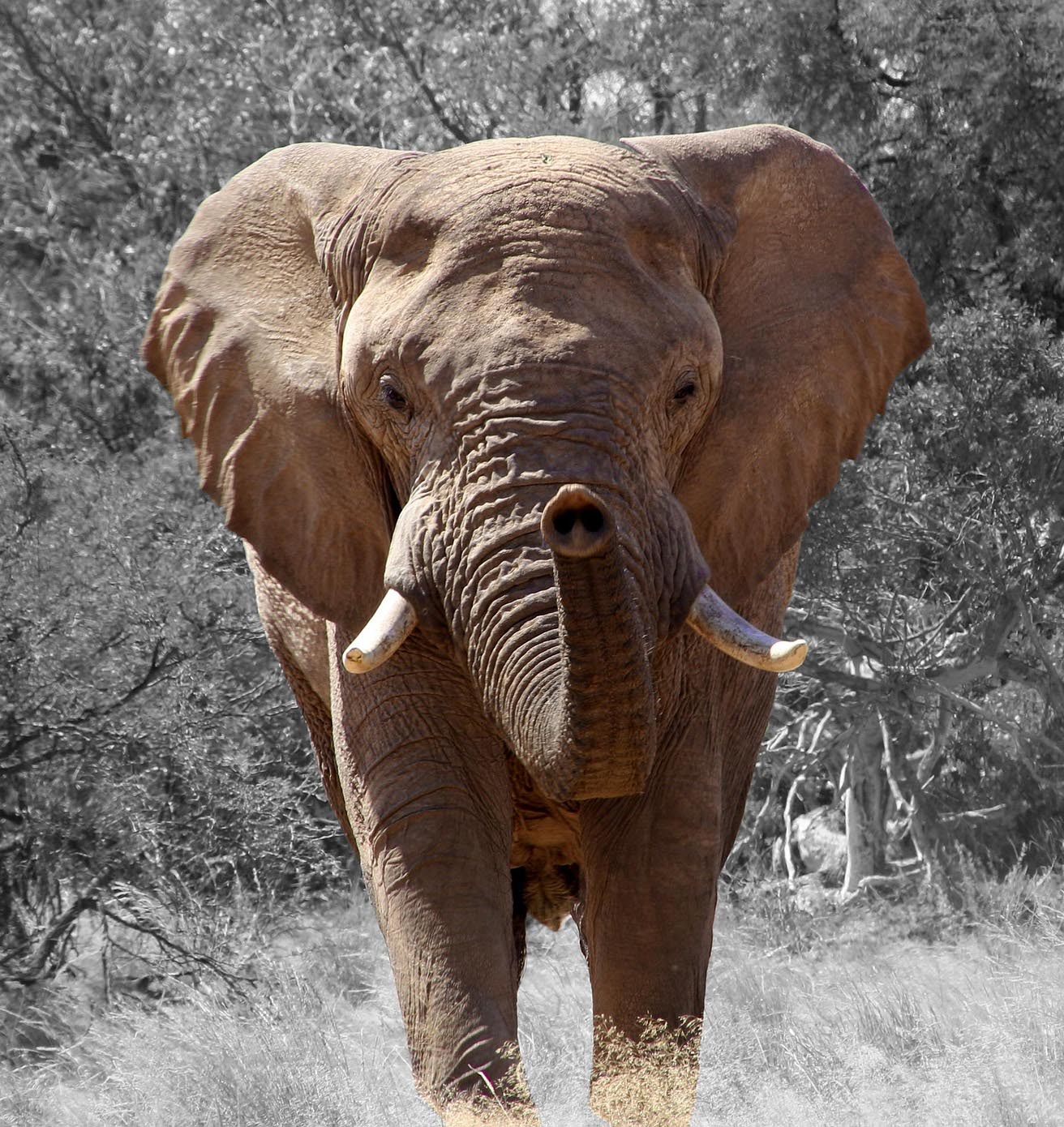
Tarangire is especially rewarding for elephant photography, baobab compositions, warm dust, and beautiful light. It often feels quieter and more intimate than some of the more famous parks.

Lake Manyara National Park

Lake Manyara is a strong choice for birdlife, forest-edge photography, reflections, and lush green scenery. It can add variety and texture to a broader northern circuit photography safari.

Ndutu Region

Ndutu is one of the best places in Tanzania for calving season photography. From December to March, the area attracts wildebeest herds, newborns, and the predators that follow them. For action and storytelling, this can be one of the most exciting times of year.

Remote Tanzania

If you want a more exclusive experience, parks such as Ruaha, Katavi, Mahale, and western Tanzania offer quieter wilderness, fewer vehicles, and cleaner compositions. These places are ideal for travelers who want something beyond the classic northern circuit.

safari photo

Best Time to Go on a Tanzania Photography Safari

The best time depends on the type of photography you want to focus on.

  • December to March: ideal for Ndutu calving season, newborn wildlife, and predator action
  • June to October: excellent for dry-season wildlife viewing and cleaner photography conditions
  • July to October: strong period for northern Serengeti migration movement and river crossing areas
  • Green season: rich colors, dramatic skies, softer landscapes, and fewer vehicles in some areas

Instead of asking only when wildlife is best, ask when the kind of photography you want is best.

What Camera Gear Should You Bring?

One of the most common mistakes on safari is bringing too much equipment. In wildlife photography, moments happen quickly. Too many choices can slow you down.

A practical safari setup often includes:

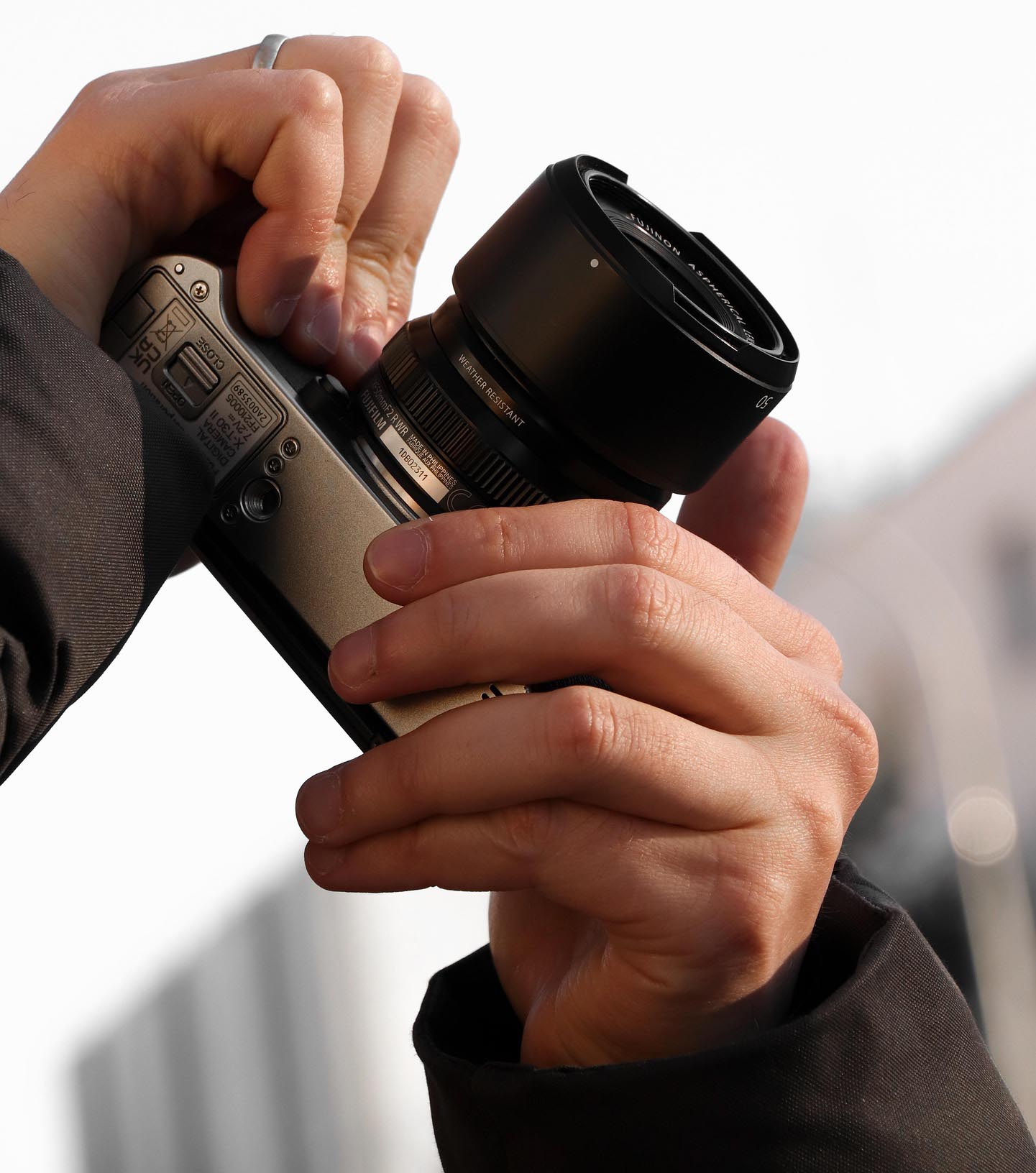
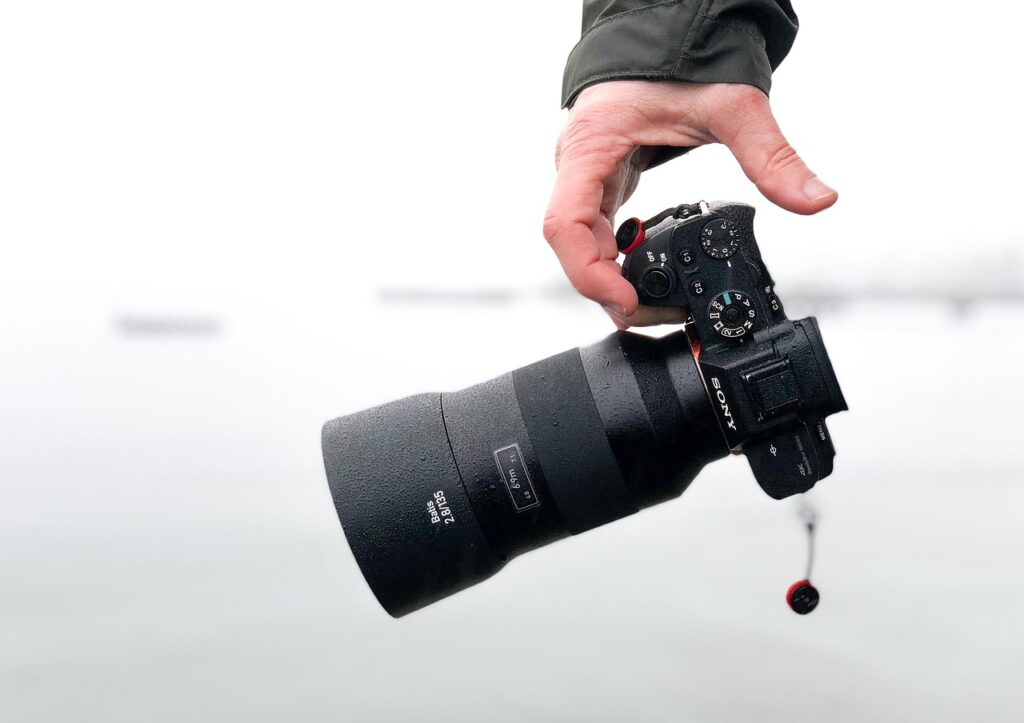
  • one main camera body with a long lens
  • a second body with a shorter zoom
  • extra batteries and memory cards
  • a beanbag or vehicle support
  • dust protection
  • charging accessories and plug adapters

You do not need to carry everything. What matters most is being ready when the moment appears.

A Simple Gear Mindset

A simpler setup helps you react faster. On safari, hesitation can mean missing a behavior shot, a head turn, or the best light. The best gear is the gear you can access quickly and use confidently.

Why Accommodation Matters More Than You Think

On a photography safari, accommodation is not only about comfort. It also affects how quickly you can reach wildlife areas, how easily you can charge your gear, and how much time you lose between drives.

The best camps and lodges for photography safaris usually offer:

  • strong location close to wildlife areas
  • enough charging support for camera equipment
  • early access to the field
  • comfortable rest between drives
  • reliable meals and service

A well-located camp often means more time photographing and less time in transit.

photography

Think Beyond Record Shots

One of the biggest changes photographers experience on safari is learning to move beyond simple record shots.

Instead of only asking:

  • Did I photograph a lion?
  • Did I see a cheetah?
  • Did I get a zebra?

Ask:

  • Did I photograph behavior?
  • Did I capture interaction?
  • Is there a story in this frame?
  • Is the light working for me?
  • Does the image feel alive?

The most memorable safari images are often the ones that show mood, movement, relationships, or tension — not just proof that the animal was there.


Wildlife Expectations: Keep an Open Mind

Tanzania’s parks are not zoos. There is never a guarantee that you will see a specific animal on a specific day. That is part of what makes the experience real.

The best way to enjoy a Tanzania photography safari is to arrive with an open mind, clear priorities, and a guide who understands seasonality, location, and behavior. A strong guide can increase your chances dramatically, but wildlife always remains wild.


Is a Tanzania Photography Safari Right for You?

A Tanzania photography safari can work well for:

  • beginner photographers
  • serious hobbyists
  • professional wildlife photographers
  • couples who want a slower, more focused safari
  • content creators and storytellers
  • non-photographers who simply love wildlife and nature

You do not need to be an expert to enjoy it. You just need curiosity, patience, and a desire to experience Tanzania in a deeper way.


Final Advice Before You Book

Enjoy the experience. Let the safari come to you. Stay ready, but do not rush. Some of the strongest safari photographs happen when you slow down, observe carefully, and trust the rhythm of the wild.

Tanzania rewards patience. The light changes, the landscape opens, and suddenly the image you hoped for is right in front of you.

If you want a photography safari that gives you more than a standard game drive, choose an experience built around time, light, behavior, and flexibility.

7 Days Tanzania Honeymoon Safari

7 Days Tanzania Honeymoon Safari

With abundant wildlife. Scenic landscapes, and spectacular unspoiled moments. Tanzania is, without a doubt, the place to be for your beautiful honeymoon getaway. Our honeymoon safari combines excitement, adventure, and relaxation in the most remarkable bush settings. Specifically, this includes Ngorongoro Crater and Serengeti National Park.

Additionally, we understand honeymoon couples want their experience to be as unique as possible. Therefore, along with carefully working out the perfect itinerary with you, we are here to listen, advise, and guide you. Consequently, we ensure you get the best honeymoon experience possible.

Overview:

  • Stay at luxurious lodges and safari camps
  • See the Big 5 in the famed Ngorongoro Crater
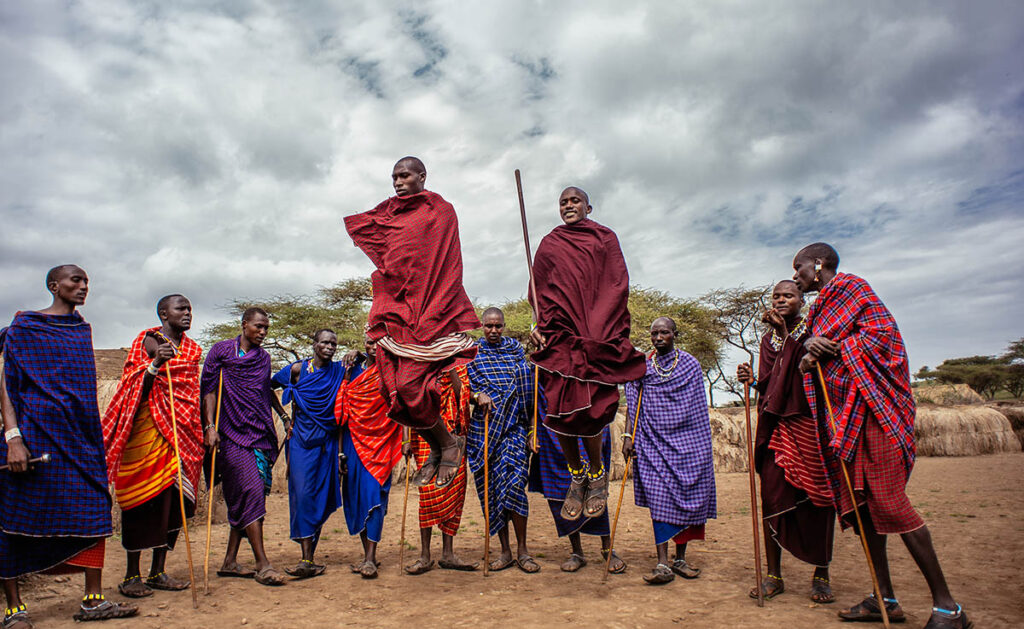
  • Cultural interactions with the Maasai people
  • Incredible game viewing in the Serengeti
  • Great Honeymoon Treatment opportunities
  • Sky safaris being charter flown between destinations
  • 7 Days Tanzania Honeymoon Safari

Day by day highlights:

  • Day 1: A Tranquil Beginning | 1 Night
  • Days 2-4: Flyi In The Serengeti | 3 Nights
  • Day 5: Journey To The Ngorongoro Conservation Area | 1 Night
  • Day 6: Ngorongoro Crater | Ideal Early Access
  • Day 7: Till We Meet Again, Tanzania!

Tour Features:

Game Drives

Safaris include daily game drives in a high quality Land Cruiser, suitable for up to 7 people.

Honeymoon Safari

In summary, we offer Honeymoon gifts · Special room welcome, e.g. a bottle of something bubbly, a fruit platter, or flowers · Private breakfasts, lantern-lit dinners, and a luxurious retreat at Africa's Best Safari Lodge.

Meals & Drinks Included

All meals as listed, local alcoholic and non-alcoholic drinks are included.

Recommended dates

If availability permits, this tour can start on any day.

Arusha Town 3

Day 1: A Tranquil Beginning | 1 Night

Upon arrival at Kilimanjaro International Airport (JRO), you will be met by our representative or safari guide, who will transfer you to your Accommodation in Arusha. Arusha Coffee Lodge. Located in a verdant coffee plantation, Arusha Coffee Lodge is a sanctuary of aromatic tranquillity and a welcome retreat after a long international flight or the dust and excitement of a thrilling bush safari.

Reminiscent of traditional plantation houses, 30 wooden chalets with spacious, airy, modern interiors are nestled amongst the surrounding gardens and coffee trees.

Turning off the road, a tree-lined driveway guides you to the warm and inviting main area with its quiet, understated aura of luxury. Vibrant gardens, a spa, a collection of boutiques, and a swimming pool await, and a restaurant, Bacchus, and café lounge, 3° South, boast menus to satisfy the most discerning palates.

As a team of local Tanzanians, we know the country like the back of our hand, so you’re in for a treat from when you land until you leave. Welcome on board!

Show More

Accommodation options

serengeti

Days 2-4: Flyi In The Serengeti | 3 Nights

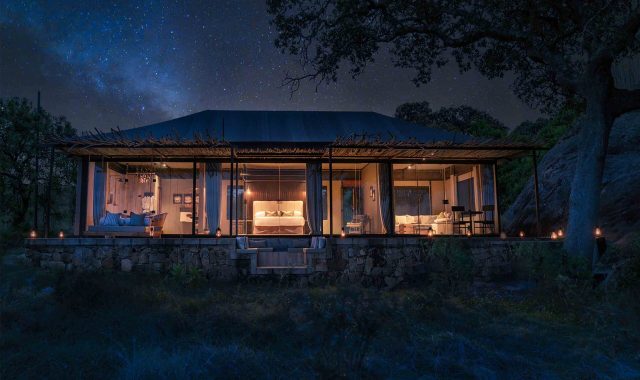
After breakfast, you will catch a one-hour charter flight to the famed Serengeti. Upon arrival, you will be whisked to your next accommodation, Lemala Nanyukie Lodge. Features include an oversized bed, spacious lounge, generous bathroom with double vanity, indoor and outdoor showers, and free-standing bathtub. The delightful wooden deck has sunken seating, an outdoor shower, and a stunning corner plunge pool with views directly across the Serengeti’s magnificent grasslands. Your Luxury Safari Lodge, equipped with showers and flush toilets, provides a comfortable connection to the untamed wilderness, offering an authentic African escape.Over the next few days, you will explore some of Africa’s most exceptional game-viewing opportunities. Vast grasslands, endless savannahs, riverine forests, and woodlands set the stage for unforgettable encounters with iconic wildlife, including the elusive leopard, majestic lion, and swift cheetah – the coveted big cats of Africa. As the sun sets, you will return to camp, where you can relish a delicious dinner and share the day’s adventures in true African fashion, gathered around a crackling fire.

Show More

Accommodation options

Ngorongoro 2a

Day 5: Journey To The Ngorongoro Conservation Area | 1 Night

Final Game Drive in Serengeti – Ngorongoro Crater Rim.

Today, we set off on a final game drive in Serengeti with a packed hot lunch, providing more opportunities to capture heart-stopping photos. Later, you will set off to Ngorongoro.

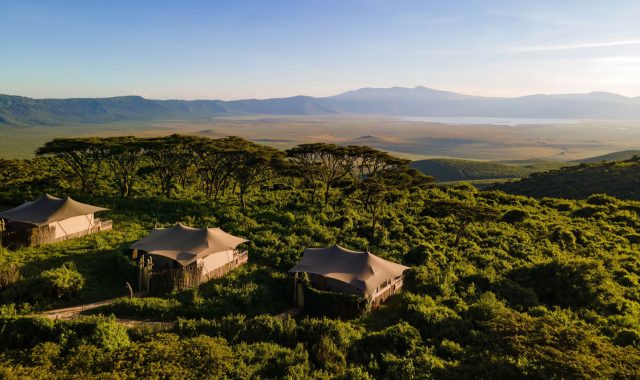
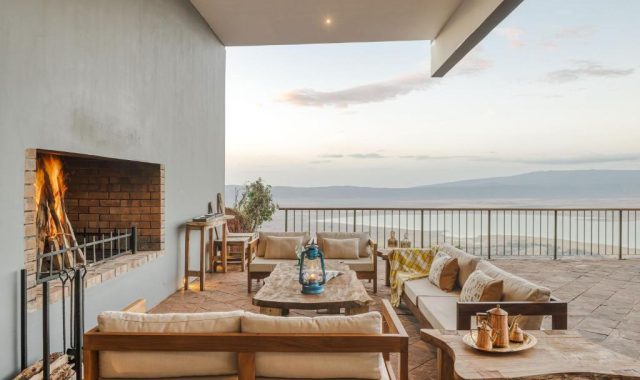
During your stay at the Wilderness Collection Ngorongoro, an array of unforgettable experiences awaits. Set out on a guided tour to the magnificent Ngorongoro Crater, a UNESCO World Heritage Site, and marvel at its vast, wildlife-rich plains. Embark on a thrilling game drive and witness the spectacle of lions, elephants, and rhinos in their natural habitat. For a more immersive cultural experience, visit a local Maasai village and gain insights into their fascinating traditions and way of life.

  • Driving Distance: 145 / km (2 hrs)
Show More

Accommodation options

Ngorongoro_rhino

Day 6: Ngorongoro Crater | Ideal Early Access

Ngorongoro Crater, Tanzania

This morning, descend into the crater, arriving ahead of most visitors—thanks to your accommodations’ ideal location on the crater’s rim—to view the resident wildlife at its most active.

Later, visits to local villages and interactions with indigenous communities. Learn about their traditions, cuisine, and daily lives.

After that, you’ll be transferred to Arusha for your next Accommodation.

  • Driving Distance: 154 / km ( 3 hrs )
Show More

Accommodation options

flight

Day 7: Till We Meet Again, Tanzania!

After your final breakfast or Lunch overlooking Mount Meru, you will be driven to the Kilimanjaro International Airport to continue your adventures or start heading back home.

End of 7 Days Tanzania Honeymoon Safari

The package includes:

  • 24/7 Service
  • All Activities
  • Internet Access
  • 4×4 Safari Jeep
  • Park Fee and Taxes
  • Hand-Selected Luxury Accommodations
  • Complete Breakfast Daily; Select Lunches and Dinners
  • English-Speaking Resident Local Guides
  • Airport Meet and Greet with Private Transfers
  • Guaranteed Departures for Honeymooners
  • 7 Days Tanzania Honeymoon Safari

The package excludes:

  • International flights
  • Personal items (Souvenirs, travel insurance, visa fees, etc.)

Other Safari Tours

No results found.

Great Migration photography guide

Great Migration photography guide

A Month-by-Month Guide to Photographing the Great Migration

The Great Migration is one of the most extraordinary wildlife spectacles on Earth, but for photographers, it is much more than a single event. It is a moving story that changes throughout the year — from newborn calves on the southern plains to vast columns of wildebeest stretching across the Serengeti, to the drama of river crossings in the north. Because the herds move with rainfall and grazing, there is no single month that is best for every kind of image. The strongest Great Migration photography safari is the one built around the exact scenes you want to capture.

For some photographers, the goal is predator action during the calving season. For others, it is the scale and movement of the herds, or the tension and chaos of a river crossing. Tanzania gives you the chance to photograph all of these, but not in the same place at the same time. That is why planning matters so much.

Why the Great Migration Is So Special for Photographers

What makes the Great Migration so remarkable is its variety. It is not only about numbers, although the scale is extraordinary. It is also about behavior, seasonality, and atmosphere. Depending on where and when you travel, you may photograph:

  • newborn wildebeest on the southern plains
  • predators following calving herds
  • long columns of animals moving across open savannah
  • rutting and territorial behavior
  • dust, motion, and layered compositions
  • river crossings with crocodiles and confusion at the banks

For photographers, this means the Great Migration is not one safari — it is several different photographic experiences within one annual cycle.

Understanding the Migration: Month by Month

January to March: Southern Serengeti and Ndutu Calving Season

This is one of the most powerful times of year for wildlife photography in Tanzania. The herds gather on the short-grass plains of the southern Serengeti and Ndutu, where nutritious grazing supports the calving season. January is already strong, and February is often considered one of the peak months for births. This period is especially rewarding for photographers interested in newborns, mothers and calves, predator-prey interaction, and emotionally rich storytelling images.

Photographically, this season offers:

  • young animals and family interaction
  • active predators such as lions, cheetahs, and hyenas
  • green landscapes and fresh seasonal light
  • more narrative, intimate wildlife scenes

April to June: Herd Movement and Transition

As the rains shift, the herds begin moving west and north through the Serengeti ecosystem. This is a transitional period and can be excellent for photographers who enjoy movement, dust, changing landscapes, and fewer crowds in some areas. Early June is also noted as a strong shoulder period for Grumeti and western corridor experiences.

This phase works well for:

  • wide-angle migration scenes
  • movement across open country
  • dust and backlit photography
  • more atmospheric and less crowded experiences in the right weeks

June to July: Western Corridor and Grumeti Region

June and July are often highlighted as one of the best times to see the migration in the western corridor. This is a strong period for herd movement and for photographers who want migration scenes before the peak northern crowds arrive. Safari sources consistently point to June and July as the key time for the western Serengeti experience.

August to October: Northern Serengeti and River Crossings

For many travelers, this is the classic Great Migration dream. August and September are especially known for the northern Serengeti and Mara River crossing season, with continued possibilities into October depending on rainfall and herd movement. These crossings are dramatic and unpredictable, which is exactly what makes them so compelling — and so difficult — to photograph.

This is the best period if your photographic goal is:

  • river crossing drama
  • herd pressure at the riverbanks
  • crocodile danger and panic scenes
  • iconic migration imagery in dry-season light

November to December: The Shift South Begins Again

As the cycle continues, the herds begin shifting back toward the southern plains, depending on rain and grazing conditions. This is often a quieter, more transitional period, but it can be very rewarding for photographers who want lower crowd levels, changing weather, and the start of a new seasonal story.

What Kind of Great Migration Images Do You Want?

One of the biggest planning mistakes is choosing a migration safari without deciding what kind of images you actually want. Different seasons produce very different portfolios.

If you want calving and predator action

Choose January to March, especially Ndutu and southern Serengeti. This is best for photographers who want emotion, predator pressure, mothers with calves, and storytelling.

If you want scale and movement

Choose the transitional months through central and western Serengeti, especially April to June and early July. This is strong for herd patterns, motion, dust, and broad landscape compositions.

If you want river crossing drama

Choose August to October in northern Serengeti. This is the most iconic migration period, but also one of the busiest, so planning and camp positioning matter a lot.

Photography Tips for the Great Migration

A successful Great Migration safari is not only about being there at the right time. It is also about approaching the experience like a photographer, not just a spectator.

Be patient

Migration photography often rewards waiting. Herds may gather at a river for hours before crossing. Predators may lie still for long periods before moving. The strongest images often come after patience, not rushing.

Think beyond the obvious

Not every strong migration image has to be a crossing. Some of the most memorable frames come from:

  • mothers and calves
  • lines of wildebeest disappearing into the distance
  • dust clouds lit by the sun
  • interaction between species
  • tension before movement begins

Work with light

Early morning and late afternoon are critical. River crossings and migration movement can happen at any time, but the best overall photography conditions are still the classic golden-hour windows whenever possible.

Stay in the right region

Because the migration moves, camp location matters. A well-positioned camp can save hours of driving and give you more productive field time. Some operators and camps shift seasonally for this reason.

How to Avoid Crowds and Still Get Strong Images

One of the main challenges of migration photography is crowding, especially in famous northern crossing areas and in central Serengeti at peak times. Reliable safari sources specifically note that the Seronera area can be crowded and that the Mara River becomes busy during crossing season.

If you want cleaner images, the best strategies are:

  • travel in shoulder weeks such as early July or late October
  • focus on calving season before major holiday peaks
  • stay in camps positioned away from the busiest zones
  • choose a private safari with flexibility rather than a rigid standard circuit

Is the Great Migration Predictable?

Not perfectly, This is one of the most important things photographers need to understand. The migration follows an annual cycle, but the exact timing and location are always influenced by rainfall and grazing conditions. There are strong patterns, but no operator can honestly guarantee a specific crossing or exact herd position on a particular date

Final Advice

The Great Migration is not one thing. It is a moving story — and the strongest photography safaris are built around the part of the story you most want to tell.

If you want newborn wildlife and predator intensity, focus on the south. If you want movement and scale, focus on the central and western route. If you want the iconic crossing image, focus on the north — but be ready for waiting, unpredictability, and crowds, The best Great Migration photography safari is not just the one with the most drama. It is the one planned around your creative goals, the season, and the kind of images you want to bring home.

If you are ready to plan a migration-focused photography journey, explore our Great Migration Photography Safaris or contact us for a custom itinerary built around the exact phase of the migration you want to photograph.

Our Photography Safaris

No results found.

Amboseli National Park

Amboseli is a place of wide dry plains with the horizons stretching to farthest to become with the sky and is dotted with green swamps and semi-arid acacia trees and grasses where great herds of elephants can be seen.

In fact Amboseli is renowned for its elephant population which include their tusked bulls. The stunning background of Mount kilimanjaro has made it become a darling for photographers and filmmakers.

Amboseli plains. A timeless African image.

An early morning light reveals the mountain turned into dark hue of purple and its snow into an ethereal pink and the sight of the mountain high above herds of elephants crossing the Amboseli plains, is a timeless African image.

wildlife such as spotted and striped hyena, Maasai Giraffe, leopard, cheetah, Hyrax, did-dik, crocodile, Lesser Kudu and nocturnal porcupine. Large swamps hosting the many elephants, buffaloes, hippos and water fowls.

A paradise for bird watching safaris. Over 600 bird species have been recorded too in the park, with 40 species being prey birds, it is a paradise for bird lovers and watchers. The Observation Hill towers accessible in the day, the hill top offers countless photographic views and amazing sunset to behold.

Lake Amboseli is a non-permanent lake which floods only in heavy rainfall and fed with underground streams from Mt Kilimanjaro. Along the streams are large papyrus swamps that form the only permanent source of water for the animals in the park. The swamps therefore have large concentration of animals and centre of activities for large mammals such as the elephants, rhinos and buffalo. The swamps are surrounded by the very tall Acacia trees.

Amboseli is home to Maasai communities.

Being an open country, it’s a good walking territory and many camps and lodges organize game walks or trips to visit and spend time in the local Maasai Villages.

Amboseli national park is towered by Mt Kilimanjaro which stands 5896 m high and is one of earliest Kenya’s game sanctuaries. It is possible to climb Mt Kilimanjaro or access Tsavo National Parks if staying in the Amboseli.

Arusha National Park

With an area of 137 sq. km, Arusha National Park is one of the smaller and most beautiful National Parks in Tanzania. Situated only 37 km from Arusha town, the park is popular for day trips. The Ngurdoto Crater, Momella Lakes, the highland montane forest, and the rugged Mount Meru (4575 m above sea level) are the four distinctive features of the park. Mt.

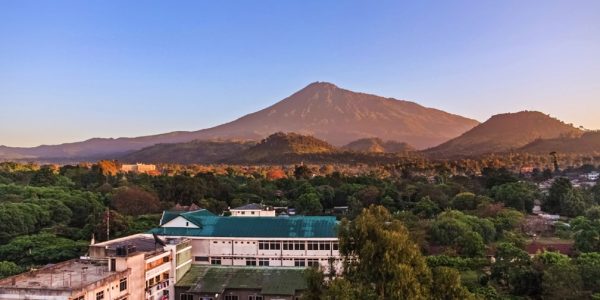
Kilimanjaro, towering at 5895 m to the east, can be visible on clear days from many locations in the park. One of the unique attractions of the park is the opportunity to combine game drives and a nature walk in the many places where visitors can leave their safari vehicles and walk in the fresh air.

The most common animals found in this park are the Abyssinian black and white colobus monkeys, the Vervet monkeys, the red forest duikers, hippos, elephants, giraffes, buffaloes, bushbucks and sometimes the leopard. More than 400 species of birds have been recorded in the park including Eurasian migrants, which can be seen between October and April. Mount Meru 4575 m can be scaled in three to four days, with overnight accommodation in alpine huts on your way up and down.

Info

Size: 137 square kilometres.

Location: North-east of Arusha.

Best Time: Year round. For climbing Mt. Meru, the best time is June-February. For views of Kilimanjaro, the best time is December-February.

To Do: Game drive, canoeing, walking safari, Mt. Meru climb, and picnic sites.

Known For: Perfect for a day trip from Arusha, and a great place to mix a traditional game drive with a walking or canoeing component.

Africa Amini Life Hillside Retreat

Situated 10 km from Ngurdoto Crater, Hillside Retreat – Africa Amini Life features accommodation with an outdoor swimming pool, a garden and a 24-hour front desk for your convenience. The holiday home features both WiFi and private parking free of charge.

All units have a kitchen with a fridge, living room with a sofa, and a private bathroom with shower.

A continental breakfast is available each morning at Africa Amini Life.

The accommodation offers a children’s playground.

If you would like to discover the area, cycling is possible in the surroundings and Hillside Retreat – Africa Amini Life can arrange a bicycle rental service.

Arusha National Park is 1.2 km from the holiday home, while Small Serengeti is 5 km from the property.

Africa Amini Maasai Lodge

Maasai Lodge Tanzania – Africa Amini Life is located at the foot of Kilimanjaro and is surrounded by a 200-hectare nature reserve. The lodge offers an outdoor pool and a bio-sauna.

The sustainable bungalows have solar-powered light and hot water. Each is equipped with a side table, wardrobe and Maasai-style seating. The modern bathroom includes a rain shower and flushing toilet.

Breakfast is served every morning and for lunch and dinner, the lodge prepares home cooked international and traditional Swahili cuisine as well as Maasai specialities. Fresh and organic ingredients are grown in the kitchen’s garden.

Free Activities offered to guests include the introduction to the philosophy and practice of permaculture, spear throwing competitions with the Maasai, herb walks focusing on medicinal plants native to the area and donkey rides for children. Other optional activities, airport transfers and daytrips to nearby attractions can be arranged for a fee.

Meditation classes are offered in the health spa upon prior request and free WiFi is available at the lounge.

Africa Amini Nature Homes

Located in Arusha, Nature Homes – Africa Amini Life Tanzania offers a garden and sun terrace. Little Meru is 6 km from the property overlooking Mt.Meru and Mukuru. Free private parking is available on site.

All units feature a seating area. Some units include a terrace and/or patio with mountain views. Tanzania Africa Amini Life features free WiFi . Bed linen is featured.

Guests can enjoy a meal at the on-site restaurant.

Mount Meru Ashcone Hiking Trail is 7 km from Guesthouses Tanzania – Africa Amini Life. The nearest airport is Arusha Airport, 26 km from Guesthouses Tanzania – Africa Amini Life.