Bustani B&B

Bustani B&B is situated on the west coast of Mafia Island, Tanzania.

We are a family-run business and aim for a casual and relaxed atmosphere which caters for couples, friends or families.

With only 10 rooms and a maximum occupancy of 20 people, it is the perfect garden setting to relax and unwind, whilst remaining close enough to the local amenities.

Breezes Beach Club and Spa

Situated on the idyllic Bwejuu Beach on the South East Coast, Breezes Beach Club and Spa boasts an outdoor pool, restaurants and water sport facilities.

Decorated in ivory tones, the air-conditioned rooms and suites offer a terrace and are equipped with a refrigerator, safety deposit box and en-suite bathroom.

The hotel has 3 restaurants, and also offers private beachfront dining for couples. There are 2 bars and a coffee and tea lounge.

Guests can unwind at Frangipani Spa, which offers a variety of massages and beauty treatments in a Swahili-style setting with candles and spice scented aromas.

Activities at Breezes Beach Club include kite surfing, volleyball, snorkelling and diving.

Other facilities offered at the property include a tennis court, a fitness centre, a shared lounge and a tour desk.

The village of Bwejuu is 10 minutes’ drive away and Stone Town Airport can be reached within 50 minutes by car.

Blue Reef Sport Fishing Lodge

Offering a restaurant, Blue Reef Sport & Fishing Lodge and Bungalows is located in Jambiani. WiFi access is available in this lodge.

Featuring a shower, private bathroom also comes with a bath or shower and free toiletries. Extras include bed linen and a fan.

At Blue Reef Sport & Fishing Lodge and Bungalows you will find a garden, a terrace and a bar. Other facilities offered at the property include water sports facilities, a shared lounge and luggage storage. An array of activities can be enjoyed on site or in the surroundings, including cycling, fishing and snorkelling. The property offers free parking.

This lodge is 73 km from Julius Nyerere International Airport.

Photography Workshop Safaris in Tanzania

Photography Workshop Safaris in Tanzania

Learn, Create, and Capture More on a Tanzania Photography Workshop Safari

A photography workshop safari in Tanzania is one of the best ways to improve your wildlife photography while experiencing some of Africa’s most extraordinary landscapes and wildlife encounters.

Designed for photographers of all levels, our workshop safaris combine expert guidance, small-group travel, and immersive time in the field to help you create stronger images with more confidence. Whether you are just beginning your wildlife photography journey or already building a serious portfolio, these safaris give you the opportunity to learn in real conditions while photographing Tanzania’s iconic wildlife.

Our workshop safaris are led by accomplished photographers and supported by some of our most experienced Tanzanian safari guides, creating a unique balance between photographic instruction and expert wildlife tracking. This means you are not only taken to the right places at the right time, but also supported in how to approach light, composition, behavior, timing, and storytelling in the field.

A Small-Group Safari Designed for Photographers

Unlike a standard safari, a workshop photography safari is built entirely around the needs of photographers. Group sizes are kept intentionally small, with only a limited number of photographers per vehicle—usually no more than three—so that every guest has enough room for gear, clean shooting angles, and the freedom to work without feeling crowded or rushed.

This setup allows for:

  • more space for camera equipment
  • access to multiple shooting angles
  • a quieter, more focused field experience
  • more time for observation and image-making
  • direct support from the workshop leader

The result is a safari that feels more intentional, more creative, and far more rewarding for anyone serious about photography.

Learn in the Field, Not Just in Theory

Our workshop safaris are led by professional photographers who travel with you throughout the journey and are available to guide you in all aspects of image creation, Depending on the workshop leader and itinerary, guidance may include:

  • camera settings in changing light
  • wildlife composition
  • working with behavior and movement
  • exposure techniques in difficult conditions
  • storytelling through sequences and scene-building
  • making the most of golden hour
  • building stronger wildlife portfolios

Some workshop safaris include more formal instruction, while others focus on practical field guidance and one-on-one support. In all cases, the experience is designed to help you grow as a photographer while still enjoying the excitement and beauty of safari.

Guided by Photography-Aware Safari Experts

A successful workshop safari depends on more than photography knowledge alone. It also depends on exceptional guiding in the field.

That is why our workshop safaris combine experienced photographer leaders with highly skilled Tanzanian safari guides who understand wildlife movement, habitat, light direction, and vehicle positioning. This collaboration is what gives guests the best possible opportunity to be in the right place at the right time, For photographers, that makes a major difference.

Excellent Value for Serious Travelers

All photography workshop safaris are offered as package-priced experiences, giving strong value to travelers who want to make the most of their time in Tanzania, By combining expert leadership, carefully planned itineraries, small-group vehicle setups, and photography-focused field time, these safaris offer far more than a standard wildlife holiday. They are designed for travelers who want a deeper, more productive, and more inspiring photographic experience.

Who These Safaris Are Best For

Our Tanzania photography workshop safaris are ideal for:

  • beginner photographers who want to improve quickly
  • hobbyists who want expert field guidance
  • advanced photographers building stronger portfolios
  • wildlife and landscape photographers
  • photographers who prefer small groups and focused shooting time
  • travelers who want both learning and adventure in one experience

Start Your Photography Workshop Safari in Tanzania

If you want more than a standard safari and are looking for a photography journey built around learning, creativity, and strong wildlife encounters, our Tanzania photography workshop safaris offer an exceptional way to experience the wild.

Explore our upcoming workshop departures or contact us to find the right photography safari for your level, interests, and creative goals.

Our Photography Safaris

No results found.

Preparing For Your Kilimanjaro Expedition

Preparing For Your Kilimanjaro Expedition

[vc_row text_color=”__” heading_color=”__” link_color=”__” link_hover_color=”__” el_class=”cartana-portfolio-section”][vc_column][vc_column_text]The very best way to prepare for climbing to high altitude is to climb to high altitude. Although this is difficult for most people, remember that the higher the altitude you can reach and the longer the hikes you do for training, the better. Whether it be to hike 2,000 feet to the top of the local hill or climbing larger mountains further afield; just being out hiking uphill is the best. This also allows you to get used to your backpack and boots.

You should be hiking with everything in your day pack that you anticipate carrying when climbing Kili.

Running and biking are also very good and at least take you outdoors so you can test your equipment. Stair masters and climbing machines at the gym will work if outdoor hiking isn’t an option. Try not to go for short hard blasts of exercise but long sustained workouts instead. An adequate training regime is to maintain 75% of your max heart rate (220 minus your age) for an hour, three to four days a week. Remember high altitude mountain climbing requires acclimatization and that a strong mind is as important as a strong body. If you are fairly fit and choose a climbing itinerary that allows plenty of time to acclimatize you have the formula for success.[/vc_column_text][vc_single_image image=”3998″ img_size=”full” alignment=”center”][vc_column_text]

What to Pack

For the Head and Face:

  • Pile or Wool hat: Bring one that covers ears, a balaclava type is excellent.
  • Shade Hat: Visor hats with good brims are essential for protection from the equatorial
  • Sunglasses: Essential for eye protection in the tropics, at altitude. Bring a good quality pair, preferably with an IREX protection rating of 100. Attachable side shields are necessary, or bring glacier
  • Sunscreen: Bring plenty of complete sun blocks with a protection factor of 15 or more. Unless you have spent time in equatorial sun you will probably underestimate the amount necessary, so bring
  • Lip Balm: With SPF rating of 15 or more.
  • Bandanas: Tied around the neck they give good sun protection. Cleaning glasses, as wash clothes, They dry very quickly.

For the Upper Body:

  • Upper Body Layers: For climbing the mountain we recommend you have three warm layers for the upper Items must be made of wool, synthetic or pile. Make sure all layers fit comfortably over each other and supply good insulation. A good combination is a long underwear top, a sweater, and a pile jacket or heavy wool shirt. Cotton items do not provide adequate insulation and are completely useless when damp.
  • T-Shirts: Two T-shirts that you don’t mind getting dirty while on the mountain. Synthetic is
  • Rain Parka: Afternoon showers are common in East Africa, especially on the Bring a good parka Gore Tex or waterproof nylon that has been “seam sealed”.
  • Wind Shirt: (optional if you have Gore Tex rain gear) A nylon wind shell (not waterproof), roomy enough to fit comfortably over all upper body Gore Tex is good for both this wind shirt and for the rain coat.
  • Poncho: (Optional) Quick and handy protection for body and rucksack. Poor protection in windy
  • Gloves or Mittens: Wool or pile. One pair of heavy mittens and a light pair of gloves work
  • Mitten Shells: One pair to go over your mittens. These are for use against the winds sometimes encountered in the crater and on the way to the

For the Lower Body:

  • Quick Dry Hiking Shorts: 1 pair. Good for hiking at lower elevations on the
  • Long Underwear Bottoms: One pair. Wool or synthetic.
  • Wool, Bunting or Pile Pants: One pair that fit loosely and are comfortable. These are essential to be worn over the long john
  • Rain Pants: Bring a good pair of rain pants of Gortex or waterproof nylon that has been “seam sealed”.
  • Wind Pants: (optional if you have Gortex rain pants.) One pair. These are used often on the mountain for protection against wind. They should be breathable nylon and roomy enough to fit comfortably over wool or pile
  • Tights: Lycra or polypropylene type are comfortable to hike in, provide good warmth on cool misty days, dry fast and prevent
  • Undergarments: Enough for the duration of the trek.

For the Feet:

  • Thin Socks: Two pairs of synthetic socks. These you will wear under heavy wool These help to prevent blisters and keep feet dry.
  • Thick Socks: Three pairs of heavy wool or synthetic socks to wear for warmth with hiking
  • Hiking Boots: One pair medium weight hiking boots large enough to be comfortable with one liner sock and one heavy wool or synthetic sock. When fitting boots be sure they are long enough that your toe will not strike the end of the boot when walking down hill for hours. One test is to snugly lace the boots and then strike a solid object two or three times pretty hard with the toe of the boot and see if your toes hit the If they do, try a half size larger.
  • Gaiters: One pair of either high or low gaiters made of breath-able material to keep dirt and snow out of your
  • Tennis Shoes or sandals: These are to wear in camp after a day of hiking.

For Sleeping:

  • Sleeping Bag and Stuff Sac: On the mountain temperatures can get down to minus 10 degrees Fahrenheit at night so bring a warm
  • Sleeping pad: A closed cell foam camping mattress is ok. An inflatable Therma-Rest type is more

For Drinking:

  • Water Bottle: Two, one litre wide-mouthed plastic bottles at least.
  • Water Treatment: We will filter your water with a Katadyn water filter. For emergencies we recommend you bring two bottles of “Potable Aqua” or a “Polar Pure”, crystal iodine in a bottle, to treat drinking water. Filtration pumps are also effective, but costly and rather
  • Water Flavoring: Wyler’s lemonade, Tang, Gatoraid, etc. It is really important that you stay hydrated while at altitude for better These drink mixes are hard to come by in Tanzania so if you have one you like that makes drinking water easier we encourage you to bring some.

For Carrying Your Gear:

  • Frameless Pack: A medium size comfortable pack with some support is adequate to carry personal The pack should fit properly and have a good waist belt. Side pockets are recommended for soft packs. Personal loads with camera gear, water for the day and warm clothes are often between 15 and 20 pounds.
  • Pack Cover: Something waterproof to cover your pack with when hiking in the Otherwise, bring a large plastic bag to line the inside.
  • Duffle/zip Bag: Medium size for mountain gear. This will go into our mountain bag that the porters will
  • Duffle/zip Bag: Large enough to hold your non-mountain gear. This will meet you at the hotel after the
  • Plastic Bags: Several, to double bag your sleeping bag and clothes on the It can rain every afternoon.

[/vc_column_text][vc_single_image image=”3997″ img_size=”full” alignment=”center”][vc_column_text]

For Personal Health and Comfort:

  • Toiletries: Bring enough for the entire trip. Keep simple and light. Few toiletries are available in Bring enough for all your needs.
  • Flashlight and/or Headlamp: Important on summit day and handy in camp. Plenty of
  • Pocket Knife: Simple Swiss Army type with scissors.
  • Personal First Aid and Drug Kit: Please see attached recommended list.
  • Trail Munchies: Although plenty of snack food is provided, trekkers like that taste of home in their Touted as an important accessory by those who have brought them in the past!
  • Hot Drink Mixes: We will provide plenty of coffee, cocoa and tea, but

non-caffeinated drinks are not readily available here. Bring a supply of your favorite herbal teas.

  • Towel: For wash up in camp, a small one is fine, or you can use a bandana.
  • Towelettes: Such as “Wash ‘n’ Dries” for general hygiene.
  • Spare Glasses: For contact wearers in dusty conditions and any eye glass wearer while on
  • Umbrella: Very useful against rain and sun. Most guides use one.

Recommendations for your First Aid Kit:

We will have gauze, tape, aspirin, medicated soap, antibiotic ointment, antacid tablets, some antibiotics, pain killers, eye treatments, anaphylaxis kit, Imodium, compazine and Diamox. Because of liability problems, prescription drugs will only be dispensed in emergencies. We suggest you bring the following medical items. Please discuss this with your physician.

  • Intestinal disorders: Compazine, 25mg rectal suppositories; for severe nausea, Imodium, to decrease diarrhea and cramping. Tetracycline, Cipro or Bactrim antibiotics: for initial treatment of severe diarrhea. Activated charcoal has proven to be an effective first stage treatment.
  • Cuts and scrapes: It’s wise to bring a supply of “Bandaids” to treat those abrasions that sometimes
  • Infections: Antibiotic ointment for cuts and abrasions. Erythromycin or Amoxicillin tablets for skin or soft tissue
  • Blisters: It is wise to bring your own small supply of blister treatment items to insure that you avoid letting any blister get out of “Second Skin” and moleskin are recommended
  • Headaches: Tylenol and tylenol with codeine** to help relieve possible altitude Nothing stronger than codeine should be taken for fear of masking potential severe altitude problems while on the mountain.
  • Insomnia: Halcion** 15mg tablets. In high altitude mountaineering restlessness is not uncommon and sleep is very important. Halcion is a light sleeping pill, we do not recommend using any sleeping pills above 15,000 We have also found Melatonin to be very helpful for jet lag.
  • High Altitude Sickness: Diamox** (acetazolamide) 250mg tablets to be taken twice a day from 13,000 feet to the This drug is widely used in high altitude mountaineering and is highly recommended.

** These drugs are recommended by Peter H. Hackett, M.D., in his American Alpine Club publication

“Mountain Sickness Prevention, Recognition and Treatment.”

Please note that while camping, you will have no access to electricity or shavers or hair dryers. In hotels, you will occasionally find 240 volt AC/55-cycle with three pin square ‘British’ type sockets therefore you will need to bring an adaptor for your appliances. In some camps you will have access to inverters to charge phones and camera batteries only.[/vc_column_text][/vc_column][/vc_row]

Our Kilimanjaro Treks

No results found.

Tanzania Attractions

Tanzania Attractions

[vc_row full_width=”stretch_row” text_color=”__” heading_color=”__” link_color=”__” link_hover_color=”__” el_class=”cartana-portfolio-section” css=”.vc_custom_1595579146280{background-color: #f4f4f4 !important;}”][vc_column][vc_column_text]Look a little beyond the wildlife and you will discover that there’s so much more on offer here with versatile landscapes, sandy beaches, pristine lakes and breathtaking waterfalls in Tanzania.The lesser spoken gems of Tanzania are the many beautiful attractions in the country. Not only are they just a visual treat for all lovers of nature, but there are also many hiking and trekking trails around, providing the complete nature and cultural experience,

EMPAKAAI CRATER

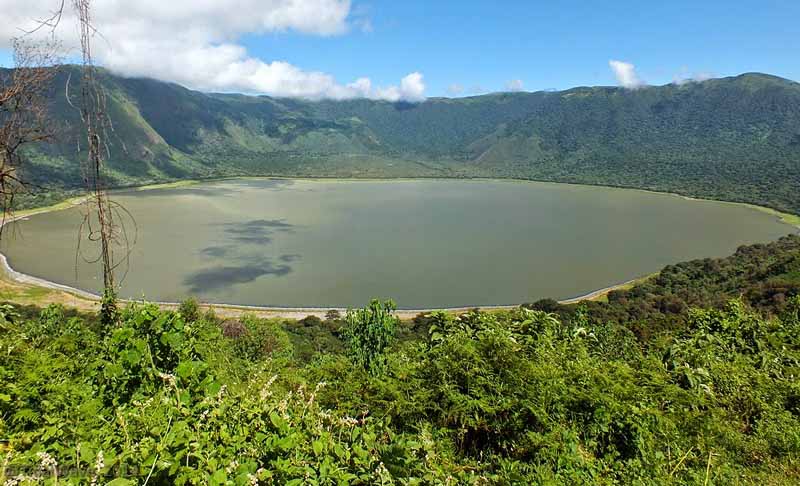
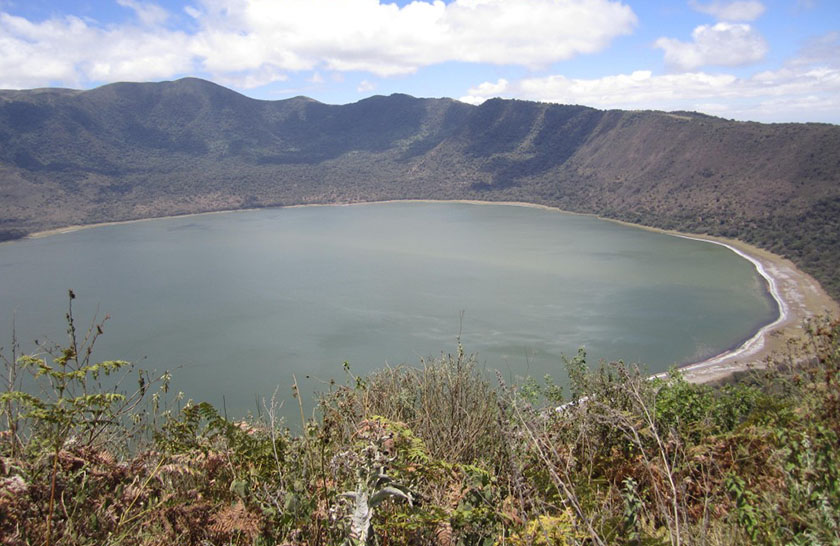
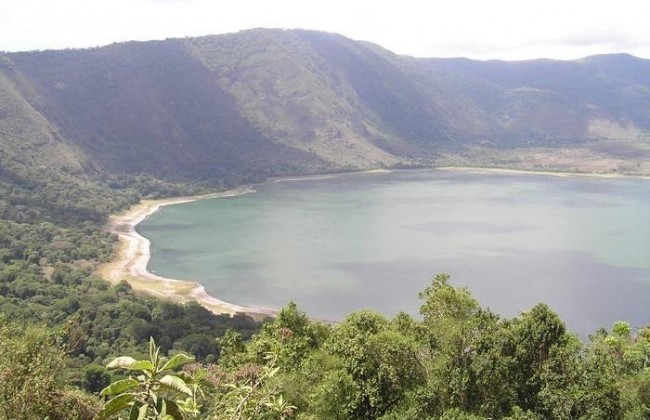
Tucked away in an Eastern pocket of the Ngorongoro highlands, far from the crowds and the gaze of tourists, there exists a magical attraction, untouched by humans, and seldom visited. This is our journey to the Empakaai Crater.

One of the most unique aspects about the Ngorongoro Conservation Area is that the local Maasai tribe live in harmony with wildlife, something that is facilitated by a law demarcating Ngorongoro as a Conservation area, rather than as a National Park. Unknown to many, are the variety of experiences that can be enjoyed within the greater Ngorongoro Conservation Area.

Hiking the Empakaai Crater can be combined with an additional hike at Olmoti Crater or a visit to an authentic local Maasai Village to make a full day active and cultural itinerary. The Maasai in this area are far away from the tourist trail and therefore the experience interacting with them is less commercial, allowing guests to get a true understanding of the tribe and their daily life.

So the next time you are looking to break the routine of being in a safari vehicle, plan an extra day in the Ngorongoro Conservation Area and enjoy a walking safari in this amazingly scenic yet private area of Tanzania.

Empakaai Crater, a true hidden gem.

EMPAKAAI CRATER USEFUL INFORMATION:

  • Distance from Ngorongoro Crater (Sopa/Lemala Gate): 1.5 hour scenic drive
  • Elevation: 2,500 meters at the rim
  • Width of the crater: 6 km
  • Height of the crater: 300 meters
  • Difficulty of hike: Medium (steep ascent / descent)
  • Descent hike duration: 1 hour
  • Ascent hike duration: 5 hours
  • Optional additional hike around the lake on the crater floor: 2 – 3 hours
  • You can combine it with a visit to an authentic Maasai
  • What do you need: Sun hat, sunscreen, water, comfortable walking shoes and a light
[/vc_column_text][/vc_column][/vc_row][vc_row full_width=”stretch_row” text_color=”__” heading_color=”__” link_color=”__” link_hover_color=”__” el_class=”cartana-portfolio-section” css=”.vc_custom_1595596325938{padding-top: 30px !important;background-color: #eaeaea !important;}”][vc_column][vc_column_text]

LAKE NATRON

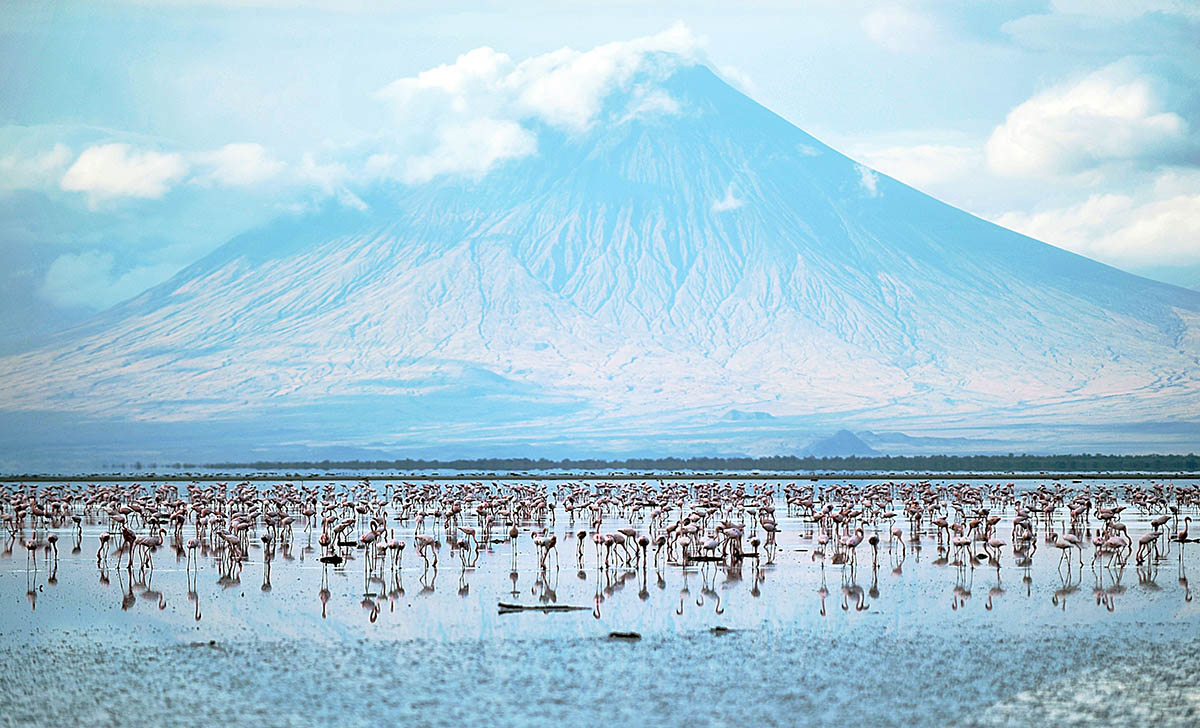
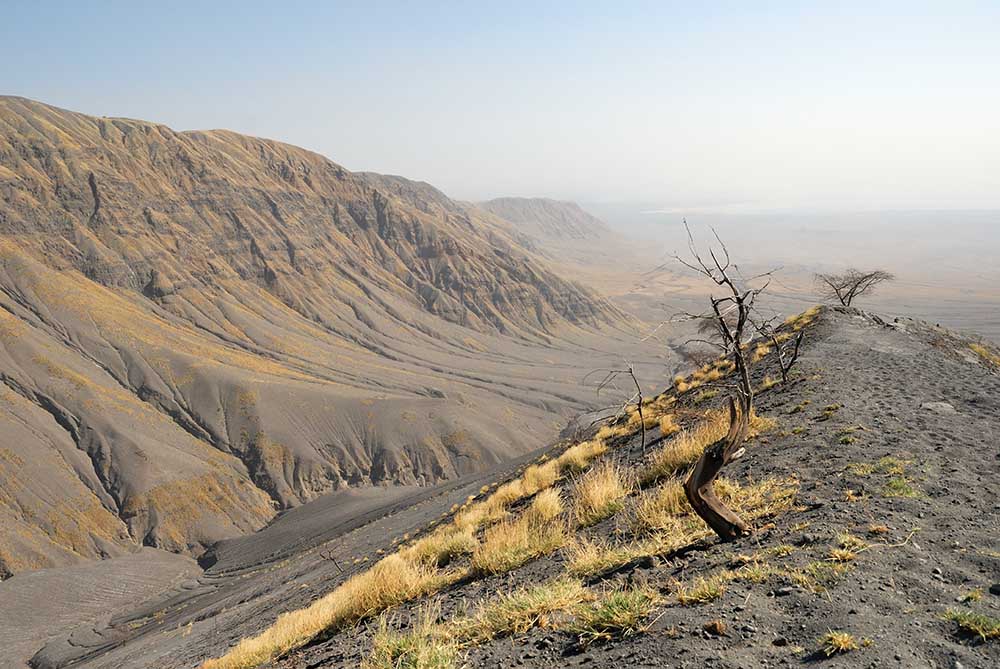
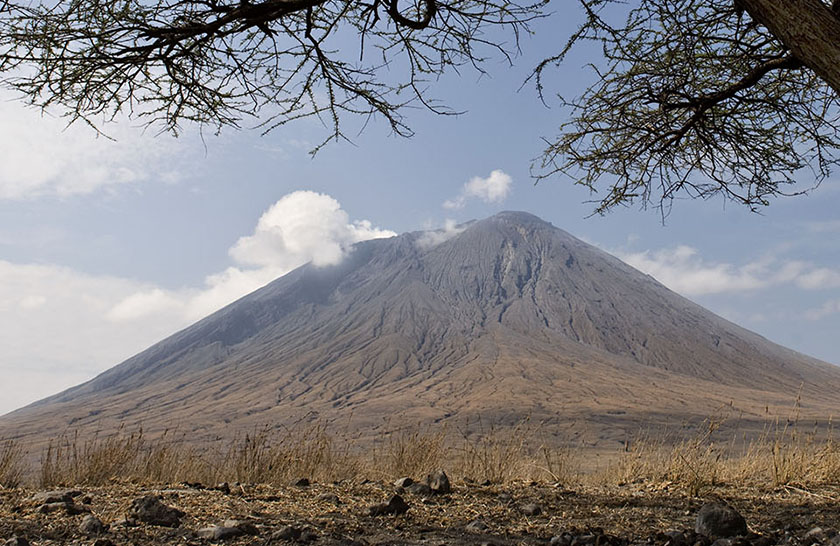
Lake Natron is a soda lake with extreme alkalinity since some of its water leaks through the lava flow of the nearby active volcano Ol Doinyo Lengai. At times, there are several hundred thousand flamingos on and near the lake making for a wonderful spectacle. Lake Natron is one of the most important breeding grounds for flamingos in the world. The weather is significantly hotter here than at most other northern Tanzania destinations but the scenery is striking and unlike anywhere else.

Flamingos, however, are able to overcome the strong alkaline content of the lake, and flock to its shallow waters annually to breed and feed on the lake’s blue-green algae. Natron’s deadly waters are the perfect barrier to predators, which leaves the flamingos unthreatened and safe. The area is quite inhospitable and certainly better suited for a traveller who won’t mind the dry, hot climate.

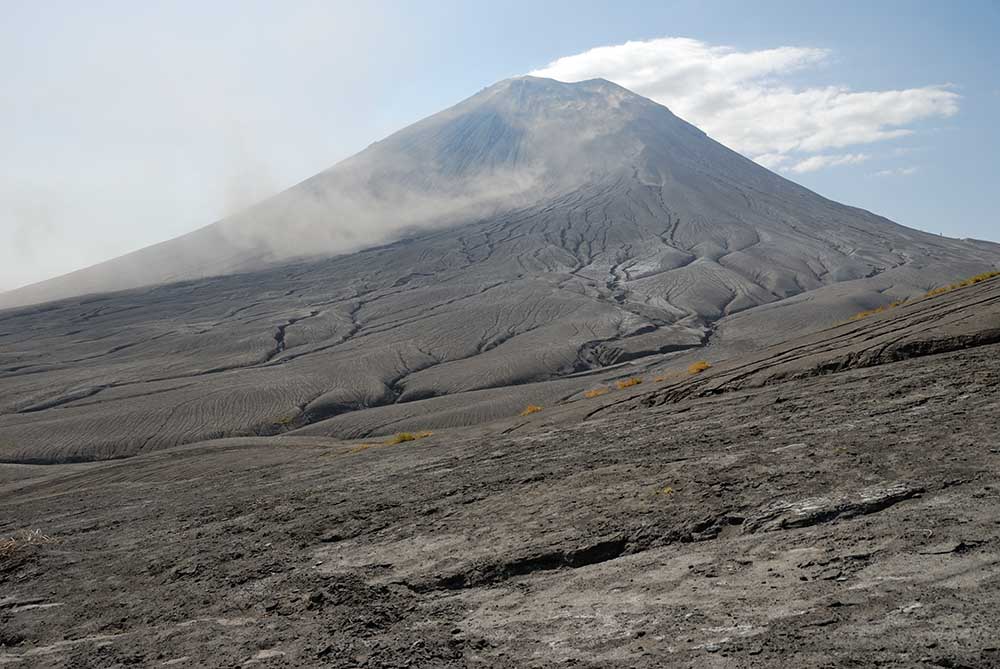
However, the scenery is to die for and is the main reason to visit. Sitting at the lowest point of the Great Rift Valley the surrounding volcanic hills are mesmerising, as is the nearby Oldoinyo Lengai volcano, which is still active and the only volcano in the world to produce black lava. Accommodation options on holidays to Lake Natron are sparse.

Size: 1,040 km² (401.5 sq miles)

Species : Unlike other national parks, Lake Natron does not attract much wildlife. However, it is home to 2.5million lesser flamingos. It is also home to endemic algae, invertebrates, and birds. There are also some fish living in the less salty water around its margins.

Highlights

  • Flamingos : The lake is the only regular breeding ground in East Africa for 2.5million lesser flamingos! As such, this is the best place to see flamingo up close and personal.
  • Walks : A walk is a perfect way to experience Lake Natron. You can walk along the banks of the soda lake and look up at the smoking volcano, Oldoinyo Lengai.
  • Engare Sero Waterfalls : If you’re looking for a hidden paradise, you can walk through the winding gorge to a natural swimming pool surrounded by rocks. The walk is long and not always smooth, but the palm trees and springs at the finish line are well worth the effort!
  • Climbing Oldoinyo Lengai: An active volcano looks down on Lake Natron. It’s an impressive monolith and a sacred site for the Maasai Tribe. For those seeking adventure, you can climb to the peak of this volcano. The journey will take a number of days but it’s the perfect stepping stone in preparation for climbing mount Kilimanjaro.
[/vc_column_text][/vc_column][/vc_row][vc_row full_width=”stretch_row” text_color=”__” heading_color=”__” link_color=”__” link_hover_color=”__” el_class=”cartana-portfolio-section” css=”.vc_custom_1595596339763{padding-top: 30px !important;background-color: #f4f4f4 !important;}”][vc_column][vc_column_text]

OL DOINYO LENGAI

Ol Doinyo Lengai means the “Mountain of God” in Maasai language and is a fascinating and unique volcano located south of Lake Natron and rises above the East African Rift Valley in Northern Tanzania. Ol Doinyo Lengai showcases spectacular scenery, which is unlike any other volcano in the world. The volcano has no competition; it is the only place in the world that is presently erupting carbonatite lava while other volcanoes produce silica lavas. According to Wired, the carbonatite lava contains abundant rare earth elements which are the important components of modern electronics. There are several fascinating attractions and sites to explore such as Lake Natron, Ngorongoro Highlands, Ngare Sero Gorge & Waterfalls, East African Rift Escarpment and Maasai villages.

[/vc_column_text][/vc_column][/vc_row][vc_row full_width=”stretch_row” text_color=”__” heading_color=”__” link_color=”__” link_hover_color=”__” el_class=”cartana-portfolio-section” css=”.vc_custom_1595596354841{padding-top: 30px !important;background-color: #eaeaea !important;}”][vc_column][vc_column_text]

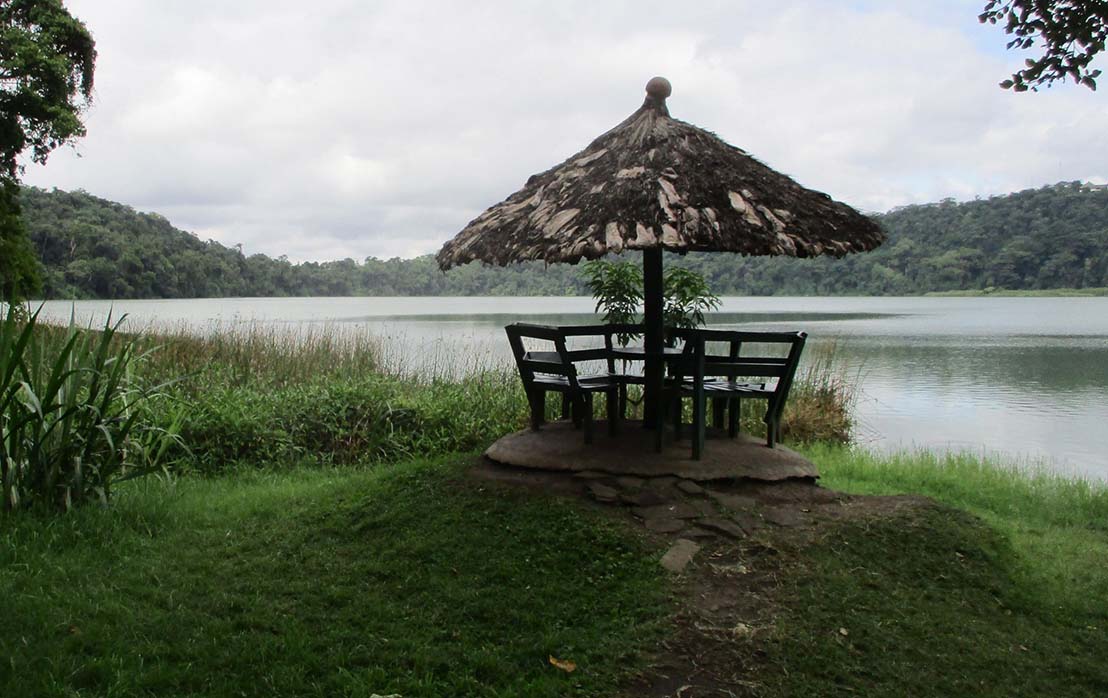
LAKE DULUTI

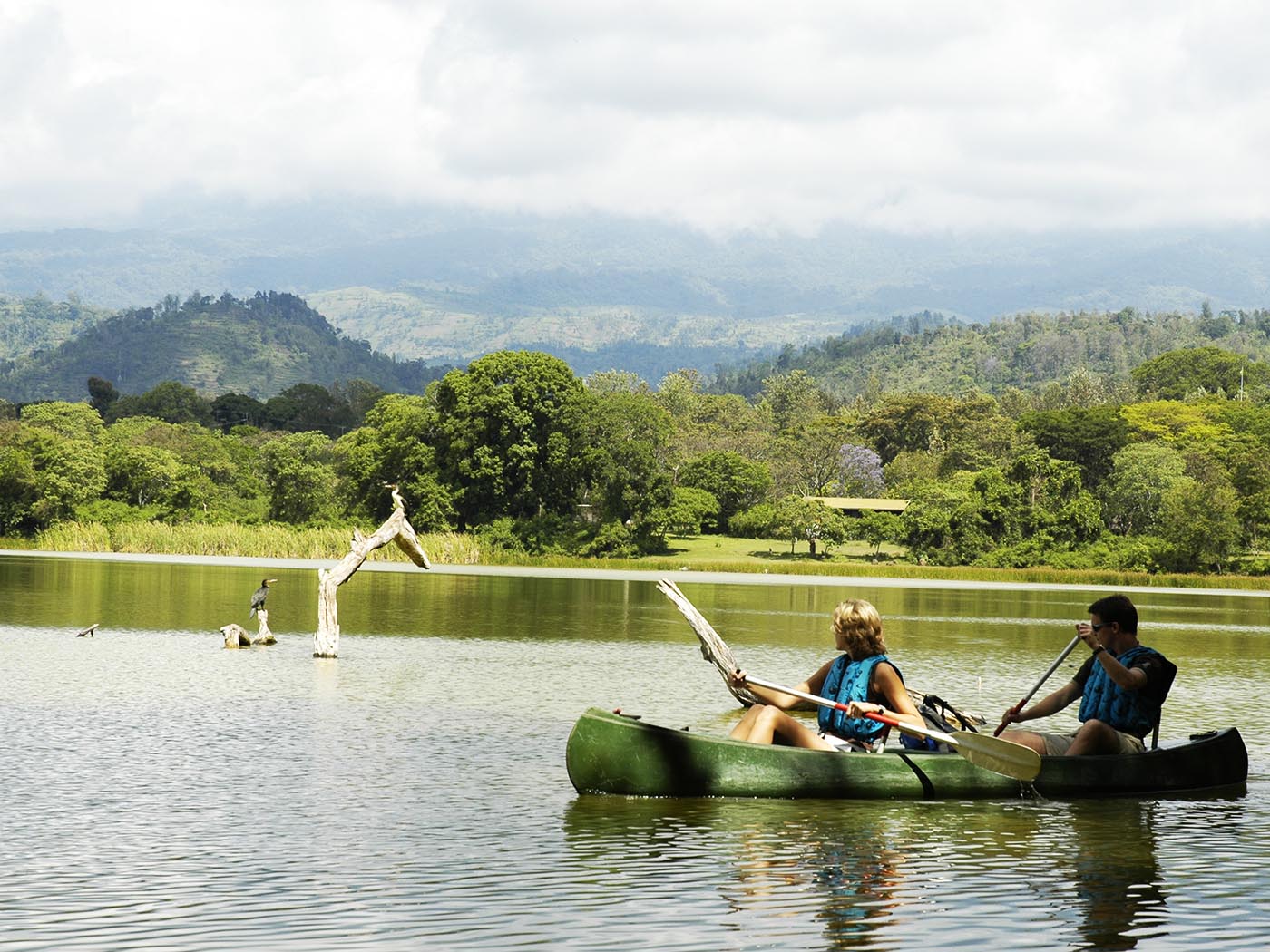
Lake Duluti is a small crater lake east of Arusha just 10 minutes drive along the Moshi road. A nature trail around the lake is a sanctuary for over 130 different bird species including kingfishers, osprey, buzzards, eagles, doves, storks and babets. The forested area around Lake Duluti is also home to many reptiles such as snakes and lizards. Fishing and bird watching is popular in the Duluti area. Guided nature walks or canoeing can be arranged. Wonderful views of Mount Meru and Mount Kilimanjaro can often be seen.

Guided Nature Walks

Guided nature walks around Lake Duluti let you experience the breathtaking beauty of this place. The area is an ornithologist’s paradise. Experienced guides will take you on this spectacular hike and will fill you in with details about the birds and the local trees and their medicinal use.

Canoeing on Lake Duluti

Canoeing is a superb way to get close to wildlife without the noise and restrictions of a vehicle. Glide across the smooth surface of this small crater lake. Enjoy the sights and feel of the serene surroundings. During this leisurely paddle you will encounter interesting bird life, experience the awesome beauty of this secluded portion of nature and breathe the fresh air.

[/vc_column_text][/vc_column][/vc_row][vc_row full_width=”stretch_row” text_color=”__” heading_color=”__” link_color=”__” link_hover_color=”__” el_class=”cartana-portfolio-section” css=”.vc_custom_1595596362990{padding-top: 30px !important;background-color: #f4f4f4 !important;}”][vc_column][vc_column_text]

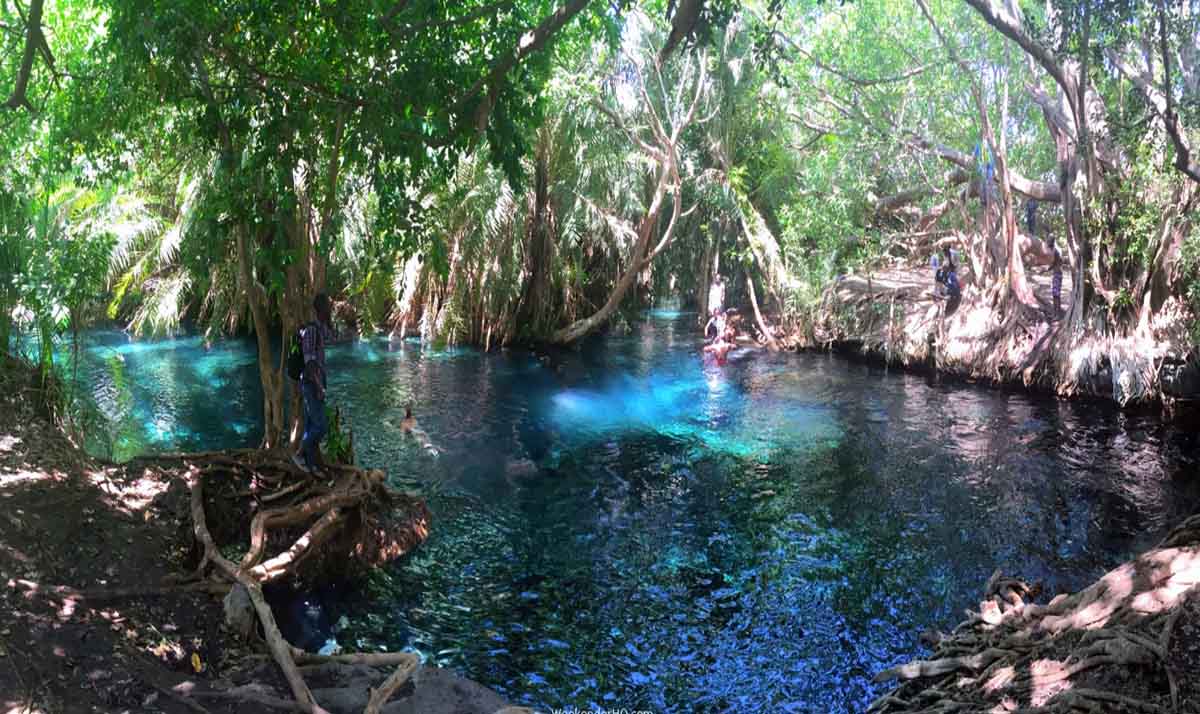
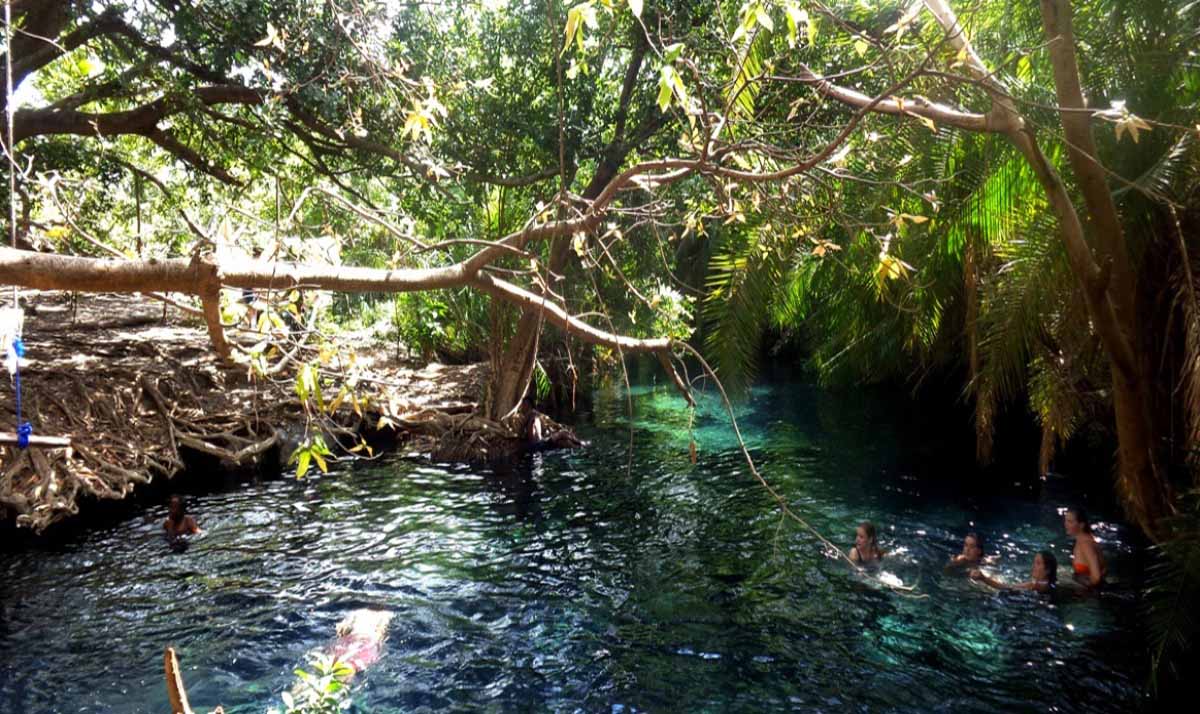
KIKULETWA HOTSPRINGS

The hot springs of Kikuletwa, also known as Chemka Hot Springs located 1.5hrs from Arusha or Moshi, are close to the village of Rundugai and are one of the beautiful places in Tanzania to relax. Hidden away in a desert scrub, Kikuletwa Hotsprings seem completely out of place in a parched landscape with few sources of clean water. Ideal for a picnic or a swim, the area offers clear views of Kilimanjaro–pick a sunny day for your visit for best photo opps.

The small pond is surrounded by palm and fig trees with winding roots and Blue Monkeys can often be observed in the trees, whilst the crystal clear, turquoise water invites you to a refreshing bath. Although they are called hot springs, the water in Kikuletwa is not truly ‘hot’ but refreshing, as the water source is fed by Kilimanjaro itself.

Enjoy a wonderful day in just the way you want, in the sun dozing, chatting with the locals at the small bar, or swimming – you determine the course of this day.

[/vc_column_text][/vc_column][/vc_row][vc_row full_width=”stretch_row” text_color=”__” heading_color=”__” link_color=”__” link_hover_color=”__” el_class=”cartana-portfolio-section” css=”.vc_custom_1595596371512{padding-top: 30px !important;background-color: #eaeaea !important;}”][vc_column][vc_column_text]

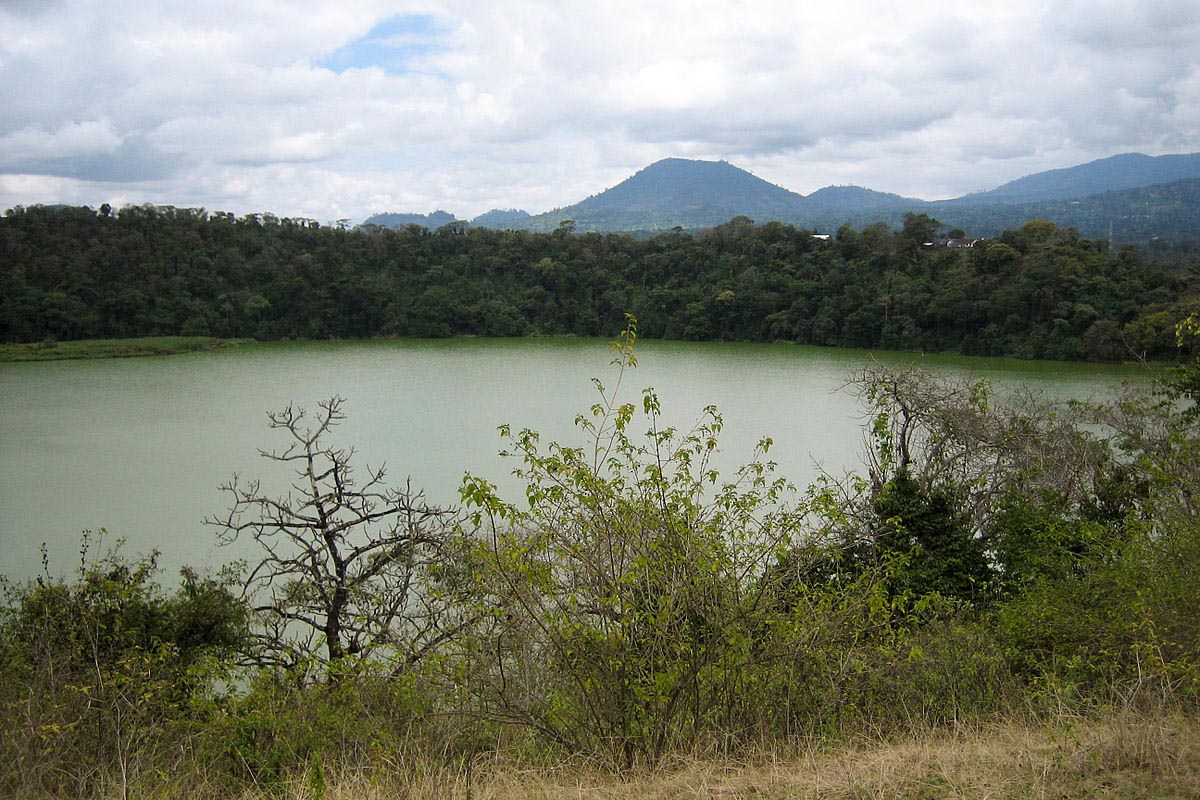
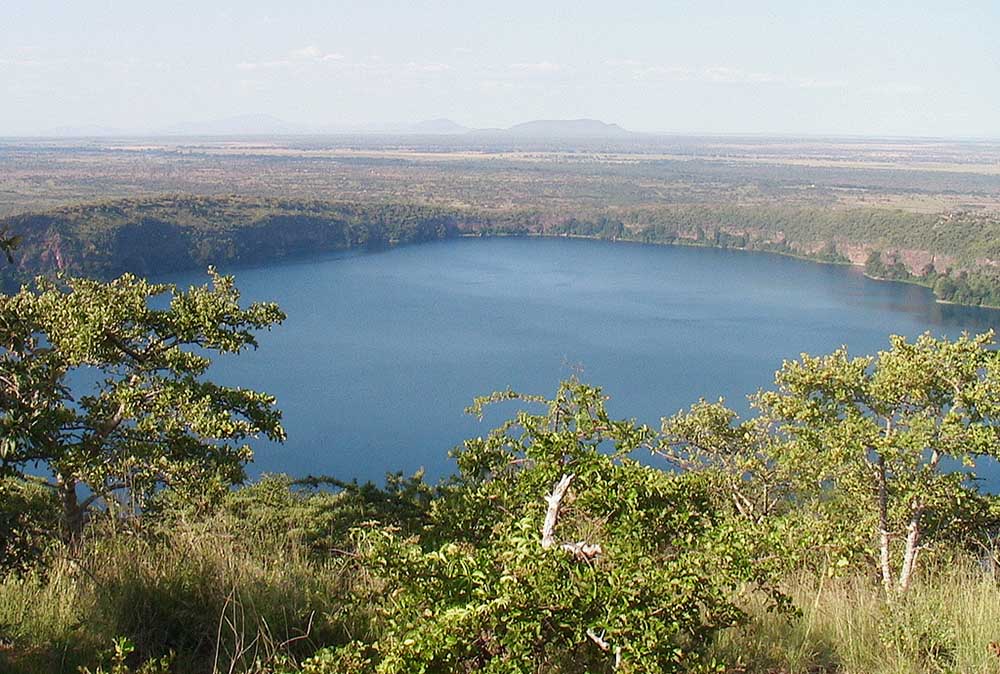
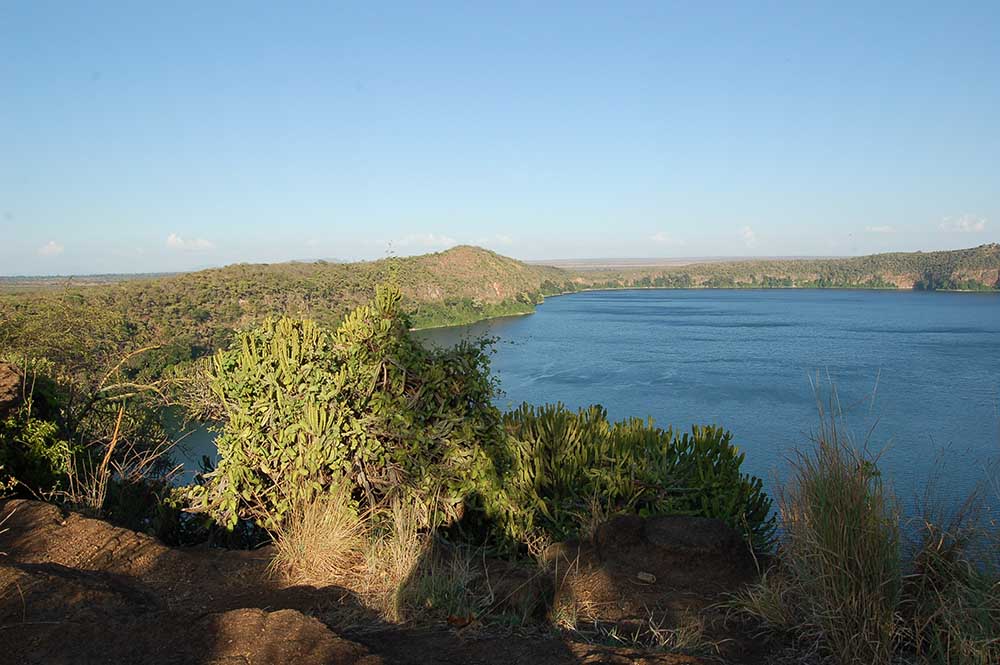
LAKE CHALA

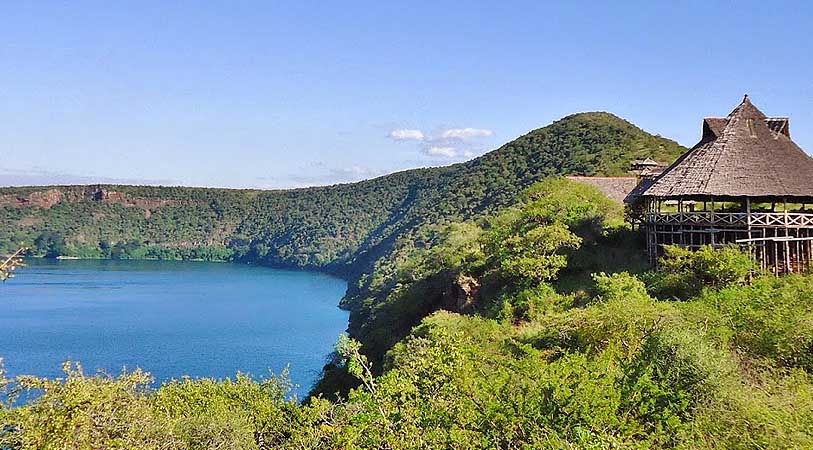
Lake Chala seems a thousand lifetimes away from the bustle of Moshi town, but it’s actually only an hour’s drive away, is thought to be the deepest inland water body in Africa. The lake lies between the border of Tanzania and Kenya on the eastern edge of Mount Kilimanjaro, It is so perfect for a day trip with a difference. Lake Chala is a caldera lake fed by clean, cold underground streams from Kilimanjaro itself, and it’s renowned for its gloriously changing colour; from deepest turquoise to emerald green to azure and all colour in between. It’s a perfect place to relax and unwind and you’ve the choice of hiking the picture-perfect countryside around the lake, kayaking across the border to Kenya. It’s a day full of getting up close and personal to one of the beautiful and quietest treasures of Tanzania.

Lake Chala Safari Camp is a small game reserve.The reserve name is derived from Lake Chala. Lake Chala Safari Camp is a beautiful private game reserve overlooking Lake Chala. You’ll arrive there and our guide will take you down to the lakeside, Water is incredibly clear and plenty of fish can be seen, but swimming is not recommended. The walk at the lake offers interesting views, but is a bit challenging. It is common to spot lizards, baboons, different species of monkeys and snakes. At Lake Chala Safari Camp there is a nice bar at the lake view where you can enjoy your drink after your tour you can also choose to stay overnight for more intimate moment

[/vc_column_text][/vc_column][/vc_row][vc_row full_width=”stretch_row” text_color=”__” heading_color=”__” link_color=”__” link_hover_color=”__” el_class=”cartana-portfolio-section” css=”.vc_custom_1595596381838{padding-top: 30px !important;background-color: #f4f4f4 !important;}”][vc_column][vc_column_text]

TANZANIA WATERFALLS

Tanzania also offers some of the most beautiful waterfalls on earth. Capture footage of these roaring cascades of water and you’re sure to store memories of a lifetime. The country also offers plenty of activities around these waterfalls that include hiking and trekking, Coffee tours and cultural programs.

Must visit waterfalls in Tanzania:

Ndoro waterfalls

Ndoro waterfalls, also known as Marangu Waterfalls, located right at the foothills of the Kilimanjaro mountain . Among this dreamy landscape, you will find some of the most exotic species of plants and greenery, which is not a sight you will see in any of the other waterfalls in the country. The sight of the mighty Mount Kilimanjaro, the tallest dormant volcano in Africa, adds to the magical scenic beauty of the falls. The hike, which takes you through the picturesque landscapes of the Chagga forest, also gives photographers an excellent opportunity to capture some stunning images.

Location: Marangu village close to Kilimanjaro National Park

Tip: The hike to the falls takes about 30mins.[/vc_column_text][vc_single_image image=”4026″ img_size=”full” alignment=”center”][vc_column_text]

Meru waterfalls

This fall is nestled among the lush green beauty of the Arusha forest, and no visit to Tanzania can be complete without witnessing the sheer beauty of this waterfall, which falls down from a height of around 200 feet, plunging into a beautiful pool surrounded by rocks and green plants. The location of this waterfall creates the perfect environment for a harmony between plants and animals, with many exotic plant species and animals such as monkeys, antelopes, and beautiful butterflies flying around the forest.

Location: Mount Meru close to Arusha National Park, Arusha, Tanzania

Tip: There are many hiking trails around the park.[/vc_column_text][vc_single_image image=”4022″ img_size=”full” alignment=”center”][vc_column_text]

Materuni waterfalls

The Materuni waterfalls is another great waterfall that is situated right near Mount Kilimanjaro. It stands at a height of around 95 meters and it’s definitely a sight to look at for many visitors, and that is why so many people come every year to visit these falls and hike up the mountain. One can trek to the Materuni village and also explore the coffee plantations of that region, take a tour around them and find out how they are grown until you have coffee in your cup. This will definitely require a day so make sure to keep a spare day in your itinerary to make space for all these exciting activities.

Location:Materuni village, Moshi, Tanzania

Tip: You can purchase coffee from the plantations.[/vc_column_text][vc_single_image image=”4023″ img_size=”full” alignment=”center”][vc_column_text]

Soni waterfalls

Soni waterfalls are located in the West Usambaras Lushoto Mountain Reserve. Though it takes a while to get to the waterfall, all your effort will be rewarded once you reach and take in the beauty of these waterfalls, and how majestic they look against the woods and the green background of the hills. This is one of those places that definitely makes you feel at one with nature, and where you can just sit back, unwind, and enjoy the peace and quiet listening to the soothing sound of the water flowing down.

Location: West Usambara Mountains, Tanzania

Tip: The months between July and October are the best time to visit this waterfall.[/vc_column_text][/vc_column][/vc_row]

A day on a Tanzania photography safari

A day on a Tanzania photography safari

What a Day on a Tanzania Photography Safari Looks Like

A photography safari in Tanzania is very different from a standard safari. It is not about rushing from one sighting to the next. It is about working with light, timing, wildlife behavior, and patience to create stronger images in the field.

Each day is carefully shaped around the best times for photography — usually early morning and late afternoon, when wildlife is active and the light is soft, warm, and dramatic. The exact rhythm may vary depending on the park, season, and sightings, but most game drives last around 3 to 4 hours at a time, If you are planning a private Tanzania photography safari, here is what a typical day may look like.

Early Morning: The Best Light Begins Before Sunrise

A day on photography safari usually starts early, often around 5:30 am. This is one of the most important parts of the day, as the first light often produces the most beautiful wildlife photography conditions.

It helps to prepare everything the night before — camera batteries charged, lenses ready, memory cards cleared, clothing laid out, and your bag packed. Early mornings move quickly, and being ready makes a big difference.

Guests usually gather in the main lodge area shortly after waking, where tea, coffee, and light snacks are served before departure. Then it is time to head into the bush.

Morning game drives are often focused on:

  • predator activity before the heat rises
  • soft golden light
  • atmospheric landscapes
  • birds and wildlife at their most active
  • cleaner, calmer photographic conditions

After around three hours in the field, you typically return to camp or lodge for a proper breakfast.

Midday: Rest, Review, and Reset

The middle of the day is usually quieter in terms of photography. The light becomes harsh, temperatures rise, and many animals rest in the shade. This is why midday is often the perfect time to slow down.

Depending on the lodge and itinerary, this part of the day can be used for:

  • reviewing and editing your images
  • cleaning lenses and preparing gear
  • recharging batteries and devices
  • resting between drives
  • enjoying lunch at camp
  • taking in the surroundings at a slower pace

Some lodges also offer optional activities such as a guided walking safari with a ranger. These walks can give you a completely different perspective on the bush, focusing on smaller details such as plants, insects, tracks, and animal spoor. For photographers, this can add depth to the safari experience, especially if you enjoy storytelling and environmental detail.

If your lodge has a spa, pool, or beautiful viewing area, midday is also a great time to relax and recharge before the next session.

Afternoon: Golden Light and Longer Shadows

By mid to late afternoon, the light softens again and it is time to head back into the field. Afternoon game drives often begin around 3:30 pm, depending on the season and location.

This is one of the most rewarding times of day for photography. The light becomes warmer, shadows stretch across the landscape, and animals begin to move again.

Afternoon photography often focuses on:

  • warm directional light
  • backlit subjects
  • silhouettes
  • wildlife in motion
  • elephants, giraffes, and plains game in golden grass
  • sunset landscapes and storytelling scenes

As the sun begins to drop, many safaris pause for a short sundowner break. There is something unforgettable about watching the sun set over the African savannah after a strong afternoon in the field.

In many parks, game drives end at sunset because night drives are not always permitted. If night photography or nocturnal wildlife is important to you, it is worth checking in advance whether your itinerary includes a lodge or conservancy where night drives are allowed.

Evening: Dinner, Campfire, and Preparing for the Next Day

Most guests return to camp around 7:00 pm, depending on park rules and drive timing. There is usually time to freshen up before dinner.

Evenings on safari are often relaxed and memorable. Dinner is followed by quiet conversation, storytelling around the campfire, and discussion of the day’s sightings and images. It is also the right time to prepare for the next morning — charging batteries, backing up files, checking gear, and getting a little rest before the next early start, Photography safari days can be full, but they are also deeply rewarding. The rhythm becomes part of the experience.

Why This Safari Rhythm Matters for Photography

This daily rhythm is not accidental. It is designed around what matters most in wildlife photography:

  • the best light
  • the best animal activity
  • enough time to react to behavior
  • space to review and reset between sessions

That is why a photography safari feels so different from a normal game drive. It gives you time not only to see wildlife, but to work with the moment properly.

Final Thoughts

A day on a Tanzania photography safari is built around intention. You rise early, work with the light, stay patient in the field, and return with more than sightings — you return with opportunities to create meaningful images, For photographers, that rhythm is part of the magic.

If you are looking for a safari designed around light, timing, and wildlife photography, explore our Private Tanzania Photography Safaris and discover itineraries built for stronger images and more rewarding time in the field.

Our Tanzania Photography Safaris Packages

No results found.

Health & Safety on Kilimanjaro

Health & Safety on Kilimanjaro

Participating in Kilimanjaro photography workshop is on the list of experiences for many landscape photographers. Whether you’re a first-time climber or pro, we will work together elbow to elbow to make sure you get great shots!

Following are the top considerations that will directly affect the success of your adventure. The first line of questions inevitably deals with camera gear. Here are some ideas that help for comfortable, safe and ready to execute to the best when photographing on kilimanjaro

Camera Equipment

You should bring a 35mm camera. Other cameras simply won’t capture the depth and composition that Kili offers. For the photographic enthusiast, we recommend a standard Single Lens Reflex (SLR) 35mm camera as opposed to the pocket-type 35mm camera. The SLR will provide a greater variety of shots, because there is a larger choice of filters and lenses to use. Also, most modern SLR cameras have the complete range of fully automatic to manual features that offer more flexibility and control. For those who want to shoot in recreational fashion and don’t want the bother of changing lenses and fussing with F-stops, a pocket 35mm should suffice.

Telephoto zoom lenses from 35mm-135mm (focal length) should be versatile enough to do justice to the many great and small things you’ll see along the way. If you have only fixed lenses, then we recommend a standard 50mm, 200mm, and wide angle lens (the wide angle shots are real treasures).

You may want to consider the following filters:

  1. A polarizer filter, to change the contrasts of light and dark in your This is more critical at the summit, where exposed faces and background images will be difficult for you (and your camera) to assess the light and properly expose.
  2. A warming filter, in order to help improve skin tones, which tend to appear slightly blue in high altitude

With regard to film, slide film will produce images with great color saturation and high quality resolution. Keep in mind that it gets expensive to produce prints from your slides.

Should you use print film, we have had great success using Fuji film. You should bring an assortment of different speeds, though favoring mostly 100 and 200 speed, because in general the light levels will be ample to support this. Consider purchasing all this equipment and/or film from the local photo shop rather than from the discount drug store. The photo specialists will be able to assess your intentions, provide useful advice, and recommend the best equipment and film for you. Make sure you buy enough film for your entire trip, as the availability of film in Tanzania is not guaranteed and the cost is prohibitive.

Camera Care

Because this climb takes you from equatorial tropics to arctic conditions, it will be necessary to take measures to protect your camera equipment and film from the elements. Make sure you waterproof everything. Bring a waterproof container (ziploc bags are great) for your film, camera, and lenses/filters, which will also aid in keeping dust and dirt out.

On your final ascent, the temperatures will most likely be below 32 deg. F, and you must take steps to ensure that your camera does not freeze. If you put cameras and lenses, etc. in the inner pockets of your parka, or in pockets of an inner layer (where they can receive your body heat), that will be sufficient. A smaller “point and shoot” camera is best for summit shots, as the larger cameras may be difficult and awkward to fit inside your parka. Your daypack is not an advisable location for keeping this equipment on the final ascent, and in general, insulated containers are too bulky and heavy to be useful.

Upon summiting, you’ll want a few nice shots, so make sure your camera is all set up. The last thing you’ll want to do at Uhuru Peak is change your lens and fuss with loading a new roll of film. Make sure you return the camera to warmth, as it doesn’t take long for it to freeze. If you’re certain that your camera is frozen when you turn it on, do not attempt to take pictures. Leave it alone and wait until you are back at warmer temperatures. You may want to consider bringing a backup camera in case your primary one expires.

Digital Cameras and Video Cameras

Digital cameras are a great option to standard film cameras, and can be easier to use on the trail. The ability to see and edit your images right away is an asset, and it saves you time and money in the absence of the need to change and develop film. You can also use most digital cameras in freezing conditions without worry, though battery life diminishes quickly.

8mm or digital video are popular formats for capturing motion images from the mountain, and if you are sure enough of your abilities, then your efforts will give great rewards.

You’ll need to bring plenty of batteries, as the cold weather seems to shorten battery life. Consider bringing additional lenses and filters, but keep your weight in mind. Please take steps to guard your equipment from the elements, as discussed above. Each climber will have a personal porter on the climb to carry your photo equipment.

Our Kilimanjaro Treks

No results found.

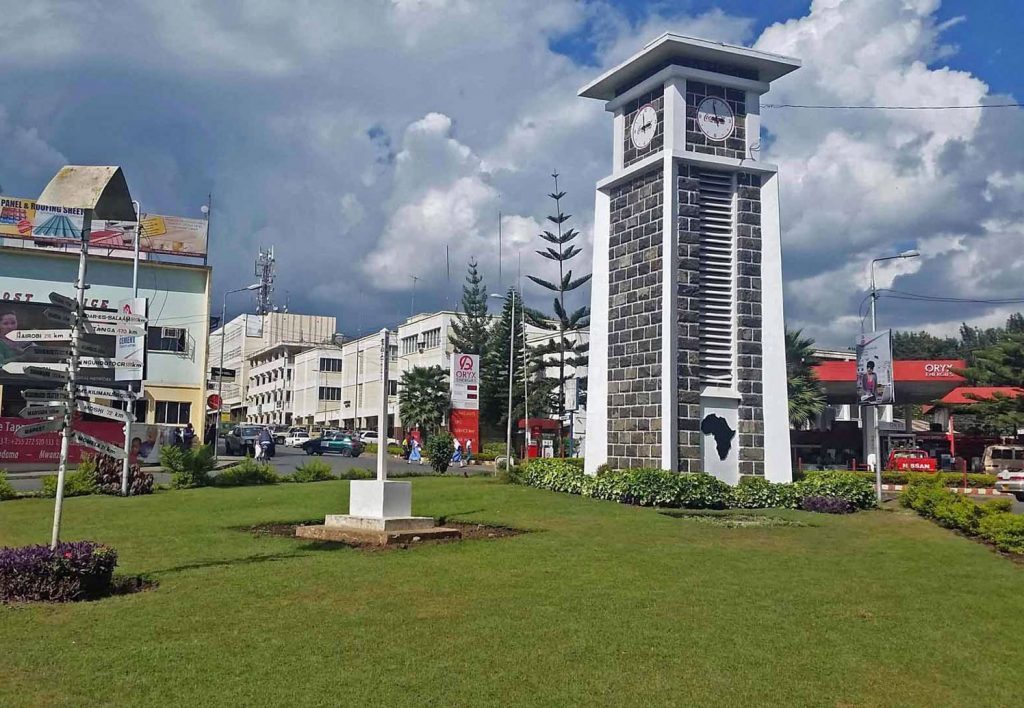
Arusha Town

Arusha Town

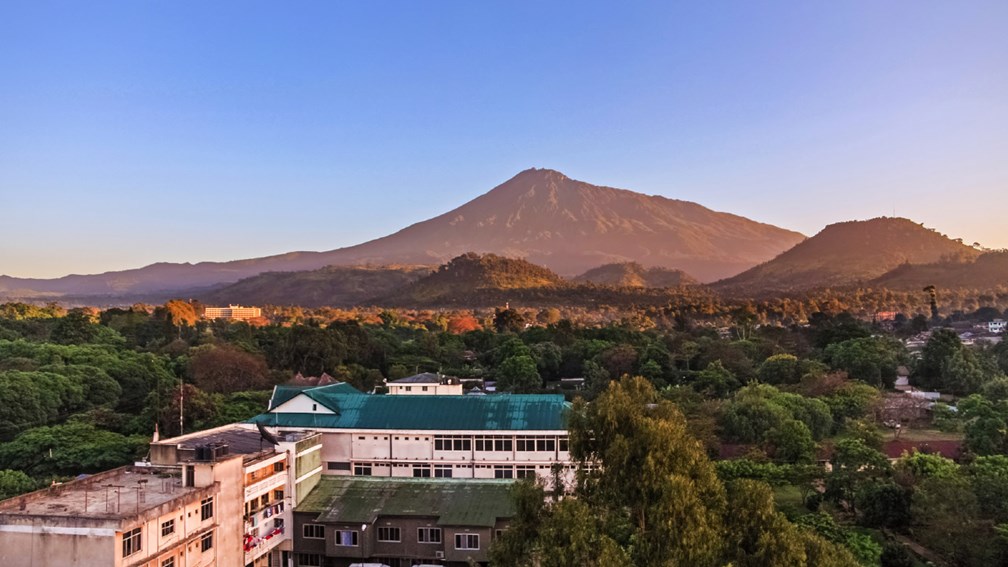
[vc_row text_color=”__” heading_color=”__” link_color=”__” link_hover_color=”__” css=”.vc_custom_1480954422325{padding-top: 60px !important;}”][vc_column text_color=”__” heading_color=”__” link_color=”__” link_hover_color=”__” css=”.vc_custom_1595521948538{padding-bottom: 60px !important;}”][vc_column_text]Arusha, the gateway to the world famous game sanctuaries of Serengeti, Ngorongoro, Tarangire and Lake Manyara, is one of the oldest towns in Tanzania. From a tiny German garrison in 1900, Arusha has grown to become the tourist capital of Tanzania with a population of about 400,000 people.

At 1390 metres above sea level, Arusha enjoys a very agreeable climate throughout the year. Positioned at the centre of Africa between the Cape and Cairo on the Great North Road, Arusha is the administrative seat of the East African Community made up of Tanzania, Kenya Uganda, Rwanda and Burundi.

Arusha offers an excellent opportunity for authentic souvenir shopping, including the bold Makonde carvings, and the colourful Tinga Tinga works and batiks. Tanzanite, the native gemstone of Arusha, and one of the most beautiful and exciting gems to come from Africa, is sold in all gemstone shops in town alongside other locally mined stones like Ruby, Rhodolite and Tourmaline. Tanzanite was first discovered in 1967, some 40 kilometres to the southeast of Arusha at Mererani. To date Mererani remains the only commercially viable source for Tanzanite in the world. Tanzanite was named after Tanzania.

Transportation to and from Arusha is possible from the Kilimanjaro International Airport for international travelers. The airport offers international and inland flights. The Arusha Airport is a small airport, in the western part of the city. The city has no train service but regular buses to and from Nairobi, Dar es Salaam and Dodoma.[/vc_column_text][vc_column_text]

[/vc_column_text][/vc_column][/vc_row]

The Great Wildebeest Migration

The Great Wildebeest Migration

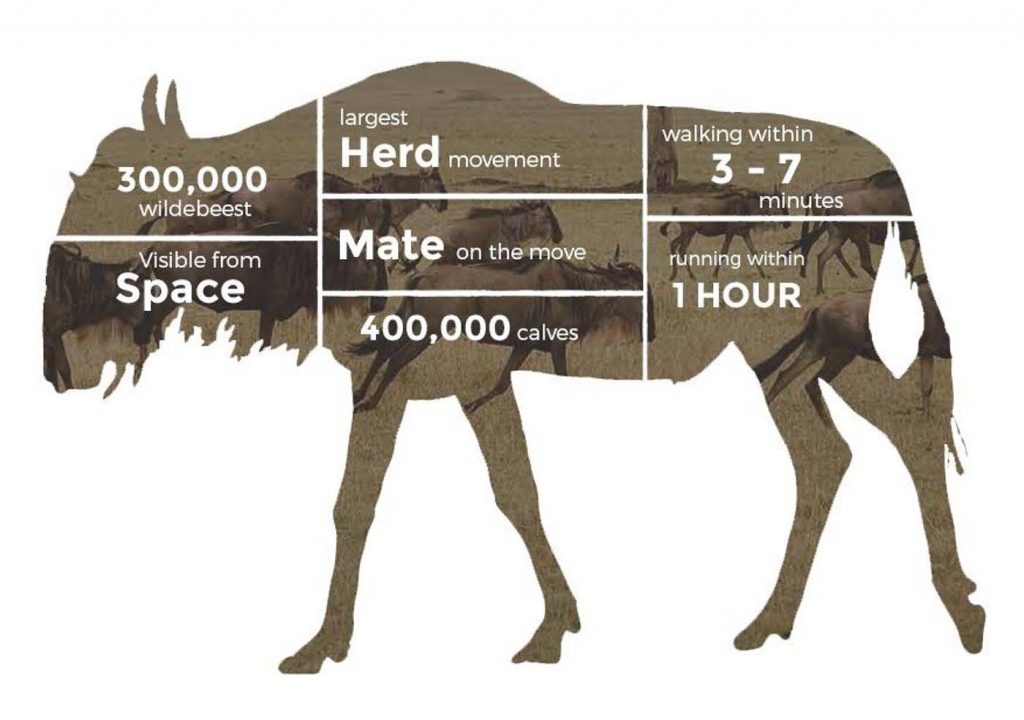
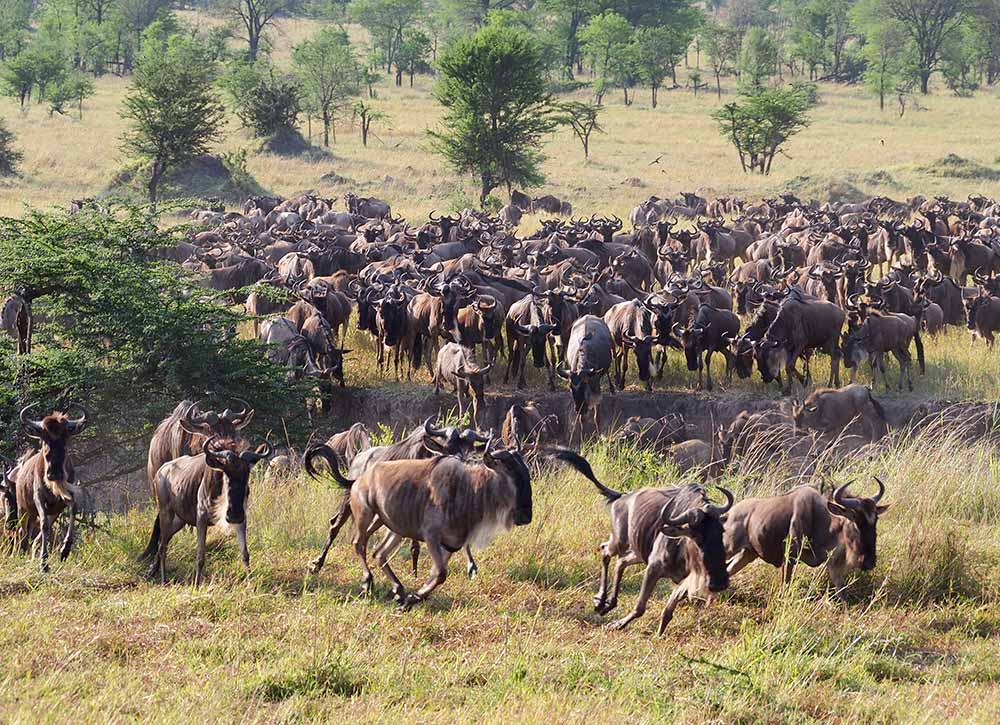
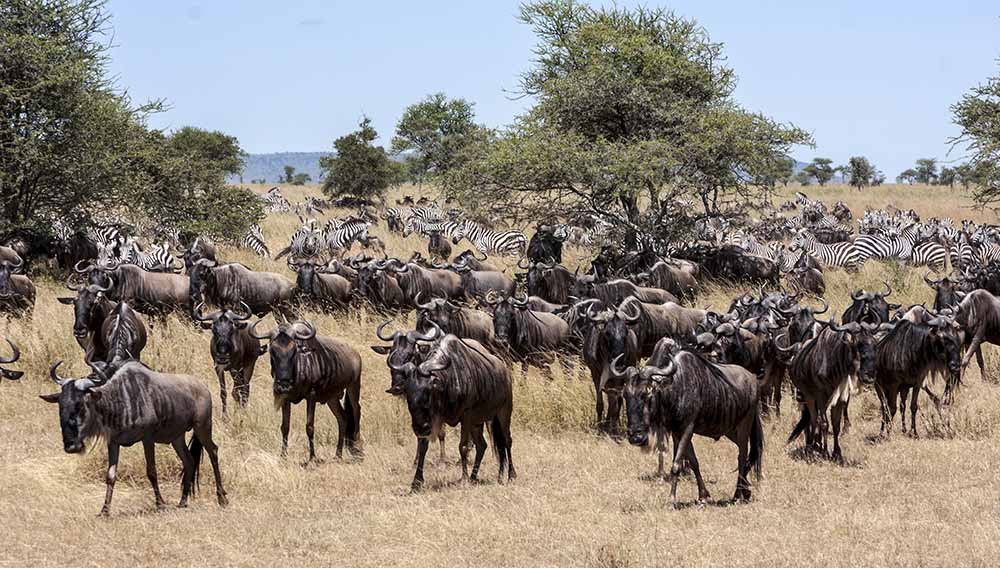
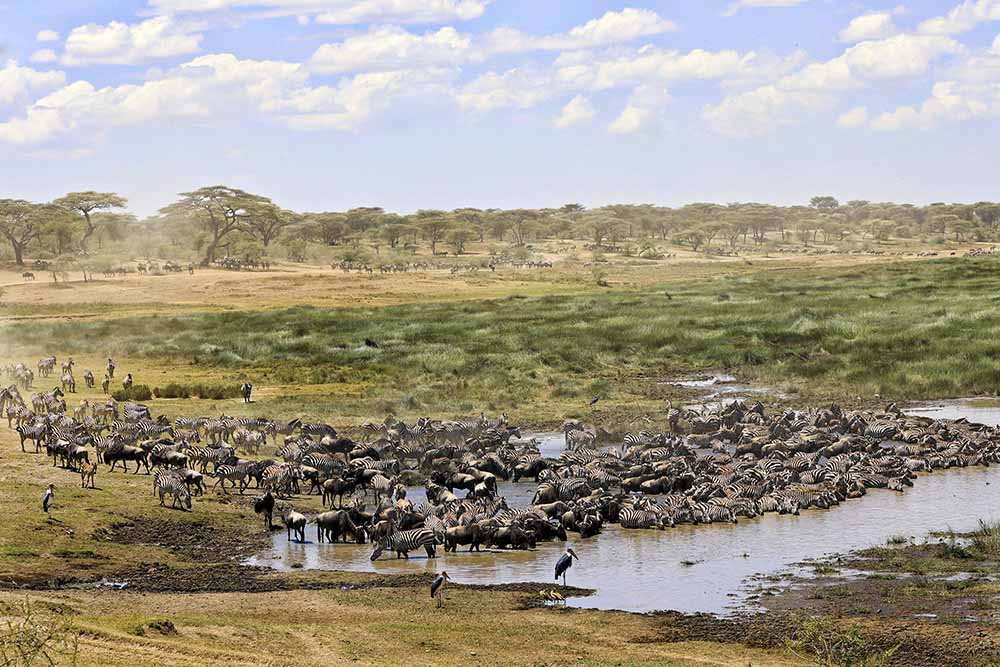
Every year, around 1.5 million wildebeest; 350,000 Thomson’s gazelle; 200,000 zebra; and thousands of eland and other ungulates (hoofed animals) participate in what has been called ‘the greatest show on Earth’, Around March, at the end of the short dry season, the grassy plains of the southernmost Serengeti begin to dry out and the wildebeest move on, heading towards the western woodlands.

The three groups of migrant grazers take advantage of different heights of grass, which means they stick to their own kind with only a small overlap in their distributions. The grasses of the plains have the highest protein content in the whole of the Serengeti, as well as being high in calcium.

It is unclear how the wildebeest know which way to go, but it is generally believed that their journey is dictated primarily by their response to the weather; they follow the rains and the growth of new grass. While there is no scientific proof of it, some experts believe that the animals react to lightning and thunderstorms in the distance. It has even been suggested that wildebeest can locate rain more than 50km away.

The Migration Starts

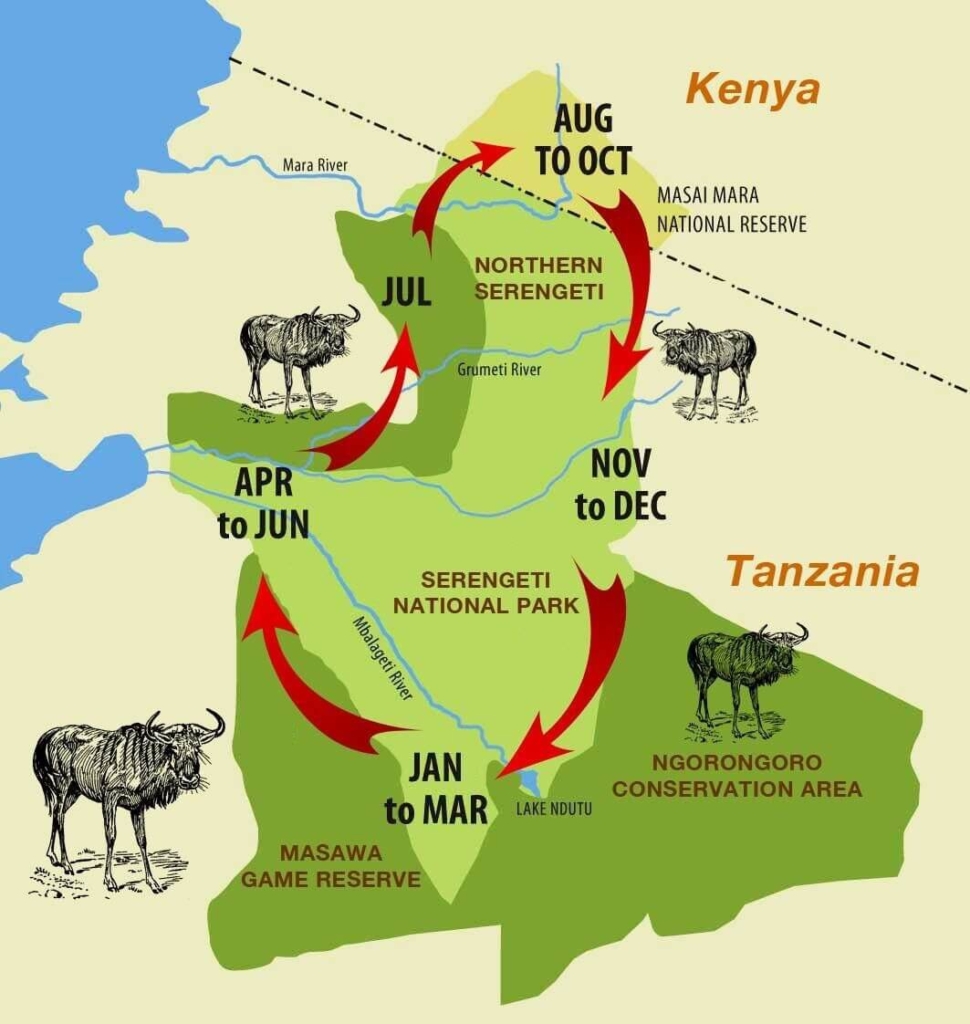
Around December each year, the migration starts to move into the Ngorongoro Conservation Area, where the plains are rich in nutritious grass, providing the herds with the best conditions for raising their newborn calves.

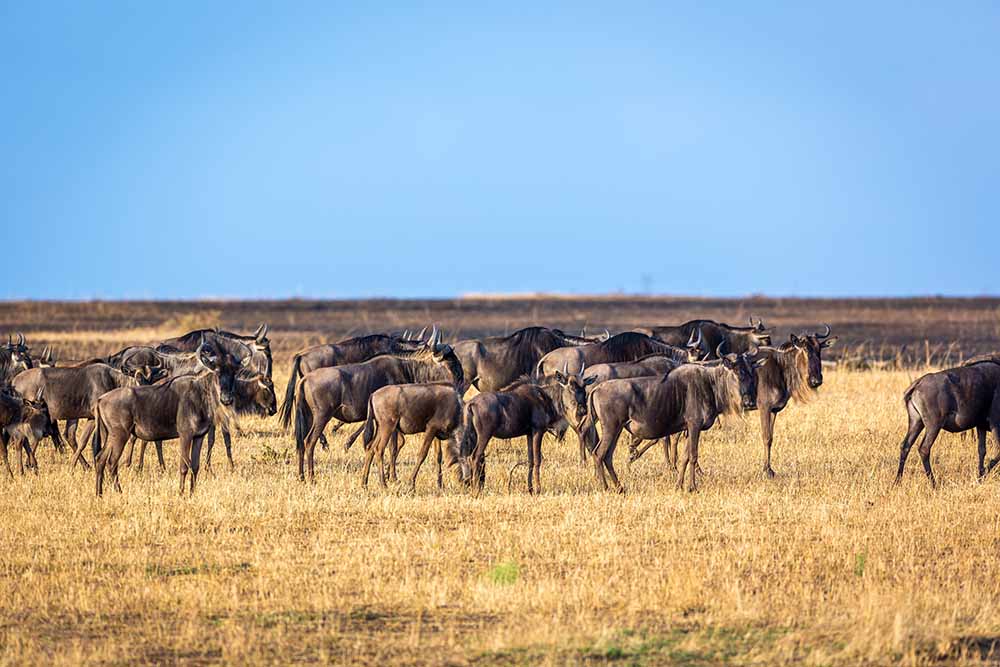
Although there is no real beginning or end to this migratory circuit – other than birth and death – it seems reasonable to call the wildebeests’ birthing season the start of the migration. Around February, they herds are on the short-grass plains that spread over the lower northern slopes of the Ngorongoro Crater highlands and around Olduvai Gorge. Some 400,000 calves are born here within a period of two to three weeks. That is approximately 8,000 new calves every day!

After bearing their young in February and March, the wildebeest herds begin to drift north, drawing with them thousands of zebras and smaller groups of antelope. The abundance of vulnerable calves means the surrounding predators also spring into action.

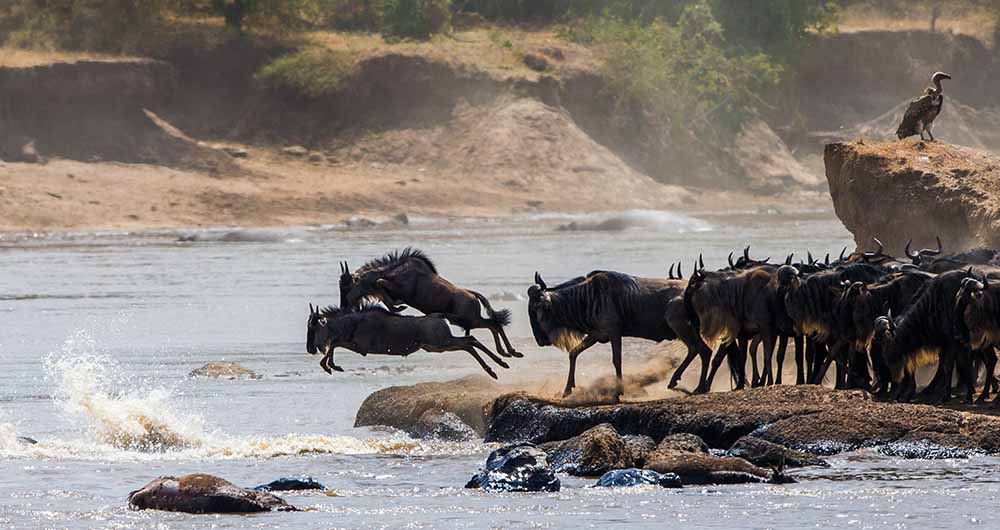
Gradually, the movement gathers momentum and, by the end of May, the wildebeest are starting to mass in the Serengeti’s Western Corridor. They grow in numbers, with huge herds forming along the pools and channels of the Grumeti River, which they have to cross in order to continue on their journey. This may not be as spectacular as the famous Mara crossings, but there are still enough wildebeest to provide the Grumeti crocs with a veritable feast.

By August, the herds have faced the challenge of crossing the Mara River and are spread throughout Kenya’s northern region and the Serengeti. In years when the river is in full flow, the panic and confusion at the crossings – combined with waiting predators and surging currents – can cause massive loss of life. But, even in years of relatively gently flowing water, the crocs take their toll – not to mention the lions and other large predators that patrol the banks, ready to ambush any wildebeest that make it to the other side. There is no single crossing: At some spots, there are just a few individuals, while others see a mass of animals moving without break for hours.

By October, the chaos has ended and the migrating columns begin moving southwards to complete the cycle. After the East African short rains in late October and early November, the wildebeest move down from Kenya and into the eastern limits of the Serengeti. By December, they are spread throughout the southern reaches.

By the early months of the new year, the grasses in the deep south of the Serengeti are lush with rain. This draws the herds – not only of wildebeest, but also hundreds of thousands of zebra and other plains animals. The cycle continues as the calving season starts once more and the herds begin their slow movements northwards.

Mobile Migration Camps

We use mobile camps that move around the Serengeti and Masai Mara through the year to ensure guests are in the best possible position to witness the Great Migration in all its glory. No matter when you decide to go on safari and see the herds, there will always be somewhere for you to stay and experience the best of the Great Migration.