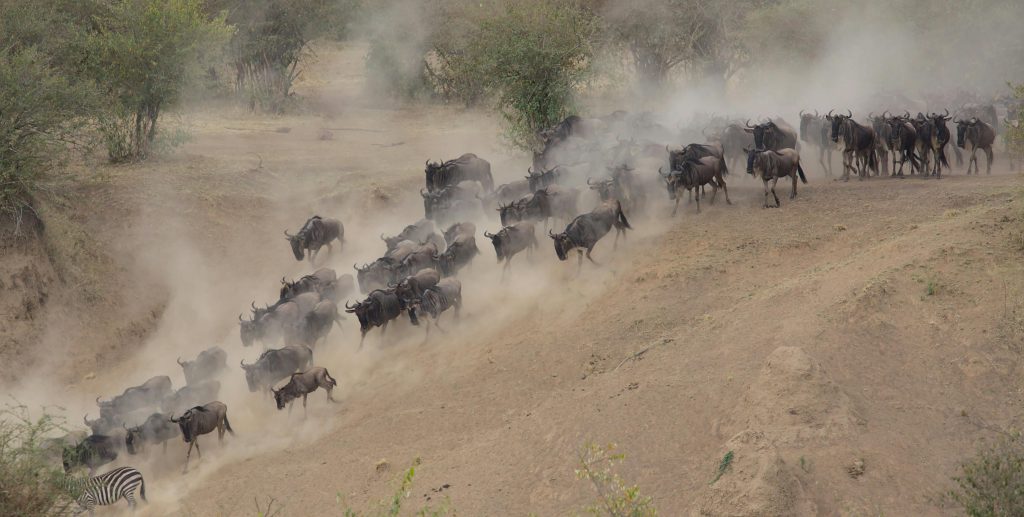
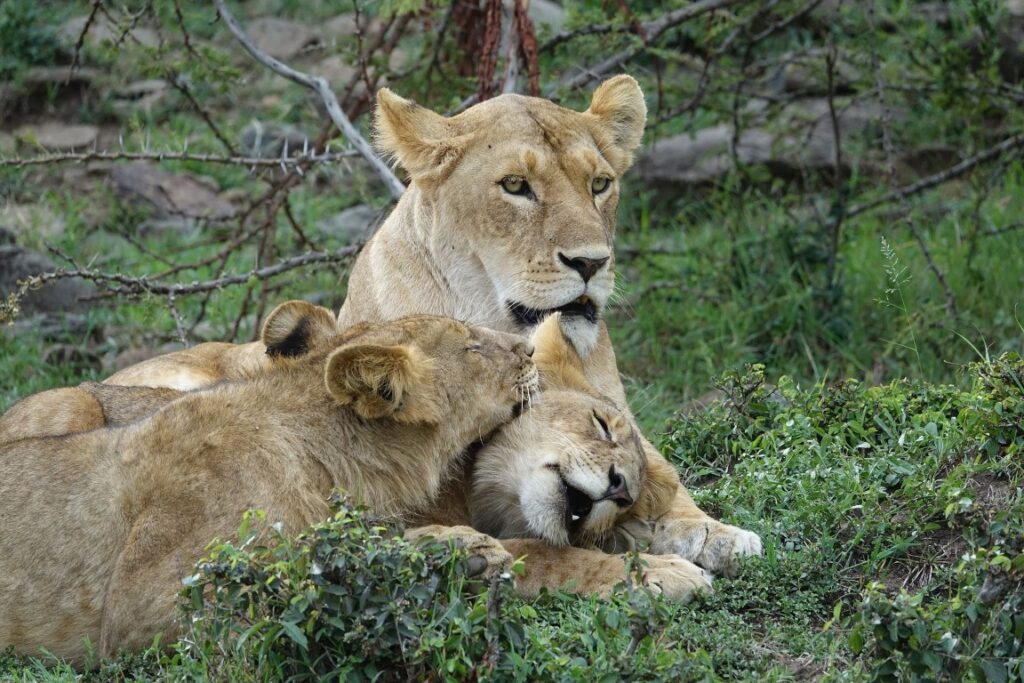
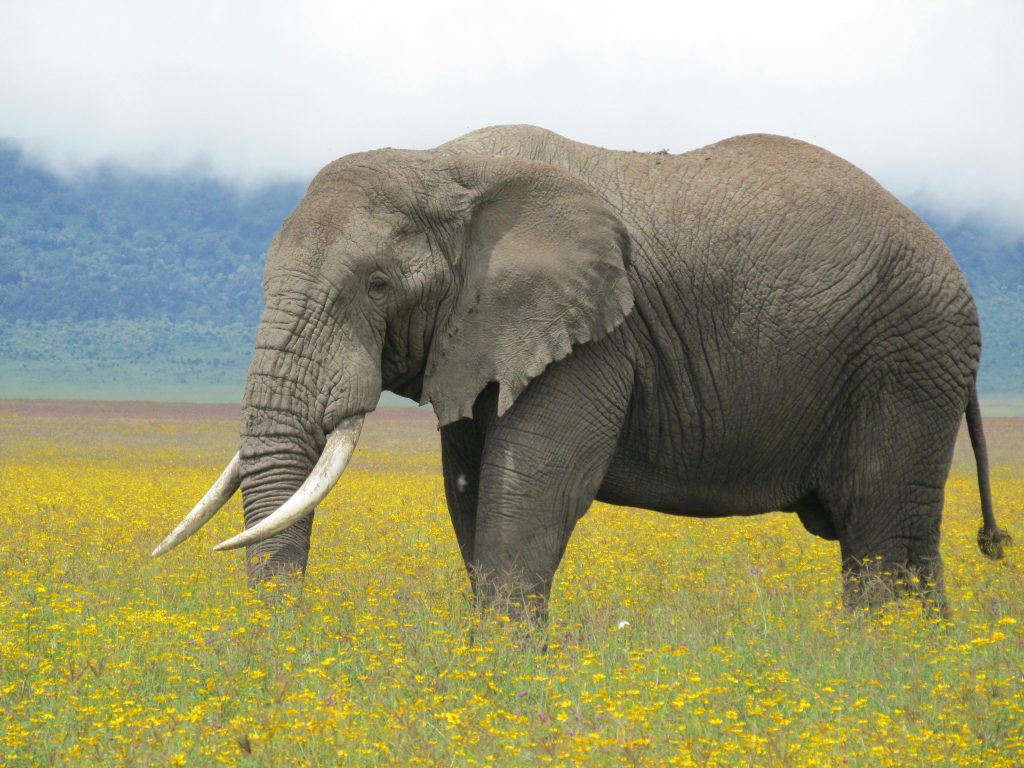
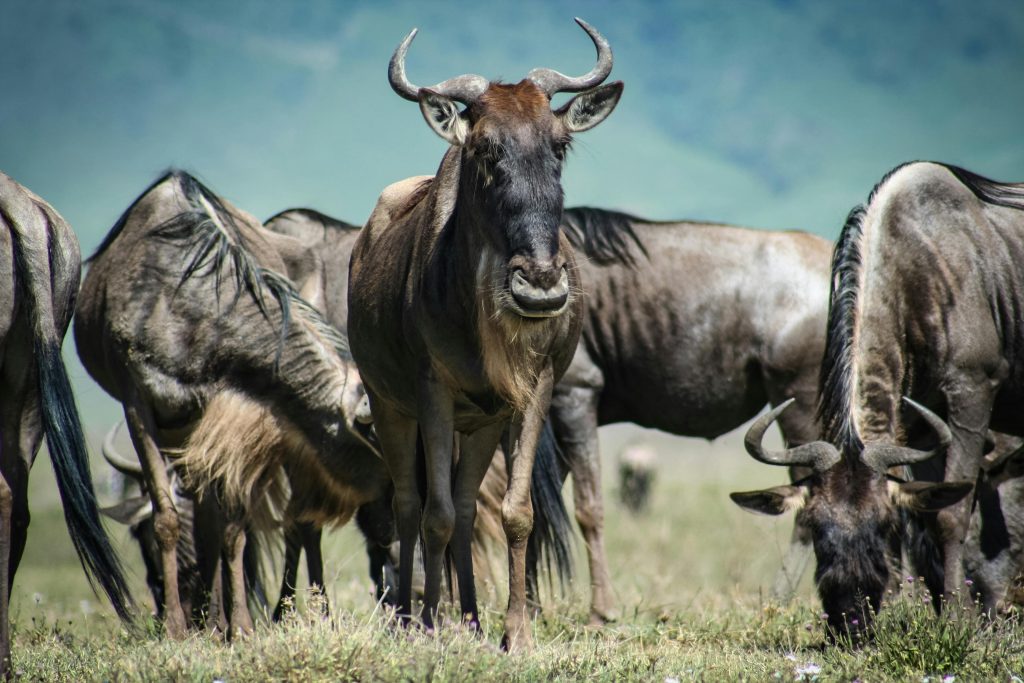
A photography safari in Tanzania is very different from a standard safari. It is not about rushing from one sighting to the next. It is about working with light, timing, wildlife behavior, and patience to create stronger images in the field.
Each day is carefully shaped around the best times for photography — usually early morning and late afternoon, when wildlife is active and the light is soft, warm, and dramatic. The exact rhythm may vary depending on the park, season, and sightings, but most game drives last around 3 to 4 hours at a time, If you are planning a private Tanzania photography safari, here is what a typical day may look like.
Early Morning: The Best Light Begins Before Sunrise
A day on photography safari usually starts early, often around 5:30 am. This is one of the most important parts of the day, as the first light often produces the most beautiful wildlife photography conditions.
It helps to prepare everything the night before — camera batteries charged, lenses ready, memory cards cleared, clothing laid out, and your bag packed. Early mornings move quickly, and being ready makes a big difference.
Guests usually gather in the main lodge area shortly after waking, where tea, coffee, and light snacks are served before departure. Then it is time to head into the bush.
Morning game drives are often focused on:
- predator activity before the heat rises
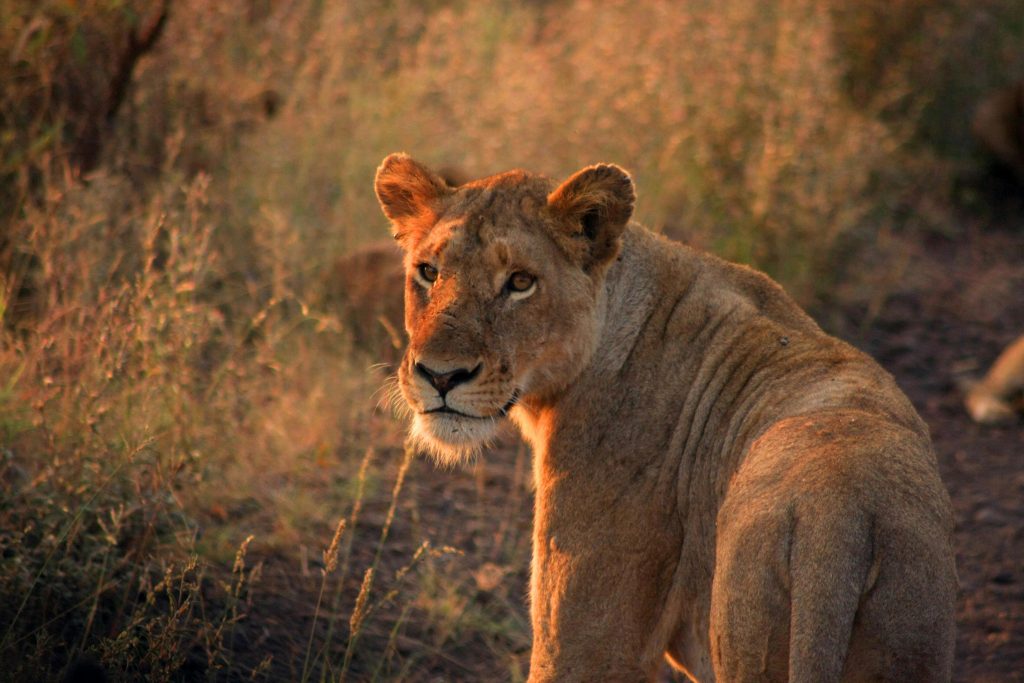
- soft golden light
- atmospheric landscapes
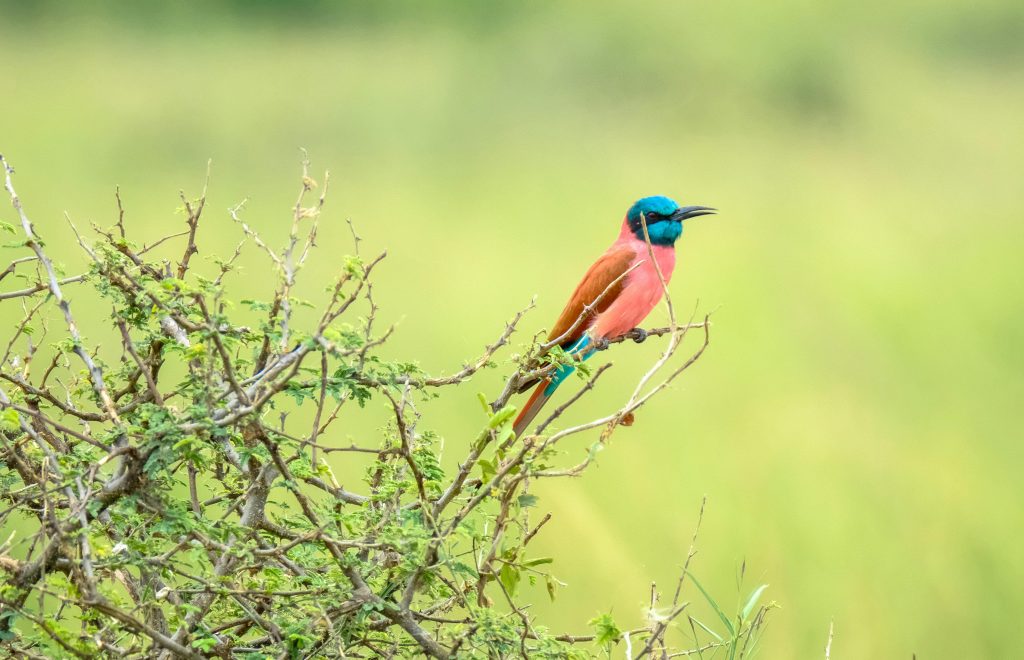
- birds and wildlife at their most active
- cleaner, calmer photographic conditions
After around three hours in the field, you typically return to camp or lodge for a proper breakfast.
Midday: Rest, Review, and Reset
The middle of the day is usually quieter in terms of photography. The light becomes harsh, temperatures rise, and many animals rest in the shade. This is why midday is often the perfect time to slow down.
Depending on the lodge and itinerary, this part of the day can be used for:
- reviewing and editing your images
- cleaning lenses and preparing gear
- recharging batteries and devices
- resting between drives
- enjoying lunch at camp
- taking in the surroundings at a slower pace
Some lodges also offer optional activities such as a guided walking safari with a ranger. These walks can give you a completely different perspective on the bush, focusing on smaller details such as plants, insects, tracks, and animal spoor. For photographers, this can add depth to the safari experience, especially if you enjoy storytelling and environmental detail.
If your lodge has a spa, pool, or beautiful viewing area, midday is also a great time to relax and recharge before the next session.
Afternoon: Golden Light and Longer Shadows
By mid to late afternoon, the light softens again and it is time to head back into the field. Afternoon game drives often begin around 3:30 pm, depending on the season and location.
This is one of the most rewarding times of day for photography. The light becomes warmer, shadows stretch across the landscape, and animals begin to move again.
Afternoon photography often focuses on:
- warm directional light
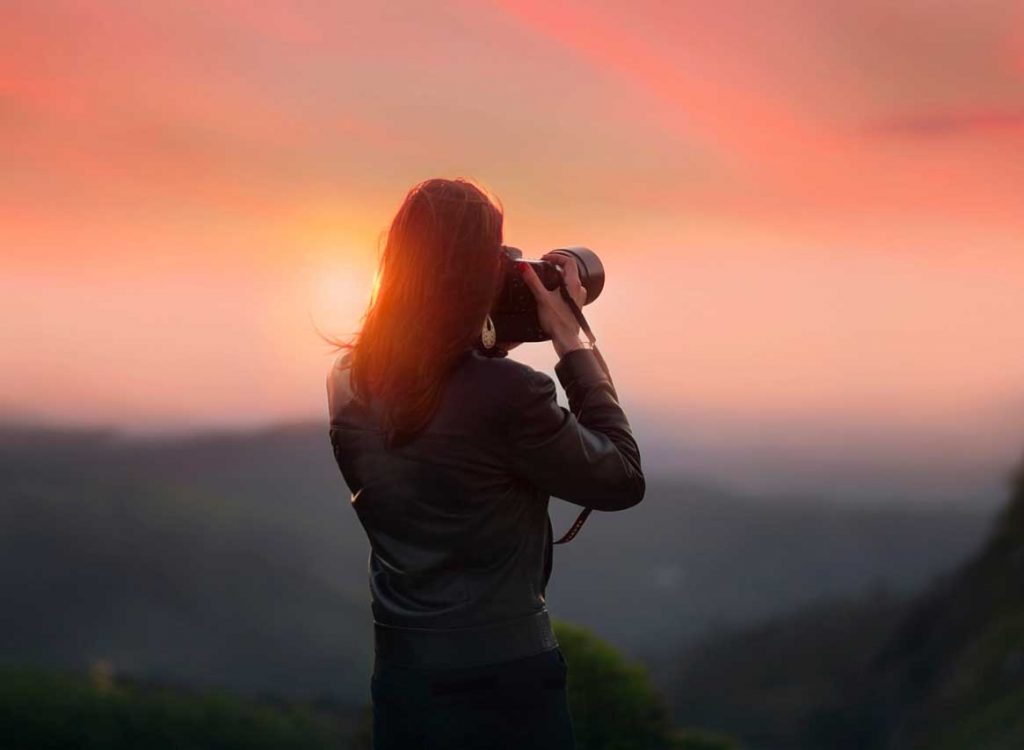
- backlit subjects
- silhouettes
- wildlife in motion
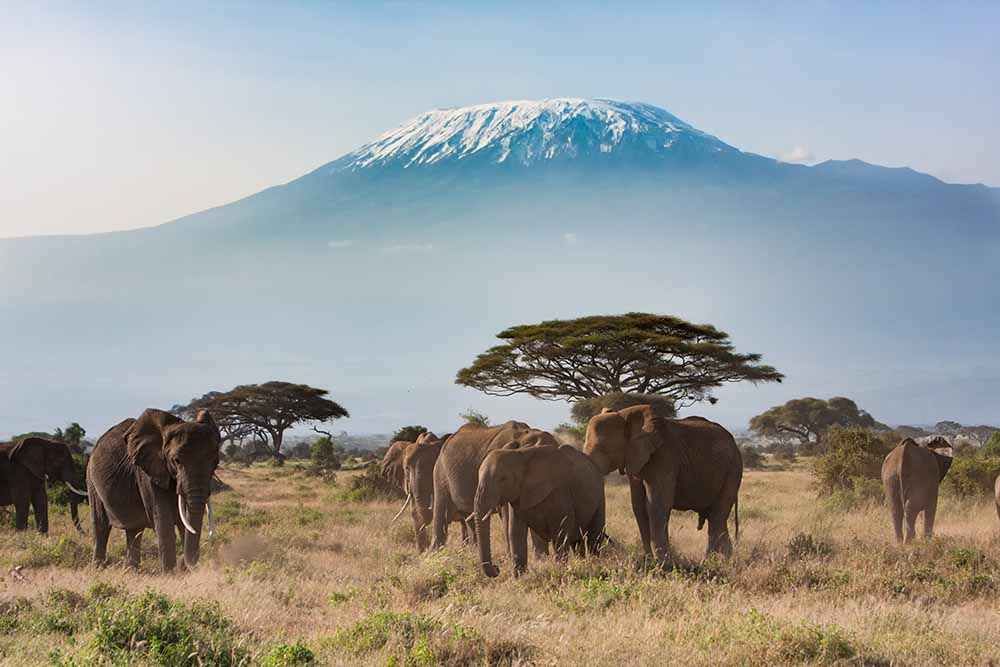
- elephants, giraffes, and plains game in golden grass
- sunset landscapes and storytelling scenes
As the sun begins to drop, many safaris pause for a short sundowner break. There is something unforgettable about watching the sun set over the African savannah after a strong afternoon in the field.
In many parks, game drives end at sunset because night drives are not always permitted. If night photography or nocturnal wildlife is important to you, it is worth checking in advance whether your itinerary includes a lodge or conservancy where night drives are allowed.
Evening: Dinner, Campfire, and Preparing for the Next Day
Most guests return to camp around 7:00 pm, depending on park rules and drive timing. There is usually time to freshen up before dinner.
Evenings on safari are often relaxed and memorable. Dinner is followed by quiet conversation, storytelling around the campfire, and discussion of the day’s sightings and images. It is also the right time to prepare for the next morning — charging batteries, backing up files, checking gear, and getting a little rest before the next early start, Photography safari days can be full, but they are also deeply rewarding. The rhythm becomes part of the experience.