
Skip to content

10-Day Cultural Documentary Photography Safari in Tanzania

Photography Journey Through Tanzania’s Living Cultures, Landscapes, and Stories

This cultural documentary photography journey designed for travelers who want to photograph Tanzania through people, place, craft, movement, color, and lived experience.

Built for photographers, visual storytellers, and travelers who value depth over speed, this safari moves through some of northern Tanzania’s most meaningful cultural landscapes — from the vibrant farming and multi-ethnic life of Mto wa Mbu to the highland atmosphere around Karatu, and into the Lake Eyasi region, where time with the Hadzabe and Datoga communities can create some of the most powerful documentary moments in the country. Mto wa Mbu’s community tourism program presents the village as an “oasis” between Lake Manyara and Ngorongoro, known for its exceptional cultural diversity and village-based experiences.

This itinerary is shaped around respectful access, slower observation, and photographic honesty. It is not about staging culture. It is about being present in the right environments, at the right pace, with enough time to photograph daily life, local food, farming landscapes, craft traditions, walking routes, and the interaction between people and place. Bashay village in Karatu hosts established Iraqw cultural tourism experiences, while Lake Eyasi tourism is widely associated with Hadzabe and Datoga visits.

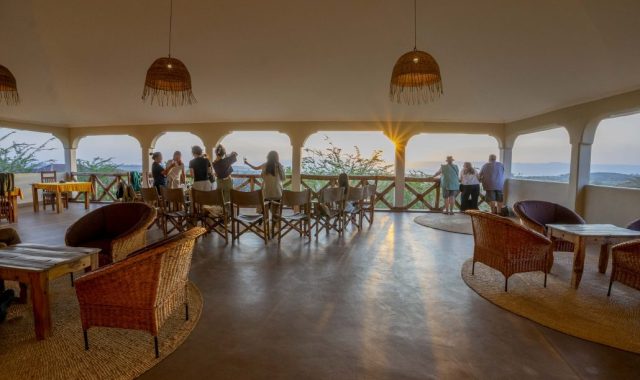
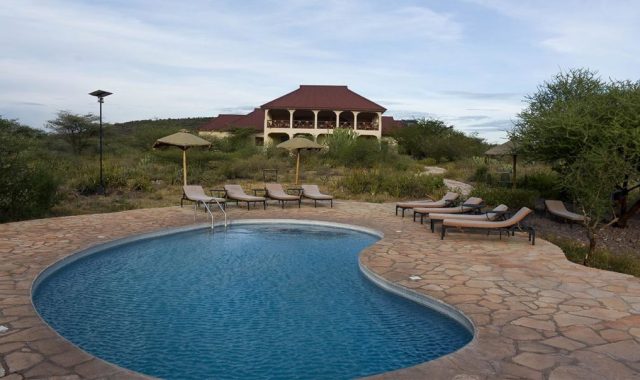
With private guiding, flexible field time, and carefully chosen lodges that support a calm and immersive rhythm, this journey is ideal for photographers who want to create a portfolio with human warmth, texture, atmosphere, and narrative depth, This is Tanzania for photographers who want to tell a fuller story.

Why This Cultural Documentary Photography Safari Is Different

  • Private photography-first pacing for slower, more respectful observation
  • Strong focus on documentary imagery, portrait opportunities, landscapes, markets, craft, and daily life
  • Deep cultural time in Mto wa Mbu, one of Tanzania’s best-known community tourism destinations
  • Cultural time in Karatu / Bashay village, where Iraqw heritage and local craft traditions add more depth
  • Time in the Lake Eyasi region, one of northern Tanzania’s most distinctive cultural landscapes, associated with Hadzabe and Datoga experiences
  • A scenic Lake Manyara photographic interlude between Mto wa Mbu and Karatu, made natural by their close proximity
  • Ideal for photographers, filmmakers, visual storytellers, writers, and culturally curious travelers

Mid Range Safari

This safari is designed around comfort, atmosphere, and access to meaningful cultural landscapes.

What You Can Expect to Photograph

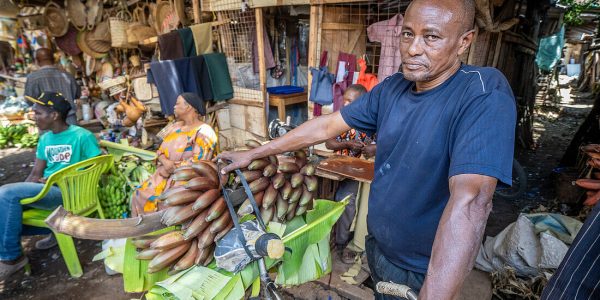
  • village streets, farms, workshops, and produce markets in Mto wa Mbu
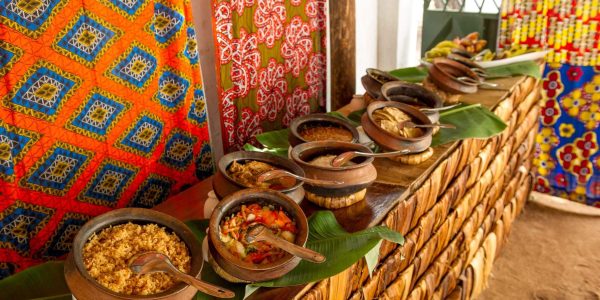
  • local food preparation and shared meals
  • banana plantations, irrigation channels, and everyday agricultural life
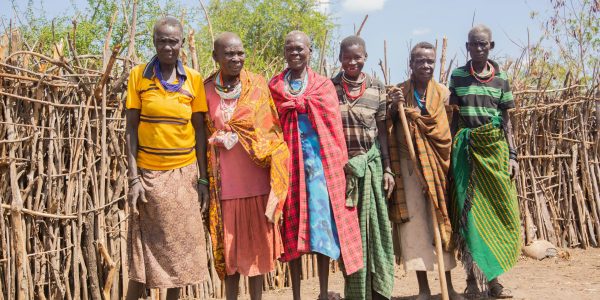
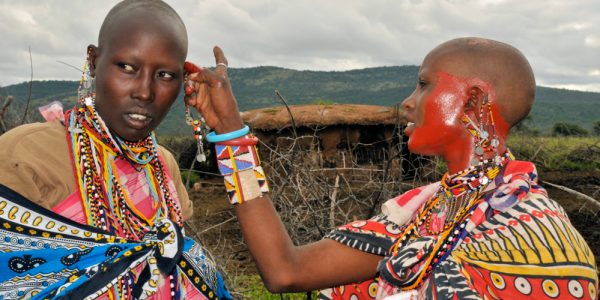
  • portrait opportunities in carefully guided cultural settings
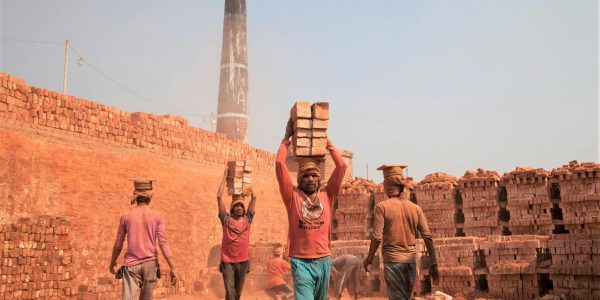
  • weaving, carving, blacksmith work, brick making, and handcrafted textures
  • Great Rift Valley landscapes and rural transition scenes
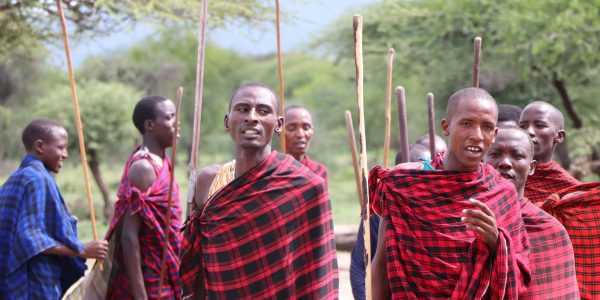
  • Hadzabe and Datoga cultural environments in the Lake Eyasi region
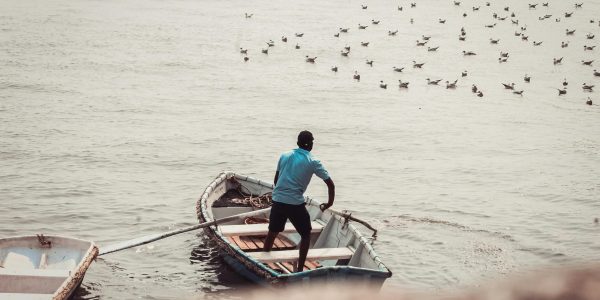
  • the shoreline of Lake Eyasi, where local livelihoods may include fishing activity when lake conditions allow; Lake Eyasi is shallow and seasonal, so fishing activity is not equally available year-round
  • small moments of movement, gesture, color, and human interaction
  • environmental portraits that place people naturally within their surroundings

Recommended dates

This safari can be arranged year-round, but it is best experienced from June to October, when the Lake Eyasi region is drier and easier to explore, and the overall route flows more comfortably for cultural photography.

Start Planning Your Cultural Documentary Photography Safari

If you want a safari built around people, place, atmosphere, and the quieter visual stories of Tanzania, this itinerary is designed for you, From the vibrant community life of Mto wa Mbu to the Iraqw highlands of Karatu and the deeper cultural landscapes of Lake Eyasi, this is a journey for photographers who want to create images with warmth, texture, and narrative depth.

10-Day Cultural Documentary Photography Safari Itinerary

arusha-town

Day 1 – Arrival in Arusha

Arrive at Kilimanjaro International Airport and transfer to your lodge in Arusha.

Your first evening is intentionally calm, giving you time to settle in, rest, and prepare your equipment. This is also the moment to discuss your documentary interests and photographic style — whether your focus is portraiture, craft, daily life, environmental storytelling, or a blend of people and place.

Overnight: Arusha

Show More

Accommodation options

west kilimanjaro 3

Day 2 – Arusha to Mto wa Mbu

After breakfast, depart Arusha and travel toward Mto wa Mbu, a vibrant cultural hub set between Lake Manyara and Ngorongoro. Community tourism sources describe it as a place where many different ethnic groups live side by side and where visitors can experience village walks, farms, markets, and local food in one compact and visually rich environment.

Arrive in time to settle in and begin a gentle first photographic exploration of the area.

Photography focus: village atmosphere, first environmental portraits, produce, color, streetscapes

Overnight: Mto wa Mbu / Lake Manyara area

Show More

Accommodation options

west_kilimanjaro 2

Day 3 – Full Day Mto wa Mbu Cultural Photography

Today is fully dedicated to the visual richness of Mto wa Mbu.

This is one of the best places in northern Tanzania to work with documentary-style images because the village combines cultural diversity, farming, craft, food, and daily movement in a very photographically rewarding way. Public descriptions of the local cultural tourism program specifically include village walks, farm visits, and traditional meals as part of the experience.

A local lunch is built naturally into the day, adding not only hospitality but texture, color, and detail to the photographic story.

Photography focus: local life, farming landscapes, food, textures, portrait opportunities, village storytelling

Overnight: Mto wa Mbu / Lake Manyara area

Accommodation options

west_kilimanjaro

Day 4 – Lake Manyara Photography and Overnight in Karatu

After breakfast, continue into Lake Manyara National Park for a scenic photographic session before heading into the highlands.

This works beautifully because Mto wa Mbu sits right by the Lake Manyara gateway area, making the park a natural continuation of the journey. The landscape here introduces a softer, greener visual mood — forest edge, birds, wetland scenes, and layered escarpment views — which adds welcome environmental contrast to the cultural story of the itinerary. Mto wa Mbu tourism materials explicitly emphasize its location between Lake Manyara and Ngorongoro.

Later in the day, continue to Karatu and settle into your lodge in the cooler highlands.

Photography focus: wetland and forest-edge scenery, birds, softer nature compositions, scenic transition into the highlands

Overnight: Karatu

Show More

Accommodation options

lengai masai top

Day 5 – Karatu, Iraqw Cultural Experience, and Traditional Brick Making

Today is dedicated to Karatu and the surrounding highland communities.

Karatu is strongly associated with Iraqw culture, and Bashay village hosts one of the area’s best-known Iraqw cultural tourism experiences. Sources describing the Bashay / Karatu Iraqw experience note that it was established in Bashay village and is designed to introduce visitors to traditional Iraqw culture. Regional tourism materials also reference village experiences and traditional brick making as part of Karatu’s local life.

This day adds real value because it broadens the human story beyond Mto wa Mbu and begins transitioning the journey toward the more remote cultural atmosphere of Lake Eyasi.

Photography focus: Iraqw portraiture, village life, architecture, brick making, handwork, highland atmosphere

Overnight: Karatu

Show More

Accommodation options

Lake Eyasi Region – 3 Nights

Mto Wa Mbu

Day 6 – Karatu to Lake Eyasi, Lake Shore Experience, and Environmental Storytelling

After breakfast, continue toward Lake Eyasi, where the landscape opens into a quieter, more elemental part of northern Tanzania.

This day works beautifully as an introduction to the region. Rather than moving immediately into deeper cultural interaction, the focus is on arriving slowly and photographing the wider setting — the shoreline, the light, the surrounding environment, and the daily rhythm of life around the lake.

When conditions allow, this first session may also include time near the shore of Lake Eyasi, where guests can observe and interact with local fishing communities and other lakeside livelihoods in a natural and respectful way. This is best presented as seasonal and conditions-based, because fishing activity at Lake Eyasi depends on water levels and is not equally available year-round. Even when fishing activity is limited, the lake shore still offers atmosphere, birds, reflections, texture, and a strong sense of place.

Photography focus: transitional landscapes, lake-shore atmosphere, seasonal livelihoods, reflections, rural mood, wider environmental storytelling

Overnight: Lake Eyasi are

Accommodation options

Ngorongoro 2a

Day 7 – Full Day Hadzabe Documentary Photography

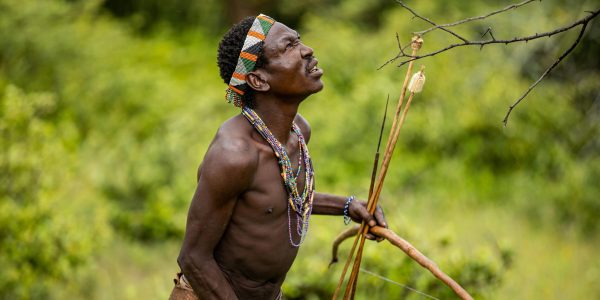
Today is fully dedicated to a carefully guided experience in the Lake Eyasi region, where time with the Hadzabe can create some of the most visually powerful and humanly significant moments of the journey.

The value of this day lies in sensitivity and pacing. It is not about rushing through an encounter. It is about observing respectfully, photographing with awareness, and allowing space for real documentary moments to emerge. Recent travel material on Lake Eyasi notes that overnight stays are preferable because day trips can feel rushed.

Photography focus: environmental portraiture, gesture, movement, human connection, story and place

Overnight: Lake Eyasi area

Accommodation options

hadzabe (2)

Day 8 – Second Full Hadzabe Day

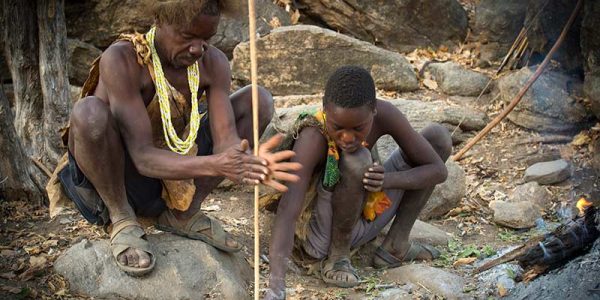
A second full day gives the journey something many cultural trips lack: depth.

With more time, photographers can work with greater patience and familiarity, often leading to more meaningful images and a stronger documentary rhythm. This day allows for more intentional portraiture, quieter storytelling, and a fuller visual understanding of the Lake Eyasi cultural landscape.

Photography focus: deeper portrait work, repeated observation, daily rhythm, stronger visual storytelling

Overnight: Lake Eyasi area

Show More

Accommodation options

hadzabe 1 (2)

Day 9 – Datoga Cultural Experience and Return to Arusha or Extension

Today complements the previous days with a visit centered on the Datoga community, bringing a different visual language to the journey — craft, homes, texture, blacksmith work, and the practical details of daily life.

This creates a richer contrast within the portfolio and helps complete the cultural story of the Lake Eyasi region. Lake Eyasi travel sources commonly present Hadzabe and Datoga visits together as a paired cultural experience.

After the visit, begin the return to Arusha, or continue with an optional extension to Ngorongoro Crater and Serengeti National Park for guests who want to combine cultural documentary photography with Tanzania’s iconic wildlife landscapes.

Photography focus: craft, blacksmith detail, portraiture, texture, domestic life, social context

Overnight: Arusha or optional wildlife extension

Accommodation options

man1

Day 10 – Departure

After breakfast, transfer to the airport for your onward flight.

Leave with more than a collection of images — leave with a visual story shaped by people, place, culture, landscape, and the quieter layers of Tanzania.

Show More

Inclusions

  • Private vehicle and guide
  • Accommodation as per itinerary
  • Meals as specified in the itinerary
  • All park & concession fees
  • Local cultural guiding and arranged experiences
  • Bottled drinking water during the journey
  • Photography-focused pacing and field time
  • Airport transfers

Exclusions

  • International flights
  • Visa fees
  • Travel insurance
  • Tips and gratuities
  • Personal expenses
  • Alcoholic and soft drinks unless specified
  • Optional specialist documentary coaching
×

    ENQUIRE ABOUT 5 DAYS MARANGU ROUTE