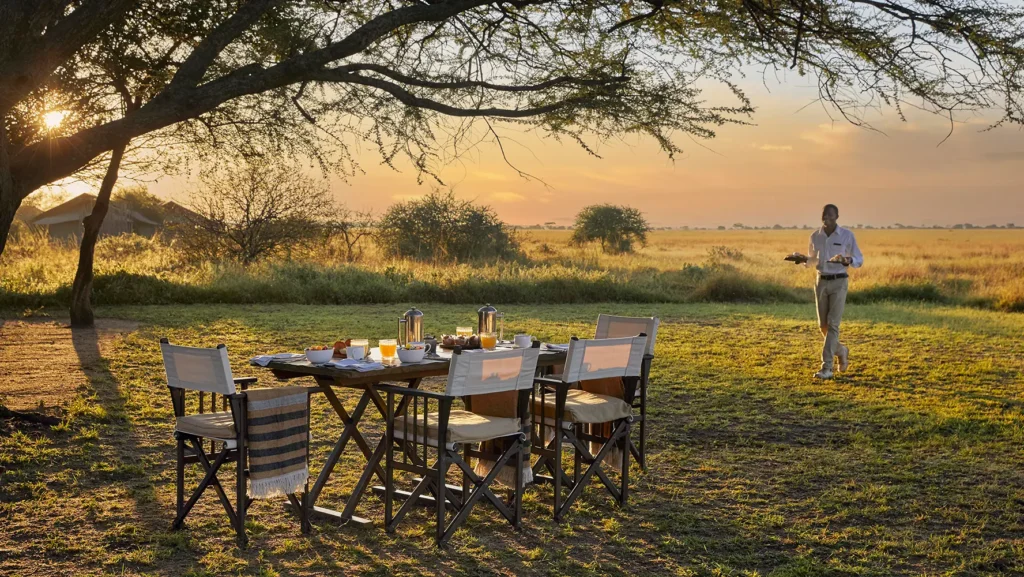
10-Day Tanzania Bird & Macro Photography Safari
Private Photography Safari for Birdlife and the Smaller Wonders of the Wild
Step into a quieter, more intimate side of Tanzania on this private Bird & Macro Photography Safari, thoughtfully designed for travelers who are drawn not only to wildlife, but to the finer, more delicate beauty of the natural world.
This is not a conventional safari built around speed or big-game checklists. It is a slow, carefully curated photographic journey for those who notice color, pattern, texture, light, and the smaller moments that often become the most unforgettable images. From waterbirds drifting across reflective lakes to bee-eaters glowing in morning light, from intricate bark textures and forest detail to elegant wetland scenes and subtle natural compositions, this safari invites you to photograph Tanzania with greater patience and depth.
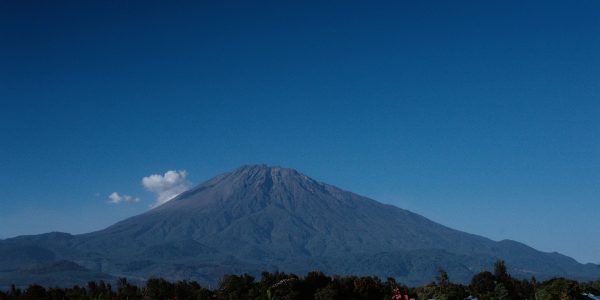
The itinerary unfolds through some of northern Tanzania’s richest and most varied habitats. In Arusha National Park, the Momella Lakes, forest, and open landscapes create an exceptional introduction to birdlife and detail photography. In Tarangire, dry-country species, raptors, baobab silhouettes, and warm golden tones bring a more dramatic and sculptural feel. Around Lake Manyara, the rhythm softens again into greener, richer habitats filled with waterbirds, forest-edge species, and layered photographic opportunities, while a full-day safari in Ngorongoro Crater adds a striking scenic contrast and broadens the visual story of the journey.
What makes this safari especially rewarding is its pace. With two nights in the Arusha National Park area, three nights in Tarangire, and four nights in the Lake Manyara and Karatu region, you are given the time to move beyond quick sightings and work more intentionally with habitat, light, and behavior. Walking experiences where available, the forest canopy perspective at Lake Manyara, and quieter moments between game drives all contribute to a safari that feels more immersive, more elegant, and more creatively fulfilling.
With a private vehicle, photography-aware guiding, and carefully chosen accommodation in scenic and well-positioned locations, this journey is designed for photographers who understand that some of the strongest safari images come not from the obvious, but from the overlooked.
Why This Safari Feels Different
- A beautifully paced route through northern Tanzania’s richest birding and fine-detail habitats
- Private guiding and flexible field time for more thoughtful photography
- A refined balance of birdlife, macro-style detail, landscape texture, and quiet wildlife moments
- Walking experiences in selected areas, adding a more immersive natural-history layer
- A stronger focus on light, habitat, composition, and the smaller stories of the wild
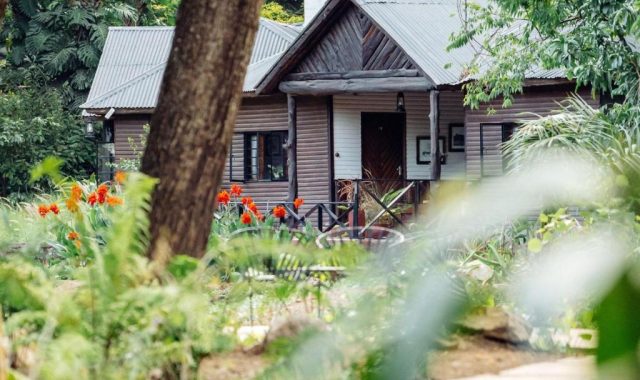
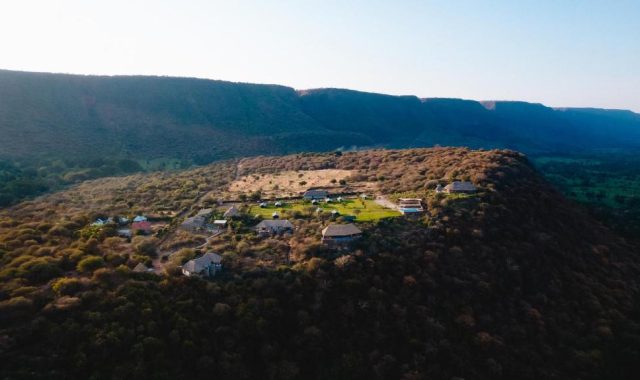
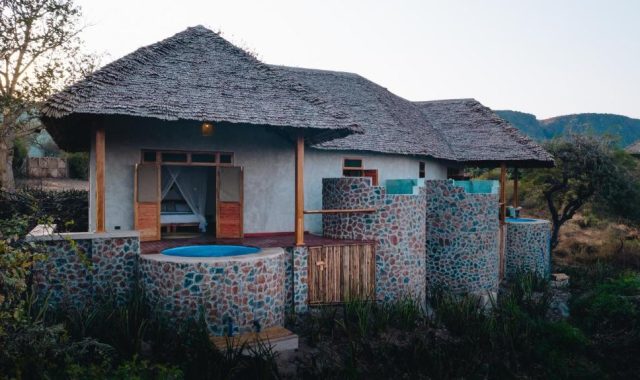
- Carefully selected lodges and camps chosen for comfort, atmosphere, and habitat access
Who This Safari Is Best For
- bird photographers
- macro and detail-oriented photographers
- natural history lovers
- couples seeking a quieter and more elegant safari
- visual storytellers who want more than big game
- travelers building a broader, more varied wildlife portfolio
What You’ll Capture
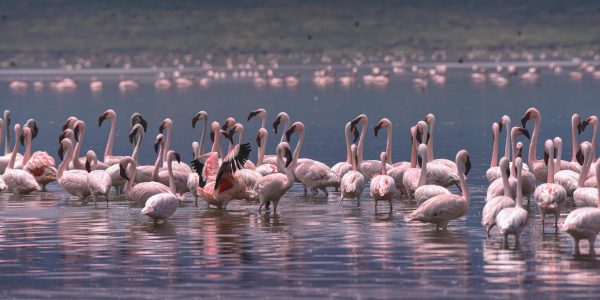
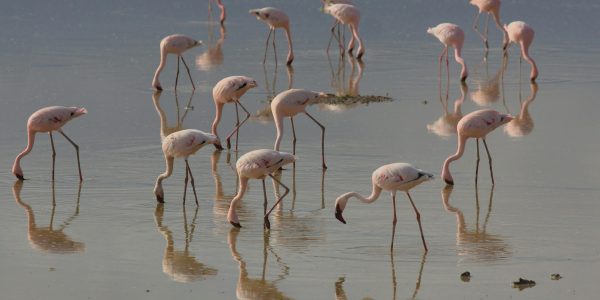
- flamingos, pelicans, grebes, herons, ducks, and waders in reflective lake environments
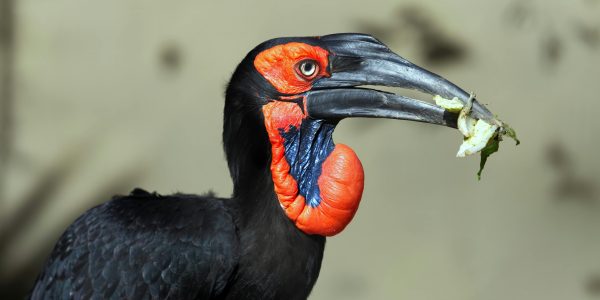
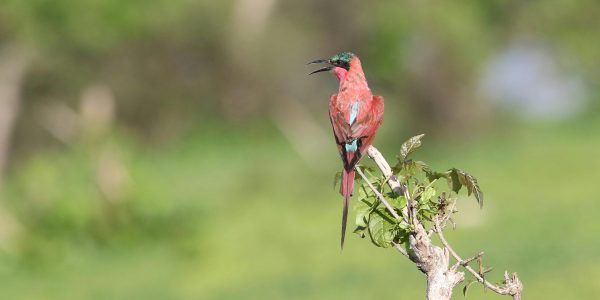
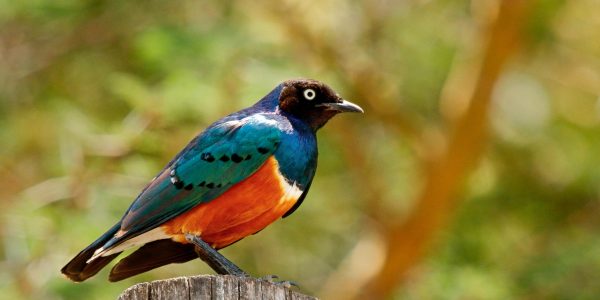
- bee-eaters, rollers, hornbills, kingfishers, weavers, and dry-country species in beautiful natural light
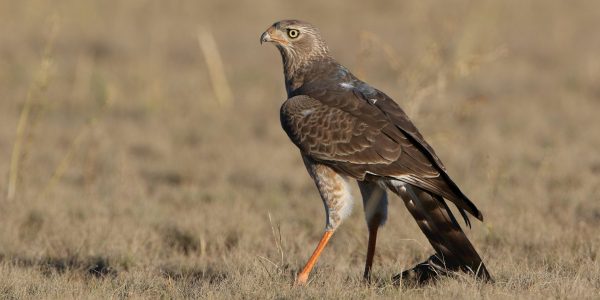
- raptors and scavengers in open woodland and savannah settings
- insects, feathers, bark, spoor, webs, flora, and natural textures
- atmospheric forest-edge and wetland scenes
- environmental bird portraits that connect species to habitat
- the quieter, more elegant details that give a safari portfolio more depth and originality

Best Time for Bird Photography in Tanzania
This safari is best experienced from November to April, when northern Tanzania’s birdlife is at its most rewarding, with migratory species present and many resident birds in breeding plumage.
10-Day Bird & Macro Photography Safari Itinerary
Day 1 – Arrival in Arusha
- Arusha, Tanzania
Your journey begins with a warm welcome on arrival at Kilimanjaro International Airport, followed by a private transfer to your lodge in Arusha.
The first evening is intentionally unhurried. It offers time to settle in, rest after travel, and begin preparing for the days ahead. Over dinner or a quiet evening briefing, you can discuss your photographic interests and goals — whether that means waterbirds, colorful savannah species, texture and detail, macro-style subjects, or a more balanced natural history portfolio.
Overnight: Arusha / Arusha National Park area
Accommodation options
- Meal plan: Breakfast, Lunch, Dinner
Day 2 – Arusha National Park and the Momella Lakes
- Arusha National Park
After breakfast, begin the safari in one of northern Tanzania’s most graceful and underrated birding landscapes: Arusha National Park.
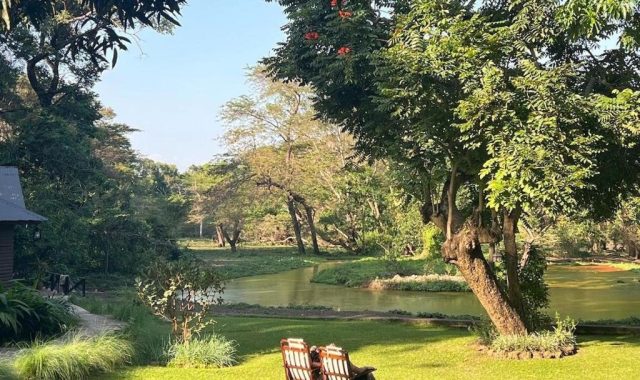
This park offers an elegant introduction to the safari because of its variety. In a single day, you can move between forest, grassland, crater scenery, and the shimmering Momella Lakes, where birdlife and reflection often combine beautifully for photography. The atmosphere here feels lighter and softer than in the larger parks, which makes it an ideal place to begin looking more carefully.
The Momella Lakes are especially rewarding for waterbirds, and the broader setting allows you to begin building a portfolio based on habitat, mood, and gentler wildlife encounters rather than speed.
Photography focus: waterbirds, lake reflections, forest-edge scenes, soft habitat compositions
Overnight: Arusha / Arusha National Park area
Accommodation options
- Meal plan: Breakfast, Lunch, Dinner
Day 3 – Walking Experience and Fine Detail in Arusha National Park
- Arusha National Park
Today adds a more immersive layer to the safari, with a guided walking experience in the Arusha National Park area where operationally arranged.
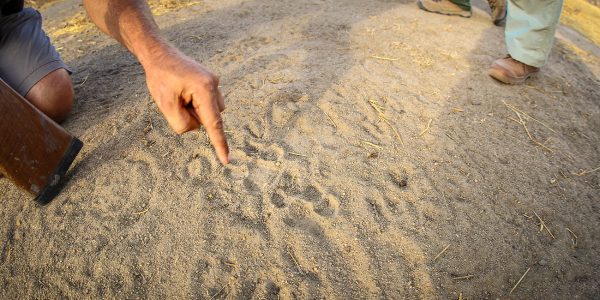
Walking changes the rhythm completely. It encourages a different kind of seeing — slower, closer, and more attentive. Rather than focusing only on birds at distance, you begin to notice spoor, leaves, bark, insects, webs, textures, patterns, and the many visual details that are often missed from a vehicle.
The rest of the day remains flexible for further bird photography and habitat work, allowing you to stay with what feels visually richest rather than rushing onward.
Photography focus: walking observation, macro-style detail, habitat texture, smaller wildlife moments
Overnight: Arusha / Arusha National Park area
Accommodation options
- Meal plan: Breakfast, Lunch, Dinner
Day 4 – Arusha to Tarangire National Park
- Tarangire National Park
After breakfast, depart for Tarangire National Park, where the visual atmosphere changes immediately.
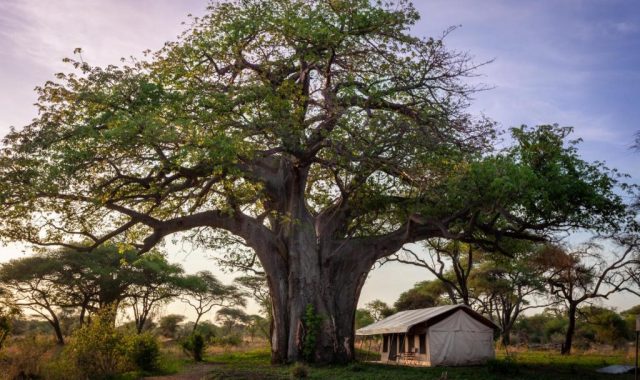
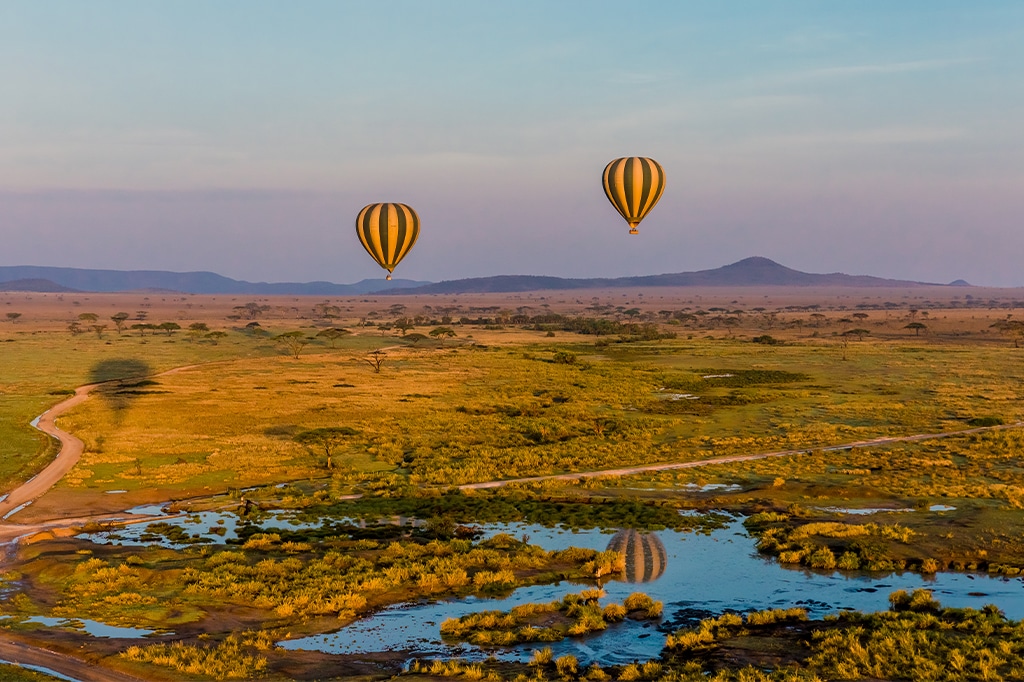
Tarangire is warmer, drier, and more sculptural. The park’s famous baobabs, open woodland, river habitats, and long grass create a beautifully textured environment for bird photography. It is one of the finest places in northern Tanzania for photographers who want strong dry-country species, raptors, and elegant environmental portraits with a more dramatic visual tone.
Your first afternoon in Tarangire is about transition — from softer greens into ochre, dust, acacia, and golden light.
Photography focus: dry-country birds, raptors, acacia habitat, first warm-toned environmental compositions
Overnight: Tarangire lodge or camp
Accommodation options
- Meal plan: Breakfast, Lunch, Dinner
Day 5 – Full Day in Tarangire
- Tarangire National Park
Spend a full day in Tarangire, allowing time for the kind of slower, more rewarding field work that this safari is built around.
Rather than chasing too many subjects, the emphasis is on stronger angles, cleaner backgrounds, and the detail that brings photographs to life. Tarangire is especially rewarding for perched birds, open woodland species, and more sculptural compositions that combine feather, branch, bark, and light.
The pace of the day allows you to work more deliberately and begin building a more cohesive visual story.
Photography focus: raptors, hornbills, bee-eaters, rollers, nest detail, woodland texture, more refined compositions
Overnight: Tarangire lodge or camp
Accommodation options
- Meal plan: Breakfast, Lunch, Dinner
Day 6 – Tarangire Walking Safari and Golden-Hour Photography
- Tarangire National Park
Today brings another deeper layer to the experience with a guided walking safari where operationally available.
A walking session in Tarangire offers a different way of reading the landscape — not from the vehicle, but from within the habitat itself. It allows more attention to natural detail, spoor, plant life, smaller textures, and the quiet elements that make a natural history portfolio feel complete.
Morning and late afternoon remain the most rewarding times for bird photography, so the day is shaped around those softer windows of light.
Photography focus: spoor, insects, bark, dry-country textures, golden-hour bird portraits, slower natural history photography
Overnight: Tarangire lodge or camp
Accommodation options
- Meal plan: Breakfast, Lunch, Dinner
Day 7 – Tarangire to Lake Manyara via Mto wa Mbu
- Lake Manyara National Park
After breakfast, depart Tarangire and continue toward Lake Manyara, one of northern Tanzania’s classic bird photography destinations and a beautiful contrast to the warmer, drier landscapes of Tarangire.
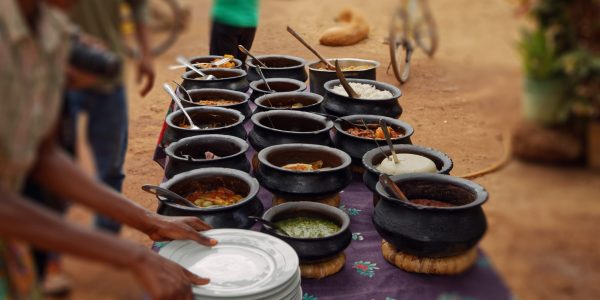
Along the way, stop in Mto wa Mbu for a freshly prepared local lunch and a short exploration of this vibrant village, known for its cultural diversity, color, and everyday life. This pause adds a welcome human dimension to the journey and offers opportunities to photograph texture, produce, crafts, streetscapes, and the quieter visual details of local life.
In the afternoon, continue toward the Lake Manyara / Karatu area, where the mood of the safari shifts again. Where Tarangire feels dry and sculptural, Lake Manyara feels lush, layered, and reflective. Wetland edges, groundwater forest, and greener surroundings make this stage of the safari especially rewarding for photographers who enjoy softness, color, and habitat-rich composition.
Your first session here begins introducing the visual richness of the park and the broader Lake Manyara region.
Photography focus: local color and texture in Mto wa Mbu, waterbirds, greener habitats, wetland mood, layered forest-edge scenes
Overnight: Lake Manyara / Karatu area
Accommodation options
- Meal plan: Breakfast, Lunch, Dinner
Day 8 – Full Day Lake Manyara Bird Photography
- Lake Manyara National Park
Today is dedicated to the varied birdlife and elegant scenery of Lake Manyara National Park.
This is one of the most rewarding places in the northern circuit for balancing waterbirds, colorful smaller species, and atmospheric settings. Reflections, forest edges, and wetland life all add softness and variety to the portfolio, while the park’s more intimate visual scale often works beautifully for detailed observation.
It is a day that rewards patience and a strong eye for subtlety.
Photography focus: flamingos, pelicans, woodland birds, layered reflections, breeding plumage, rich green surroundings
Overnight: Lake Manyara / Karatu area
Accommodation options
- Meal plan: Breakfast, Lunch, Dinner
Day 9 – Ngorongoro Crater Full-Day Safari
- Ngorongoro Crater
Today adds a completely different visual dimension to the safari with a full-day safari in Ngorongoro Crater.
While the main focus of this itinerary is birdlife and smaller photographic subjects, Ngorongoro brings dramatic geology, sweeping scenery, and varied wildlife into the portfolio. The crater offers a powerful contrast to the quieter rhythm of the rest of the journey and helps round out the visual story with larger landscape-scale imagery.
This is also the day where the safari becomes broader — not only about detail, but about place.
Photography focus: crater scenery, broader wildlife portraits, layered landscape compositions, visual contrast within the portfolio
Overnight: Lake Manyara / Karatu area
Accommodation options
- Meal plan: Breakfast, Lunch, Dinner
Day 10 – Lake Manyara Canopy Experience and Departure
- Lake Manyara National Park
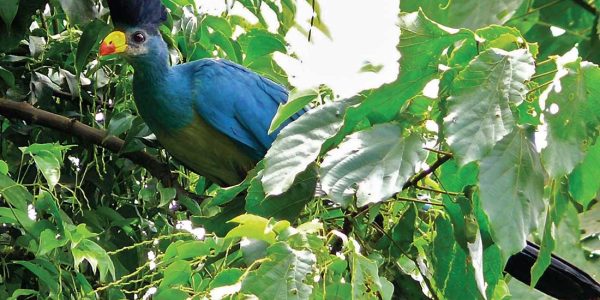
On your final day, enjoy a softer and more reflective finish with Lake Manyara’s canopy walkway, where included and operational.
Seen from above the forest floor, the landscape takes on a different feeling again — more intimate, more textured, and beautifully suited to a journey that has always been about seeing beyond the obvious. It is a fitting final note for a safari built around careful observation and visual depth.
Afterward, transfer back toward Arusha for your onward flight or optional overnight extension.
Photography focus: forest texture, canopy perspective, final quiet studies, gentle closing images
- Meal plan: Breakfast, Lunch
Inclusions
- Airport transfers
- Private 4×4 safari vehicle with pop-up roof
- Professional English-speaking safari guide
- All park and conservation fees
- Accommodation as per itinerary
- Meals as specified in the itinerary
- Bottled drinking water during safari
- Photography-focused game drives and field sessions
- Guided walking experiences where included and operationally available
- Lake Manyara canopy experience
Exclusions
- International flights
- Visa fees
- Travel insurance
- Tips and gratuities
- Personal expenses
- Alcoholic and soft drinks unless specified