A Month-by-Month Guide to Photographing the Great Migration
The Great Migration is one of the most extraordinary wildlife spectacles on Earth, but for photographers, it is much more than a single event. It is a moving story that changes throughout the year — from newborn calves on the southern plains to vast columns of wildebeest stretching across the Serengeti, to the drama of river crossings in the north. Because the herds move with rainfall and grazing, there is no single month that is best for every kind of image. The strongest Great Migration photography safari is the one built around the exact scenes you want to capture.
For some photographers, the goal is predator action during the calving season. For others, it is the scale and movement of the herds, or the tension and chaos of a river crossing. Tanzania gives you the chance to photograph all of these, but not in the same place at the same time. That is why planning matters so much.
Why the Great Migration Is So Special for Photographers
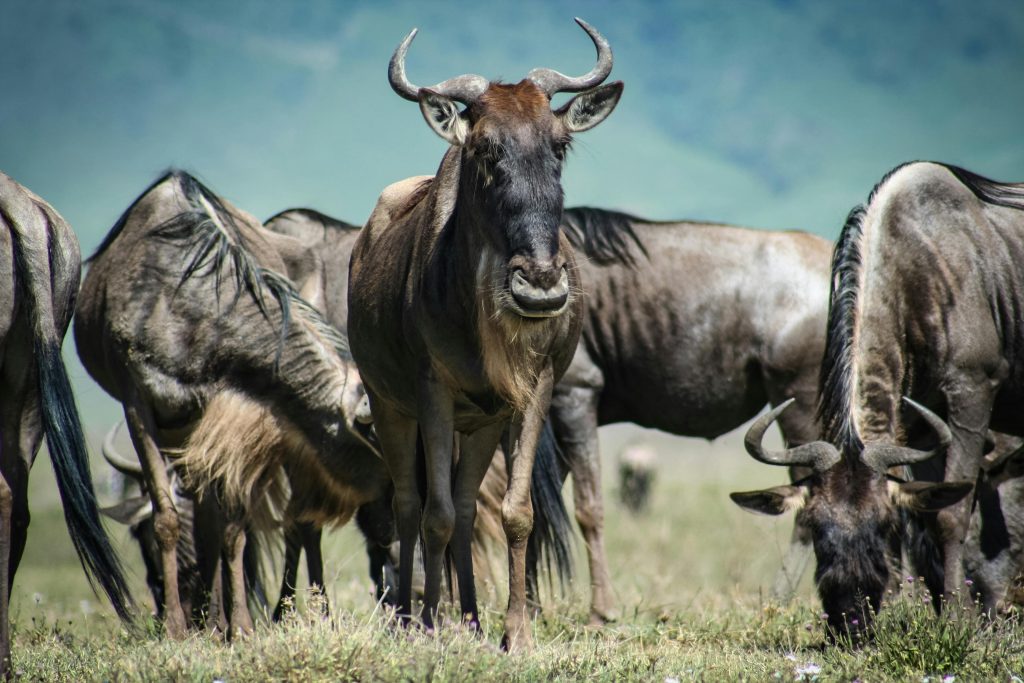
What makes the Great Migration so remarkable is its variety. It is not only about numbers, although the scale is extraordinary. It is also about behavior, seasonality, and atmosphere. Depending on where and when you travel, you may photograph:
- newborn wildebeest on the southern plains
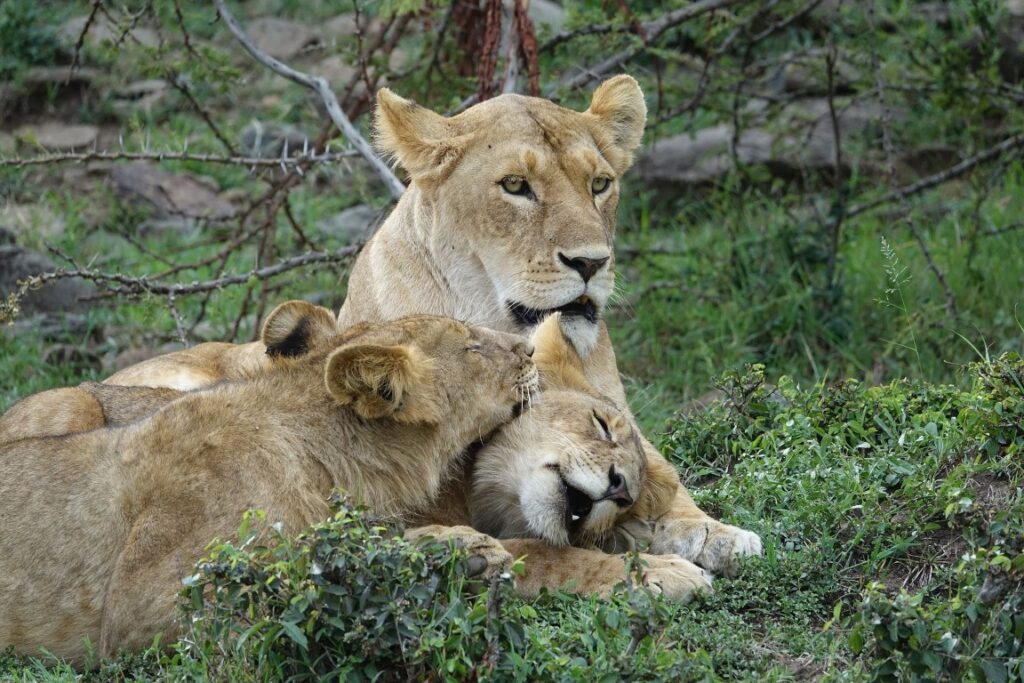
- predators following calving herds
- long columns of animals moving across open savannah
- rutting and territorial behavior
- dust, motion, and layered compositions
- river crossings with crocodiles and confusion at the banks
For photographers, this means the Great Migration is not one safari — it is several different photographic experiences within one annual cycle.
Understanding the Migration: Month by Month
January to March: Southern Serengeti and Ndutu Calving Season
This is one of the most powerful times of year for wildlife photography in Tanzania. The herds gather on the short-grass plains of the southern Serengeti and Ndutu, where nutritious grazing supports the calving season. January is already strong, and February is often considered one of the peak months for births. This period is especially rewarding for photographers interested in newborns, mothers and calves, predator-prey interaction, and emotionally rich storytelling images.
Photographically, this season offers:
- young animals and family interaction
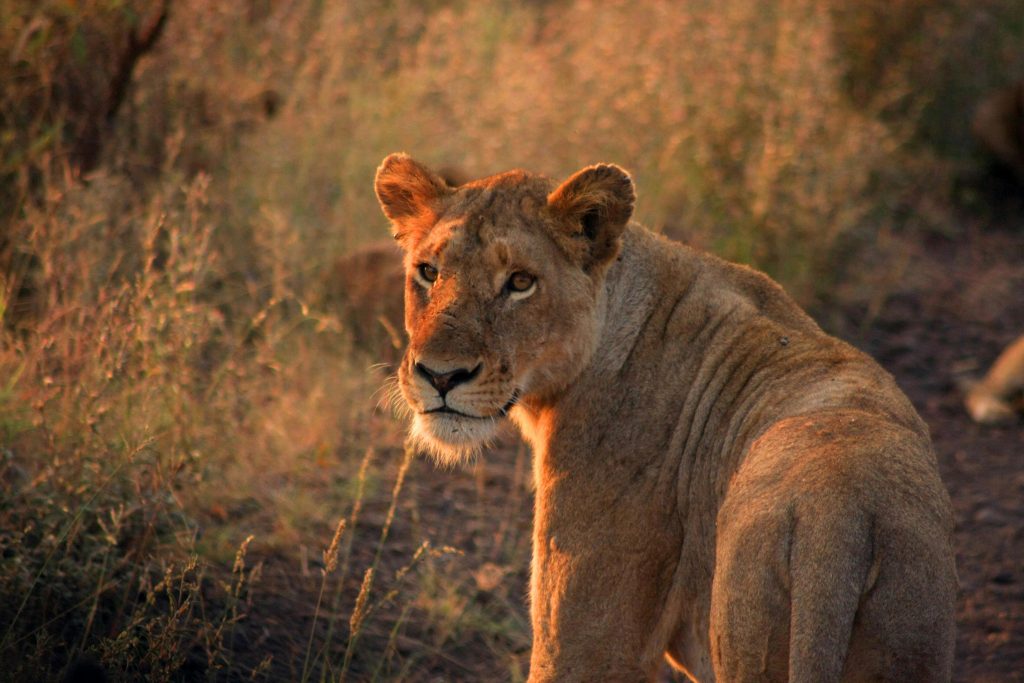
- active predators such as lions, cheetahs, and hyenas
- green landscapes and fresh seasonal light
- more narrative, intimate wildlife scenes
April to June: Herd Movement and Transition
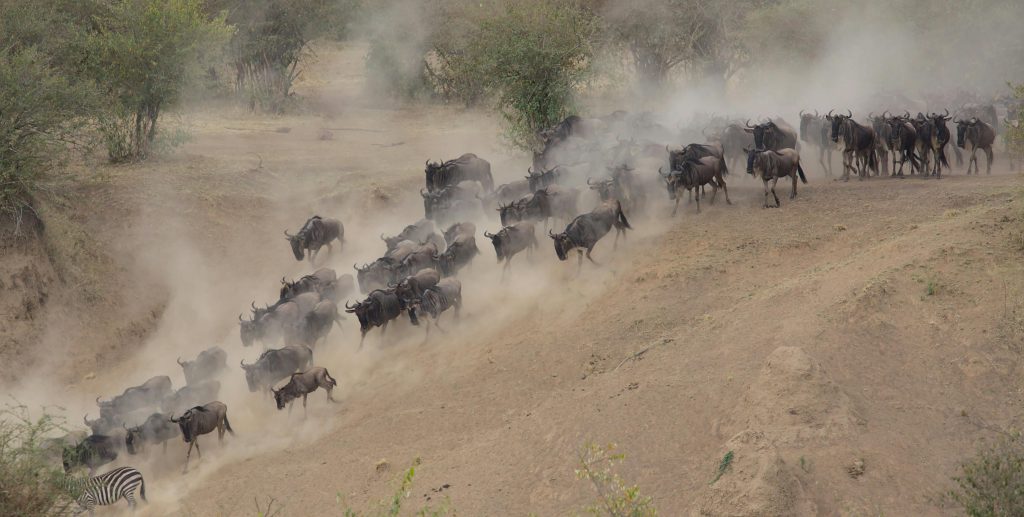
As the rains shift, the herds begin moving west and north through the Serengeti ecosystem. This is a transitional period and can be excellent for photographers who enjoy movement, dust, changing landscapes, and fewer crowds in some areas. Early June is also noted as a strong shoulder period for Grumeti and western corridor experiences.
This phase works well for:
- wide-angle migration scenes
- movement across open country
- dust and backlit photography
- more atmospheric and less crowded experiences in the right weeks
June to July: Western Corridor and Grumeti Region
June and July are often highlighted as one of the best times to see the migration in the western corridor. This is a strong period for herd movement and for photographers who want migration scenes before the peak northern crowds arrive. Safari sources consistently point to June and July as the key time for the western Serengeti experience.
August to October: Northern Serengeti and River Crossings
For many travelers, this is the classic Great Migration dream. August and September are especially known for the northern Serengeti and Mara River crossing season, with continued possibilities into October depending on rainfall and herd movement. These crossings are dramatic and unpredictable, which is exactly what makes them so compelling — and so difficult — to photograph.
This is the best period if your photographic goal is:
- river crossing drama
- herd pressure at the riverbanks
- crocodile danger and panic scenes
- iconic migration imagery in dry-season light
November to December: The Shift South Begins Again
As the cycle continues, the herds begin shifting back toward the southern plains, depending on rain and grazing conditions. This is often a quieter, more transitional period, but it can be very rewarding for photographers who want lower crowd levels, changing weather, and the start of a new seasonal story.
What Kind of Great Migration Images Do You Want?
One of the biggest planning mistakes is choosing a migration safari without deciding what kind of images you actually want. Different seasons produce very different portfolios.
If you want calving and predator action
Choose January to March, especially Ndutu and southern Serengeti. This is best for photographers who want emotion, predator pressure, mothers with calves, and storytelling.
If you want scale and movement
Choose the transitional months through central and western Serengeti, especially April to June and early July. This is strong for herd patterns, motion, dust, and broad landscape compositions.
If you want river crossing drama
Choose August to October in northern Serengeti. This is the most iconic migration period, but also one of the busiest, so planning and camp positioning matter a lot.
Photography Tips for the Great Migration
A successful Great Migration safari is not only about being there at the right time. It is also about approaching the experience like a photographer, not just a spectator.
Be patient
Migration photography often rewards waiting. Herds may gather at a river for hours before crossing. Predators may lie still for long periods before moving. The strongest images often come after patience, not rushing.
Think beyond the obvious
Not every strong migration image has to be a crossing. Some of the most memorable frames come from:
- mothers and calves
- lines of wildebeest disappearing into the distance
- dust clouds lit by the sun
- interaction between species
- tension before movement begins
Work with light
Early morning and late afternoon are critical. River crossings and migration movement can happen at any time, but the best overall photography conditions are still the classic golden-hour windows whenever possible.
Stay in the right region
Because the migration moves, camp location matters. A well-positioned camp can save hours of driving and give you more productive field time. Some operators and camps shift seasonally for this reason.
How to Avoid Crowds and Still Get Strong Images
One of the main challenges of migration photography is crowding, especially in famous northern crossing areas and in central Serengeti at peak times. Reliable safari sources specifically note that the Seronera area can be crowded and that the Mara River becomes busy during crossing season.
If you want cleaner images, the best strategies are:
- travel in shoulder weeks such as early July or late October
- focus on calving season before major holiday peaks
- stay in camps positioned away from the busiest zones
- choose a private safari with flexibility rather than a rigid standard circuit
Is the Great Migration Predictable?
Not perfectly, This is one of the most important things photographers need to understand. The migration follows an annual cycle, but the exact timing and location are always influenced by rainfall and grazing conditions. There are strong patterns, but no operator can honestly guarantee a specific crossing or exact herd position on a particular date
Final Advice
The Great Migration is not one thing. It is a moving story — and the strongest photography safaris are built around the part of the story you most want to tell.
If you want newborn wildlife and predator intensity, focus on the south. If you want movement and scale, focus on the central and western route. If you want the iconic crossing image, focus on the north — but be ready for waiting, unpredictability, and crowds, The best Great Migration photography safari is not just the one with the most drama. It is the one planned around your creative goals, the season, and the kind of images you want to bring home.
If you are ready to plan a migration-focused photography journey, explore our Great Migration Photography Safaris or contact us for a custom itinerary built around the exact phase of the migration you want to photograph.
Our Photography Safaris