
Photography Workshop Safari

Photography Workshop Safari

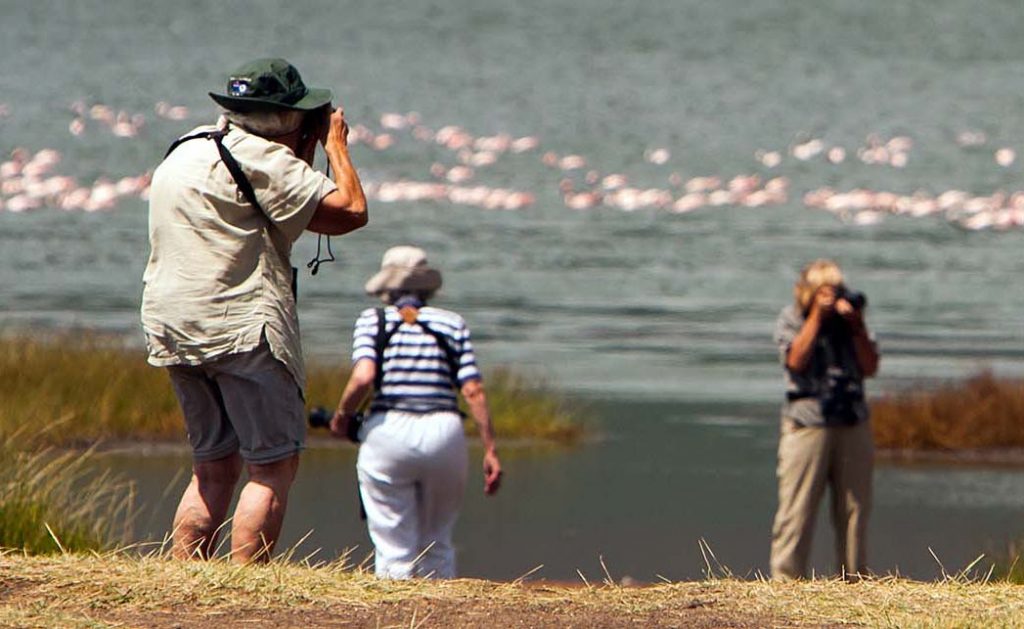
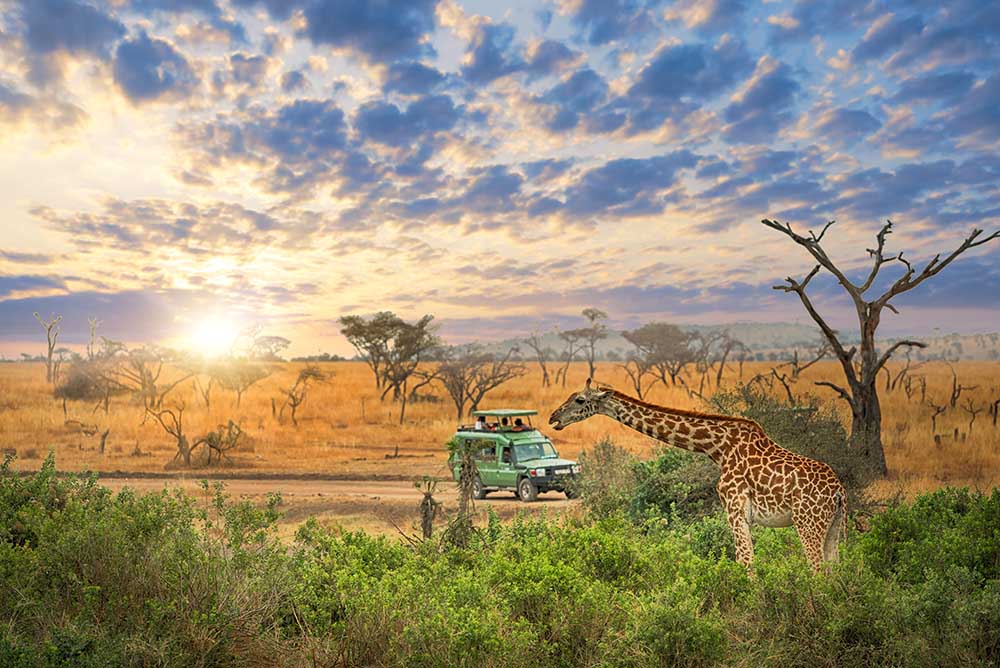
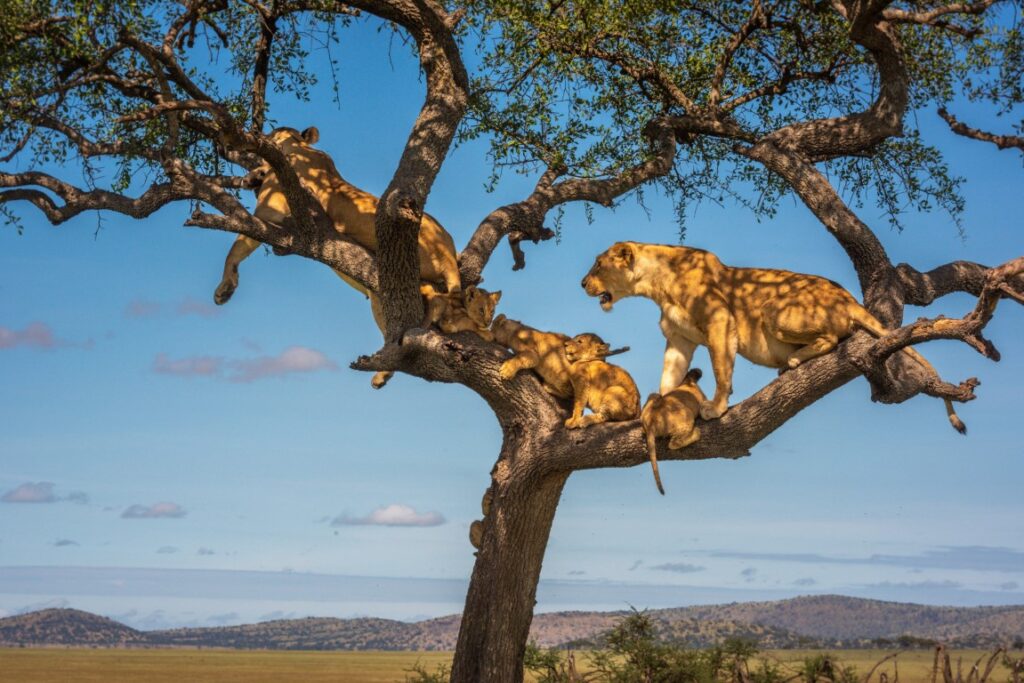
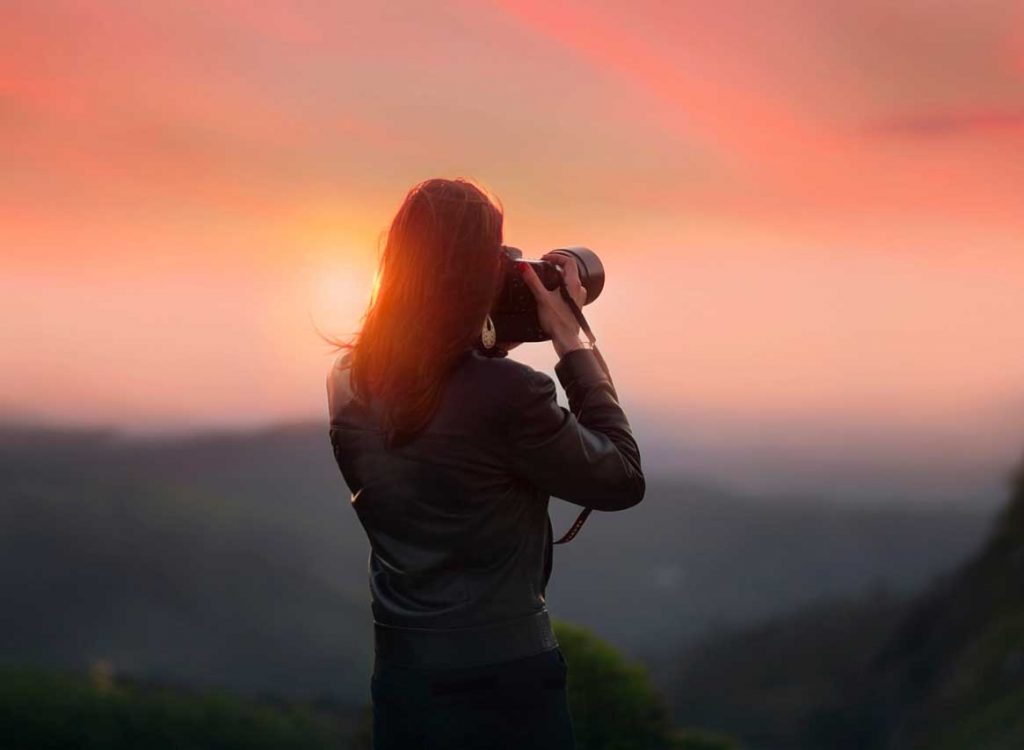
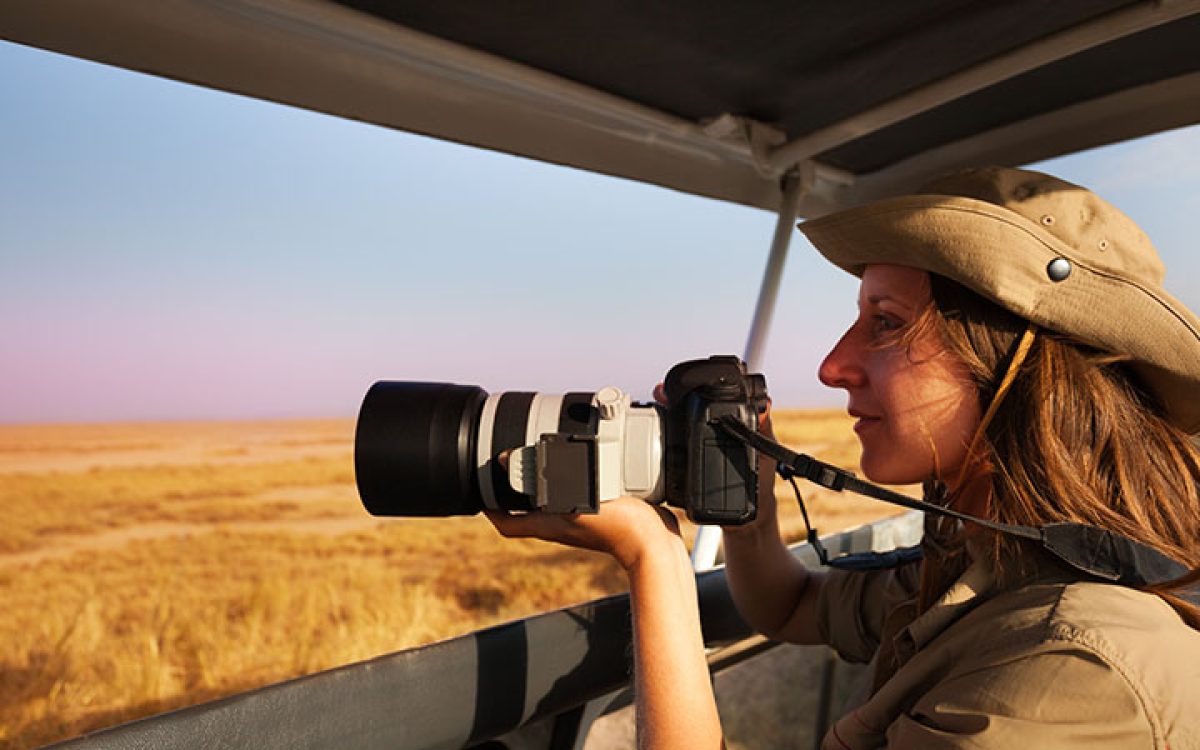
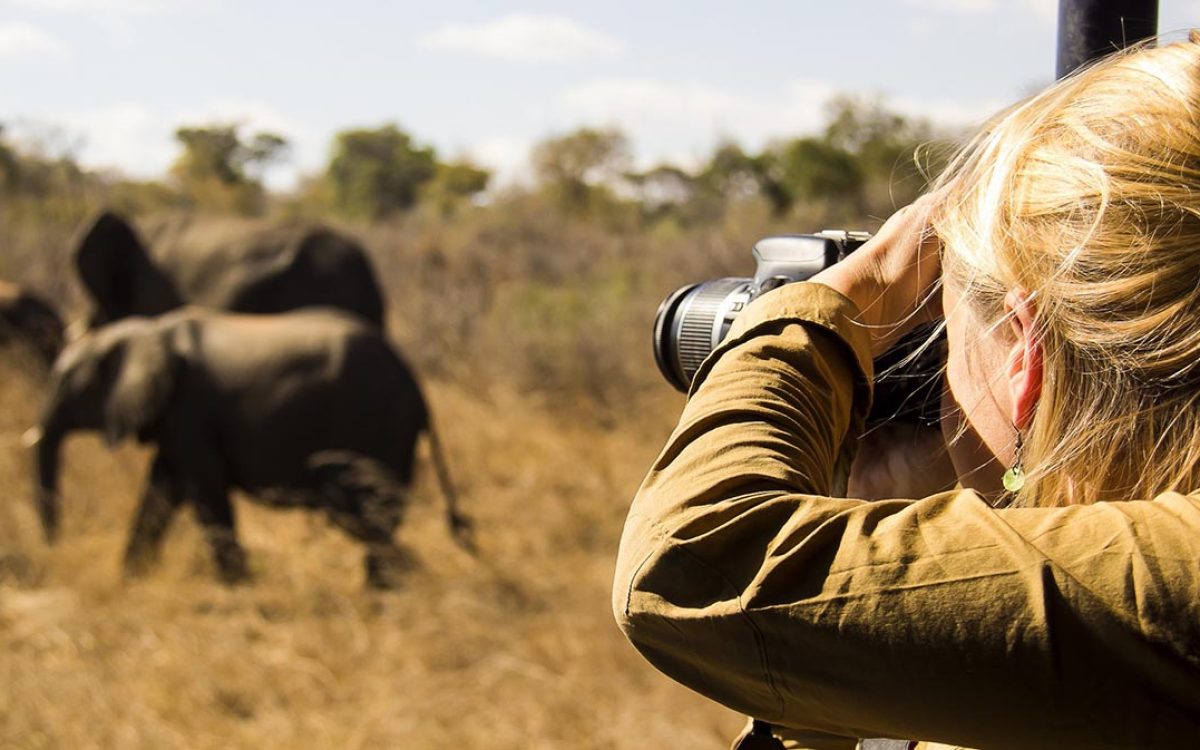
Workshop photo safaris are a superb choice for photographers of all levels who want to develop their wildlife photography skills, or simply want to be a part of a small group that is focused on capturing the best images possible.

They are led by accomplished photographers offering their best tips and techniques, and our most experienced Tanzanian guides. They offer a great experience while sharing their adventure with a small group of like-minded photographers. Workshop safaris limit the number of photographers-per-vehicle, usually to only three persons, assuring room for lots of gear and unrestricted shooting.

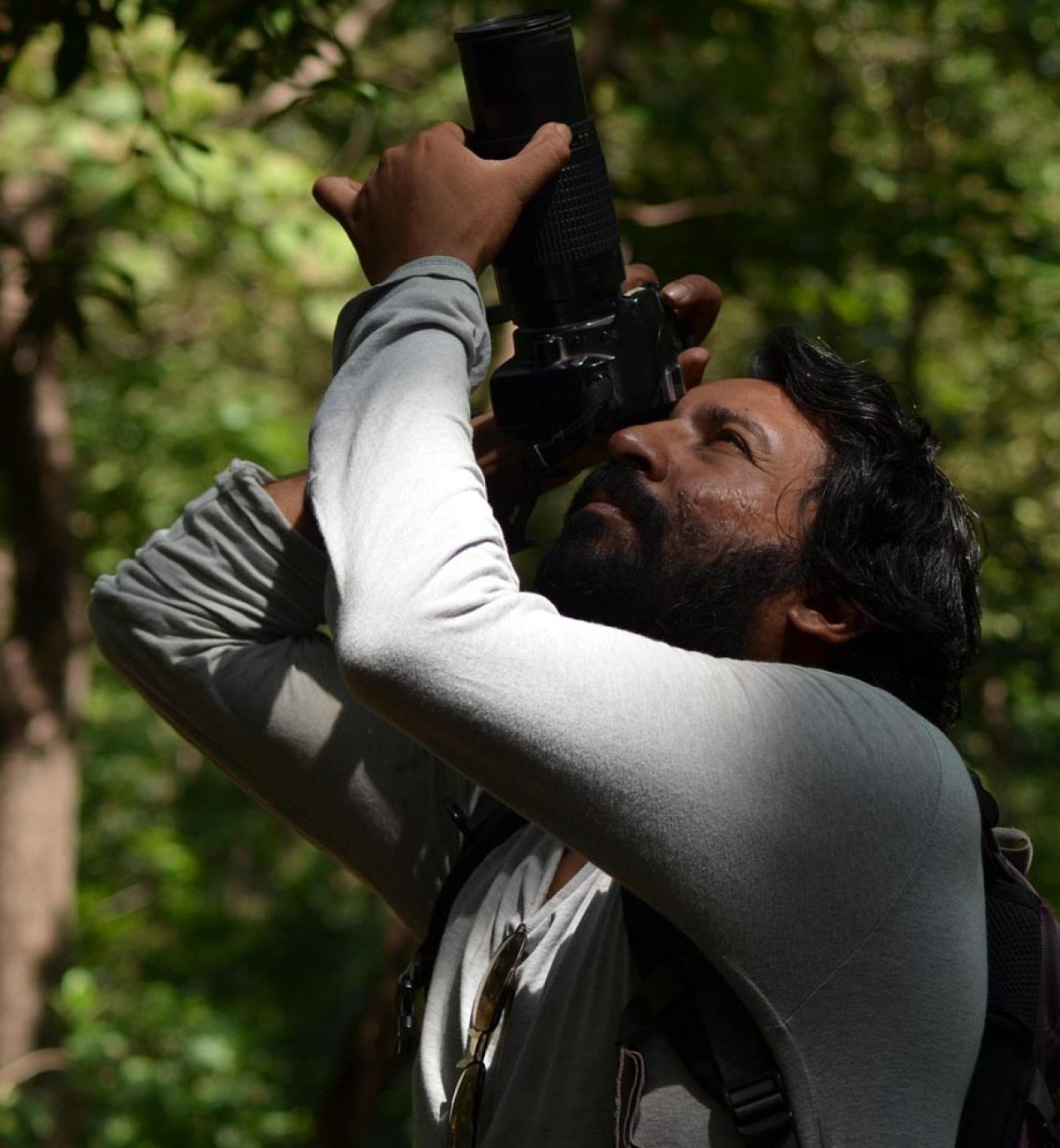
These workshop safaris are led by professional photographers (Tour Leaders) that accompany you in the field and are available to provide guidance in all aspects of image capture throughout the safari.

All workshop photo safaris are package-priced and offer a great value for the discerning traveler who wants to make the most of the abundant photo-ops while on safari. Please note that while all our workshop safaris are geared for those focused on capturing great images, they vary as to the amount of formal instruction offered, depending on the leader.

We also offer small-group safaris that are led by our best Tanzanian guides who have substantial experience working with photographers and videographers.

Our Photography Safaris

A Day on Photography Safari

A Day on Photography Safari

Each day on the expedition we will explore the National parks in the early morning and late afternoon when the light is right for photography. The exact duration will depend on the sightings but on average they will be 3-4 hours.

Morning

Your day will start with an early morning wake up at 05:30. Normally you will have 30 minutes to get yourself out of bed, hair combed and dressed for your morning game drive – it is helpful to prepare everything you need Before you sleep.

All guests then meet at a designated area of the main lodge half an hour after waking up. Tea, coffee and some form of biscuit will be served. Then you will start your morning session.

Typically you will return to the lodge after around 3 hours on safari. Breakfast will be ready on your return,

Middle of the day

This leaves you with 4 – 5 hours in the middle of the day before your afternoon safari game drive.

Some of the lodges offer the chance to go on a walking safari, usually with a ranger, and these will typically last around an hour. You generally walk from the lodge, and explore the smaller details of the bush. Looking at things like insects, plants, learning how to read animal spoor etc. If the lodge does offer this, we highly recommend you do at least one walk, it gives a totally different perspective on the bush.

Many lodges have spa facilities, and these are very popular between the safaris. However, if spa is not your thing and your lodge doesn’t offer it, this is the time to review your images.Lunch will be served at around 13:30 each day. Before our evening session at around 15:30 there will be more relaxation time.

Late Afternoon

At 15: 30. Then it’s time to board your vehicles once again, and head off for the afternoon session.

As the sun dips low on the horizon you will stop for a break. What is a better way to celebrate the end of the day than with a gin & tonic, watching the sun set over the African savannah?

It is very important to note that many parks and lodges do not permit night drives. In these places the safaris typically end at sunset. If you particularly want to experience a night drive, make sure that you will be staying somewhere that allows it!

Evening

You normally return to the lodge around 19:00. There is normally time to return to your room to freshen up before returning to the main lodge area for dinner.

After dinner, relax around the campfire and regale in stories of the day’s sightings before finally heading back to your room for a well earned rest, remember there will be a knock at the door very early to start all over again!

Our Photography Safaris

Photography in Tanzania

Photography in Tanzania

Tanzania is a world-class destination for lovers of nature, adventure, and photography.

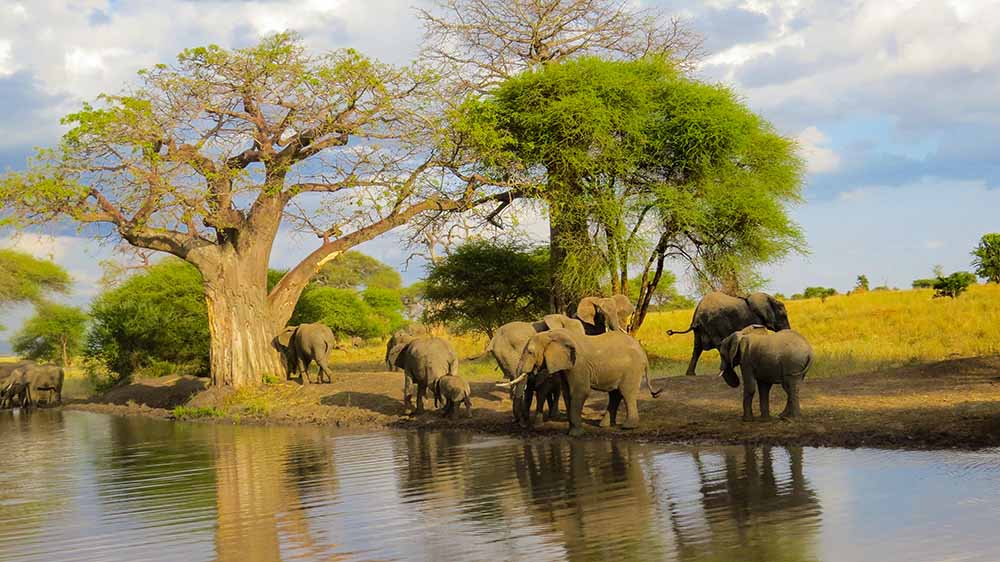
These vast wilderness regions hold many of the world’s most renowned national parks and conservation areas, making it one of the most popular and rewarding safari destinations in Africa. The magnitude of the natural wonders found in Tanzania is simply breathtaking.

Northern Tanzania includes the world famous Serengeti, Tarangire, Lake Manyara and Mt Kilimanjaro National Parks, as well as the spectacular Ngorongoro Conservation Area. In the southeast lies the expansive Selous Game Reserve, and in the West the Katavi, Mahale Mountains, and Gombe Stream National Parks, the latter made famous by the pioneering chimpanzee researcher Jane Goodall.

Just off the eastern shore lie the white sand beaches of Zanzibar and other pristine Indian Ocean islands.

Last but not least, in the center of Tanzania is East Africa’s largest and most ecologically diverse park, Ruaha National Park.

Culture

Our Photo Safari’s main goal is to provide our guests with the best photo for wildlife, we also celebrate the culture of Tanzania.

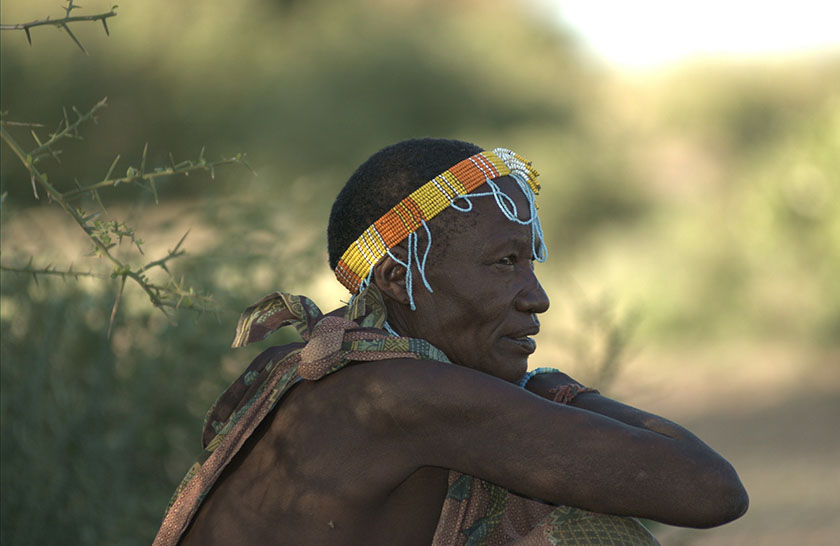
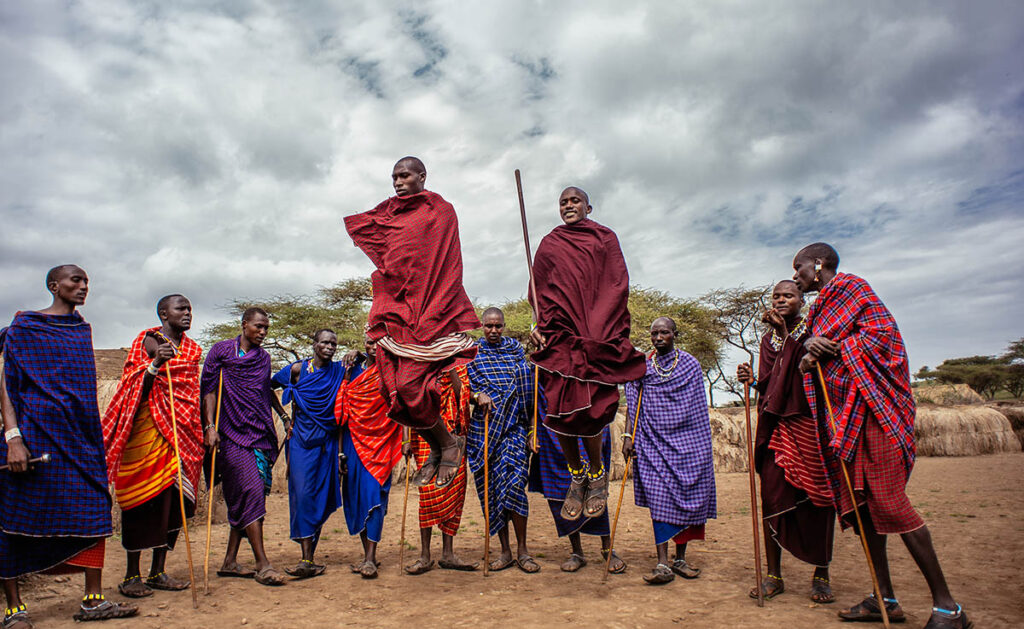
You’ll visit an authentic Masai village and get a chance to meet with Maasai tribesmen, they will greet us with a traditional jump dance and friendly smiles. We’ll also stop along the road for a spontaneous shoot with locals once in a while for some great candid photos when possible.

In Arusha, we escort our groups to a beautiful cultural center where you’ll see all kinds of Tanzanian and African art including sculptures, carvings, masks, paintings, jewelry, crafts, and more. This is the largest art and craft center in all of Africa and if you are looking for Tanzanite, there’s no better place on Earth!

photo

Photographers

African Pathways Expeditions works with some of the most talented and professional photographers.

Our goal is to provide you the opportunity to travel alongside and work elbow to elbow with professional photographers who will help you capture the incredible beauty our destinations offer.

Whether you’re new to photography or a professional looking to expand your portfolio, our tour leaders will share invaluable techniques, knowledge, and experience gained over the course of their careers.

Photography aside, we expect you’ll have the time of your life on our tours. Traveling the road with us means there will be lots of laughs, interesting stories and delicious meals where you’ll be treated like family and will leave with new life-long friends.

Wildlife and landscape photography awaits in East Africa

Participating in a safari to East Africa is high on the list of experiences for many wildlife photographers. Whether you’re a first-time traveler to East Africa or a seasoned pro, there are universal challenges to be addressed in the planning and execution of your trip.

Following are the top considerations that will directly affect the success of your adventure. The first line of questions inevitably deals with camera gear. Here are some ideas that help for comfortable, safe and ready to execute to the best when photographing on safari.

Equipment to Bring

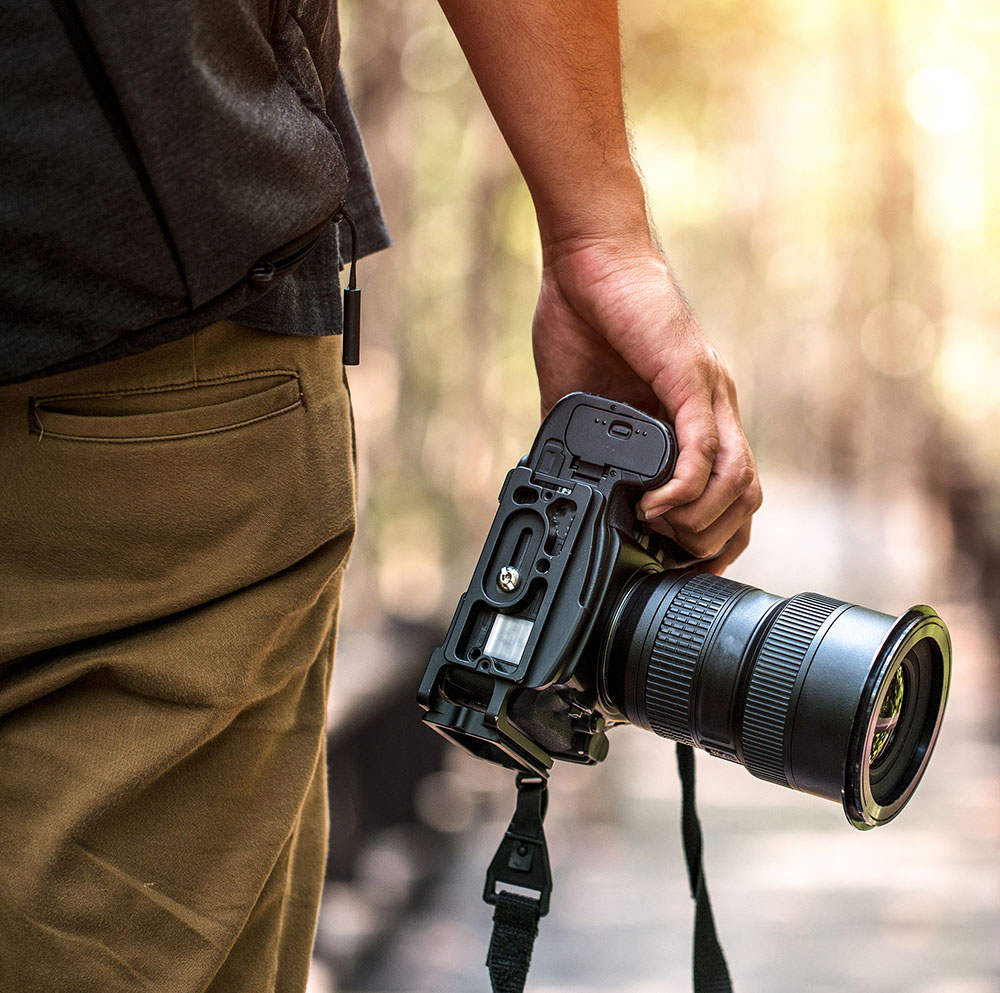
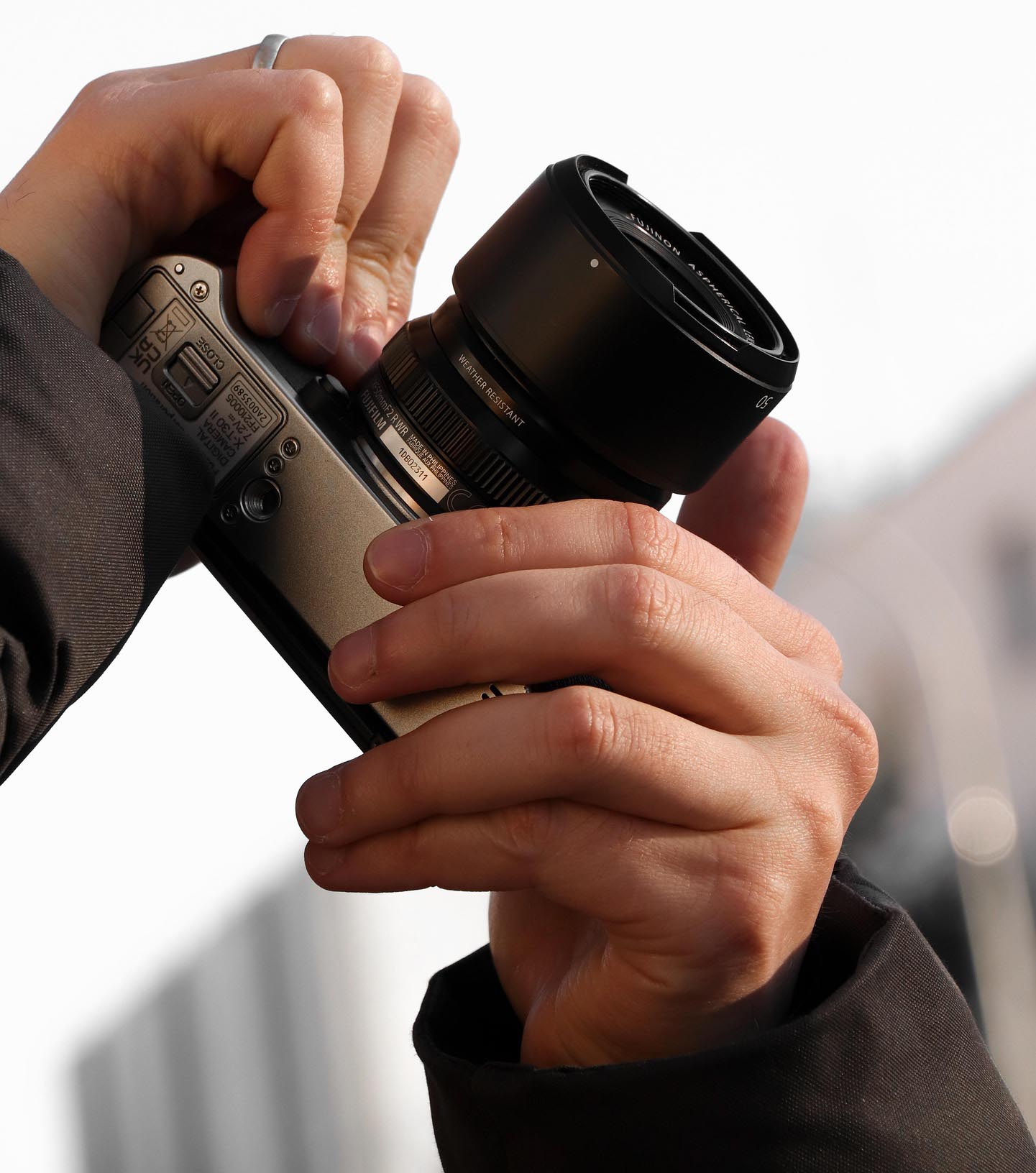
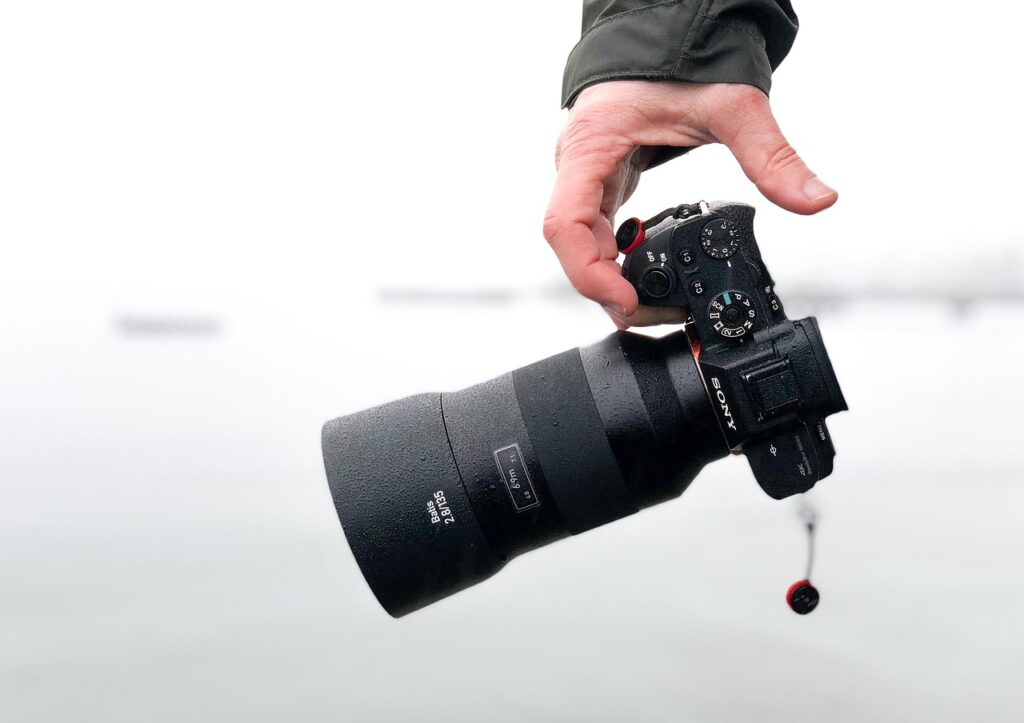
Most photographers on a serious photo safari will use top-of-the-line professional equipment. Brand doesn’t matter—they’re just tools to help you reach your desired goal. About 95% of the shots from a safari are taken with a 600mm lens and often with a 1.4x, 1.7x or 2x teleconverter. I never photograph from blinds or feeders, and don’t bait animals, so this equipment gives me the best chance to capture intimate moments of animal and bird behavior.

A second camera body paired with a 100-400mm lens for a wider view. There are also rare chances to make effective fisheye shots, so carry an

8-15mm for those. don’t take a flash, and never bring a tripod. Beanbags and Todd-Pod roof mounts with an original Wimberley head are useful,

Beanbags are always under the seat or in the vehicle just when they’re needed.

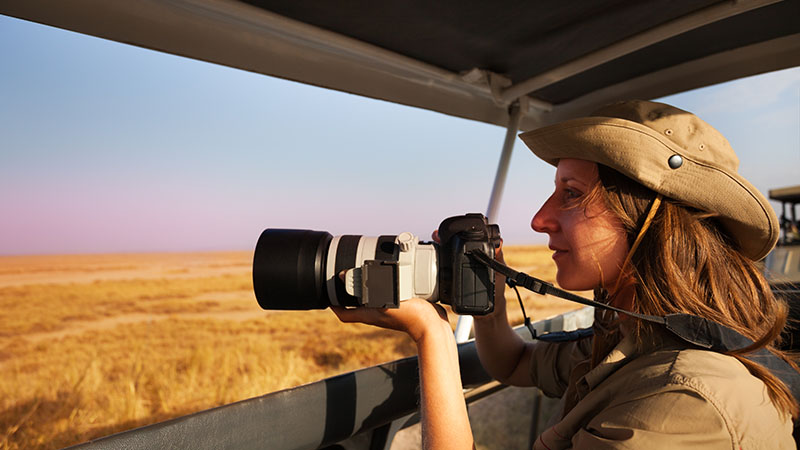
Typically, people tend to bring much more equipment than this. The problem: Lots of equipment equals lots of choices. While you’re making the choice and finding the right combination, you’ve just missed the fleeting moment of peak action. On one of our photo safaris, the seven-seat, four-wheel-drive vehicles only have three photographers each, so everyone has ample space for equipment, access to two side windows and their own roof hatch. With your camera bag on the seat beside you, it’s easy to grab the proper gear for each new photo situation.

safari photo

Photographing on Safari

You’ve arrived, have all your gear and are officially on safari! A typical day will begin at 6:30 a.m., with cookies and coffee or tea before you start your game drive. Having cleaned and charged all of your equipment the night before, you’re ready for anything!

Your main goal is to scout for interesting subjects to photograph when the light comes up. Midday should be spent editing and resting. Afternoon safari drives are typically from 4:00 p.m. to 6:30 p.m. New photographers often will want to stop for anything that moves to get a “record shot.” That’s fine, but get it and move on. In the evolution of a safari, those stops will become a thing of the past.

Often safari photographers frustrated early in the trip. One of the main culprits is the burning desire to get every shot available so their photo safari of a lifetime can be a success. There are often unrealistic expectations of filling a portfolio in the first few days of a safari. Relax—let the safari come to you. In East Africa, there are so many dramatic subjects in perfect situations that if you miss one opportunity, there’s another just around the next bend in the track. Be ready for it.

Accommodation

When it comes to your choice of accommodations, there are hotels, luxury lodges and permanent or mobile tented camps. All will have comfortable beds, in-suite bathrooms and showers, laundry facilities, attentive staff and good food. With prior notice, the cooks can accommodate dietary needs.

Camps operate off of generators and solar power. If there are specific hours of operation, they will do their best to accommodate photo groups’ charging needs. Most equipment we bring charges at both 110- and

220-volt. East Africa uses the UK plug style with its three big square prongs. Keep in mind that people will have lots of the same equipment, so it can be difficult to identify your gear at a community charging station. I put a colored sticker on each piece of electronic gear. Most accommodations also will have some form of Internet access.

Previsualize

Before you go on safari, you should have an idea of what images you would like to make. Here are two very different lists of hoped-for safari shots.

List #1: Elephants, a lion, a cheetah, zebras, a rhino, birds, a giraffe.

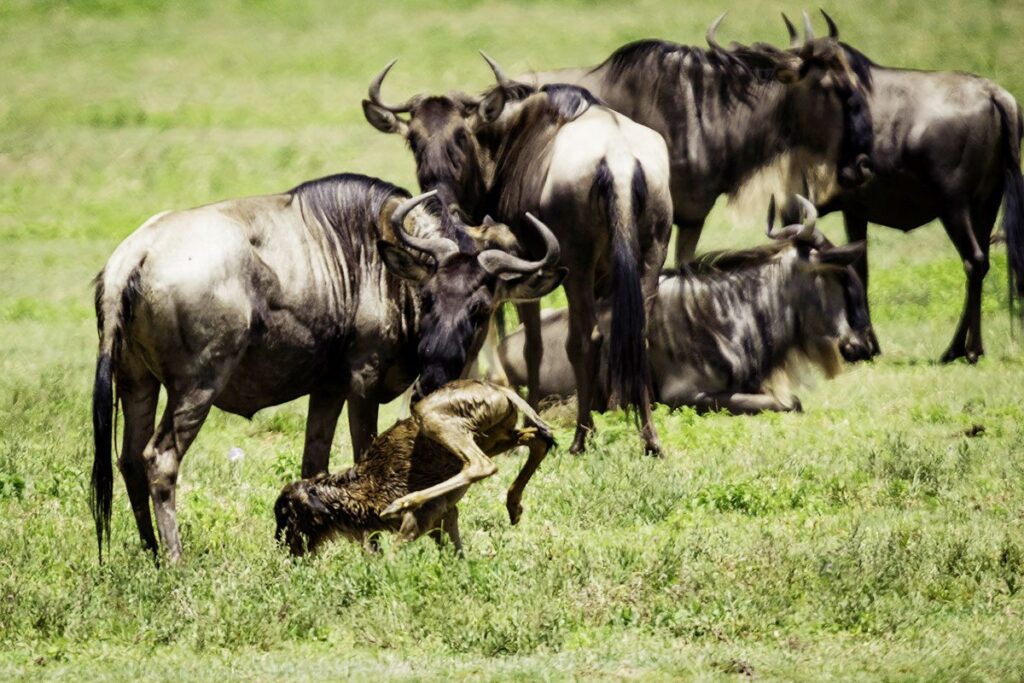
List #2: Dramatic animal behavior, animals interacting, mothers and babies, well-organized groups of birds and animals that show more than a pile of feathers and fur, storytelling images that capture the viewer’s attention.

If you can previsualize, you’ll be more prepared when the hoped-for situations arise.

If you really do have an interest in a particular animal, always make sure that the park you are visiting is home to this animal to start with! More than anything else, we need to stress, the game reserves are not zoos, and there is no guarantee that you will see any specific animal. Come with an open mind and you will not be disappointed.

photography

Final Piece of Advice

Enjoy the experience. As I said, let the safari come to you. Have fun, and remember you’re on holiday and you’re going to bring home great photographs from what may be your first of many “trips of a lifetime” to East Africa.

Tips For A Successful African Adventure

  1. An in-focus, well-exposed photo that includes a great subject isn’t necessarily a great If the photo you’re taking is a portrait, strive for the best head angle, facial expression and eye contact.
  2. If you have a group of animals or birds, look for interesting head positions and eye
  3. The most effective photos of two or three subjects will contain two or three sets of
  4. Add enough grass on the bottom of the frame to provide space for “virtual ”
  5. Remember to check the edges of your frame for unwanted
  6. Sometimes the best angle of view is from the lower window of your vehicle.
  7. Edit your images after every game drive—then back them

IS THIS FOR YOU?

Here are some key points to help you decide:

  1. We welcome photographers of ALL levels. Our expeditions are conducive to learning from one another and include instruction that will suit everyone’s photographic No question is off limits, no inquiry too basic.
  2. We have experience on photography We will spend most of our time and effort on safari / photographic activities and making images.
  3. Non-photographer or videographers will love these The wildlife experiences on this trip will appeal to anyone with a love for animals and nature. We have specialist guides leading all safari activities and optional activities (walking, balloon safaris, etc.) are also available subject to camp restrictions.

Private Photo Safaris

Private Photo Safaris

Private safaris are all about you, These safaris offer the exact adventure and itinerary you’re looking for, without compromise. Your entire safari will be planned and executed based on your desired experiences and goals.

Whether it is a photography and filming workshop or a brand enrichment photoshoot.

Enjoy your own private vehicle and professional guide to explore and experience the best of Tanzania.

Africa Pathways Expeditions are behind the scenes of many famous photo books on Africa, photography workshops, and photography tours hosted by other companies.

We help photographers create itineraries that match their style of photography. We include special moments like walking safari, tribe visits, hiking and hot air ballooning, campfire talks, art classes and more. And we offer special prices.

If you’re a photographer or business interested in running photography tours, here are the services we can offer you :

  • Top notch Guides with experience on photography expeditions. This is important for vehicle positioning
  • bespoke Based on your budget and your style of photography, we can offer you one-of-a-kind itineraries.
  • Safari vehicle designed special fo photography workshop
  • Packages Ranging from High-end luxury safari, Classic safari, Standard safari to mid-range
  • Arrangement and booking of all Accommodations
  • Organizing all special

Planning a private safari means anything is possible. Select the timing, duration and location to meet your goals. We are here to help with suggestions.

Our Photography Safaris

Bird Photography in Tanzania

Bird Photography in Tanzania

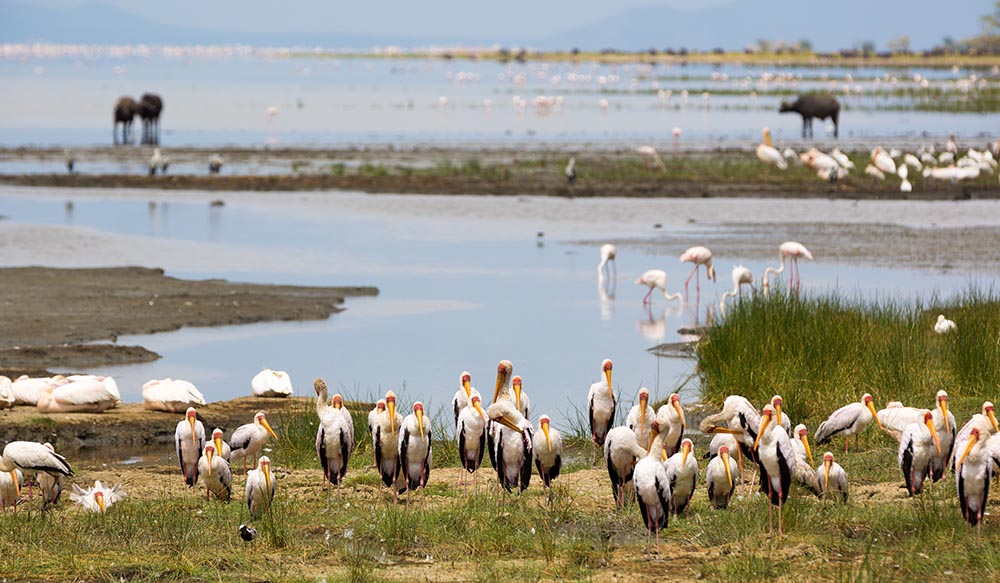
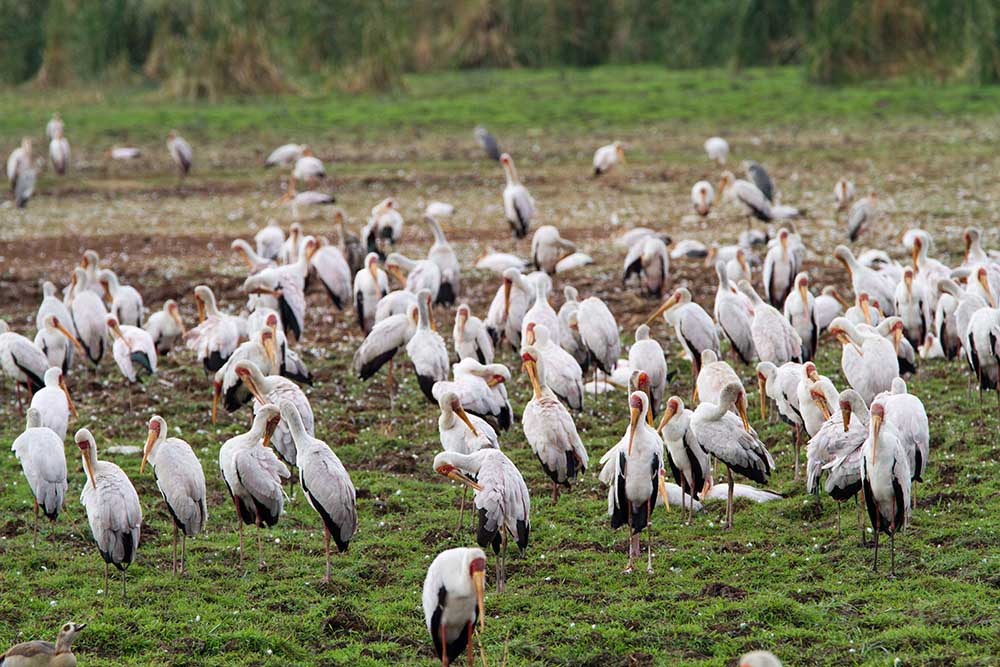
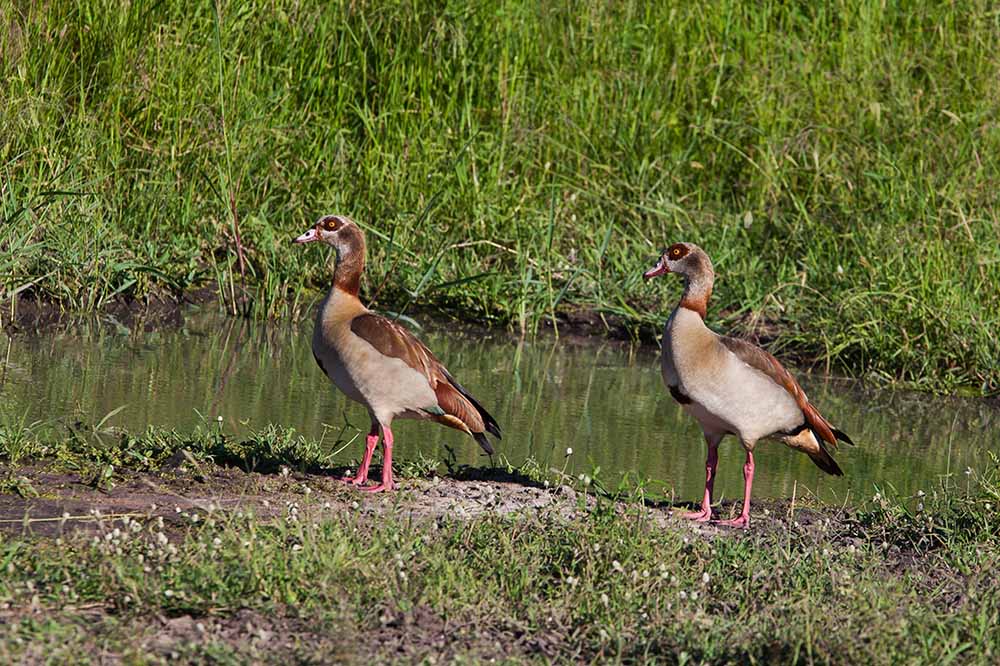
Tanzania is an amazing birding destination. More than 1000 species of birds, currently recorded in the country, a visiting birder on a 3 week birding trip can expect to see as many as 700 species of birds. But it is not only the number of species which sets Tanzania apart. Tanzania protects some of the world’s largest and most pristine wilderness areas and wildlife reserves and the quality of wildlife watching and birding in the wilderness areas of Tanzania are unsurpassed. Globally endangered species are still common and up to 35 endemic species occur in the country and most can be seen by any birder in a comfortable safari.

The national parks to the north of Tanzania, the Serengeti National park, Lake Manyara and Tarangire are very good for large raptors and scavengers, but, if you are looking to get away from the “flock” then please see a few additional areas below:

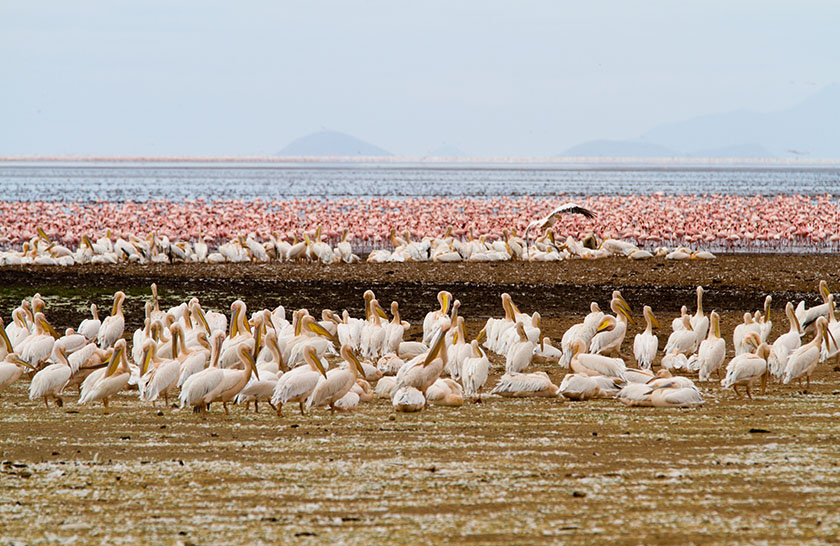
The Momella Lakes – located in the north of Arusha National Park, these lakes are fed by underground streams and are a mecca for water birds in particular. Species commonly seen here include flamingo, pelican, little grebe and a variety of herons, ducks and waders are also common.

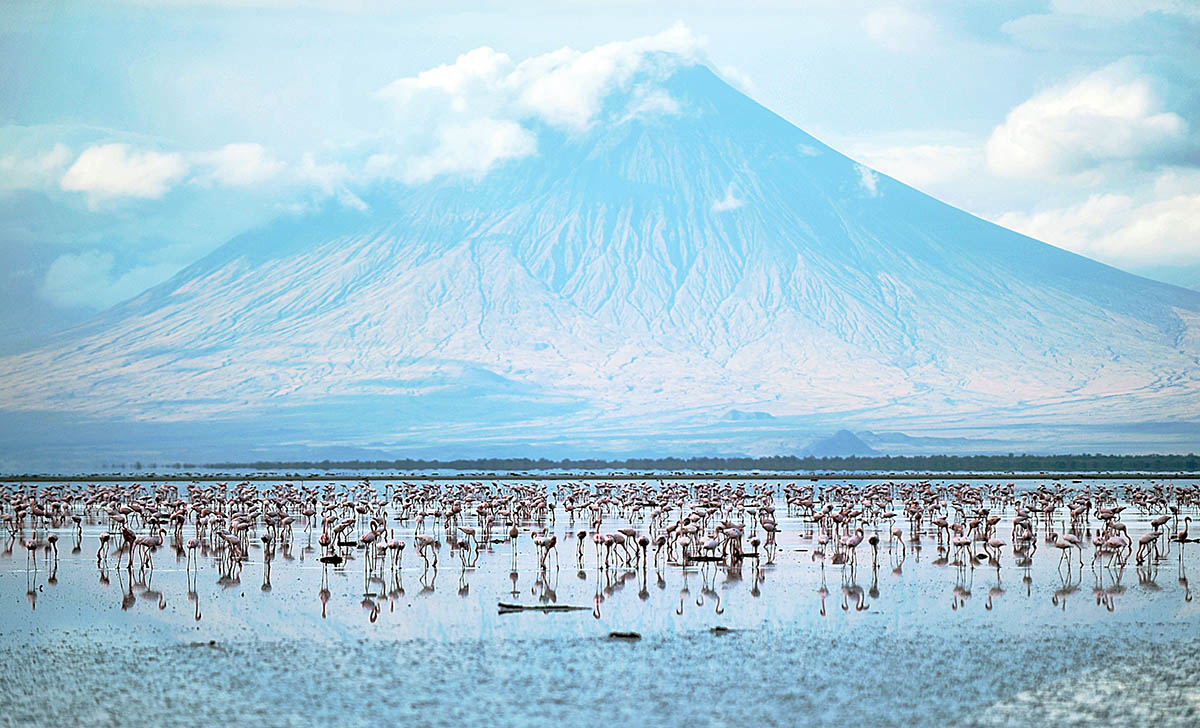
Lake Natron – fed by underground springs and the Ewaso Ngiro River, Lake Natron is one of the famous Rift Valley Lakes and sits to the north of the Ngorongoro Crater, on the border with Kenya. This inhospitable region or caustic waters and parched earth is the main breeding ground for East Africa’s 2.5 million or so lesser flamingo who rally here in the summer months of August and September. As a sheer spectacle on its own, it is something worth seeing.

Rubondo Island – situated in the southern reaches of Lake Victoria, Rubondo Island is an oft forgotten corner of Tanzania and, only now, is it becoming more developed and connected once more. This island has many great features but one of these is that, with its forested and freshwater habitats, it is very popular for bird species of all kinds.

Eastern Arc Mountains – are the most important bird habitat in Tanzania as the flora and fauna of these mountains is isolated from other highlands. A great number of Tanzania’s endemic and near-endemic bird species live in the Eastern Arc Mountains, most importantly in the Udzungwa, Usambara and Ulguru mountains.

These mountains are inhabited by approximately 30 endemic Tanzanian bird species. Some of the endemic bird species are the Pemba Scops Owl, Grey-breasted Spurfowl, Nduk Eagle-Owl, Pemba Green Pigeon, Uhehe Fiscal, Reichenow`s Batis, Uluguru Bushshrike, Uluguru Mountain Greenbul, Black-headed Mountain Greenbul, Yellow-throated Mountain Greenbul, Banded Sunbird, Mrs Moreau’s Warbler, Pemba White-eye, Kipengere Seedeater, Rufous-tailed Weaver, Moreau’s Sunbird and Loveridge’s Sunbird

Amani Nature Reserve – is a section on the Eastern Arc Mountains, the Amani Nature Reserve is probably one of the most exciting and accessible areas for birding in north eastern Tanzania and, for those looking to see any of Tanzania’s endemic species, it is a must visit.
Birding In the South of Tanzania

As with the northern parks of Tanzania, the main parks of the Selous Game Reserve and Ruaha National Parks are superb birding destinations in their own right.

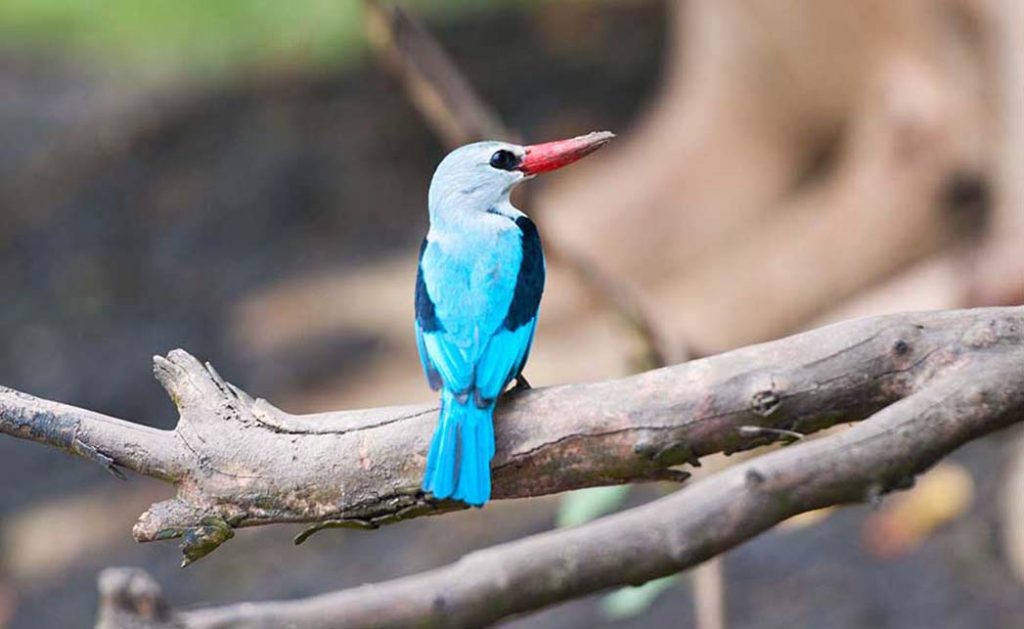
The Selous Game Reserve – with most of the main camps in the park being located along the winding Rufiji River, the Selous is a superb park for seeing all numbers of bird species ranging from the fish eagle to the malachite kingfisher and the secretary bird.

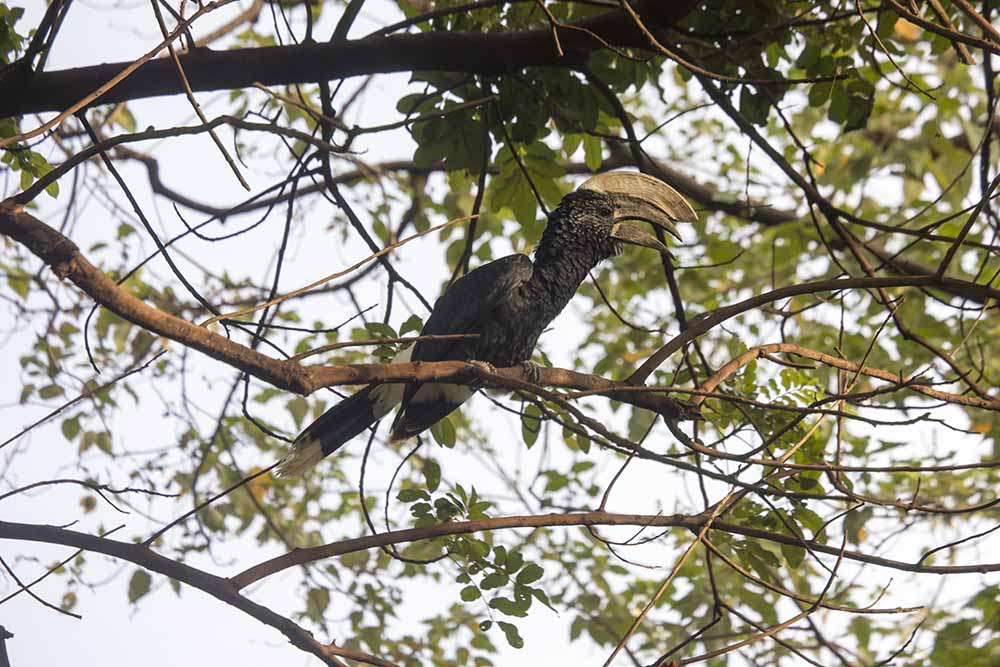
Ruaha National Park – is inhabited by over 450 different bird species including some endemics such as the Ashy starling and the Yellow-collared Lovebird. The resident birds of the Ruaha National Park are: the Crested barbet, Dickinson’s kestrel, Pale-billed hornbill, Violet-crested turaco, Racket-tailed roller, Plovers, Kingfishers, Hornbills, Green-woodhoopoes, Sunbirds, Bee-eaters and Egrets.

The national park is visited by Eurasian migrants twice a year from October to November and from March to April. Among the migrants in the Ruaha National Park you can see the Sooty falcon, whose breeding grounds are in the Sahara and in the Middle East, and the Eleonora’s Falcon, whose breeding grounds are in the Mediterranean.

The national park is also inhabited by birds of prey such as Pel’s fishing owl, the African hawk, the Bateleur, and Eagles such as the Long-crested, Martial and Snake eagles

Birding in Tanzania is always good at all times. However, it is preferable that you plan your bird watching between November and April. During this time, there are migratory birds from different continents like Europe and the northern part of Africa. Besides, during this period most of the different species of resident birds are nesting and in breeding plumage.

We offer birding photography tours in all parts of Tanzania and will be happy to design for you a tour that suits all of you budget and birding needs. A unique perspective on Tanzanian wildlife and landscape is that it has numerous places for birding and our Guides are professionally qualified ornithologists.

Africa Pathways Expeditions offers personalized Bird photography tours in Tanzania, perfectly designed to meet the needs of all birders. We organize custom affordable Birding tours so that you can enjoy the greatest abundance and diversity of birds.

Our Photography Safaris

Kilimanjaro Photography Guide

Kilimanjaro Photography Guide

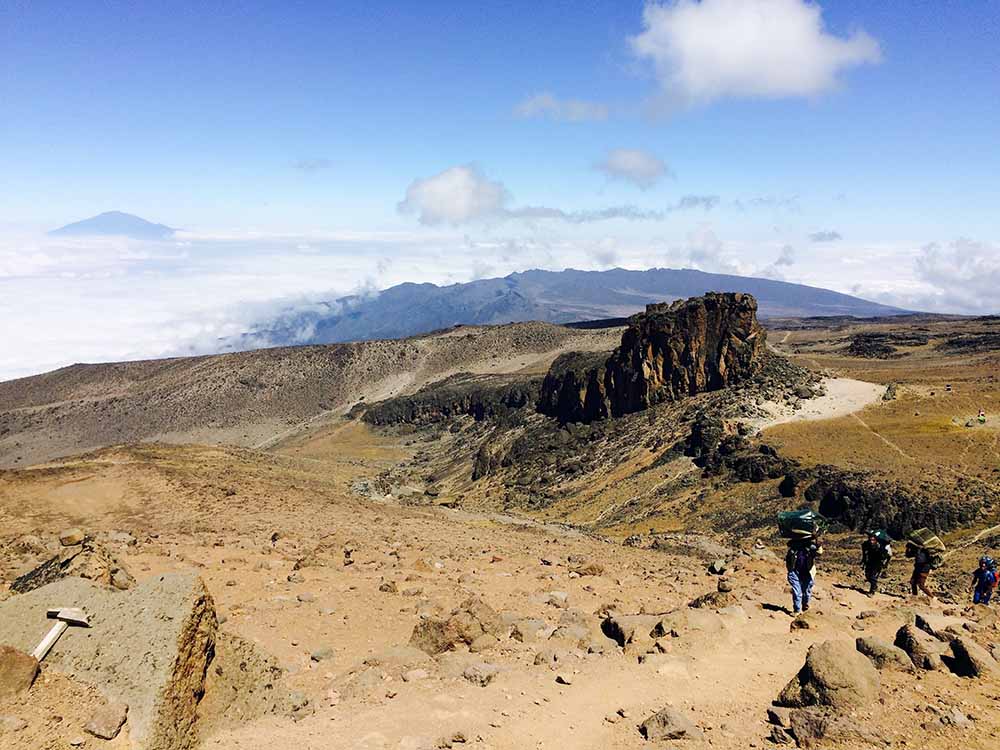
Participating in Kilimanjaro photography workshop is on the list of experiences for many landscape photographers. Whether you’re a first-time climber or pro, we will work together elbow to elbow to make sure you get great shots!

Following are the top considerations that will directly affect the success of your adventure. The first line of questions inevitably deals with camera gear. Here are some ideas that help for comfortable, safe and ready to execute to the best when photographing on kilimanjaro

Camera Equipment

You should bring a 35mm camera. Other cameras simply won’t capture the depth and composition that Kili offers. For the photographic enthusiast, we recommend a standard Single Lens Reflex (SLR) 35mm camera as opposed to the pocket-type 35mm camera. The SLR will provide a greater variety of shots, because there is a larger choice of filters and lenses to use. Also, most modern SLR cameras have the complete range of fully automatic to manual features that offer more flexibility and control. For those who want to shoot in recreational fashion and don’t want the bother of changing lenses and fussing with F-stops, a pocket 35mm should suffice.

Telephoto zoom lenses from 35mm-135mm (focal length) should be versatile enough to do justice to the many great and small things you’ll see along the way. If you have only fixed lenses, then we recommend a standard 50mm, 200mm, and wide angle lens (the wide angle shots are real treasures).

You may want to consider the following filters:

  1. A polarizer filter, to change the contrasts of light and dark in your This is more critical at the summit, where exposed faces and background images will be difficult for you (and your camera) to assess the light and properly expose.
  2. A warming filter, in order to help improve skin tones, which tend to appear slightly blue in high altitude

With regard to film, slide film will produce images with great color saturation and high quality resolution. Keep in mind that it gets expensive to produce prints from your slides.

Should you use print film, we have had great success using Fuji film. You should bring an assortment of different speeds, though favoring mostly 100 and 200 speed, because in general the light levels will be ample to support this. Consider purchasing all this equipment and/or film from the local photo shop rather than from the discount drug store. The photo specialists will be able to assess your intentions, provide useful advice, and recommend the best equipment and film for you. Make sure you buy enough film for your entire trip, as the availability of film in Tanzania is not guaranteed and the cost is prohibitive.

Camera Care

Because this climb takes you from equatorial tropics to arctic conditions, it will be necessary to take measures to protect your camera equipment and film from the elements. Make sure you waterproof everything. Bring a waterproof container (ziploc bags are great) for your film, camera, and lenses/filters, which will also aid in keeping dust and dirt out.

On your final ascent, the temperatures will most likely be below 32 deg. F, and you must take steps to ensure that your camera does not freeze. If you put cameras and lenses, etc. in the inner pockets of your parka, or in pockets of an inner layer (where they can receive your body heat), that will be sufficient. A smaller “point and shoot” camera is best for summit shots, as the larger cameras may be difficult and awkward to fit inside your parka. Your daypack is not an advisable location for keeping this equipment on the final ascent, and in general, insulated containers are too bulky and heavy to be useful.

Upon summiting, you’ll want a few nice shots, so make sure your camera is all set up. The last thing you’ll want to do at Uhuru Peak is change your lens and fuss with loading a new roll of film. Make sure you return the camera to warmth, as it doesn’t take long for it to freeze. If you’re certain that your camera is frozen when you turn it on, do not attempt to take pictures. Leave it alone and wait until you are back at warmer temperatures. You may want to consider bringing a backup camera in case your primary one expires.

Digital Cameras and Video Cameras

Digital cameras are a great option to standard film cameras, and can be easier to use on the trail. The ability to see and edit your images right away is an asset, and it saves you time and money in the absence of the need to change and develop film. You can also use most digital cameras in freezing conditions without worry, though battery life diminishes quickly.

8mm or digital video are popular formats for capturing motion images from the mountain, and if you are sure enough of your abilities, then your efforts will give great rewards.

You’ll need to bring plenty of batteries, as the cold weather seems to shorten battery life. Consider bringing additional lenses and filters, but keep your weight in mind. Please take steps to guard your equipment from the elements, as discussed above. Each climber will have a personal porter on the climb to carry your photo equipment.

Our Photography Safaris