Month-by-Month Guide to the Best Time for a Tanzania Photography Safari
Tanzania is one of the most rewarding places in Africa for wildlife photography, but there is no single month that is perfect for every photographer. The best time for a Tanzania photography safari depends on the kind of images you want to create.
Some travelers come for the drama of the Great Migration. Others want newborn wildlife and predator action in Ndutu. Some are drawn to elephant herds beneath baobab trees in Tarangire, while others prefer quieter months with lush landscapes, moody skies, and fewer vehicles in the field. Tanzania offers all of these, but not at the same time, If you are planning a private Tanzania photography safari, the smartest approach is not simply asking, “When is the best time to go?” It is asking, “What do I want to photograph, and under what conditions?”
The short answer
For classic wildlife photography, the dry season from June to October is usually the strongest overall window. During these months, vegetation is thinner, animals gather more predictably around water, and general game viewing is often easier and cleaner to photograph.
For calving season photography, especially if you want newborn wildebeest, predator-prey interaction, and dramatic storytelling scenes, January to March is one of the best periods, especially in the Ndutu and southern Serengeti area. February is often considered a peak month for births.
For river crossing photography, the most sought-after period is generally July to October, when the migration moves north and the herds may cross the Mara River, depending on rainfall and movement patterns.
Best time by photography goal
For the Great Migration
If your dream is to photograph the migration, timing matters a lot because the herds move through different parts of the Serengeti ecosystem across the year.
- January to March: southern Serengeti and Ndutu, with calving season and active predators
- April to June: central Serengeti transition period, with herd movement and rutting activity
- June to July: western corridor and Grumeti region
- August to October: northern Serengeti, where river crossing opportunities are strongest
- November to December: movement begins shifting south again depending on rains and grazing conditions
For photographers, this means the “best” time depends on whether you want calving scenes, herd movement, rutting behavior, or river crossings.
For big cat photography
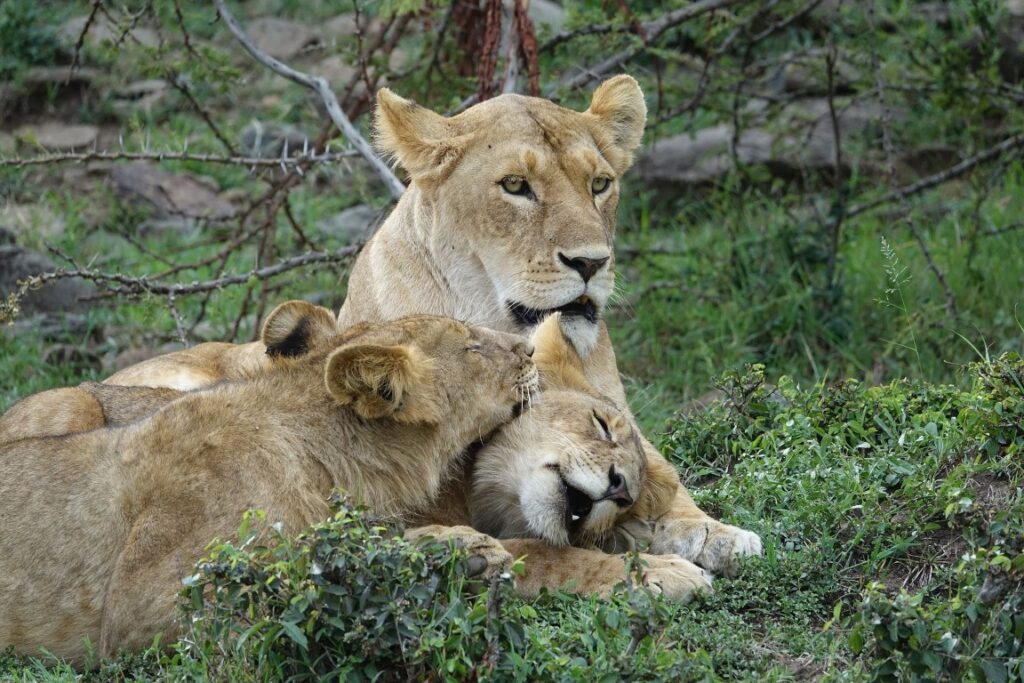
Big cats can be photographed year-round in Tanzania, but some periods are especially rewarding. The calving season in Ndutu from late January through early March can be exceptional because predator activity often increases around the large concentration of wildebeest and newborn calves.
The dry season from June to October is also very strong for predators in the Serengeti, especially when visibility is better and wildlife is easier to follow in thinner grass.
For elephant and landscape photography
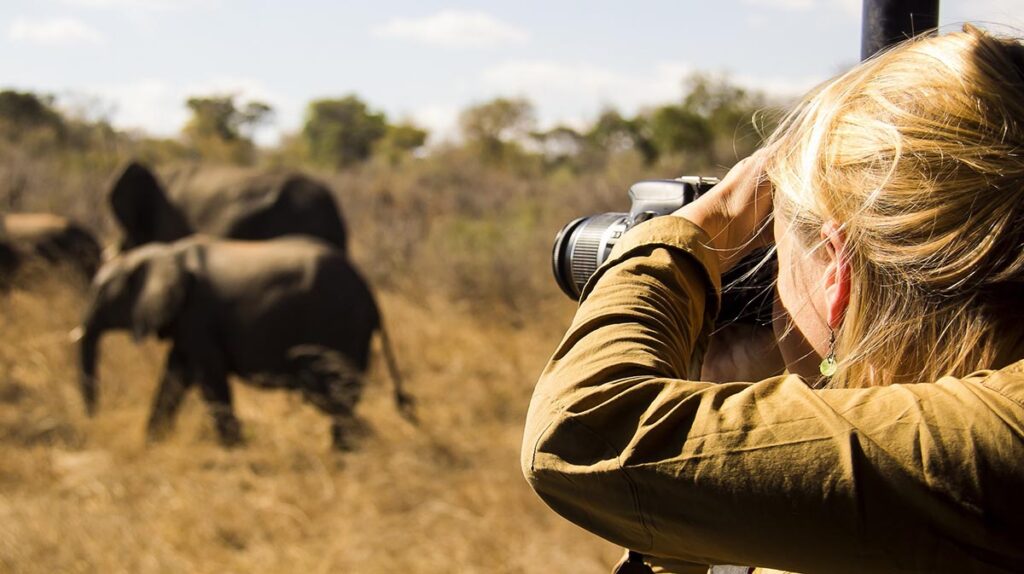
If you love elephants, baobabs, dust, and warm evening light, Tarangire is particularly rewarding during the dry season, when wildlife gathers more predictably and conditions are often cleaner for photography. More broadly, June through October is usually one of the best periods for classic dry-season imagery across northern Tanzania.
For birdlife and lush scenery
If your style leans toward atmosphere, birds, and greener landscapes, the green season can be beautiful. While this period brings more rain, it also offers richer color, dramatic skies, and a softer landscape palette. Birdlife is often especially rewarding at this time, and some travelers also enjoy the lower crowd levels and lower rates during the long-rain season.
Month-by-month photography overview
January
A beautiful time for southern Serengeti and Ndutu. The landscape is still green, and calving season is beginning or underway. Excellent for newborn wildlife, soft scenery, and predator action.
February
One of the strongest months for wildlife photography in Ndutu. Thousands of calves may be born during this period, and predator activity is often intense. For many photographers, this is one of the best months of the year.
March
Still strong for calving season in parts of the south, though rains may begin to increase. Can be excellent for photographers who want drama, mood, and fewer crowds.
April and May
These are long-rain months, so travel can be more weather-dependent. However, central Serengeti can still be rewarding, and this period can offer lower prices, fewer vehicles, and rich green landscapes for photographers who do not mind the rain.
June
The dry season begins strengthening. Wildlife becomes easier to photograph in many areas, and the migration starts moving westward and northward. This is a strong month for photographers who want fewer crowds than peak season but improving conditions.
July to September
These are classic safari months in Tanzania. Conditions are dry, visibility is strong, and the northern Serengeti becomes especially attractive for migration photographers hoping for river crossing opportunities. Crowds also rise during this period, especially in well-known migration areas.
October
Still strong for dry-season wildlife photography, with continued migration opportunities in the north depending on rainfall and herd movement. Light can be beautiful, and general game viewing remains excellent.
November
A transition month. Some rains may return, and migration patterns begin shifting again. This can be a quieter time in some areas, which appeals to photographers who want a less crowded experience.
December
The green season begins building again, and southern movement becomes more relevant. This can be a lovely time for photographers wanting fresh landscapes, early calving buildup, and a different mood from the classic dusty dry season.
So, when should you go?
If you want the safest all-round answer, go between June and October for classic wildlife photography. If you want the most dramatic predator-and-newborn storytelling, aim for January to March, especially around Ndutu. If your dream is the iconic river crossing image, target July to October and build the itinerary around northern Serengeti.
The truth is that Tanzania rewards photographers all year — but each season tells a different story.
Final advice
The best time for a Tanzania photography safari is not the same for everyone. The strongest trip is the one built around your subject, your style, and your creative goal.
If you want help choosing the right season, route, and park combination, explore our Private Tanzania Photography Safaris or contact us for a custom itinerary built around the kind of images you want to create.
Useful Information