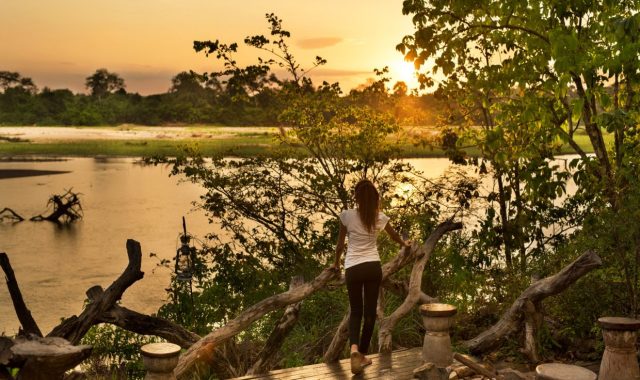
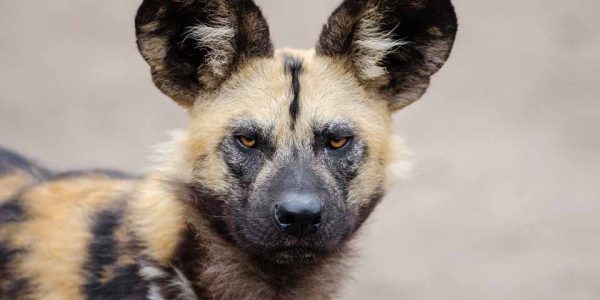
12 Days Tanzania Photographic Safari

12 Days Tanzania Photographic Safari

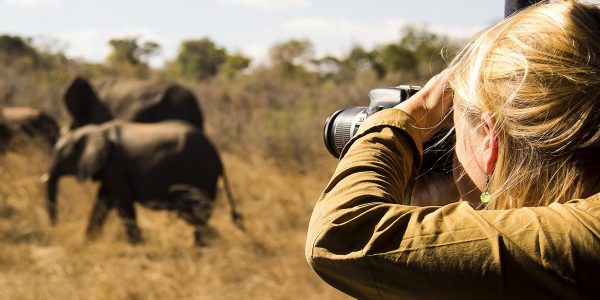
Tanzania photo tour from the homeland of Kilimanjaro, traveling to Arusha as getting closer to Hadza, Maasai, and Mbulu Communities in Karatu, Safari to Ngorongoro Crater, and Lake Manyara. This cultural photography tour will focus on live living photography in some ethnic tribes like Maasai Tribes, Hadzabe tribe, Datoga, Local Swahili people in the streets, Mbulu tribes and more.

Day by day highlights:

  • Day 1-2: Arrival Kilimanjaro – Arusha
  • Day 3-4: Arusha – Tarangire, Wildlife Photography in Tarangire
  • Day 5: Tarangire – Manyara, Wildlife Photography in Lake Manyara
  • Day 6: Karatu – Ngorongoro Crater
  • Day 7: Wildlife Photography in Ngorongoro Crater
  • Day 8: Ngorongoro – Serengeti
  • Day 9-11: Wildlife Photography in the Serengeti
  • Day 12: Fly from Serengeti – Arusha

Tour Features:

Game Drives

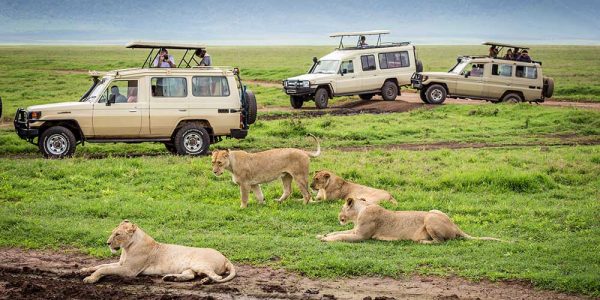
Safaris include daily game drives in a high quality Land Cruiser, suitable for up to 7 people.

Luxury Safari

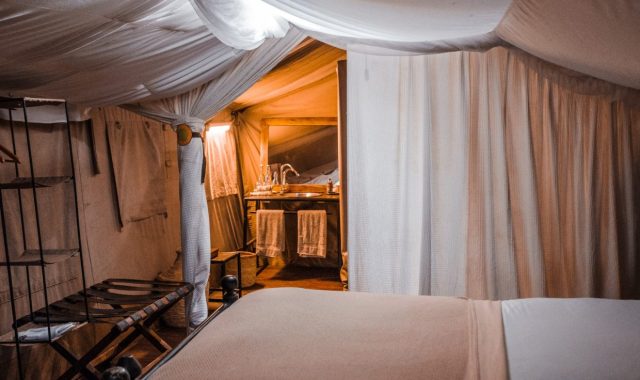
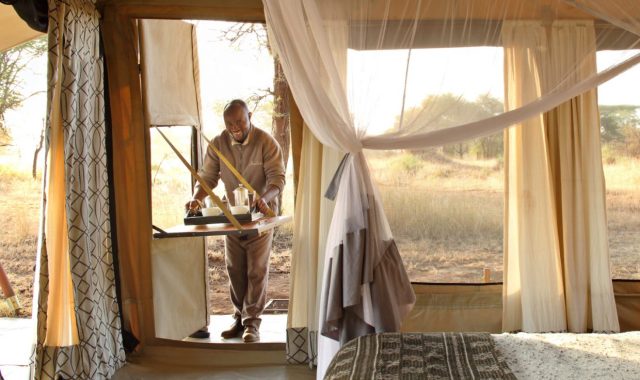
Elevate your travel experience with private, tailor-made luxury safari tours to Tanzania created by our experts. Great Image Expedition is proudly based in Tanzania and offers bespoke Tanzania Safari Packages, including accommodation, meals, all-ground transport, and activities.

Meals & Drinks Included

All meals as listed, local alcoholic and non-alcoholic drinks are included.

Recommended dates

If availability permits, this tour can start on any day.

arusha monkey

Day 1-2: Arrival Kilimanjaro – Arusha

Upon arrival at Kilimanjaro International Airport, you will warmly be met by our representative and transfer you to your place of stay in Arusha for dinner and an overnight.

Day 2: Wildlife Photography in Arusha National Park

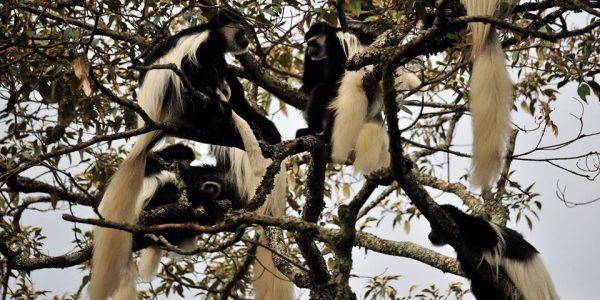
In the morning after breakfast, with picnic lunch, you will pay a visit to Arusha National Park for game viewing and your first experience on African Wildlife Photography. Arusha National Park is one of the best parks in Tanzania with extremely unbeatable scenic beauties from each angle and a lot of opportunities for game viewing and hiking across the African Wilderness! Here you have a great chance to see both Mt. Kilimanjaro and Meru at the same time, in addition to the breathtaking Momela Lakes and the Ngurdoto Crater. The aerial acrobatics of the rare Black and White Colobus Monkeys will surely leave you agape!Dinner and an overnight stay in Arusha.

Show More

Accommodation options

tarangire 3a

Day 3-4: Arusha – Tarangire, Wildlife Photography in Tarangire

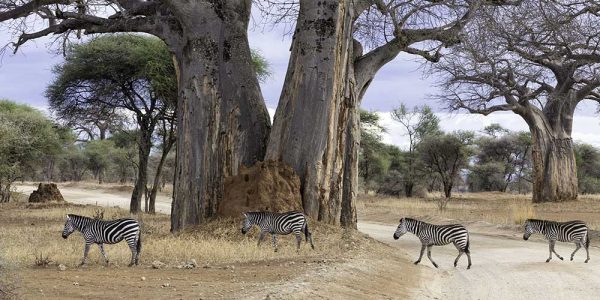
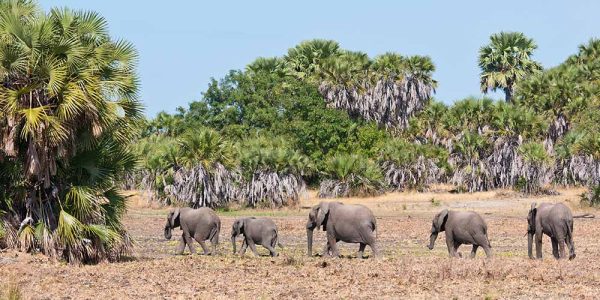
Drive to Tarangire National Park for lunch, in the afternoon game viewing in the Park. Tarangire is the third largest national park in Tanzania and best known for its largest herds of elephants in Africa and one of the most remaining ancient trees in the world with full of amazing stories, the gigantic Baobab Trees! Here you will be able to observe a diversity of wildlife magnetized by the Tarangire River that allows animals to play and lounge around.Dinner and overnight stay in Tarangire.

Day 4: Wildlife Photography in Tarangire National Park

Embark on a full day game drive in Tarangire National Park. The Park is the wilderness experience in its own right! Tarangire is much more wooded than Serengeti with Acacia Trees and mixed woodland dotting the African Savannah of the Park. Herds of up to 300 elephants scratch the dry river bed for underground streams, while the migratory Wildebeests, Zebras, Buffalos, Impalas, Gazelles, Hartebeests and Elands crowds the shrinking lagoons. It is also the one place in Tanzania where dry – country antelopes such as the stately Fringe – eared Oryx and peculiar spiral – horned Lesser Kudus can readily be observed. Dinner and an overnight stay in Tarangire.

Show More

Accommodation options

manyara 2

Day 5: Tarangire – Manyara, Wildlife Photography in Lake Manyara

After breakfast, drive to the foothills of the Ngorongoro Crater Highlands, en route visit Lake Manyara National Park. Lake Manyara NP is a lovely scenic park that offers another unique experience of a Tanzania Safari! The park is also famous for its elephants; a huge number of baboons and due to its varied landscape, the park has an impressive range of other game animals including wildebeest, buffalo, hippo, flamingo, zebra, warthog, waterbuck, dik-dik and impala. Bird – Watching here is very good, especially raptors. Along the way, you will stop and discover the local village of Mto wa Mbu to experience the real African life, the local market and enjoy the exceptional hospitality of the local people. After a home-hosted local lunch, you will drive up across the Great East African Rift Valley to your other beautiful place of stay on the foothills of Ngorongoro at Karatu.

Show More

Accommodation options

Ngorongoro_rhino

Day 6: Karatu – Ngorongoro Crater

After a leisurely breakfast, you will have a chance to visit Iraqwi People in the area. These are ancient Cushitic people who moved here from the “Horn of Africa” nearly 1’000 years ago and they practice farming in the area. Later during the day, drive up to Ngorongoro Conservation Area for lunch, followed by an afternoon game viewing in the famous Ngorongoro Crater. Afterward, you ascend on the most breathtaking walls of the caldera to your place of stay on the rim of the Crater.

Show More

Accommodation options

Ngorongoro 2a

Day 7: Wildlife Photography in Ngorongoro Crater

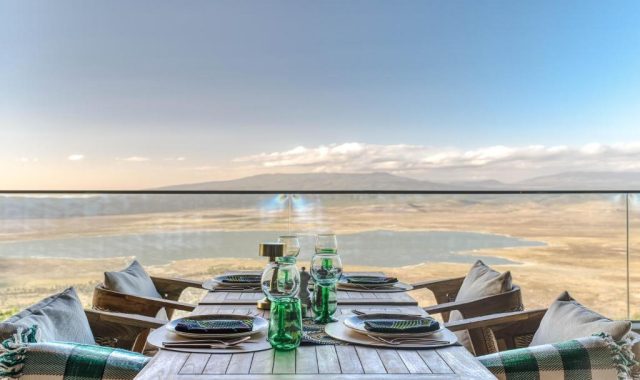
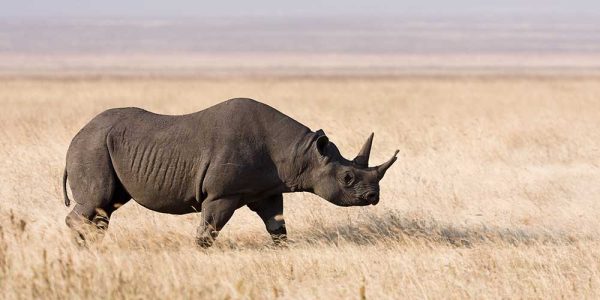
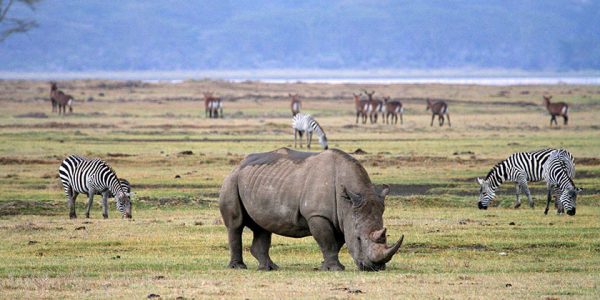
Rise up early with the sun and descend down into the famous Ngorongoro Crater for game viewing. Ngorongoro Crater is such a unique safari destination, a veritable “Garden of Eden”. With a large concentration of animals and short grasslands, game viewing in the crater, or more appropriately a caldera is excellent as animals are everywhere! The caldera is reputed to contain the highest density of carnivores in the world and the only place in East Africa where one can easily observe the last remaining populations of Black Rhinos in the real natural world. Dinner and overnight stay in Ngorongoro.

Show More

Accommodation options

serengeti 1

Day 8: Ngorongoro – Serengeti

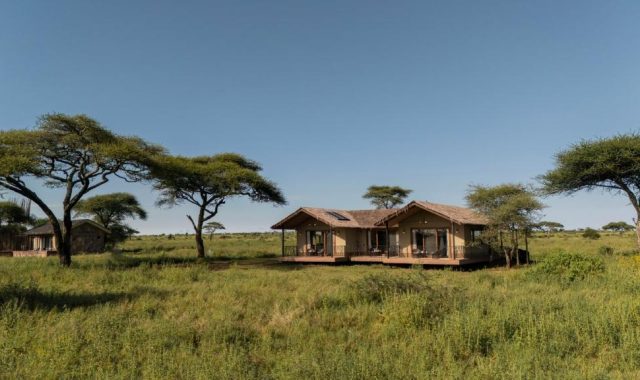
Today you drive to Serengeti National Park for lunch and an afternoon game drive. Serengeti is Tanzania’s most renowned national park and home to the greatest concentrations of large mammals on the planet. The name Serengeti is derived from a Maasai word ‘Siringet’ to mean ‘endless plains’, and these rolling distances of short grass plains provide an exceptional landscape for African Wildlife Photography; your ultimate safari country– this is the highlight of your safari, you are in the total wilderness of Africa with game viewing around you to give you, your very own ‘Out of Africa’ experience! Dinner and overnight stay in Serengeti.

Show More

Accommodation options

safari photo

Day 9-11: Wildlife Photography in the Serengeti

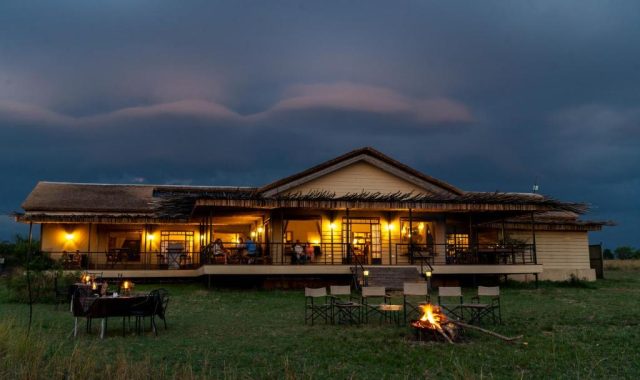
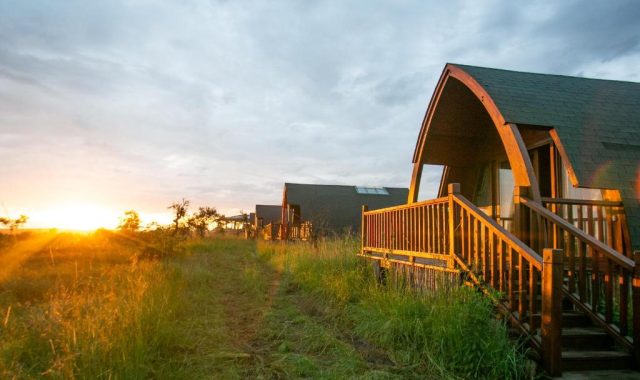
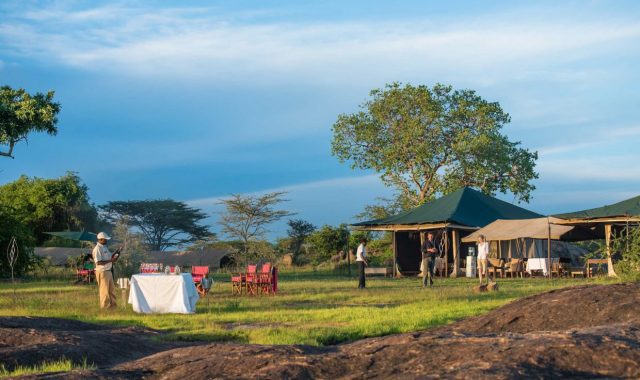
The following day you will have game drives at your leisure and track wildlife in the Mighty Serengeti. Serengeti National Park never disappoints! The location of your accommodation is chosen to ensure you get the best for your African Wildlife Photography. Dinner and overnight stay in the Serengeti.

Day 10: Wildlife Photography in Serengeti National Park

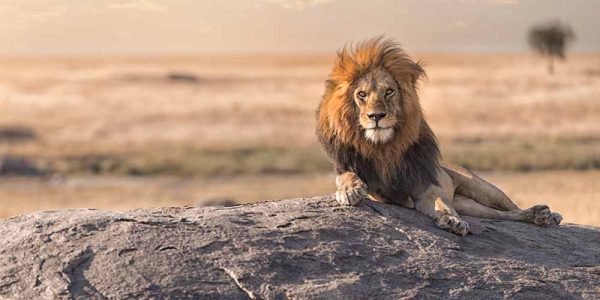
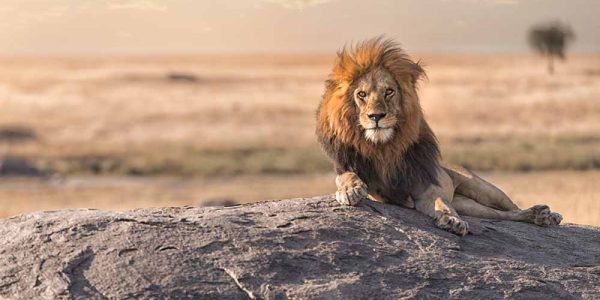
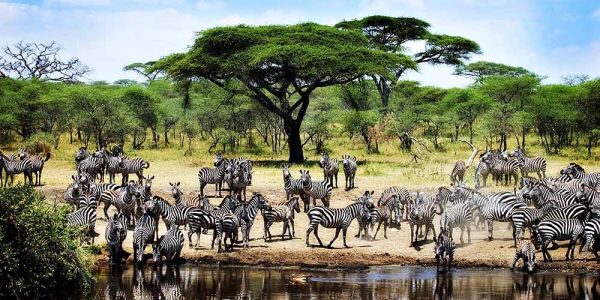
With picnic lunch, game drives in the Serengeti to view and photograph the great migration of animals. In this Park, you will be so amazed by the endless plains of the Serengeti dotted with thousands and thousands of game animals decorating the plains and the woodland pockets in the area! In the wake of all these, follow the predators- Lions, Leopards, Cheetahs, Hyenas, and Jackals, while vultures circle overhead to clean up. It is this migration that many people envisage when they think of the “Wild Africa”. The timing is so perfect to enable you to enjoy the magic of real African wilderness and the beautiful African Sunset at the horizon! Dinner and an overnight stay in the Serengeti.

Day 11: Wildlife Photography in Serengeti National Park

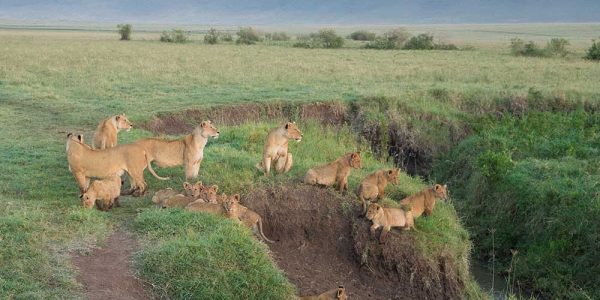
Morning and Afternoon game drive in the Serengeti, exploring more on the last great migration of mammals on the planet. The area is also so rich in terms of the large Carnivore populations this time as these predators celebrate the coming through of the migratory prey animals in their areas! Part of the day, you will be looking for the Big Cats. Incidences of a Cheetah chasing a Gazelle or Lions making a kill and the Great Migration of animals that involves thousands and thousands of Wildebeests and Zebras are just some of the unique sightings you may encounter on safari in Africa. Serengeti National Park has all these for you on your African Photo Safari during your visit! Dinner and an overnight stay in the Serengeti.

Show More

Accommodation options

fly-in southern

Day 12: Fly from Serengeti – Arusha

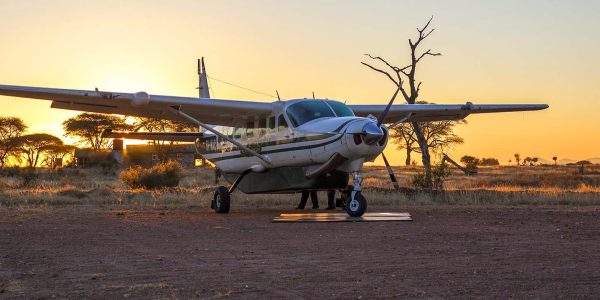
Today is another wonderful experience, boarding your plane and fly low over the remote wilderness and the scenic volcanic mountains back to Arusha for lunch and a day room. Late afternoon, you will be transferred to Kilimanjaro Airport for your International Flight connections.

The package includes:

  • An English-Speaking Professional Safari Guide,
  • All Transport on Safari in 4 x 4 open-roof Land Cruisers,
  • All Airport Transfers in Tanzania,
  • All Meals in Tanzania,
  • All Park Entry Fees and Crater Service Fees,
  • All Accommodation in Tanzania,
  • Temporary Medical Evacuation Membership Service for Emergency on safari,
  • Soft Drinks during game drives-Water/Sodas,
  • A Visit to Iraqwi Cultural Village.

The package excludes:

  • International flights
  • Personal items (Souvenirs, travel insurance, visa fees, etc.)

8 Days Lake Natron, Serengeti & Ngorongoro Safari with Oldoinyo Lengai Hike & Cultural Experiences

8 Days Lake Natron, Serengeti & Ngorongoro Safari with Oldoinyo Lengai Hike & Cultural Experiences

Climb Africa’s Sacred Volcano, Witness Flamingos at Lake Natron & Explore Tanzania’s Top Wildlife Parks

This 8 Days Tanzania Adventure Safari is crafted for travelers seeking remote landscapes, deep cultural encounters, and iconic wildlife in one unforgettable journey. Spend three full nights at Lake Natron, exploring flamingo-filled shores and climbing the sacred Ol Doinyo Lengai volcano, before immersing yourself in the wildlife-rich plains of the Serengeti National Park for three nights of exceptional game viewing.
Your adventure continues with a descent into the Ngorongoro Crater and Lake Manyara, one of Africa’s most remarkable natural wonders.

This itinerary is perfect for adventure seekers, photographers, hikers, and safari lovers who want something truly different from standard Tanzania safaris.

TOUR HIGHLIGHTS

  • Climb Ol Doinyo Lengai, Africa’s sacred active volcano

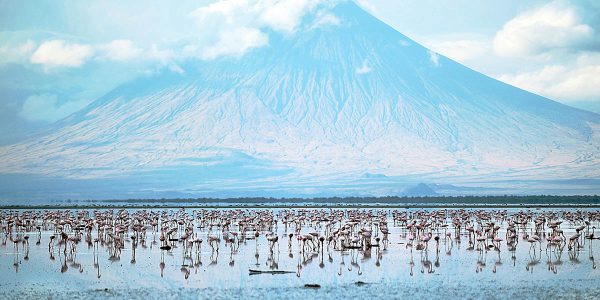
  • Visit Lake Natron, flamingo breeding grounds & waterfalls

  • Explore Serengeti National Park, home of the Great Migration

  • Descend into the Ngorongoro Crater for Big Five wildlife viewing

  • Authentic Mto wa Mbu cultural tour with local lunch

  • Remote, off-the-beaten-path Northern Tanzania experience

Tour Features:

Game Drives

Safaris include daily game drives in a high quality Land Cruiser, suitable for up to 6 people.

Mid-Range Safari

This 8-day Tanzania adventure safari is designed for travelers seeking something deeper than a classic game drive. From the remote beauty of Lake Natron and the spiritual climb of Oldoinyo Lengai, to the wildlife-rich plains of the Serengeti and the natural wonder of the Ngorongoro Crater, this journey blends raw nature, iconic wildlife, and authentic culture.

Recommended dates

If availability permits, this tour can start on any day.

Lake Natron Camp 1

Day 1: Arusha – Transfer to Lake Natron

We will pick you up from your Hotel in Arusha/Moshi or Upon arrival at Kilimanjaro International Airport or Arusha, meet your private safari guide and depart for the remote and dramatic landscapes of Lake Natron. Travel through Maasai villages and volcanic terrain within the Great Rift Valley.
Arrive in the late afternoon and relax at your lodge with views of Ol Doinyo Lengai, the Mountain of God.

Show More

Accommodation options

lake-natron-10[2]

Day 2: Lake Natron – Flamingos, Waterfalls & Maasai Culture

After breakfast, enjoy a guided walk along the shores of Lake Natron, famous for its red mineral waters and large populations of lesser flamingos. Continue to the Ngare Sero waterfalls for a refreshing swim before returning to camp.
In the afternoon, visit a local Maasai community to learn about traditional life, customs, and storytelling.

Show More

Accommodation options

lake-natron-4

Day 3: Ol Doinyo Lengai Climb or Nature Exploration

Very early in the morning, adventurous guests may begin the guided climb of Ol Doinyo Lengai, Africa’s only active carbonatite volcano. Reach the summit at sunrise for breathtaking views across the Rift Valley.
Guests not climbing can enjoy nature walks, birdwatching, or relaxation at the lodge.

Show More

Accommodation options

serengeti 1

Day 4: Lake Natron to Serengeti National Park

After breakfast, journey through remote northern routes toward Serengeti National Park, entering via less-traveled corridors for a true wilderness experience.
Enjoy your first afternoon game drive, spotting giraffes, elephants, zebras, and predators roaming the endless plains.

Show More

Accommodation options

serengeti (4)

Day 5: Full Day Safari in Serengeti National Park

Spend the day exploring the heart of the Serengeti with extended game drives. Depending on the season, witness the Great Wildebeest Migration, large lion prides, cheetahs, leopards, and abundant plains game.
Optional hot air balloon safari available for a magical sunrise experience.

Show More

Accommodation options

Ngorongoro 4a

Day 6: Serengeti National Park – Big Cats & Endless Plains

Enjoy another full day of game viewing in different regions of the Serengeti, maximizing wildlife encounters and photography opportunities.
Your guide will tailor the day based on animal movements and guest interests.

Show More

Accommodation options

ngo3

Day 7: Serengeti to Ngorongoro Crater – Karatu

Depart Serengeti toward the Ngorongoro Conservation Area.
Descend into the Ngorongoro Crater for an unforgettable safari, home to the Big Five, including the rare black rhino. Enjoy a picnic lunch on the crater floor before continuing to Karatu for overnight.

Show More

Accommodation options

Mto Wa Mbu

Day 8: Lake Manyara & Mto wa Mbu Cultural Tour - Return to Arusha

After breakfast in Karatu, depart for Lake Manyara National Park, home to flamingos, elephants, and tree-climbing lions then visit Mto wa Mbu village, one of Tanzania’s most vibrant cultural melting pots, home to more than 120 ethnic groups. Accompanied by a local guide, explore the village on foot as you visit banana plantations, local homes, traditional workshops, and small markets. Learn about daily life, farming practices, wood carving, and traditional art that have been passed down through generations.

Midday, enjoy a hot, freshly prepared traditional lunch made from local ingredients—an authentic taste of northern Tanzania and a highlight for many travelers.

In the afternoon, continue your scenic drive back to Arusha, arriving in the late afternoon for your hotel drop-off or transfer to Kilimanjaro International Airport, marking the end of your unforgettable Tanzania adventure safari.

The package includes:

  • All airport transfers (Arusha / Moshi)

  • Private 4×4 safari vehicle with pop-up roof

  • Professional English-speaking driver-guide

  • All park & conservation fees (Serengeti, Ngorongoro, Lake Natron, Manyara)

  • Accommodation & meals as per itinerary

  • Oldoinyo Lengai hike support & local guide

  • Lake Natron activities (waterfalls & flamingos)

  • Ngorongoro Crater game drive

  • Mto wa Mbu cultural tour & hot local lunch

  • Bottled drinking water during safari

The package excludes:

  • International & domestic flights

  • Tanzania visa & travel insurance

  • Tips for guide, porters & camp staff

  • Alcoholic & soft drinks (unless stated)

  • Optional activities (e.g. Maasai village fees)

  • Personal expenses & souvenir

Other Safari Tours

No results found.

7 Days / 6 Nights Nyerere National Park (Selous) Safari from Zanzibar or Dar es Salaam

7 Days / 6 Nights Nyerere National Park (Selous) Safari from Zanzibar or Dar es Salaam

Nyerere National Park safari tour

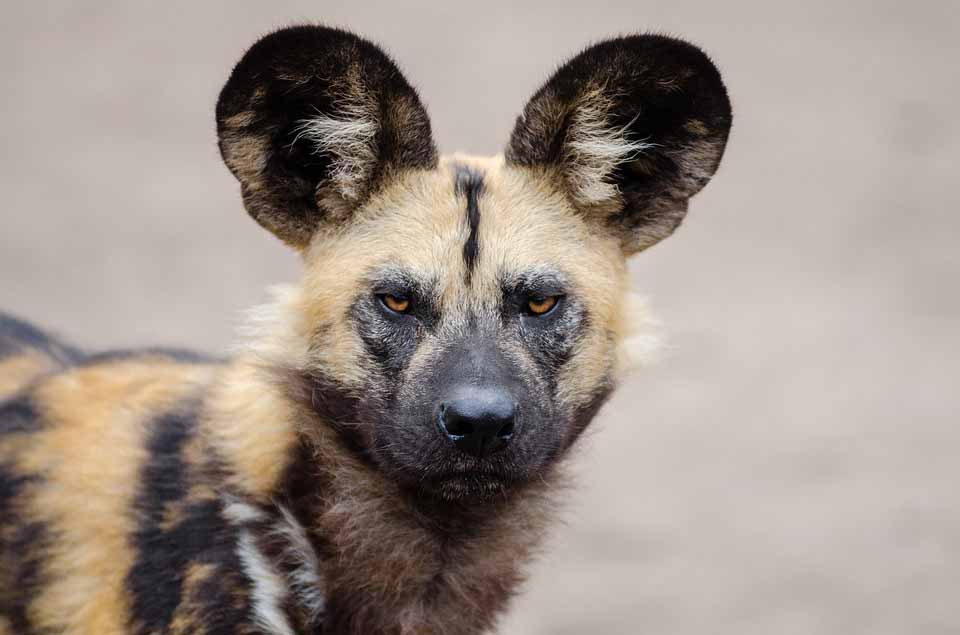
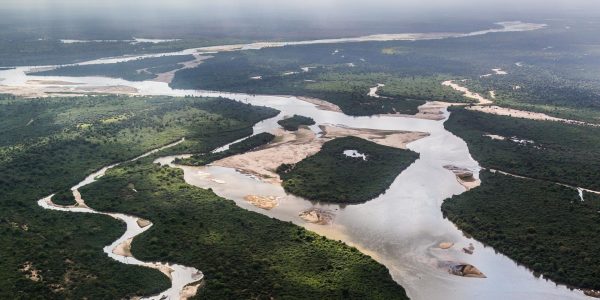
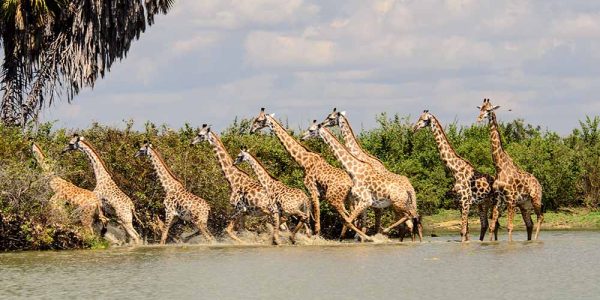
This 7-day Nyerere National Park safari offers an in-depth exploration of Tanzania’s largest and most untouched wilderness. Formerly known as Selous Game Reserve, Nyerere is famous for its huge elephant herds, African wild dogs, boat safaris on the Rufiji River, and walking safaris. Starting from Zanzibar or Dar es Salaam, this itinerary combines comfort, exclusivity, and immersive wildlife experiences far from the crowds of the northern circuit.

Highlights:

  • Extensive time in Nyerere National Park (Selous)

  • Combination of game drives, walking safaris & boat safaris

  • Remote, uncrowded wilderness experience

  • Ideal safari from Zanzibar or Dar es Salaam

  • Excellent for wildlife photography & nature lovers

Tour Features:

Game Drives

Safaris include daily game drives in a high quality Land Cruiser, suitable for up to 6 people.

Mid-Range Safari

Tanzania Mid-range Safari. We provide the best Tanzania mid-range Safari Experience. Enjoy our tented lodges, fantastic wildlife, and top-rated services.

Recommended dates

If availability permits, this tour can start on any day.

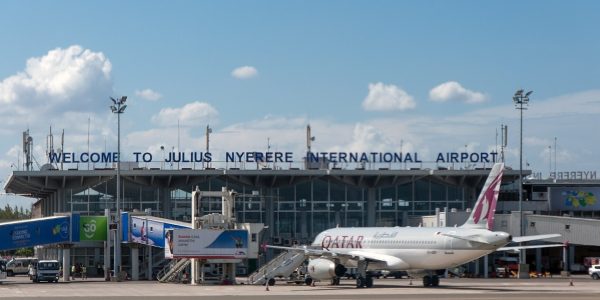
Julius Nyerere International Airport

Day 1: Arrival in Tanzania – Dar es Salaam or Zanzibar

Upon arrival at Dar es Salaam International Airport or Zanzibar International Airport, you will be met by our representative and transferred to a nearby comfortable hotel. This day is designed for rest and relaxation after your journey, allowing you to prepare for your upcoming safari adventure. Overnight at a city hotel on a bed and breakfast basis.

Show More

Accommodation options

Sand Rivers Selous 1

Day 2: Fly to Nyerere National Park (Selous) – Afternoon Game Drive

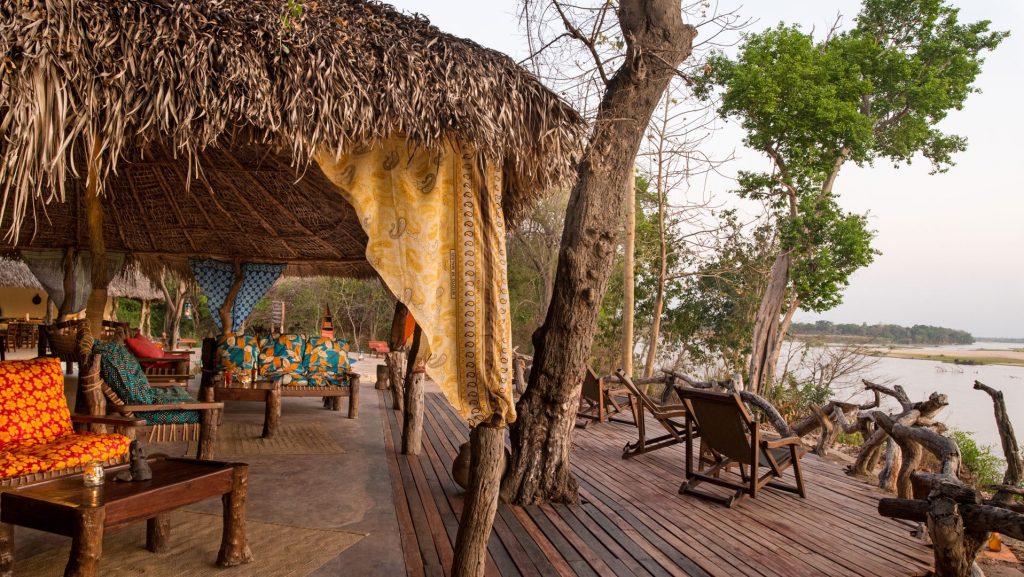
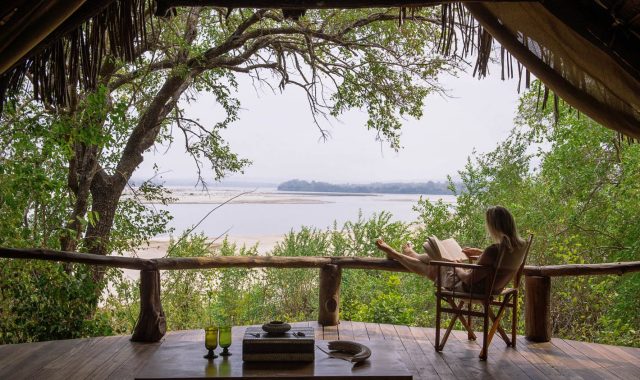
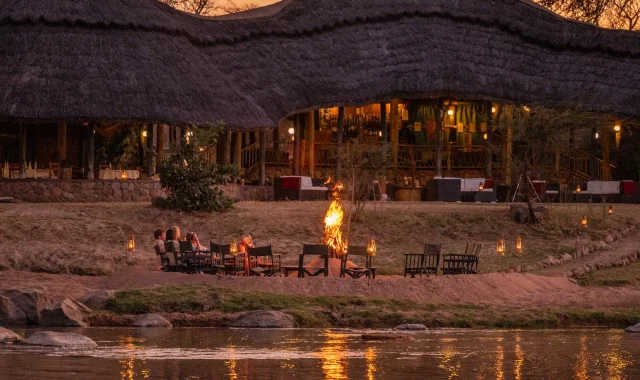
Early in the morning, you will be picked up from your hotel and transferred to the airport or airstrip for your scheduled bush flight to Nyerere National Park. Upon arrival in the reserve in the early afternoon, you will be welcomed by your safari guide and transferred to your tented safari camp. After lunch, head out for an afternoon game drive, your first introduction to this vast wilderness. Dinner and overnight at the camp.

Show More

Accommodation options

21438734 - family of elephants walking in the bushland of tanzania - national park selous game reserve

Day 3: Full-Day Game Drives in Nyerere National Park

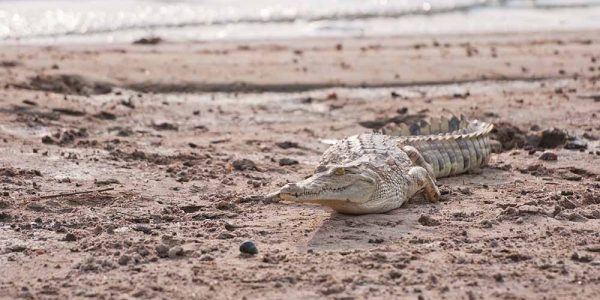
After breakfast, enjoy a full day of wildlife viewing with morning and afternoon game drives inside Nyerere National Park. This remote ecosystem is home to large populations of elephants, buffalo, African wild dogs, as well as lions, giraffes, zebras, eland, kudu, impala, baboons, and crocodiles. Between activities, return to camp for lunch and relaxation. Dinner and overnight at the same camp on a full-board basis. animals coming to drink!

Accommodation options

Selous 3

Day 4: Walking Safari & Rufiji River Boat Safari

Following breakfast, set out on a guided walking safari accompanied by an armed ranger, offering an intimate and educational perspective of the African bush. Learn to track animals and observe nature up close. Enjoy a picnic lunch in the wilderness, then continue to the Rufiji River for an afternoon boat safari, where you will see hippos, crocodiles, and abundant birdlife along the riverbanks. As the sun sets, return to camp for dinner and overnight.

Show More

Accommodation options

21438620 - crocodile in the national park selous game reserve in tanzania

Day 5: Sunrise & Sunset Game Drives in Nyerere

Wake up early for a sunrise game drive, one of the best times to see predators and capture stunning photographic moments. Return to camp around mid-morning for breakfast, followed by leisure time to relax by the pool or enjoy river views. After lunch, head out again for an afternoon game drive, ending with a magical sunset over the plains of Nyerere National Park. Dinner and overnight at the camp.


Show More

Accommodation options

selous 4

Day 6: Nyerere National Park – Return to Dar es Salaam

After breakfast, depart the camp and begin your journey back to Dar es Salaam or Zanzibar, you will have a last game drive en route to a nearby airstrip. Arrive in Dar es Salaam or Zanzibar in the late afternoon and transfer to your hotel for overnight.

Show More

Accommodation options

Sand Rivers Selous 1

Day 7: Departure or Extension to Zanzibar

After breakfast, transfer to Dar es Salaam International Airport for your onward international flight, or connect to a domestic flight to Zanzibar for a beach extension. This marks the end of your unforgettable 7-day Nyerere National Park safari experience

Includes:

  • Airport pickup & drop-off in Dar es Salaam or Zanzibar

  • 2 nights hotel stay in Dar es Salaam or Zanzibar (bed & breakfast)

  • Scheduled bush flights to/from Nyerere National Park

  • All Nyerere National Park entrance & conservation fees

  • 4 nights tented safari camp accommodation

  • All meals as per itinerary (full board during safari)

  • Shared or private 4×4 game drives

  • Guided walking safari with armed ranger

  • Boat safari on the Rufiji River

  • Professional English-speaking safari guide

  • Bottled drinking water during activities

  • All government taxes & park levies

Excludes:

  • International flights

  • Visa fees & travel insurance

  • Personal expenses (laundry, souvenirs)

  • Alcoholic & premium drinks

  • Optional activities not listed

  • Tips for guides, rangers, and camp staff

Other Safari Tours

No results found.

Mount Kilimanjaro National Park

[vc_row][vc_column][vc_column_text]Mount Kilimanjaro is a dormant stratovolcano located in Tanzania. Standing at 5,985 meters (19,341 feet), it is the highest point in Africa and is known locally as ‘The Roof of Africa’ as a result.

It is also the tallest free-standing mountain in the world – meaning it is not part of a mountain range. Kilimanjaro is also unique as it is located just 330km from the equator. The mountain is composed of three distinct volcanic cones – Kibo (5,895m), Shira (3,962m) and Mawenzi (5,149m), with Kibo being the highest at Uhuru Peak. While Mawenzi and Shira are extinct, Kibo is dormant and could erupt again in the future.

Climb Kilimanjaro

Compared to other mountains, Mount Kilimanjaro is a relatively easy climb. You don’t need to be a professional climber to attempt the ascent, although a good level of physical fitness is a must.

With the assistance of our professional guide team, we can get you to the peak so that you can gaze out across Africa.

Our experienced mountain guides will ensure that your climb to the roof of Africa is as safe and easy as possible. They have an intimate knowledge of the various routes and the climate conditions, allowing them to predict changes and avoid accidents along the way.

Weather on Kilimanjaro

At 100 kilometres in length and 60 kilometres in width, Mount Kilimanjaro has its own climate and five distinct vegetation zones. The climatic conditions on Mount Kilimanjaro change with the altitude; ranging from a tropical climate at its base to arctic conditions at the summit.

Kilimanjaro’s foothills enjoy a yearlong summer, with temperatures at the base averaging 25-30C year round. Conversely, temperatures at the summit range from a chillier -10C to -20C. As a rule of thumb, the temperature drops by 1C for every 200m you ascend.

The mountain experiences two rainy seasons: the monsoon (or long rainy season) between March and May, and the short rainy season from mid-October until late December. At the base, the mountain has upwards of 2,000mm of rain per year, compared to just 100mm of rain at the summit.

Kilimanjaro’s Distinct Vegetation Zones

Climbing Kilimanjaro is not just about defeating the mountain and standing atop it. An ascent is also a fascinating journey through multiple climate and vegetation zones, each a distinct habitat with unique flora and fauna.

  • The Farmland Zone (800 – 1,800 meters);
  • Mountain Forest (1,800 – 2,800 meters);
  • Low Alpine Zone (2,800 – 3,800 metres);
  • Alpine zone ( 3,800 – 5000 metres )
  • The Summit (5000+ metres).

The Farmland Zone (800 – 1,800 meters)
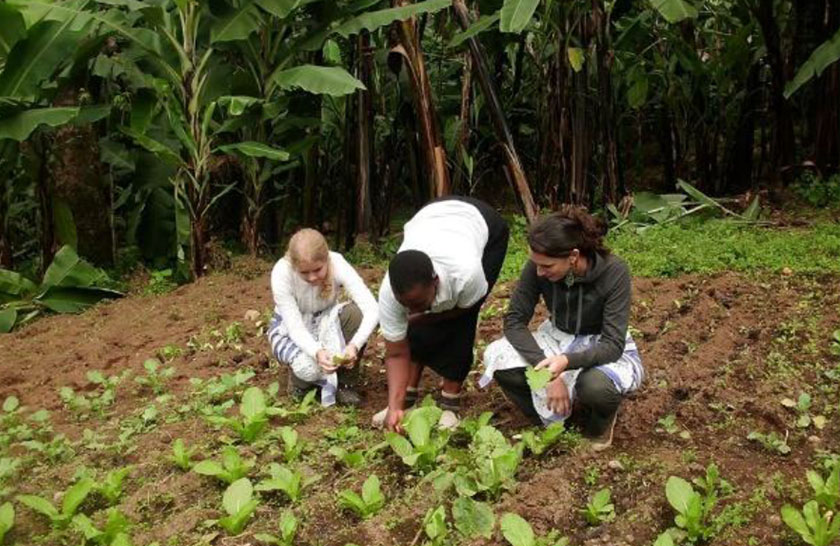
Characterized by vast fields of grass, the slopes between 800 and 1,800m receive plenty of rainfall. The Chagga people use this area for agriculture and livestock due to the rainfalls and the rich, volcanic soil. The locals primarily harvest coffee and bananas in this zone, although maize, beans, and other crops are also grown. The northern and eastern slopes are not as heavily cultivated, and so more native vegetation can be seen in these areas. There are no wild animals in the farmland zone, but you can still see lowland forest, bush land, wildflowers, and scrub.

Mountain Forest (1,800 – 2,800 meters)
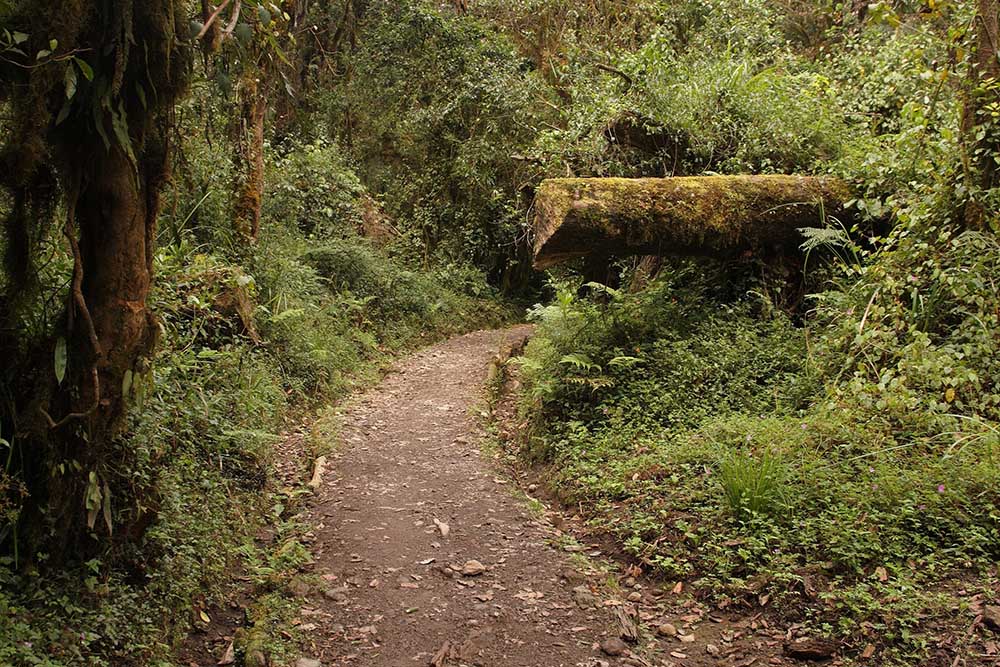
Beginning at 1,800m, the mountain forest zone is the most fertile of all of Kilimanjaro’s vegetation zones. About 96% of Kilimanjaro’s rain falls in this zone, and so the region is extremely wet for most of the year. The thick vegetation is home to animals such as blue monkeys, elephants, black and white colobus monkeys, bush pigs, squirrels, duikers, elands, and even leopards; although these can be difficult to spot in the thick undergrowth. Unlike most East African mountain forests, Kilimanjaro’s forests do not have bamboo trees. They do, however, have an impressive variety of bird life.

Low Alpine Zone (2,800 to 3,800 metres)
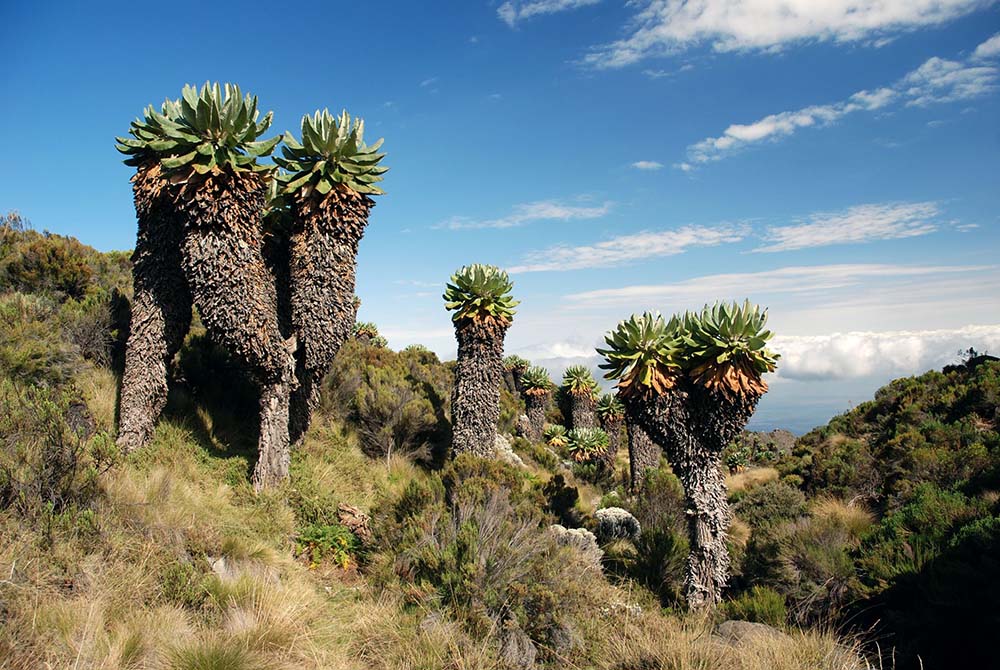
Stretching from 2,800m to 3,800m, the low alpine zone has two overlapping vegetation types: heaths and the moorland. The misty heaths begin immediately above the treeline and experience cooler (around 0C or below) temperatures and fairly high rainfall (approximately 1300mm a year). Broad grassy fields dotted with wildflowers characterise this part of the low alpine zone, and animals such as elands, duikers, bushbucks, and buffalo can be seen here. Beautiful flora such as the yellow-flowered Protea, red-hot poker, Erica Arborea (tree heath), and a number of other plants unique to the area can also be seen. At approximately 3,200m, the moorlands begin. The air begins to thin at this point, making hiking more difficult and ensuring clear skies overhead. Despite these harsher conditions, it is still possible to see a variety of wildlife such as elephants, elands, klipspringers, and a variety of local rodents at this height. The giant Dendrosenecio Kilimanjari, unique to the mountain, dominates the plant-life in this zone.

The Alpine Zone (4,000 to 5,000 metres)
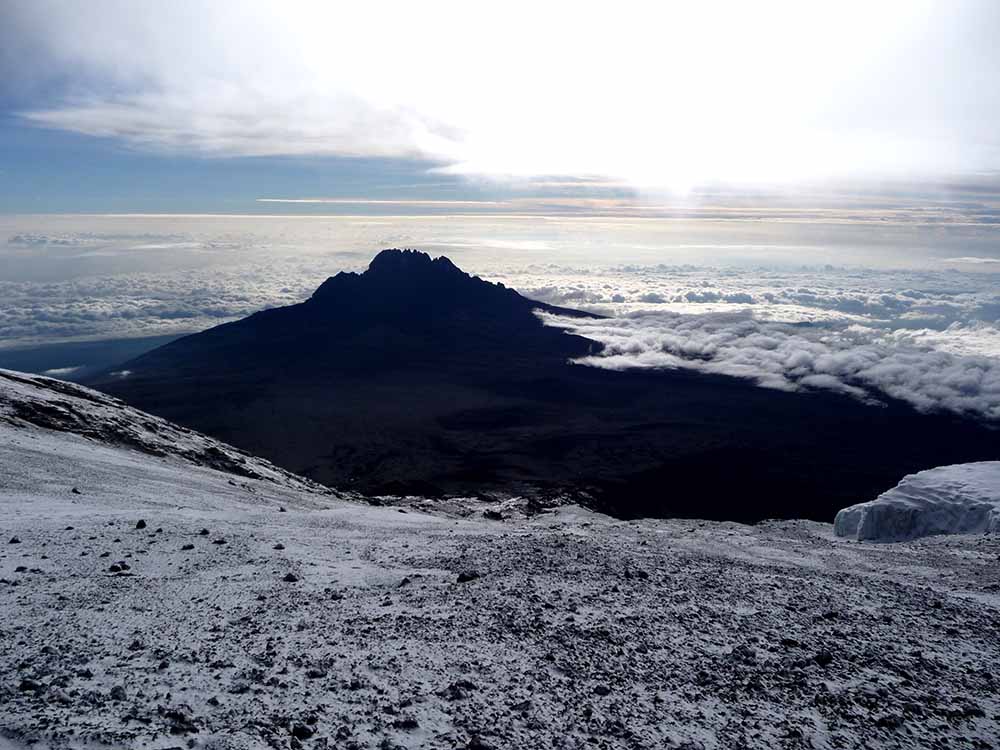
At around 4,000 metres the alpine zone begins. An area of alpine desert with sandy soil and harsh weather, it is here that the temperatures begin to have extreme variations that can jump between 40C during the day and below 0C by night. There are no permanent animal populations at this height, and plant life is limited to hardy flowers and mosses.

The Summit (5000+ metres)
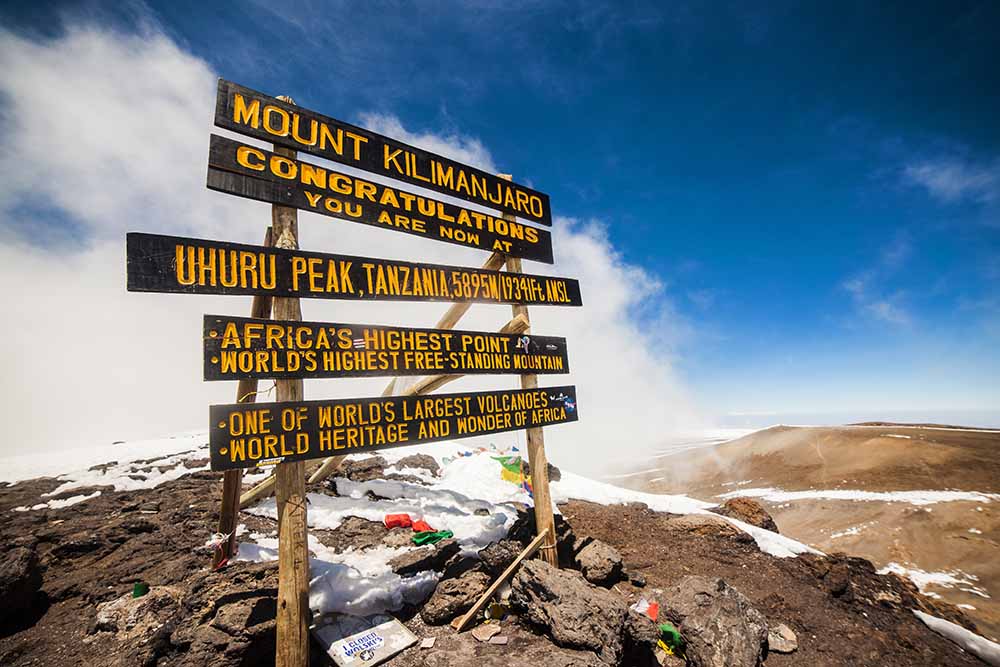
At this height, there is only rock and ice. Only insects and the hardiest forms of lichen can exist in these harsh conditions. The summit has a number of glaciers, the most prominent of which is the Great Northern Glacier at Kibo’s northern face.[/vc_column_text][/vc_column][/vc_row]

Udzungwa Mountain National Park

[vc_row][vc_column][vc_column_text]Harbouring one of East Africa’s great forests, Udzungwa Mountain National Park has an area of 1990 sq km, bordered by the Great Ruaha River to the north, with Mikumi National Park and Selous Game Reserve located further to the north and east. Protected as a national forest reserve until  1992  when  it  was  commissioned  as  National  Park,  Udzungwa Mountains is undoubtedly one of the few true virgin and unique forested lands remaining in the world. The major attractions include its biologically diverse forest, harbouring some plant species found nowhere else in the world, from a tiny African violet to 30-metre high trees.

Apart from the forest, which acts as a water catchment area and has a large number of endemic species of both animals and plants, the park has spectacular mountains scenery, grasslands, rocks, rivers and waterfalls. One of the most interesting sights is the presence of two indigenous species of primates, the Iringa red colobus monkey and the Sanje Crested Mangabey, not known until 1979. Apart from providing habitat to about six species of primates, its plateau contains populations of elephants, buffalos, lions, leopards, African hunting dogs and several forest bird species.

Walking safaris to the Sanje River waterfalls (170 metres) is one of the popular activities in this park. Udzungwa Mountains can conveniently be combined with game drives in nearby Mikumi National Park, an hour drive to the north, or be included in the Ruaha National Park (4-5 hours drive) and Selous Game Reserve itineraries. The park can be visited throughout the year although it is a bit slippery during the wet rainy season. The dry season extends from June to October.

Info

Size: 1,990 square kilometres.

Location: Five hours from Dar es Salaam.

Best Time: June to October.

To Do: Game drives and waterfall hikes.

Known For: Hiking[/vc_column_text][/vc_column][/vc_row]

Tarangire National Park

[vc_row][vc_column][vc_column_text]Tarangire National Park lies 120 km south of Arusha, along The Great North Road highway, and is popular for day trips from the town. Tarangire offers a wide variety of wildlife in its area of 2,850 sq. km. As in all ecosystems, the vegetation and the types of animals you find are closely correlated. The principal features of the park are the flood plains and the grassland, mainly comprising various types of acacia trees, and baobabs trees, tamarind and the sausage trees.

The Tarangire River, after which the park is named, provides the only permanent water for wildlife in the area. When the Maasai Steppes dry up with the end of the long rains in June, migratory animals return to the Tarangire River, making Tarangire National Park second only to Ngorongoro in the concentration of wildlife. This period stretches between June and October and it is the best season for game viewing in Tarangire. The most common animals found in the park include zebras, wildebeest, lions, leopards, waterbucks, giraffe, elephants, gazelles, impala, gerenuk, lesser kudu and the beautiful fringe-eared oryx. You may be lucky to spot the tree-climbing python, for which the park is famous, or the greater kudu and the roan antelope which are rare species in Northern Tanzania. Over 550 bird species have been recorded in the Park.

Info

Size: 2,850 square kilometres.

Location: 120km southwest of Arusha.

Best Time: Year round, but the dry season (June to october) is the best.

To Do: Guided walking safaris, game drives, and cultural visits to nearby villages.

Known For: Elephants, Bao-bab trees[/vc_column_text][/vc_column][/vc_row]

Serengeti National Park

[vc_row][vc_column][vc_column_text]Covering an area of 14,763 sq. km, Serengeti National Park is the second largest National Park in Tanzania after Ruaha. The park is located some 320 km to the northwest of Arusha, lying in a high plateau between the Ngorongoro highlands and the Kenya/ Tanzania border, and extending almost to Lake Victoria to the west. Aptly named “endless plains” by the Maasai people, you immediately experience this vastness as you enter the southeastern plains of the park from Ngorongoro.

Declared a protected area in 1921 and gazetted as a National park in 1951, Serengeti is the oldest National Park in Tanzania and undoubtedly one of the most famous wildlife sanctuaries in the world. The principal features of the Serengeti are the short and long grass plains in the south and east, the acacia Savannah in the central areas, the hilly and densely wooded areas in the north and the extensive woodland in the west.

There is a variety of scenery, which include the plains, lakes, hills and the rock outcrops called kopjes which you can even explore by horseback. The main game drive areas in the Serengeti are the Seronera Valley, the Western Corridor, and Lobo or northern Serengeti. The Seronera valley in central Serengeti endowed with permanent surface water attracts a large concentration of wildlife throughout the year. Common animals that can be seen here are lions, buffaloes, impalas, hippos, waterbucks, elephants, cheetahs and the leopard. From December, when the long rains start, to May, eastern Serengeti plains provide the best opportunities for game viewing as hundreds of thousands of the migratory animals are concentrated in this part attracted by the short palatable grass.

Between May and July, when drought sets in, Serengeti is the site of one of the most breathtaking events in the animal kingdom – the migration of thousands of wildebeest heading southwest, north or west in search of water and greener pastures. The Lobo area remains rich in wildlife during the dry months of August to November when most of the game has moved from the grass plains in the south. This is also true of the Western Corridor towards Lake Victoria when the migration usually lingers in the area between June and July. Serengeti provides sanctuary to the highest concentration of plains animals in the world. Survey estimates indicate an animal population of over 4 million including 3,000 lions, 1,600,000 wildebeest, 300,000 Thomson‘s and Grant‘s gazelle, 500,000 zebras. There are over 400 species of birds in the Serengeti.

Info

Size: 14,763 square kilometres.

Location: 320 north of Arusha.

Best Time: December to July for the Great Wildebeest Migration. June to October for predators.

Things to Do: Great Migration, hot air balloon safaris, game drives,Walking safari,Olduvai Gorge, Lake Natron, Ol Doinyo Lengai volcano, and flying safaris.

Known For: The Great Wildebeest Migration. The world’s most famous game viewing park[/vc_column_text][/vc_column][/vc_row]

Selous Game Reserve

[vc_row][vc_column][vc_column_text]The Selous Game Reserve, with an area of about 55,000 sq. km, is the largest well-watered wildlife sanctuary in Africa, and one of the largest protected areas in the world. Its size is simply stunning, bigger than Switzerland, uninhabited and little touched by human interference. It is perhaps the most pristine wilderness still remaining in Africa, with a wide variety of wildlife habitats, including open grasslands, Acacia and miombo woodlands, swamps and riverine forests in the many tributaries of the mighty Rufiji River which flows through the reserve. Due to its unique ecological importance, it was designated a World Heritage Site by the United Nations in 1982. Its wildlife is spectacular, with some of its mammal and reptile populations the largest in Africa, namely buffaloes, elephants, hippos, wild dogs and crocodiles.

Other wildlife include the wildebeest, impala, waterbuck, zebra, eland, the greater kudu, sable antelopes, giraffe, baboon, the vervet and blue monkeys, and the black and white colobus monkey which can be seen in certain riverine forests moving from tree to tree in family groups. There is a large population of predators including lions, leopards, cheetah and the spotted hyena, and about 440 species of birds in the Selous, of both resident and migratory birds. Named after Captain Frederick Courtney Selous, a legendary 19th century naturalist, explorer and hunter, Selous Game Reserve was founded in 1905.

Selous is situated in the southern part of Tanzania, bordered by Mikumi National Park to the northwest and by Udzungwa Mountains National Park and Kibasira Swamp to the west. The greater part of northern Selous is reserved for photographic safaris, and it is one of the most beautiful and game-rich areas in the whole ecosystem.

The Selous wilderness meets the kind of dream visitors have of Africa of the early European explorers like Dr. Livingstone and Henry Stanley. The Reserve offers a wider variety of game viewing opportunities to the visitor, including the thrilling experience of a foot safari through game inhabited bushes in the company of an armed ranger. The many waterways in the Reserve provide an excellent natural setting for boat safaris, both for game viewing and bird watching. This is in addition to the game drives in 4X4 motor vehicles which, combined with boat and walking safaris, offer an exciting and richer game viewing itinerary unique to the Selous Game Reserve. The best time to visit the Selous is from June to October. During the long rains, between March and May, some parts of the Selous become impassable and are temporarily closed for game drives.

Info

Size: 55,000 square kilometres.

Location: A day’s drive from Dar Es Salaam.

Best Time: June to October or December to March.

To Do: Game drives, boat safaris, walking safaris, fishing, and hunting.

Known For: Tanzania’s largest reserve[/vc_column_text][/vc_column][/vc_row]

Ruaha National Park

[vc_row][vc_column][vc_column_text]Ruaha National Park takes its name from the Ruaha River, which flows along its southeastern border. The river provides permanent water in the park, and during the dry season animal concentration along its banks is spectacular. Ruaha National Park is about two to three hours drive from Iringa, a famous town on the Dar es Salaam to Zambia highway. Covering an area of 20,226 square kilometers, Ruaha is the largest National Park in Tanzania. Its borders were extended in 2008 to include Usangu Game Reserve to protect the Ihefu wetlands and the Great Ruaha River catchment areas and biodiversity.

This unspoiled wilderness is rich in flora and fauna, and contains a wide variety of animals that includes Greater and Lesser Kudu, roan and sable antelopes, which are rarely seen in most other game parks especially in Northern Tanzania. Ruaha National Park is famous for its herds of elephant and buffaloes. The Ruaha River, which plays an important role in the ecosystem of the park, provides sanctuary to a large number of hippos and crocodiles. During the dry season the river attracts great quantities of game including lions, leopard, hunting or wild dog, impala, waterbuck, warthog, giraffe, and elands. In the plains ostriches, cheetahs and Grant’s Gazelles can be seen. The park is rich in bird life throughout the year, with over 450 bird species recorded. The best time for game viewing is during the dry season, from May to December. During the wet months from January to April some tracks become impassable.

Info

Size: 20,226 square kilometres.

Location: Central Tanzania.

Best Time: Mid May to December.

To Do: Game drives, stone age ruins, and hiking.

Known For: Predator-prey viewing, elephants, and kudu[/vc_column_text][/vc_column][/vc_row]

Mikumi National Park

[vc_row][vc_column][vc_column_text]Sharing a common border and ecosystem with Selous Game Reserve to the south, Mikumi National Park is only three to four hours drive from Dar es Salaam, lying astride the main highway to Zambia, and en route to the National Parks of Udzungwa Mountains, Ruaha and Kitulo. The main feature of the park is the Mikumi flood plain, along with the mountain ranges that border the park on two sides. Open grasslands dominate in the floodplain, eventually merging with the miombo woodland covering the lower hills.

Mikumi National Park covers an area of 3,230 sq km, and is rich in wildlife including buffalo, wildebeest, zebra, lion, elephant, impala, hippos, baboon, giraffe, warthog, waterbuck and eland which can be viewed throughout the year. Reptiles including crocodile, monitor lizard and python are also resident in the park. Other animals that can be sighted although rare are the Sable Antelope resident in the southern part of the park bordering the Selous, the Greater Kudu, leopard, and the wild dog also known as the African Hunting Dog. More than 400 bird species have been recorded, including European migrants during the rainy season.

Mikumi National Park is one the most popular visitor points sold from our Dar es Salaam branch office. Being close to Dar es Salaam on a good road, day trips are popular especially for those who have little time to spend an overnight there. But it is recommended to spend at least a night in Mikumi to enjoy a fulfilling game drive in this beautiful park. A number of accommodation facilities are available in Mikumi.

Info

Size: 3,230 square kilometres.

Location: 283 km west of Dar Es Salaam.

Best Time: Year round.

To Do: Game drives and guided walks.

Known For: Hippopotamus and eland.[/vc_column_text][/vc_column][/vc_row]