Camping Safaris

Camping Safaris

There’s something indescribable about falling asleep to the distant cackling of hyenas, grunting of wildebeest, and the occasional roar or trumpet from one of Africa’s larger residents.

While luxury lodges and tented camps offer more in the way of comfort, camping out under the stars of the Serengeti or on the scenic rim of Ngorongoro Crater is a fantastic way to be as close as possible to the wildlife of Africa.

Why Go Camping in Tanzania?

Whether you’re looking to save some money or you’re wanting to feel a greater level of closeness to nature, camping is a fantastic option for those wanting to enjoy the best that Tanzania has to offer without breaking the bank.

With campsites available in or near both Serengeti National Park and the Ngorongoro Conservation Area, camping can be added to any itinerary featuring these destinations.

What’s Included in a Tanzania Camping Safari

You don’t need to bring a thing! We provide all necessary camping equipment.

We provide tents, sleeping bags, safari chairs, and a fold-out table for dinner. You don’t even have to worry about set-up, as your guide will construct your tent while you freshen up!

(Of course, we’re sure he wouldn’t say no to a little help)

All camping sites are secured and have public toilets and bathrooms.

Rangers patrol the camp sites to ensure that wildlife don’t get too curious about campers.

What to Bring

In addition to the other items you would bring on any safari, you will need to bring toiletries (soap, shower gel, shampoo etc.) and a towel for bathing.

Everything else is provided.

Food on Safari: A Delicious Experience

You don’t need to worry about food while on a Tanzanian camping safari, nor will you have to make do with boring meals of canned food.

Sample Menu

We provide a trained personal chef for all of our camping safaris. Using local ingredients and able to cater to any dietary preference, your private chef will prepare warm, delicious meals for breakfast and dinner.

Below, you’ll find a sample menu. We can adapt this to cater to any dietary requirement you might have, and can design it to represent either ‘western’ or African cuisine.

Breakfast

  • Fruits
  • Toast with butter, jam, marmalade, and honey
  • Eggs
  • Sausages
  • Beans
  • Porridge
  • Tea & coffee
  • Mineral water
  • Juice

Picnic Lunch

  • Sandwiches
  • Juice
  • Boiled eggs
  • Roast chicken
  • Chocolate
  • Cheese
  • Fruits
  • Mineral water
  • Coffee & tea

Dinner

  • Appetizer (Seasonal) g. Avocado salad
  • Soup (Seasonal) g. Tomato soup
  • Rice and vegetable, chicken, or beef curry
  • French fries/hot chips
  • Potato salad
  • Macaroni salad
  • Roast potatoes
  • Fish
  • Roast chicken
  • Ugali
  • Matoke
  • BBQ beef
  • Tea & coffee
  • Mineral water

Evening Snack

  • Tea & coffee
  • Roasted peanuts
  • Popcorn
  • Biscuits

What Camp-sites Do We Use?

Camping safaris are available in the Serengeti National Park,Lake Manyara, Tarangire National Park and Ngorongoro Conservation Area.

In the cases of both Seronera and Lobo in the Serengeti, you are camping within the national park.

In the case of Ngorongoro, you are camping within the Conservation Area but not in the Ngorongoro Crater.

Agritourism & Rural Tourism in Tanzania

Agritourism & Rural Tourism in Tanzania

Tanzania is known for many things from wildlife, landscapes and its pristine beaches. On the other side there are lesser talked experiences such as Agritourism and Rural tourism. Many people will ask what Agritourism or Rural tourism is? Well:

Agritourism is a blend of agriculture and tourism, based on operations or activity in agriculture centers such as plantations or ranches. It involves interactions with the local farmers where the guests get to see different farm settings,growing of crops,processing,tasting and marketing of Agricultural products.

Rural tourism perfectly suits travellers seeking authentic, unique experiences and local lifestyles. Rural travellers want to experience natural, unspoiled landscapes and stay in authentic accommodation. Rural communities in developing countries such as Tanzania often have great resources to offer such experiences. Cultural experiences and interaction with locals are increasingly popular, as well as agritourism and farm stays.

If you’re after something different from the wildlife safari or Mt.Kilimanjaro climb, perhaps it’s time to break away from civilization for a spell. That’s precisely where Tanzania Agritourism comes in. We offer an exciting getaway. You’ll venture out to the wilder side of the destination. You’ll be surrounded by nature. You’ll have hiking paths on the doorstep. And you could even get your hands dirty by helping out with day-to-day farming chores.

We are Tanzania Agritourism and Rural tourism organizers offering custom-made experiences to fully meet the needs of our guests, whether individuals or groups. We also operate all the logistics to match the desires and make your trip successful.

Our tours are ideal for travelers seeking rural communities, farm-stays, farm visits, planning and consulting in agribusiness, farm demonstrations, authentic local lifestyles, traditions and sight-seeing.

We offer Agricultural and Rural tours that showcase the wide range of experience and interests. We will arrange a custom itinerary to reflect your interests and budget, this are the types services we provide.

Education and experience agritourism : This form of agritourism includes learning and practising farm activities, farm tours, farm stays and you can also learn loads about local culinary techniques thanks to the rustic kitchens that come attached to so many Tanzania homes, where locals are often happy to showcase the ins and outs of home cooking, you will get immersed in farm life and simply enjoying the farm or rural atmosphere

Recreation and event agritourism : Harvest festivals,Farmers events, community occasions and country weddings held on farm land may draw heavily on the farm’s atmosphere. Other activities like culinary skills, camping, farm meals, cycling and horseback riding.

Luxury Tanzania Agritourism: Although rustic, Tanzania Agritourism doesn’t have to be primitive. In fact, they rarely are. There’s a distinct edge of luxury available in many of the same sort of stays. Places like these are known to have outdoor pools and sunning terraces, on-site spas and farm-to-table restaurants. Rooms often come with beautiful views of the surrounding countryside and cosy lounges where you can sit and chat to like-minded travellers as a wood fire crackles in the hearth. It’s all part of the focus on natural, healthy living, part of creating a spiritual, authentic and meaningful escape from the Rat Race.

Besides enriching itineraries and adding quality to the tours offered in Tanzania, Agritourism is generating direct income to the local communities that are being visited, contributing to their development. Thus by visiting the farms and rural areas guests would be giving support to community health, water supply, primary education and many other social and economic projects carried out at village level as well as reforestation and protection of the environment.

This are Some of the Agriculture centres which may be tailored into visitor itineraries include:

Ndombo-Mfulony-Nkoarisambu

Ndombo-Mfulony-Nkoarisambu is involves the three villages of Ndombo, Mfulony and Nkoarisambu. The site is located in Arumeru District about 2.5 km from the Moshi-Arusha Main Road, north of Tengeru. Besides tasting locally grown and roasted coffee, visitors can experience the beautiful landscape, birdlife and the rich Meru culture. They can visit a school and orphanage,enjoy a traditional lunch and entertainment from local dancers, visit the historical and archaeological sites in the vicinity, and see the three waterfalls in the area.one day to more days visit include activities such as tours of coffee and banana plantations, trying fresh local coffee that has been processed from bean to your cup right in front of you, traditional home-cooked meals, mountain biking, Temi Pottery Project in Snig’isi village, and much more hiking if that’s what you want! You can choose to stay in this place.

Mbora Women Cultural Group (Nshupu village)

Mbora Women Cultural Group was founded in 2005 and is managed by women of Nshupu village near the Usa river area with the aim of preserving the Meru tribal culture and promoting the economic development of local communities. The group has 29 members aged between 30 and 70 years, but the majority are between 30 and 50 years. The village is marketed as “a little paradise with fertile farms and green mountainous forest, which is home to hundreds of bird species and rare primates such as blackand-white colobus monkeys”. guests can take part in daily farm activities with the organic coffee growers of Nshupu village. Visitors can also learn how villagers take care of their coffee farm, prepare for harvest, pick ripe coffee berries and how they peel, wash and dry the coffee, ready for grinding using a ‘local machine’. Visitors can get homestay programs and also listen to folklore stories and mysteries about African coffee farmers. The Mbora Women’s group has compelling stories to tell about how their life is strongly linked to the coffee cultural landscape.

Mto wa Mbu

Mto wa Mbu village is situated on the foot of the Great Rift Valley bordering Lake Manyara National Park

Due to agricultural activities the area is occupied with tribes from all over the country, each with its own cultural background. Nowhere else in Tanzania have so many different tribes settled in such a small area.

Choose from a walk through the farms and green oasis on the foot of the Rift Valley, a climb to Balala Hill, a view into the culture of the many tribes living in the area,a trip to Miwaleni Lake and waterfall where there is an abundance of papyrus, visits to development projects that aim to improve agriculture and start income-generating activities for local farmers.

Visitors may see Chagga people from the slopes of the Kilimanjaro brew their famous banana beer, mbege, and learn why out of more than 30 varieties of bananas cultivated here only two species are suitable for producing the drink; meet a farmer from Kigoma extract palm oil from palm trees that he brought from the shores of Lake Tanganyika; appreciate the Sandawe with their fascinating click language, similar to the Khoisan of the Kalahari Desert, making bows & arrows for hunting; interact with the Rangi from Kondoa using the papyrus from the lakes and rivers for weaving beautiful mats and baskets.

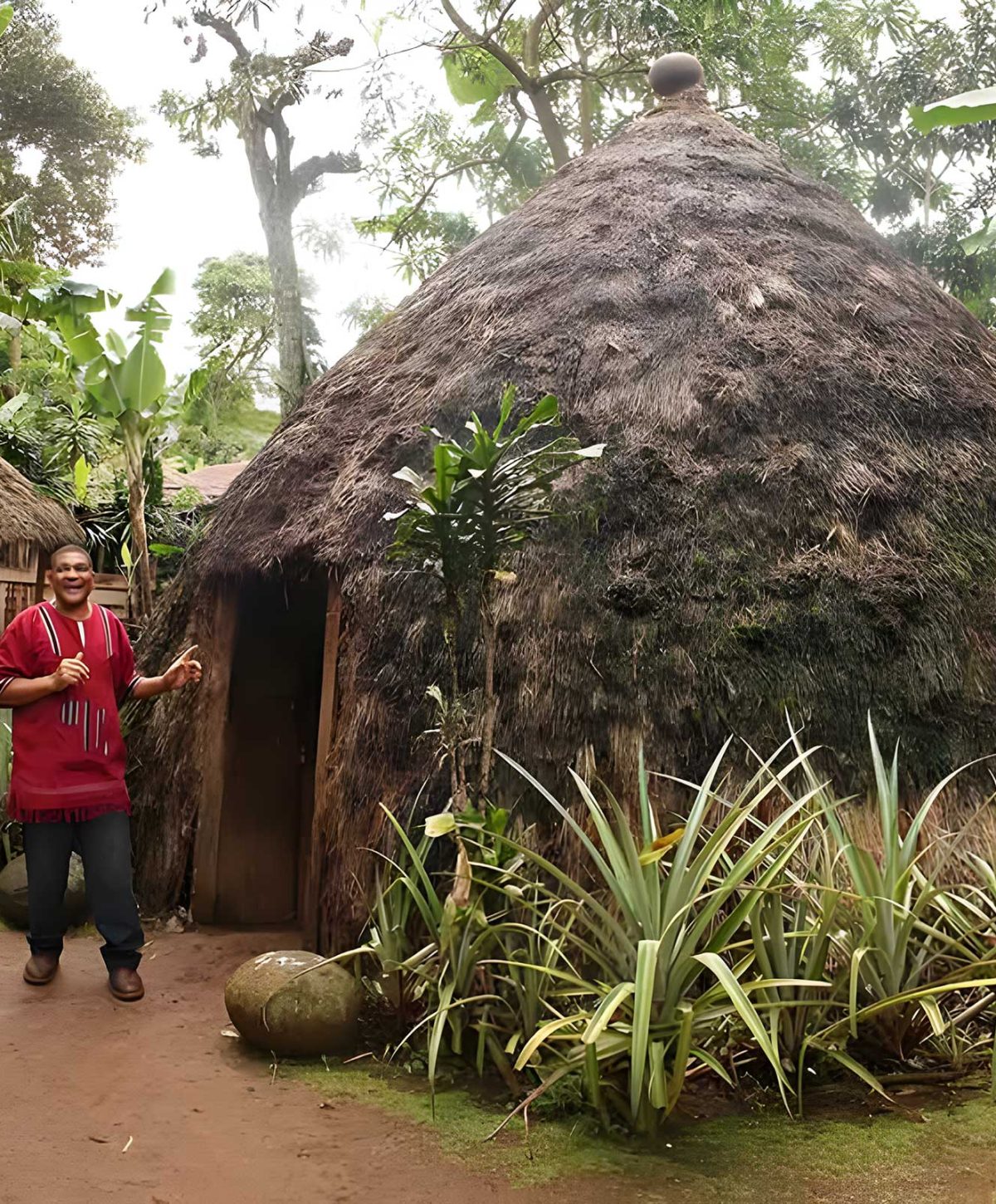
Visit the Mbugwe people from Manyara Region who will show you how they grind different grains to obtain flour using a traditional millstone; join the local people  of Mto wa Mbu and learn how they construct mud huts, typical housing for most tribes around the area. You will be shown how to mix mud, rice husks and cow dung to obtain the right mud stuff for strong walls, and how local people roof their huts using dry banana barks and leaves.

Learn about traditional iron smelting technology, one of the oldest in Africa. The local people will show you how to make different tools like spears, knives, arrows. Learn from the local women how pots and dishes are made from clay soil and baked to make them hard. On the surrounding plains and woodlands to the north, east and south live native Maasai families in their traditional bomas (homesteads) while the warriors wander with their cattle looking for pastures and water.

One will experience the rich cultural heritage in Tanzania from handicrafts and activities that can be seen on the market place and in the village farms and lifestyle is an illustration of this cultural diversity.

Mulala village

Mulala village is a typical rural setting on the southern slopes of Mount Meru, surrounded by spectacular scenery. It lies around 1,600-1,700 metres above sea level. As visitors go up the mountain, they can see lush, green vegetation dotted with small farms. As visitors arrive, they are warmly welcomed by the village women whether it is a day visit or stay. There are coffee plantations, banana farms, honey harvesting and extraction, and cheese-making units. The environment is a forest reserve, and spectacular views from Mount Meru of Mount Kilimanjaro.

You will take part in hiking through the forest, participate in roasting coffee, and sample freshly made cheese. You will also have the opportunity to meet and chat with members of the Agape Women’s Group all depends on the time you want to stay in the village.

Kibosho village

The village situated on the slopes of Mount Kilimanjaro – ‘the roof of Africa’. Arabica is the main type of coffee grown in Kilimanjaro and the Arusha Region. Forming one of the most important coffee cultural landscapes in Africa, the villages of the Uru Kaskazini Ward lie in an area of abundant natural beauty. The coffee growers and their Kilimanjaro Native Co-operative Union (KNCU) have produced one of the finest Arabica coffees in the world for decades, and it is widely recognized for its aroma and great taste.Their way of life and the Kihamba Chagga home garden agricultural heritage system have supported the integrity of their home villages and the ecosystems of the UNESCO World Heritage site ‘The Kilimanjaro National Park’. Through the ‘Kahawa Shambani-Africa Initiative’ local tour guides show visitors how coffee beans are grown, picked, grinded and roasted. guests can walk through a traditional Chagga village and visit coffee plantations. In this community-run venture, visitors get an insight into the lives of the Chagga coffee farmers who live on Kilimanjaro’s lower slopes. They also find out about the history of the local people, their co-operative union and how they practice fair trade. Visitors will have a chance to grind, roast and make their own fresh cup of coffee. Homestays and Meals with local families can be arranged as part of the experience.

materni

Materuni village

Materuni village is in the Uru area in Kilimanjaro region and is the home of Chagga people.

The village is located in the northern part of Moshi town, only 15 KM from the town center. Materuni village is also the last village before entering the Kilimanjaro national park and sits approximately 1800 M above sea level.

You will have an opportunity to familiarize yourself with one of the ethnic groups of the Chagga tribe [Wauru] and is still an authentic tribal village. Your guide will inform you about the culture of the Chagga, village life and explain the surrounding fauna and flora. The views are truly breathtaking, and with some luck you will see the summit of Kilimanjaro.the beautiful materuni waterfalls are more than 80 meters high. On the bottom of the waterfall there is an amazing pool which is a good place for a refreshing swim so you might as well bring your swimwear. At materunicoffee and waterfalls trail camp where you will experience traditional Chagga meals. You also will have the opportunity to taste our local banana beer – definitely not to be missed. Next the coffee experience awaits you, here you will learn how coffee is cultivated, dried, roasted and further processed. You will also be invited to help with the grinding of the coffee, which is traditionally accompanied by Chagga songs and dances – a fun way to immerse yourself in the local culture.

Chome Village

The Southern Pare Mountains are part of an ancient Eastern Arc Mountain chain located in the north-eastern part of the United Republic of Tanzania. The mountains rise from the lowlands with forests and sprawling rural villages, rivers and valleys. Chome is a scenic village inhabited by the Pare people of the Kilimanjaro Region. The forest has high biodiversity with a wide variety of indigenous plants and animals. It is a key location for hiking and acclimatizing before climbing Mount Kilimanjaro or going on safari. A walking tour takes visitors close to the Chome Nature Reserve. The local guides and farmers from the village share their indigenous knowledge regarding their crops such as bananas, vegetables, ginger and coffee. Visitors also learn how villagers manage tree nurseries for replanting on their farms. Also visiting historical sites such as the King’s stone that was used for making various sacrifices to Wapare gods, panoramic views and a local school in the village. The traditional Pare culture is much evident in Chome village, and some of the locals still practice traditional agriculture.

Usambara (Lushoto)

The Usambara Mountains, situated in northeast United Republic of Tanzania, are known for their pleasant climate, scenic views and fertile slopes. Favoured by the Germans and British during colonial times, the area is rich in historical buildings from that period. Visitors can walk through the farmlands of Jaegertalto and a fruit tree nursery to learn about different varieties of fruit trees and their propagation. By continuing uphill to the village of Vuli, guests can find out about projects on soil conservation, irrigation and farming methods.

Pangani

Pangani is a small town in Tanzania’s northern coast, 53 km south of Tanga, with a long history and diverse culture. The town has Arabic, German, Asian and British colonial influences. This is a place where Swahili, Arab, colonial traditions and modern hospitality blend together. The town is located at the mouth of the Pangani River. You can enjoy a coastline with clean beaches and green turtle breeding grounds, historic sites, coral reefs, an Old Port as well as a variety of tropical marine dwellers. Visitors can also visit local farms producing coconut and various types of fruits, and then enjoy fresh fruits and coconut milk while strolling through coconut tree orchards.

Mlingotini (Bagamoyo)

Mlingotini is an old fishing village located in Bagamoyo just 13 km, ten minutes away from Bagamoyo Township. The village lies on the Swahili coast with white sandy beaches that offer a real beach experience while learning how local people live. Visitors can visit seaweed farms on the shores of the Indian Ocean, learning how seaweed is planted, grown and harvested. Local people explain how they produce various products such as soap, perfume, toothpaste, skin lotion and food ingredients from seaweed. Visitors are also taken to coconut farms where they learn how coconut is grown and how the coconut trunk, leaves, fruit and fruit shells are used by local people to produce various handmade carvings and weaving products. Visitors can also visit the home of a farmer, enjoy coconut juice and beer, and get to know how locals climb to the top of a coconut tree to harvest the fruit. At the Coconut Handcraft Centre visitors can find various carvings, weaving and decorative souvenirs produced from various parts of a coconut tree.

cocoa

Other centers

Other regions earmarked for agritourism include :

  • Iringa – Tea & horticulture
  • Dodoma – Grapes and horticulture
  • Morogoro – Horticulture
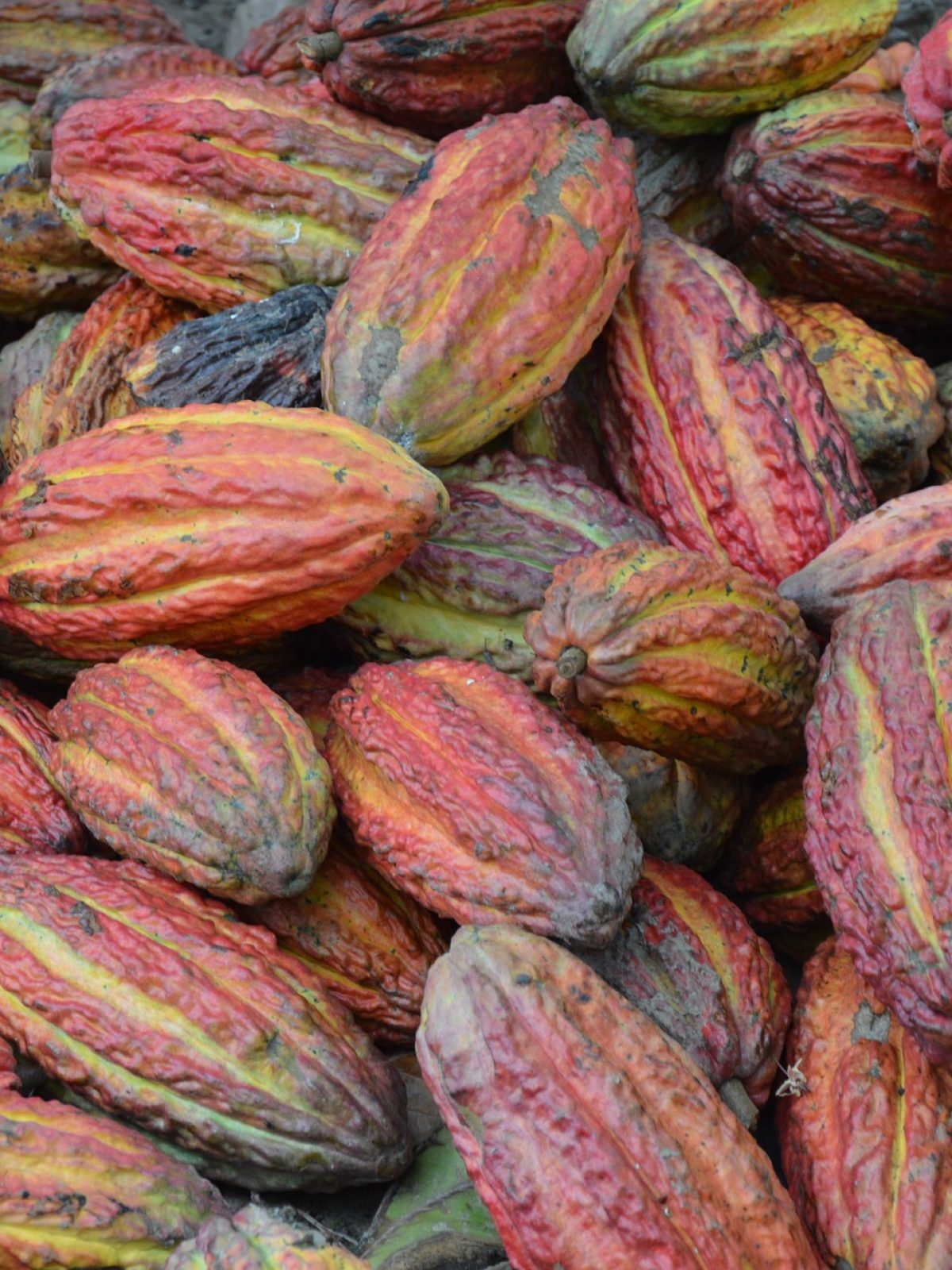
  • Mbeya – Cocoa ,Tea , Avocado and coffee
  • Mtwara – Cashew Nuts

If you are planning to visit Africa and you have interest in agriculture and rural areas we will endeavour to handle your special interests.

Why Agri/Rural tourism?

Agritourism and Rural tourism aims to include and benefit rural communities, while preserving their environmental and cultural assets. It brings economic development to rural areas by creating additional income and employment.

Tourism development can also improve the social wellbeing in rural areas, for example by stimulating improvements in infrastructure, sanitation and electricity networks.

Agritourism also helps in educating the masses about the new techniques that can be used to improve on the agriculture sector.

Agritourism in Tanzania is on the rise and given good conditions, it will be the highlight for most of the visitors who visit Tanzania in the next few years. It is a good venture for the country and if you are planning your trip, be sure you do not miss out to include visiting the rural farms.

The Great Wildebeest Migration

The Great Wildebeest Migration

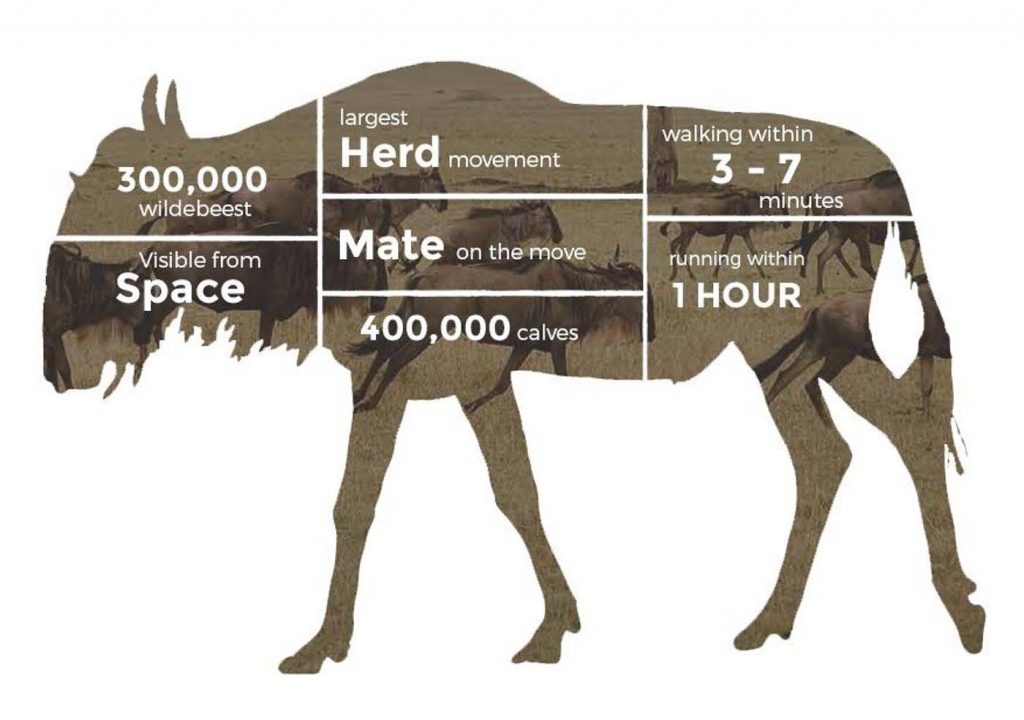
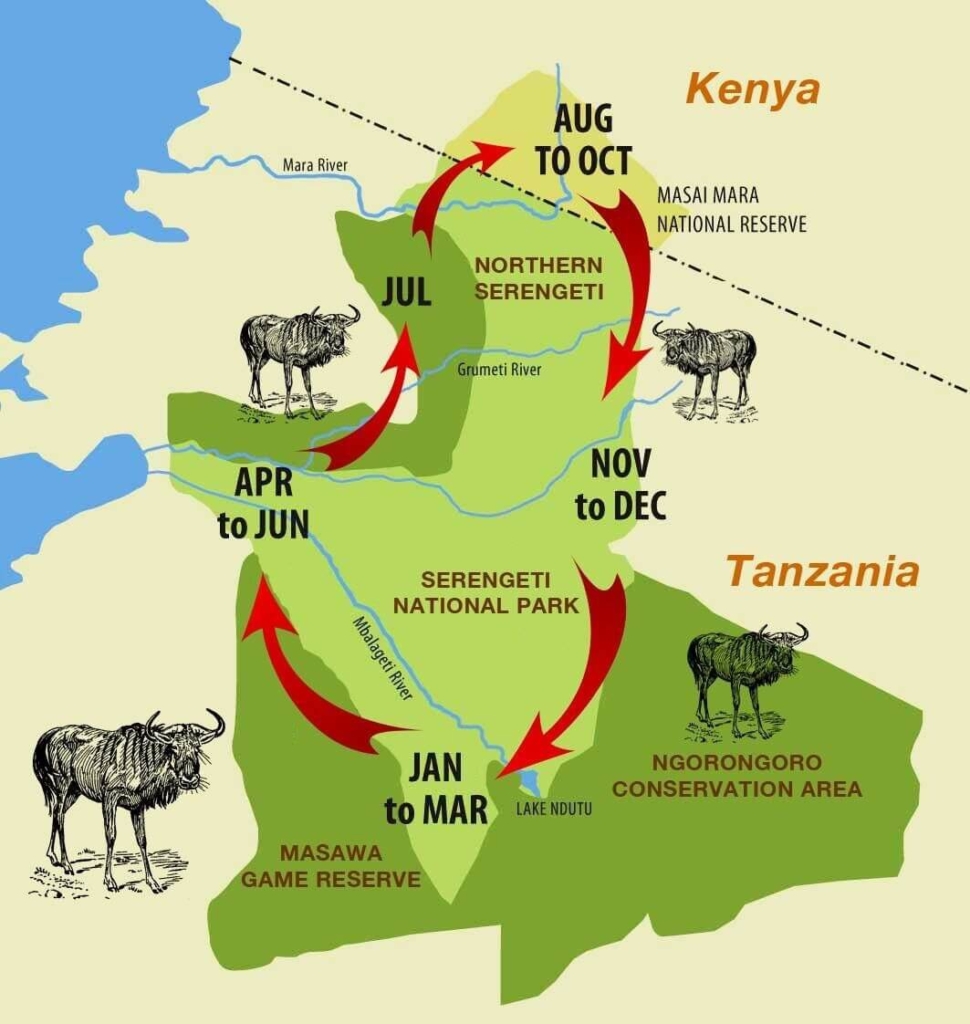
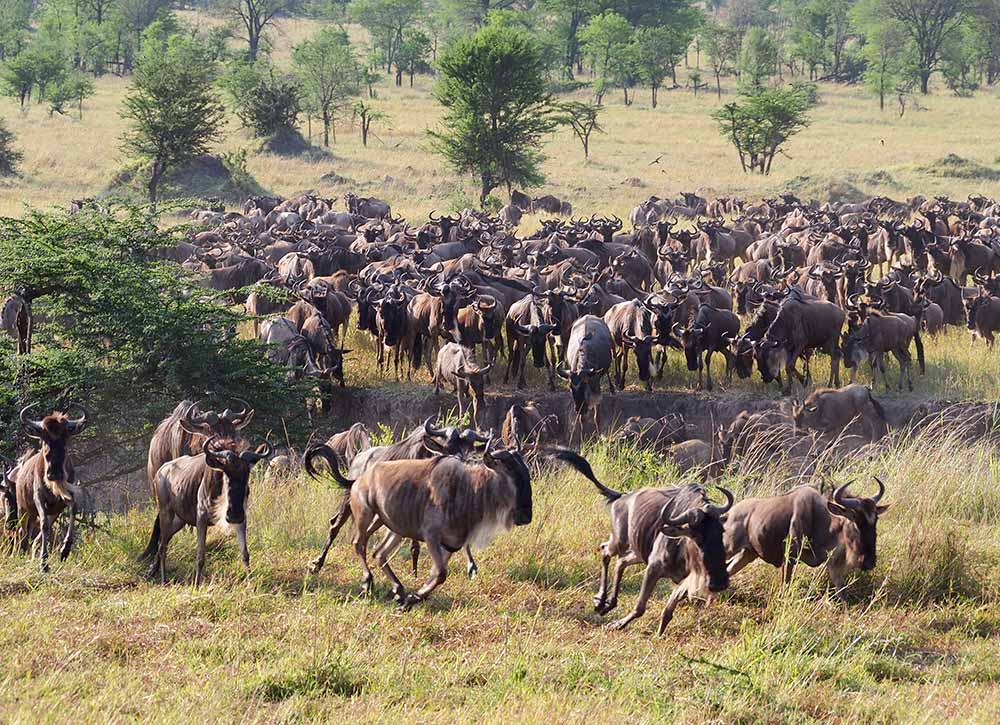
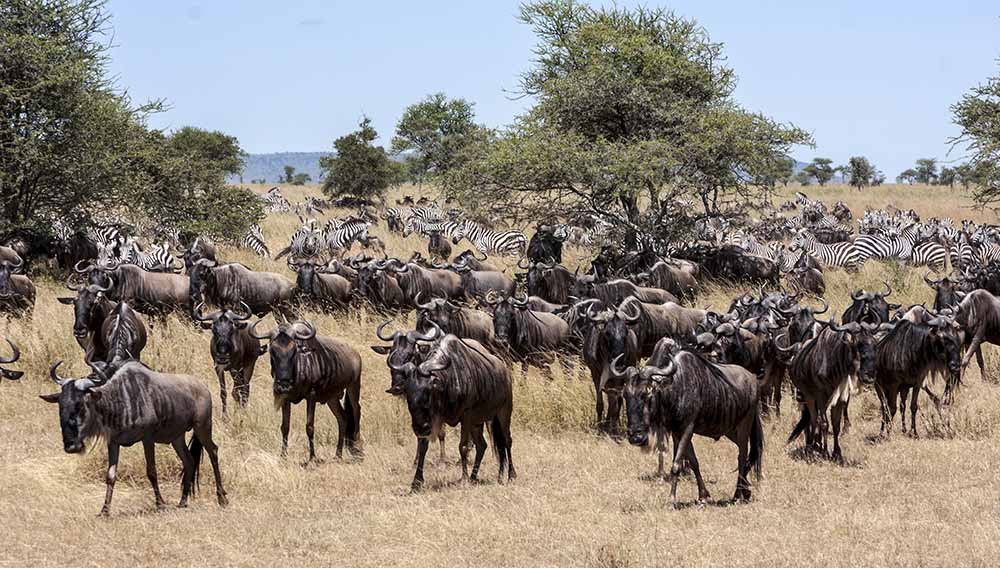
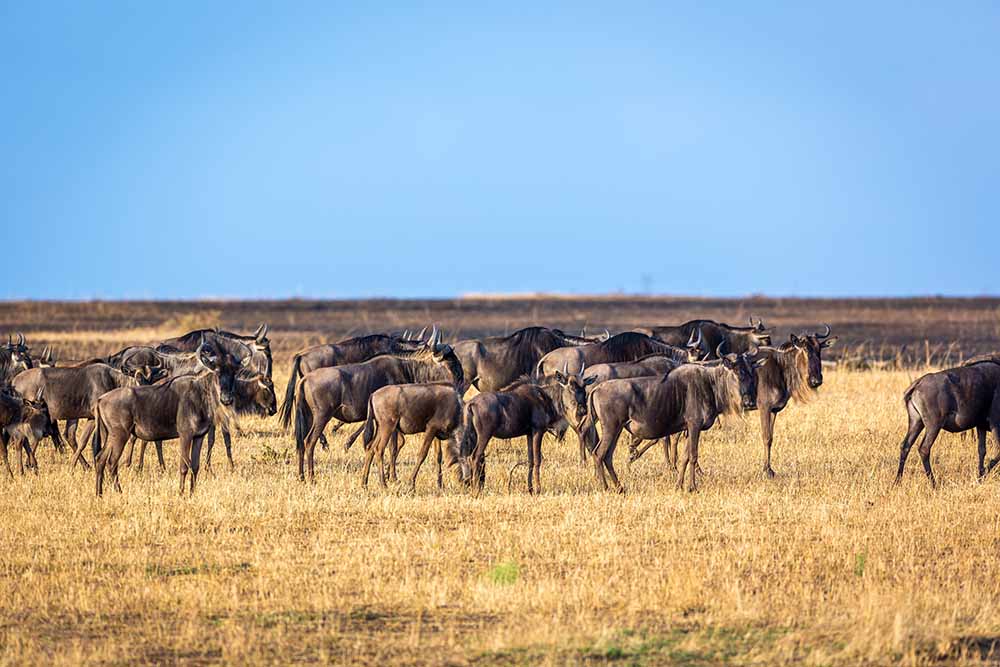
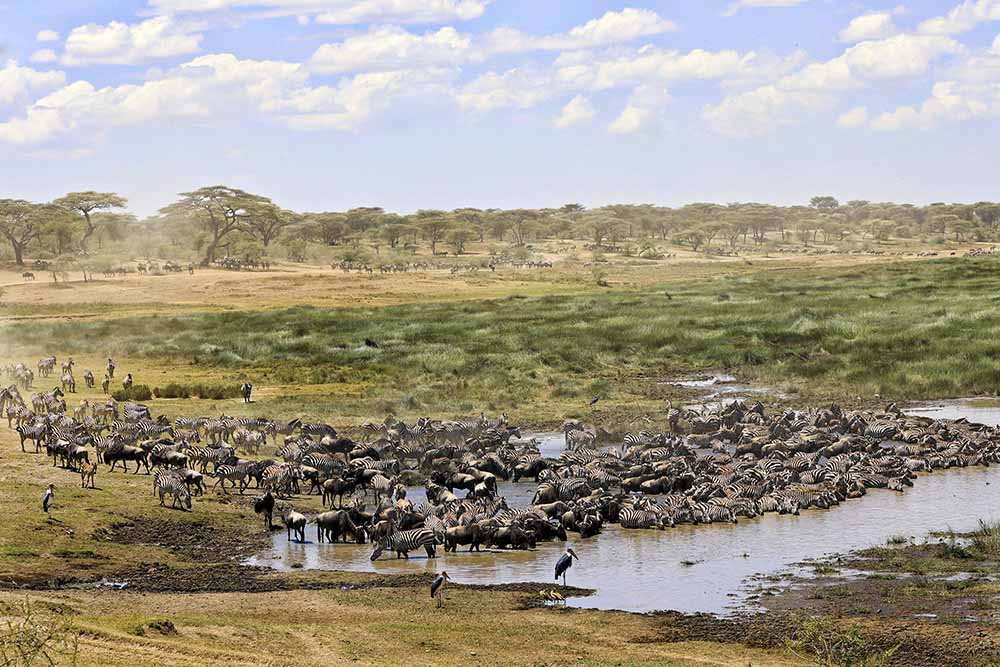
Every year, around 1.5 million wildebeest; 350,000 Thomson’s gazelle; 200,000 zebra; and thousands of eland and other ungulates (hoofed animals) participate in what has been called ‘the greatest show on Earth’, Around March, at the end of the short dry season, the grassy plains of the southernmost Serengeti begin to dry out and the wildebeest move on, heading towards the western woodlands.

The three groups of migrant grazers take advantage of different heights of grass, which means they stick to their own kind with only a small overlap in their distributions. The grasses of the plains have the highest protein content in the whole of the Serengeti, as well as being high in calcium.

It is unclear how the wildebeest know which way to go, but it is generally believed that their journey is dictated primarily by their response to the weather; they follow the rains and the growth of new grass. While there is no scientific proof of it, some experts believe that the animals react to lightning and thunderstorms in the distance. It has even been suggested that wildebeest can locate rain more than 50km away.

The Migration Starts

Around December each year, the migration starts to move into the Ngorongoro Conservation Area, where the plains are rich in nutritious grass, providing the herds with the best conditions for raising their newborn calves.

Although there is no real beginning or end to this migratory circuit – other than birth and death – it seems reasonable to call the wildebeests’ birthing season the start of the migration. Around February, they herds are on the short-grass plains that spread over the lower northern slopes of the Ngorongoro Crater highlands and around Olduvai Gorge. Some 400,000 calves are born here within a period of two to three weeks. That is approximately 8,000 new calves every day!

After bearing their young in February and March, the wildebeest herds begin to drift north, drawing with them thousands of zebras and smaller groups of antelope. The abundance of vulnerable calves means the surrounding predators also spring into action.

Gradually, the movement gathers momentum and, by the end of May, the wildebeest are starting to mass in the Serengeti’s Western Corridor. They grow in numbers, with huge herds forming along the pools and channels of the Grumeti River, which they have to cross in order to continue on their journey. This may not be as spectacular as the famous Mara crossings, but there are still enough wildebeest to provide the Grumeti crocs with a veritable feast.

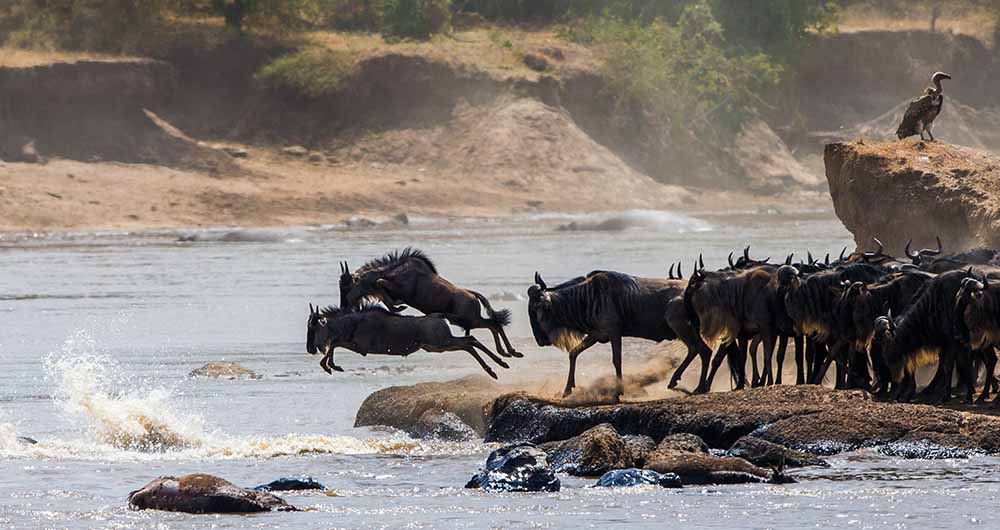
By August, the herds have faced the challenge of crossing the Mara River and are spread throughout Kenya’s northern region and the Serengeti. In years when the river is in full flow, the panic and confusion at the crossings – combined with waiting predators and surging currents – can cause massive loss of life. But, even in years of relatively gently flowing water, the crocs take their toll – not to mention the lions and other large predators that patrol the banks, ready to ambush any wildebeest that make it to the other side. There is no single crossing: At some spots, there are just a few individuals, while others see a mass of animals moving without break for hours.

By October, the chaos has ended and the migrating columns begin moving southwards to complete the cycle. After the East African short rains in late October and early November, the wildebeest move down from Kenya and into the eastern limits of the Serengeti. By December, they are spread throughout the southern reaches.

By the early months of the new year, the grasses in the deep south of the Serengeti are lush with rain. This draws the herds – not only of wildebeest, but also hundreds of thousands of zebra and other plains animals. The cycle continues as the calving season starts once more and the herds begin their slow movements northwards.

Mobile Migration Camps

We use mobile camps that move around the Serengeti and Masai Mara through the year to ensure guests are in the best possible position to witness the Great Migration in all its glory. No matter when you decide to go on safari and see the herds, there will always be somewhere for you to stay and experience the best of the Great Migration.

Tanzania Cultural experience

Tanzania Cultural experience

Tanzania is one of the most culturally diverse countries in the world, The country came into existence in 1964 when Tanganyika and Zanzibar were integrated into one country. Since then more than 120 ethnic groups have been flourishing together. The national language is Swahili. Traveling around Tanzania is not an issue, there are a lot of domestic flights in Tanzania and you can easily reach from one place to another.

Besides enriching itineraries and adding quality to the tours offered in Tanzania, the cultural tours are generating direct income to the local communities that are being visited, contributing to their development. Thus by visiting the cultural sites the guests would be giving support to community health, water supply, primary education and many other social and economic projects carried out at village level as well as reforestation and protection of the environment.

To enjoy a true cultural experience in Tanzania Africa Pathways have you covered!

MUST HAVE CULTURAL EXPERIENCE IN TANZANIA

Hadzabe and Datoga at Lake Eyasi

Lake Eyasi is a very scenic soda lake found on the southern border of the Ngorongoro Conservation Area, a couple of hours drive from Karatu. This less visited lake lies at the base of the Eyasi escarpment on the western Great Rift Valley wall, bordered by the Eyasi Escarpment in the northwest and the Kidero Mountains in the south.

This is a hot, dry land, around which the Hadzabe people live, often associated with the Khoisan languages in Southern Africa because of their click language. The Hadzabe are believed to have lived here for nearly 10,000 years and continue to follow hunting-and-gathering traditions. Also in the area are the Iraqw (Mbulu), a people of Cushitic origin who arrived about 2000 years ago, as well as the Datoga also Cushitic origin

The Hadzabe, a hunter-gatherer tribe, live close to the shores of Lake Eyasi, as do the Nilotic-speaking Datoga tribe who are pastoralists. Visits to these tribes are possible on half day or full day excursions which would include a visit to their homesteads, learning about their way of life, medicinal plants, and even animal tracking with bows and arrows with the Hadzabe  hunters.

Maasai

The Maasai are the original inhabitants of the area. These indigenous people are well known around the world as fierce warriors. You can visit these people and learn about them, their culture, their food and Medicine, their way of life etc. Many people consider a visit to Tanzania without visiting the Maasai as a waste of time.

While in Ngorongoro most of the guests on safari love to include a visit to a Maasai Boma (homestead). The Seneto Maasai Boma on the western slopes of the Ngorongoro Highlands is one of the famous cultural visiting points for guests. Authentic Maasai villages are located in the western Ngorongoro Highlands and a visit can be combined with a trek of Empakaai Crater or Olmoti .Visitors will be shown around the Maasai Boma, and welcomed to the huts where Maasai families live, get dressed and dance with the maasai all in all learning about their way of life.

The Chagga Tribe

The Chaga are Bantu-speaking indigenous Africans and the third largest ethnic group in Tanzania.They traditionally live on the southern and eastern slopes of Mount Kilimanjaro and near Moshi. Their relative wealth comes from the favorable climate of the area and successful agricultural methods, which include extensive irrigation systems, terracing, and continuous organic fertilization methods practiced for thousands of years.They were one of the first tribes in the area to convert to Christianity. This may have given them an economic advantage over other ethnic groups, as they had better access to education and health. Their way of life is based primarily on agriculture, using irrigation on terraced fields and oxen manure. Although bananas are their staple food, they also cultivate various crops, including yams, beans, and maize. In agricultural exports, they are best known for their Arabica coffee, which is exported to American and European markets, resulting in coffee being a primary cash crop.

At the foot of Mount Kilimanjaro lies beautiful Chagga villages such as Marangu village, Materuni,Rombo,Machame and Old moshi.The walking tours through this villages to waterfalls depicts mountain village life are spectacular

Activities on the slopes of Kilimanjaro include:

  • Guided tours    leading    to    panoramic    viewpoints    ideal    for photographing waterfalls and Mount Kilimanjaro
  • One Day hike on kilimanjaro via Marangu gate
  • Coffee class from how it is picked to having a cup of coffee
  • Swimming at waterfalls
  • A short climb up Ngangu Hill with it’s fantastic views is a pleasure
  • A visit to Chagga museum in Old moshi
  • Visits to historical sites of clan wars and ancient legends including large caves used for hiding during the Chagga – Maasai wars
  • Visit local blacksmiths who continue using ancestral methods to prepare Maasai spears and tools
  • Opportunities to experience Chagga culture, food and taste their famous banana beer and
  • Exploration of the banana and other farms with their ancient irrigation schemes
  • School visits

All the sites can be visited, on foot, in one full day tour or can be spread more comfortably over two days.

Sauti za Busara Music festival

Sauti za Busara is a great African music festival that is held every year in February with a mix of music, dance, theatre and a carnival street parade, Sauti za Busara is one of the largest music festivals in East Africa with hundreds of artists. This 4-days festival is hosted inside the walls of the Old Fort in Zanzibar’s Stone Town. It shows you the diversity and richness of East African music and its unique culture. It’s truly an unique event with a great atmosphere.

ZANZIBAR – THE STONE TOWN

The Stone Town of Zanzibar is a fine example of the Swahili coastal trading towns of East Africa. It retains its urban fabric and townscape virtually intact and contains many fine buildings that reflect its particular culture, which has brought together and homogenized disparate elements of the cultures of Africa, the Arab region, India, and Europe over more than a millennium.

Set like a jewel in the warm and tranquil coral waters of the Indian Ocean, 15 minutes flight from Dar es Salaam and less than an hour from Arusha, are the legendary islands of spices, fragrances, flowers and fruits – Zanzibar.

People from all corners of the world that had visited and settled in Zanzibar over the centuries have left a lasting imprint on the islands’ culture and architecture. Zanzibar is the birthplace of the fascinating “Swahili” culture with its elegant architecture full of balconies, courtyards, ornately hand-carved doors and mosques. The winding narrow streets, the House of Wonders, Tip Tip House (notorious slave merchant), and the Palace Museum are just some vivid reminders of the Islands’ long and colourful history. The Stone Town is to travel into history, it is a must tour for visitors to Zanzibar. Zanzibar Stone Town is a UNESCO World Heritage Site.

DARAJANI MARKET

Right on the outskirts of Stone Town, you can find Darajani Market. This place is not only lively, but has many food types and ingredients from all around the island too. If you want to take some food back to try cooking yourself, this is a great place to stock up on ingredients.

You can find fresh fish and meat, and some other island delicacies too.

Darajani Market is a wonderful place to find everything you need to make your own Tanzanian cuisine. Certainly you’ll be excited to do some cooking with native ingredients, but if you’re a little clumsy and not experienced enough, you might want to try the ready to eat food instead. There are many good opportunities indeed!

THE WANYAMBO FESTIVAL

The Wanyambo Festival is for sure the event worth visiting. This is a wonderful opportunity to experience local culture if you’re taking your trip in January. You can watch the traditional dances, costumes, art, craft and eat the wonderful food, and get lost in the music surrounding you. Hundreds of people join this 4-days festival each year that takes place at the Makumbusho Village Museum in Dar es Salaam.

People from all over Tanzania come to partake every year, so if you happen to be in Tanzania around January, there’s no way you can miss such a great opportunity to see the beauty of Wanyambo culture and crafts.

MWAKA KOGWA: SHIRAZI NEW YEAR

If you’re in Tanzania in July, there’s no way that you can miss this 4-day New Year celebration. It’s rooted in the Zoroastrian traditions and the Shirazi calendar, including mock fights and burning a hut.

The Shirazis were the first foreign settlers in Zanzibar, so much of their culture was taken in by the Swahili people and adapted. You will be mesmerized by the culture as you will be watching men fight with banana stalks to help the New Year roll in. The women would walk around the fields wearing traditional garb, singing songs that will definitely get your attention.

Embrace the festivities yourself no matter where you are in Tanzania, since places all around the area hold festivals in celebration. The village of Makunduchi is where the festivities are best observed though. For sure, you will have an amazing time!