
10-Day Tanzania Bird & Macro Photography Safari

10-Day Tanzania Bird & Macro Photography Safari

Private Photography Safari for Birdlife and the Smaller Wonders of the Wild

Step into a quieter, more intimate side of Tanzania on this private Bird & Macro Photography Safari, thoughtfully designed for travelers who are drawn not only to wildlife, but to the finer, more delicate beauty of the natural world.

This is not a conventional safari built around speed or big-game checklists. It is a slow, carefully curated photographic journey for those who notice color, pattern, texture, light, and the smaller moments that often become the most unforgettable images. From waterbirds drifting across reflective lakes to bee-eaters glowing in morning light, from intricate bark textures and forest detail to elegant wetland scenes and subtle natural compositions, this safari invites you to photograph Tanzania with greater patience and depth.

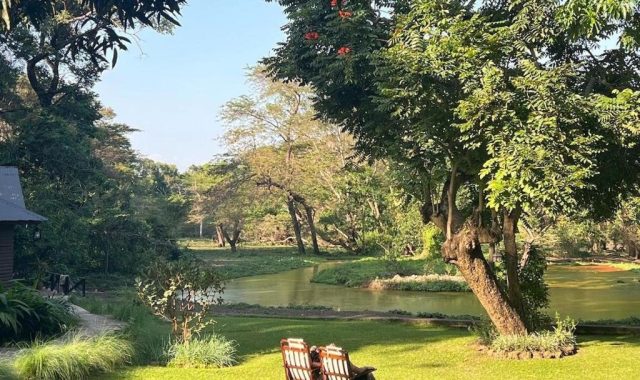
The itinerary unfolds through some of northern Tanzania’s richest and most varied habitats. In Arusha National Park, the Momella Lakes, forest, and open landscapes create an exceptional introduction to birdlife and detail photography. In Tarangire, dry-country species, raptors, baobab silhouettes, and warm golden tones bring a more dramatic and sculptural feel. Around Lake Manyara, the rhythm softens again into greener, richer habitats filled with waterbirds, forest-edge species, and layered photographic opportunities, while a full-day safari in Ngorongoro Crater adds a striking scenic contrast and broadens the visual story of the journey.

What makes this safari especially rewarding is its pace. With two nights in the Arusha National Park area, three nights in Tarangire, and four nights in the Lake Manyara and Karatu region, you are given the time to move beyond quick sightings and work more intentionally with habitat, light, and behavior. Walking experiences where available, the forest canopy perspective at Lake Manyara, and quieter moments between game drives all contribute to a safari that feels more immersive, more elegant, and more creatively fulfilling.

With a private vehicle, photography-aware guiding, and carefully chosen accommodation in scenic and well-positioned locations, this journey is designed for photographers who understand that some of the strongest safari images come not from the obvious, but from the overlooked.

Why This Safari Feels Different

  • A beautifully paced route through northern Tanzania’s richest birding and fine-detail habitats
  • Private guiding and flexible field time for more thoughtful photography
  • A refined balance of birdlife, macro-style detail, landscape texture, and quiet wildlife moments
  • Walking experiences in selected areas, adding a more immersive natural-history layer
  • A stronger focus on light, habitat, composition, and the smaller stories of the wild
  • Carefully selected lodges and camps chosen for comfort, atmosphere, and habitat access

Who This Safari Is Best For

  • Bird photographers
  • Macro and detail-oriented photographers
  • Natural history lovers
  • Couples seeking a quieter and more elegant safari
  • Visual storytellers who want more than big game
  • Travelers building a broader, more varied wildlife portfolio

What You’ll Capture

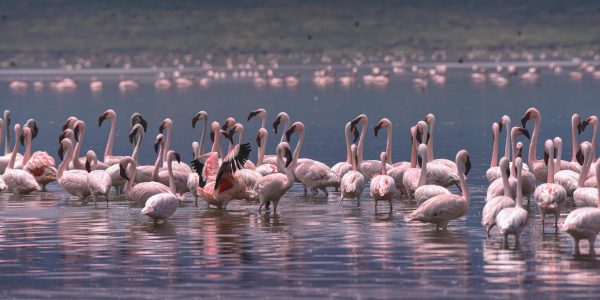
  • Flamingos, pelicans, grebes, herons, ducks, and waders in reflective lake environments
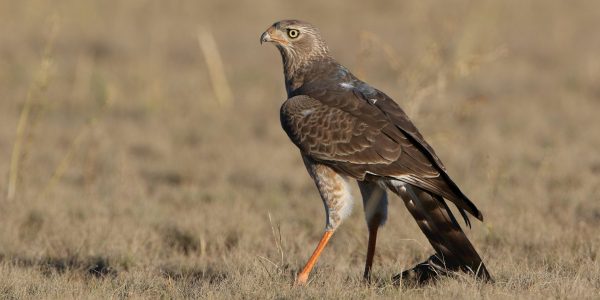
  • Bee-eaters, rollers, hornbills, kingfishers, weavers, and dry-country species in beautiful natural light
  • Raptors and scavengers in open woodland and savannah settings
  • Insects, feathers, bark, spoor, webs, flora, and natural textures
  • Atmospheric forest-edge and wetland scenes
  • Environmental bird portraits that connect species to habitat
  • The quieter, more elegant details that give a safari portfolio more depth and originality

Best Time for Bird Photography in Tanzania

This safari is best experienced from November to April, when northern Tanzania’s birdlife is at its most rewarding, with migratory species present and many resident birds in breeding plumage.

10-Day Bird & Macro Photography Safari Itinerary
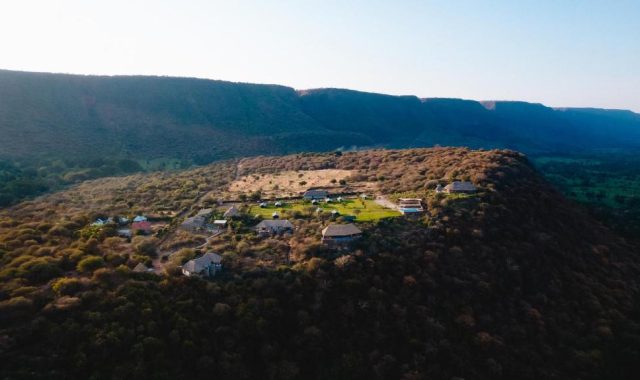
arusha

Day 1 – Arrival in Arusha

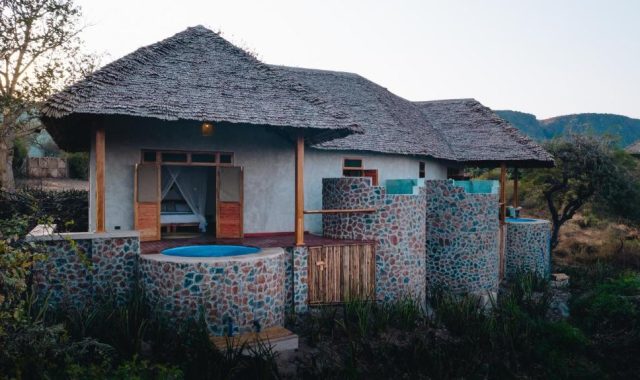
Your journey begins with a warm welcome on arrival at Kilimanjaro International Airport, followed by a private transfer to your lodge in Arusha.

The first evening is intentionally unhurried. It offers time to settle in, rest after travel, and begin preparing for the days ahead. Over dinner or a quiet evening briefing, you can discuss your photographic interests and goals — whether that means waterbirds, colorful savannah species, texture and detail, macro-style subjects, or a more balanced natural history portfolio.

Overnight: Arusha / Arusha National Park area
pexels-bisakha-datta-3429431-7218994 (1)

Day 2 – Arusha National Park and the Momella Lakes

After breakfast, begin the safari in one of northern Tanzania’s most graceful and underrated birding landscapes: Arusha National Park.

This park offers an elegant introduction to the safari because of its variety. In a single day, you can move between forest, grassland, crater scenery, and the shimmering Momella Lakes, where birdlife and reflection often combine beautifully for photography. The atmosphere here feels lighter and softer than in the larger parks, which makes it an ideal place to begin looking more carefully.

The Momella Lakes are especially rewarding for waterbirds, and the broader setting allows you to begin building a portfolio based on habitat, mood, and gentler wildlife encounters rather than speed.

Photography focus: waterbirds, lake reflections, forest-edge scenes, soft habitat compositions

Overnight: Arusha / Arusha National Park area
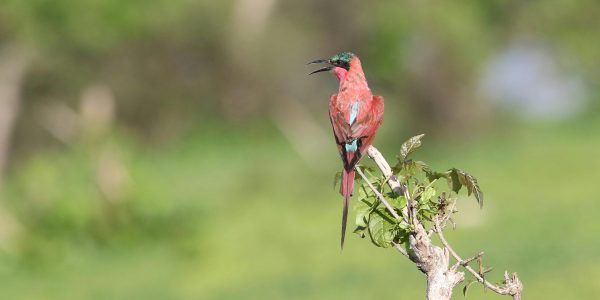
Show More
pexels-dkeats-32992980

Day 3 – Walking Experience and Fine Detail in Arusha National Park

Today adds a more immersive layer to the safari, with a guided walking experience in the Arusha National Park area where operationally arranged.

Walking changes the rhythm completely. It encourages a different kind of seeing — slower, closer, and more attentive. Rather than focusing only on birds at distance, you begin to notice spoor, leaves, bark, insects, webs, textures, patterns, and the many visual details that are often missed from a vehicle.

The rest of the day remains flexible for further bird photography and habitat work, allowing you to stay with what feels visually richest rather than rushing onward.

Photography focus: walking observation, macro-style detail, habitat texture, smaller wildlife moments

Overnight: Arusha / Arusha National Park area

Show More

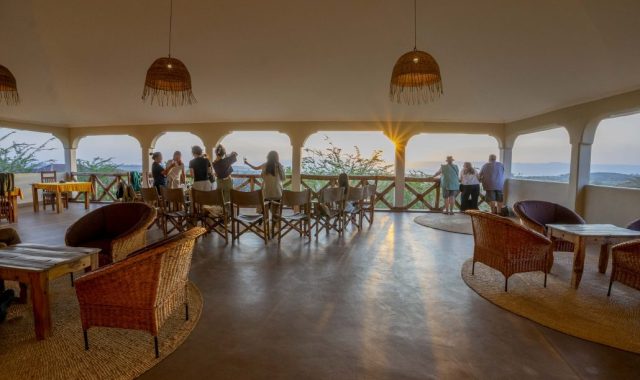
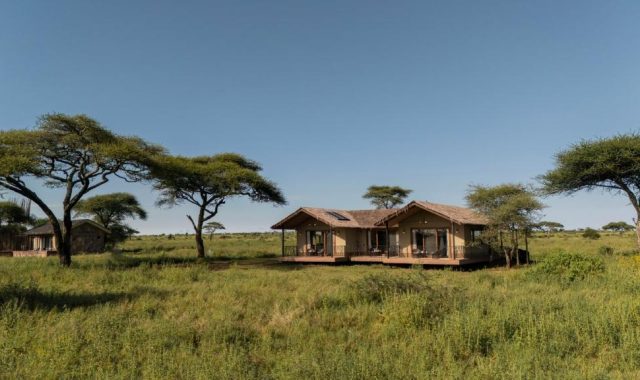
Accommodation options in Arusha

pexels-dkeats-32826512

Day 4 – Arusha to Tarangire National Park

After breakfast, depart for Tarangire National Park, where the visual atmosphere changes immediately.

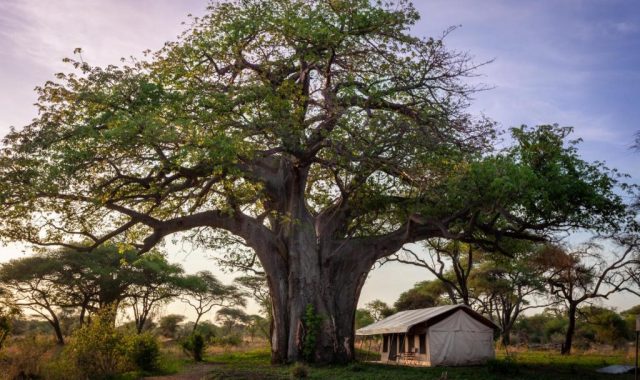
Tarangire is warmer, drier, and more sculptural. The park’s famous baobabs, open woodland, river habitats, and long grass create a beautifully textured environment for bird photography. It is one of the finest places in northern Tanzania for photographers who want strong dry-country species, raptors, and elegant environmental portraits with a more dramatic visual tone.

Your first afternoon in Tarangire is about transition — from softer greens into ochre, dust, acacia, and golden light.

Photography focus: dry-country birds, raptors, acacia habitat, first warm-toned environmental compositions

Overnight: Tarangire lodge or camp
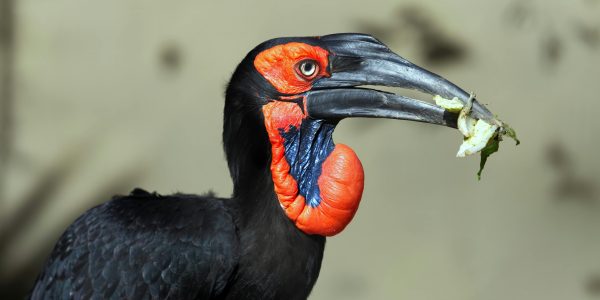
Show More
pexels-oliveiratp-17038051

Day 5 – Full Day in Tarangire

Spend a full day in Tarangire, allowing time for the kind of slower, more rewarding field work that this safari is built around.

Rather than chasing too many subjects, the emphasis is on stronger angles, cleaner backgrounds, and the detail that brings photographs to life. Tarangire is especially rewarding for perched birds, open woodland species, and more sculptural compositions that combine feather, branch, bark, and light.

The pace of the day allows you to work more deliberately and begin building a more cohesive visual story.

Photography focus: raptors, hornbills, bee-eaters, rollers, nest detail, woodland texture, more refined compositions

Overnight: Tarangire lodge or camp
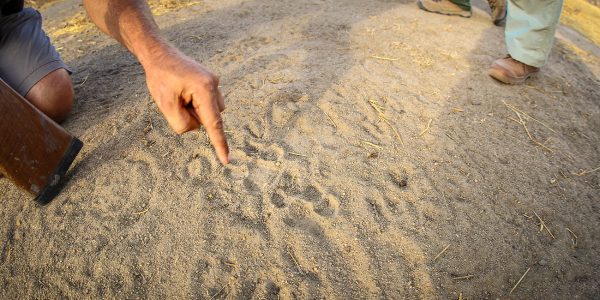
Show More
03TKKZ-IM0003-kichaka-zumbua-1560

Day 6 – Tarangire Walking Safari and Golden-Hour Photography

Today brings another deeper layer to the experience with a guided walking safari where operationally available.

A walking session in Tarangire offers a different way of reading the landscape — not from the vehicle, but from within the habitat itself. It allows more attention to natural detail, spoor, plant life, smaller textures, and the quiet elements that make a natural history portfolio feel complete.

Morning and late afternoon remain the most rewarding times for bird photography, so the day is shaped around those softer windows of light.

Photography focus: spoor, insects, bark, dry-country textures, golden-hour bird portraits, slower natural history photography

Overnight: Tarangire lodge or camp

Show More

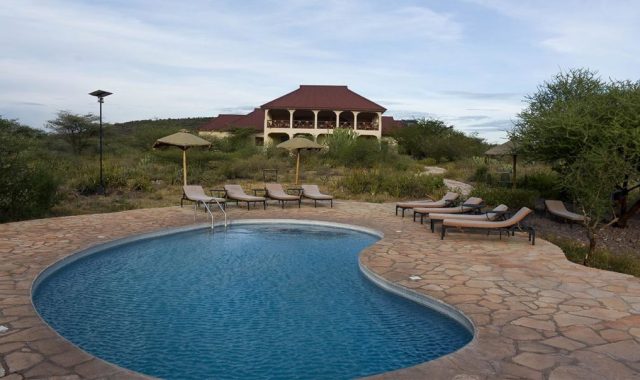
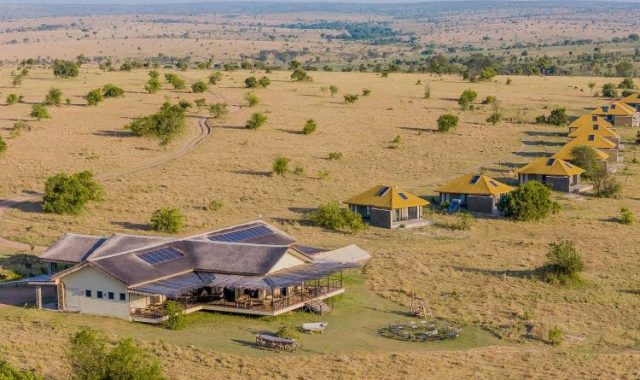
Accommodation options in Tarangire

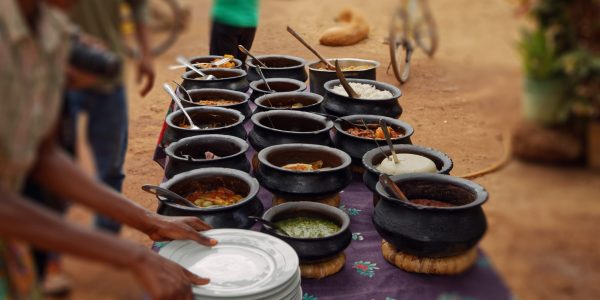
Materuni Chagga-food-on-pots-scaled

Day 7 – Tarangire to Lake Manyara via Mto wa Mbu

After breakfast, depart Tarangire and continue toward Lake Manyara, one of northern Tanzania’s classic bird photography destinations and a beautiful contrast to the warmer, drier landscapes of Tarangire.

Along the way, stop in Mto wa Mbu for a freshly prepared local lunch and a short exploration of this vibrant village, known for its cultural diversity, color, and everyday life. This pause adds a welcome human dimension to the journey and offers opportunities to photograph texture, produce, crafts, streetscapes, and the quieter visual details of local life.

In the afternoon, continue toward the Lake Manyara / Karatu area, where the mood of the safari shifts again. Where Tarangire feels dry and sculptural, Lake Manyara feels lush, layered, and reflective. Wetland edges, groundwater forest, and greener surroundings make this stage of the safari especially rewarding for photographers who enjoy softness, color, and habitat-rich composition.

Your first session here begins introducing the visual richness of the park and the broader Lake Manyara region.

Photography focus: local color and texture in Mto wa Mbu, waterbirds, greener habitats, wetland mood, layered forest-edge scenes

Overnight: Lake Manyara / Karatu area
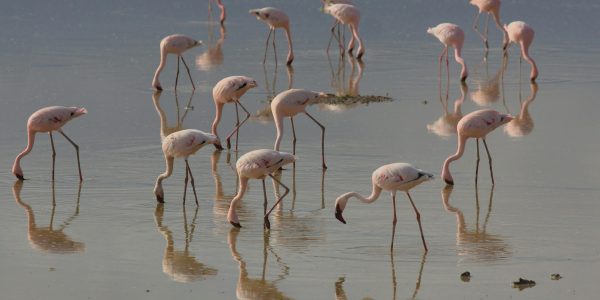
Show More
pexels-nirav-shah-6927042-30049607

Day 8 – Full Day Lake Manyara Bird Photography

Today is dedicated to the varied birdlife and elegant scenery of Lake Manyara National Park.

This is one of the most rewarding places in the northern circuit for balancing waterbirds, colorful smaller species, and atmospheric settings. Reflections, forest edges, and wetland life all add softness and variety to the portfolio, while the park’s more intimate visual scale often works beautifully for detailed observation.

It is a day that rewards patience and a strong eye for subtlety.

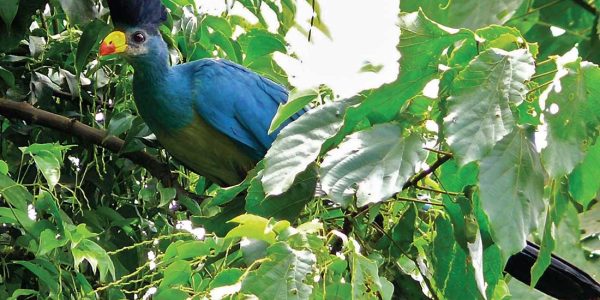
Photography focus: flamingos, pelicans, woodland birds, layered reflections, breeding plumage, rich green surroundings

Overnight: Lake Manyara / Karatu area
Show More
Bigodi Swamp

Day 9 – Lake Manyara National Park Birding & Wildlife Photography

Today is dedicated to the rich and varied birdlife of Lake Manyara National Park, one of northern Tanzania’s most rewarding locations for bird photography.

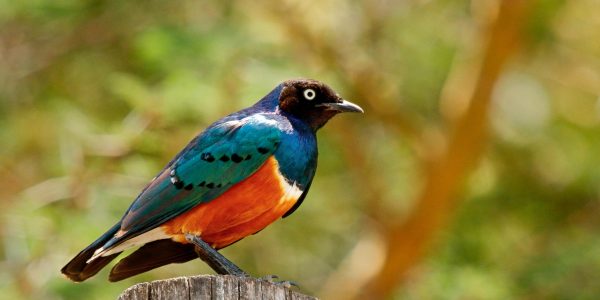
The park offers a beautiful mix of groundwater forest, acacia woodland, open floodplains, lake edges, and escarpment scenery. This variety makes the day especially strong for photographing different bird species in changing habitats — from forest birds and waterbirds to raptors, bee-eaters, kingfishers, storks, hornbills, and flamingos when conditions are favorable.

Unlike the wide open plains, Lake Manyara invites a slower and more observant photographic rhythm. The focus is on detail, movement, color, texture, and patient scanning through layered vegetation. Elephants, giraffes, baboons, hippos, and other wildlife may also add wider visual variety to the day, but the main purpose remains birdlife and intimate nature photography.

Photography focus: waterbirds, forest birds, raptors, woodland species, lake-edge compositions, intimate wildlife details, habitat variety

Overnight: Lake Manyara / Karatu ar
Show More
pexels-sanjeed-quazi-50261515-34292577

Day 10 – Lake Manyara Walking Safari & Departure

Begin the final morning with a guided walking safari around the Lake Manyara area, where available and permitted. This offers a softer, more grounded way to close the journey — moving slowly on foot, listening more carefully, and noticing the smaller subjects that are often missed from a vehicle.

The walking safari adds a beautiful final layer to the bird photography experience. Instead of focusing only on large wildlife, the morning is about tracks, calls, plants, insects, smaller birds, textures, and the quiet relationship between the landscape and its living details.

Depending on conditions and timing, the experience may take place in a designated walking area near Lake Manyara or around the Mto wa Mbu / Rift Valley landscape. If the canopy walkway is operating and fits the schedule, it can be added as a short optional experience, but it is not the focus of the day.

After the activity, transfer back toward Arusha for your onward flight or optional overnight extension.

Photography focus: walking safari details, bird calls and sightings, forest edges, tracks, plants, smaller subjects, final quiet nature images

End of safari: Transfer to Arusha / Kilimanjaro International Airport or optional overnight stay.

Show More

Accommodation options

Inclusions

  • Airport transfers
  • Private 4×4 safari vehicle with pop-up roof
  • Professional English-speaking safari guide
  • All park and conservation fees
  • 9 Nights Accommodation as per itinerary
  • Meals as specified in the itinerary
  • Bottled drinking water during safari
  • Photography-focused game drives and field sessions
  • Guided walking experiences where included and operationally available
  • Lake Manyara canopy experience

Exclusions

  • International flights
  • Visa fees
  • Travel insurance
  • Tips and gratuities
  • Personal expenses
  • Alcoholic and soft drinks unless specified
10-Day Remote Tanzania Photography Safari

10-Day Remote Tanzania Photography Safari

Private Southern Tanzania Photography Journey Through Ruaha and Nyerere

Step away from the familiar northern circuit and enter a wilder, quieter side of the country on this private Remote Tanzania Photography Safari, created for travelers who want space, exclusivity, and a deeper photographic experience. This is a journey through Ruaha National Park and Nyerere National Park, two of Tanzania’s great southern wilderness areas, where fewer vehicles, broader landscapes, and a more untamed atmosphere create the perfect setting for serious wildlife photography. Ruaha is widely recognized for excellent predator viewing and a very exclusive feel, while Nyerere is known for its vast scale, river systems, and varied safari activities.

This is not a safari built around speed or crowded sightings. It is a photography-first journey designed for patience, mood, and access to landscapes that still feel wild. In Ruaha, the dry-season focus falls on predators, elephants, unusual antelope, and the Great Ruaha River system, with wildlife easiest to see from June to October when vegetation thins and animals gather around water. In Nyerere, the Rufiji River and its lakes and lagoons shape both the scenery and the safari style, with the dry season from June to October again offering the clearest wildlife viewing.

With a private vehicle, carefully chosen camps, and photography-aware guiding, this itinerary is ideal for photographers who value remote atmosphere, cleaner compositions, slower field time, and a stronger sense of wilderness. It is Tanzania for travelers who want to photograph the wild without the noise.

Why This Remote Tanzania Photography Safari Is Different

Remote southern Tanzania offers something that is increasingly difficult to find in more famous safari areas: space. Ruaha is repeatedly described as exclusive and uncrowded, with superb predator viewing and strong chances to see species such as greater kudu, sable, roan, and wild dogs. Nyerere adds a different dimension with its size, its river-based scenery, and the opportunity for varied experiences beyond standard game drives.

What makes this safari stand out:

  • Private safari vehicle for full flexibility and uninterrupted shooting
  • Two remote southern parks with very different visual moods
  • Ruaha for predators, elephants, baobabs, and dry-season atmosphere
  • Nyerere for river systems, boat safari imagery, walking opportunities, and raw wilderness
  • Fewer vehicles and cleaner scenes than the classic northern circuit in many conditions
  • A route best experienced from June to October, especially July to October for the strongest overall photography conditions

What You Can Expect to Photograph

  • Lions, leopards, and other predators in Ruaha’s dry-country landscapes
  • Elephants along river systems and in baobab country
  • Unusual antelope such as kudu, sable, and roan in Ruaha
  • Wild dogs, especially in the stronger seasonal windows often noted from June to August in both parks
  • River-edge birdlife and layered boat-based scenes in Nyerere
  • Crocodiles, hippos, reflections, and soft dawn light on the Rufiji
  • Walking-safari detail: tracks, texture, smaller moments, and habitat storytelling in designated areas
  • Wider wilderness images with far fewer human elements in the frame than more crowded safari zones

Luxury Safari

This safari is designed around comfort, atmosphere, and access to the wild. Accommodation is selected not only for standard and service, but for how it supports the photographic rhythm of the journey:

Recommended dates

This safari is best experienced from June to October, when southern Tanzania’s wildlife is easier to track, landscapes are drier and more open, and Ruaha and Nyerere offer their strongest photography conditions.

10-Day Remote Tanzania Photography Safari Itinerary

Mediterreno hotel

Day 1 – Arrival in Dar es Salaam or Arusha

Arrive in Tanzania and settle into your overnight before the southern safari begins. Depending on your international routing and final flight schedule, this itinerary can be arranged to start via Dar es Salaam or through a coordinated domestic connection. Your first evening is for rest, briefing, and preparing your equipment for the photography journey ahead.

Overnight: Dar es Salaam or connecting overnight as required

Accommodation options in Dar es salaam

Sand Rivers Selous 1

Day 2 – Fly to Nyerere National Park

Board your domestic flight into Nyerere National Park, Tanzania’s largest national park, It is a vast wilderness of river, lakes, woodland, and open safari country. After arrival, settle into camp and begin your first photographic session in the park. Nyerere is especially attractive because of its scale and its different safari rhythm, shaped by the Rufiji River and associated wetlands.

Photography focus: first riverine landscapes, large wilderness atmosphere, herbivores and birdlife in open southern country

Overnight: Nyerere camp or lodge

Show More
pexels-timon-cornelissen-241844481-17658043

Day 3 – Nyerere Game Drives and Boat Safari

Today combines classic game viewing with one of southern Tanzania’s most memorable photography experiences: a boat safari on the Rufiji system. Boat trips are Nyerere’s signature experiences, and they add a very different visual dimension from vehicle-based safaris. Reflections, low-angle water scenes, crocodiles, hippos, waterbirds, and layered shoreline compositions all become possible in ways that standard game drives cannot offer.

Photography focus: river wildlife, hippos, crocodiles, birdlife, reflections, layered compositions from the water

Overnight: Nyerere camp or lodge

Show More
pexels-babijaphoto-26692263

Day 4 – Nyerere Walking Safari and Wilderness Detail

Today adds another distinctive southern Tanzania element: a walking safari in a designated and guided area, where operationally arranged. For photographers, walking adds a different pace and a more intimate way of reading the landscape — spoor, texture, light, plant life, smaller subjects, and the scale of the bush itself.

The rest of the day remains flexible for further game viewing or a softer afternoon session around camp and nearby habitats.

Photography focus: spoor, texture, habitat detail, environmental storytelling, quieter wilderness observation

Overnight: Nyerere camp or lodge

Show More

Accommodation options in Nyerere

pexels-gsn-travel-28708344

Day 5 – Fly to Ruaha National Park

After breakfast, transfer for your flight to Ruaha National Park, one of East Africa’s most rewarding and least crowded predator destinations. Ruaha is superb for spotting predators, especially large lion prides, and is also one of the best places in East Africa to encounter wild dogs, while still feeling exclusive and uncrowded.

Your first game drive begins on arrival, introducing a very different southern atmosphere — drier, rockier, and more sculptural than Nyerere.

Photography focus: first Ruaha predator landscapes, dry-country atmosphere, elephants and baobab country

Overnight: Ruaha camp or lodge

pexels-tomasz-dworczyk-podroz-za-milion-zdjec-2152356313-32332419

Day 6 – Full Day in Ruaha: Predator Country

Spend a full day in Ruaha, where the dry season from June to October is widely recognized as the best wildlife-viewing period because the bush thins out and animals gather around the Great Ruaha River and its tributaries. This is one of the reasons Ruaha is so strong for photographers — sightings can be more predictable, backgrounds cleaner, and the atmosphere more dramatic.

Photography focus: lions, leopards if lucky, elephants, kudu, dry river systems, warm light and predator territory

Overnight: Ruaha camp or lodge

Show More
pexels-roger-brown-3435524-5125390

Day 7 – Ruaha: Golden Light and Big Landscapes

This day is shaped around sunrise and sunset game drives, when Ruaha is at its most beautiful. The lower light works especially well with baobabs, dusty tracks, acacia, and broad river landscapes. Because this itinerary is photography-first, midday remains more relaxed, allowing for image review, rest, and a return to the field when the light becomes expressive again.

Photography focus: backlight, silhouettes, elephants in landscape, predator movement in warm low-angle light

Overnight: Ruaha camp or lodge

Show More
pexels-dkeats-36296228

Day 8 – Ruaha: Full Day of Deep Wildlife Photography

By now the rhythm of the park has begun to settle in. You know the light better, the habitat better, and your guide has a stronger sense of the images you are building. This makes the later Ruaha days especially valuable. Strong safari photography often comes not from the first sighting, but from repeated time in the same wilderness, allowing more patient, deliberate work. Ruaha’s exclusive feel and low crowd levels help this significantly.

Photography focus: refined predator work, stronger compositions, repeated behavior, more intentional portfolio building

Overnight: Ruaha camp or lodge

Show More
pexels-tomasz-dworczyk-podroz-za-milion-zdjec-2152356313-32331900

Day 9 – Final Morning in Ruaha and Return Flight

Enjoy a final early morning session in Ruaha before transferring for your return domestic flight. Depending on your onward plans, you can connect through Dar es Salaam or another routing point. This final day often feels especially rewarding because the park’s remote atmosphere lingers long after the last drive.

Photography focus: final golden-hour scenes, reflective closing images, last predator or elephant opportunities

Overnight: Dar es Salaam or airport connection as required

Show More
flight

Day 10: Farewell.

After breakfast or your final connection, continue to the airport for your onward international flight.

Leave with more than a safari memory — leave with a portfolio shaped by river wilderness, baobab country, predators, solitude, and one of the most exclusive safari atmospheres in Tanzania.

Show More

Inclusions

  • Airport and airstrip transfers
  • Domestic flights within Tanzania as per itinerary
  • Private 4×4 safari vehicle where applicable
  • Professional English-speaking safari guide
  • All park and conservation fees
  • 9 Nights Accommodation as per itinerary
  • Meals as specified in the itinerary
  • Bottled drinking water during safari
  • Photography-focused game drives
  • Boat safari in Nyerere
  • Guided walking experience where included and operationally available

Exclusions

  • International flights
  • Visa fees
  • Travel insurance
  • Tips and gratuities
  • Personal expenses

10-Day Cultural Documentary Photography Safari in Tanzania

10-Day Cultural Documentary Photography Safari in Tanzania

Photography Journey Through Tanzania’s Living Cultures, Landscapes, and Stories

This cultural documentary photography journey designed for travelers who want to photograph Tanzania through people, place, craft, movement, color, and lived experience.

Built for photographers, visual storytellers, and travelers who value depth over speed, this safari moves through some of northern Tanzania’s most meaningful cultural landscapes — from the vibrant farming and multi-ethnic life of Mto wa Mbu to the highland atmosphere around Karatu, and into the Lake Eyasi region, where time with the Hadzabe and Datoga communities can create some of the most powerful documentary moments in the country. Mto wa Mbu’s community tourism program presents the village as an “oasis” between Lake Manyara and Ngorongoro, known for its exceptional cultural diversity and village-based experiences.

This itinerary is shaped around respectful access, slower observation, and photographic honesty. It is not about staging culture. It is about being present in the right environments, at the right pace, with enough time to photograph daily life, local food, farming landscapes, craft traditions, walking routes, and the interaction between people and place. Bashay village in Karatu hosts established Iraqw cultural tourism experiences, while Lake Eyasi tourism is widely associated with Hadzabe and Datoga visits.

With private guiding, flexible field time, and carefully chosen lodges that support a calm and immersive rhythm, this journey is ideal for photographers who want to create a portfolio with human warmth, texture, atmosphere, and narrative depth, This is Tanzania for photographers who want to tell a fuller story.

Why This Cultural Documentary Photography Safari Is Different

  • Private photography-first pacing for slower, more respectful observation
  • Strong focus on documentary imagery, portrait opportunities, landscapes, markets, craft, and daily life
  • Deep cultural time in Mto wa Mbu, one of Tanzania’s best-known community tourism destinations
  • Cultural time in Karatu / Bashay village, where Iraqw heritage and local craft traditions add more depth
  • Time in the Lake Eyasi region, one of northern Tanzania’s most distinctive cultural landscapes, associated with Hadzabe and Datoga experiences
  • A scenic Lake Manyara photographic interlude between Mto wa Mbu and Karatu, made natural by their close proximity
  • Ideal for photographers, filmmakers, visual storytellers, writers, and culturally curious travelers

Mid Range Safari

This safari is designed around comfort, atmosphere, and access to meaningful cultural landscapes.

What You Can Expect to Photograph

  • Village streets, farms, workshops, and produce markets in Mto wa Mbu
  • Local food preparation and shared meals
  • Banana plantations, irrigation channels, and everyday agricultural life
  • Portrait opportunities in carefully guided cultural settings
  • Weaving, carving, blacksmith work, brick making, and handcrafted textures
  • Great Rift Valley landscapes and rural transition scenes
  • Hadzabe and Datoga cultural environments in the Lake Eyasi region
  • The shoreline of Lake Eyasi, where local livelihoods may include fishing activity when lake conditions allow; Lake Eyasi is shallow and seasonal, so fishing activity is not equally available year-round
  • small moments of movement, gesture, color, and human interaction
  • Environmental portraits that place people naturally within their surroundings

Recommended dates

This safari can be arranged year-round, but it is best experienced from June to October, when the Lake Eyasi region is drier and easier to explore, and the overall route flows more comfortably for cultural photography.

Start Planning Your Cultural Documentary Photography Safari

If you want a safari built around people, place, atmosphere, and the quieter visual stories of Tanzania, this itinerary is designed for you, From the vibrant community life of Mto wa Mbu to the Iraqw highlands of Karatu and the deeper cultural landscapes of Lake Eyasi, this is a journey for photographers who want to create images with warmth, texture, and narrative depth.

10-Day Cultural Documentary Photography Safari Itinerary

arusha

Day 1 – Arrival in Arusha

Arrive at Kilimanjaro International Airport and transfer to your lodge in Arusha.

Your first evening is intentionally calm, giving you time to settle in, rest, and prepare your equipment. This is also the moment to discuss your documentary interests and photographic style — whether your focus is portraiture, craft, daily life, environmental storytelling, or a blend of people and place.

Overnight: Arusha

Show More

Accommodation options in Arusha

Lokaler Straßenmarkt, Mto wa Mbu, Tansania

Day 2 – Arusha to Mto wa Mbu

After breakfast, depart Arusha and travel toward Mto wa Mbu, a vibrant cultural hub set between Lake Manyara and Ngorongoro. Mto wa mbu is a village where many different ethnic groups live side by side and where visitors can experience village walks, farms, markets, and local food in one compact and visually rich environment.

Arrive in time to settle in and begin a gentle first photographic exploration of the area.

Photography focus: village atmosphere, first environmental portraits, produce, color, streetscapes

Overnight: Mto wa Mbu / Lake Manyara area

Show More
Swahili-mto wa mbu

Day 3 – Full Day Mto wa Mbu Cultural Photography

Today is fully dedicated to the visual richness of Mto wa Mbu.

This is one of the best places in northern Tanzania to work with documentary-style images because the village combines cultural diversity, farming, craft, food, and daily movement in a very photographically rewarding way. Public descriptions of the local cultural tourism program specifically include village walks, farm visits, and traditional meals as part of the experience.

A local lunch is built naturally into the day, adding not only hospitality but texture, color, and detail to the photographic story.

Photography focus: local life, farming landscapes, food, textures, portrait opportunities, village storytelling

Overnight: Mto wa Mbu / Lake Manyara area

pexels-speakmediauganda-27471155

Day 4 – Lake Manyara Photography and Overnight in Karatu

After breakfast, continue into Lake Manyara National Park for a scenic photographic session before heading into the highlands.

This works beautifully because Mto wa Mbu sits right by the Lake Manyara gateway area, making the park a natural continuation of the journey. The landscape here introduces a softer, greener visual mood — forest edge, birds, wetland scenes, and layered escarpment views — which adds welcome environmental contrast to the cultural story of the itinerary.

Later in the day, continue to Karatu and settle into your lodge in the cooler highlands.

Photography focus: wetland and forest-edge scenery, birds, softer nature compositions, scenic transition into the highlands

Overnight: Karatu

Show More
pexels-m-mahbub-a-alahi-3251770-9762096

Day 5 – Karatu, Iraqw Cultural Experience, and Traditional Brick Making

Today is dedicated to Karatu and the surrounding highland communities.

Karatu is strongly associated with Iraqw culture, and Bashay village hosts one of the area’s best-known Iraqw cultural tourism experiences. Sources describing the Bashay / Karatu Iraqw experience note that it was established in Bashay village and is designed to introduce visitors to traditional Iraqw culture. Regional tourism materials also reference village experiences and traditional brick making as part of Karatu’s local life.

This day adds real value because it broadens the human story beyond Mto wa Mbu and begins transitioning the journey toward the more remote cultural atmosphere of Lake Eyasi.

Photography focus: Iraqw portraiture, village life, architecture, brick making, handwork, highland atmosphere

Overnight: Karatu

Show More

Accommodation options

Lake Eyasi Region – 3 Nights

pexels-aditya-gangurde-116750293-9786432

Day 6 – Karatu to Lake Eyasi, Lake Shore Experience, and Environmental Storytelling

After breakfast, continue toward Lake Eyasi, where the landscape opens into a quieter, more elemental part of northern Tanzania.

This day works beautifully as an introduction to the region. Rather than moving immediately into deeper cultural interaction, the focus is on arriving slowly and photographing the wider setting — the shoreline, the light, the surrounding environment, and the daily rhythm of life around the lake.

When conditions allow, this first session may also include time near the shore of Lake Eyasi, where guests can observe and interact with local fishing communities and other lakeside livelihoods in a natural and respectful way. This is best presented as seasonal and conditions-based, because fishing activity at Lake Eyasi depends on water levels and is not equally available year-round. Even when fishing activity is limited, the lake shore still offers atmosphere, birds, reflections, texture, and a strong sense of place.

Photography focus: transitional landscapes, lake-shore atmosphere, seasonal livelihoods, reflections, rural mood, wider environmental storytelling

Overnight: Lake Eyasi are

pexels-balazsimon-6901088

Day 7 – Full Day Hadzabe Documentary Photography

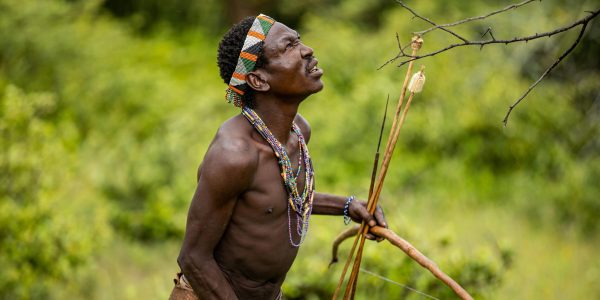
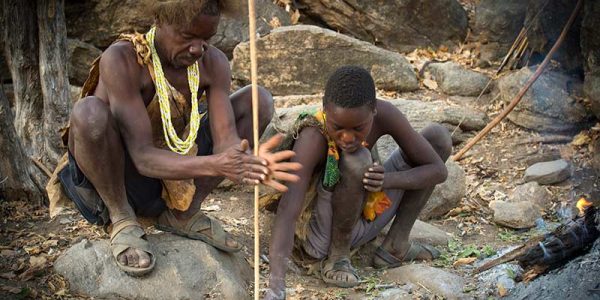
Today is fully dedicated to a carefully guided experience in the Lake Eyasi region, where time with the Hadzabe can create some of the most visually powerful and humanly significant moments of the journey.

The value of this day lies in sensitivity and pacing. It is not about rushing through an encounter. It is about observing respectfully, photographing with awareness, and allowing space for real documentary moments to emerge.

Photography focus: environmental portraiture, gesture, movement, human connection, story and place

Overnight: Lake Eyasi area

3caa1dab-fbc6-4c79-a2b8-802de9ff2122 (2)

Day 8 – Second Full Hadzabe Day

A second full day gives the journey something many cultural trips lack: depth.

With more time, photographers can work with greater patience and familiarity, often leading to more meaningful images and a stronger documentary rhythm. This day allows for more intentional portraiture, quieter storytelling, and a fuller visual understanding of the Lake Eyasi cultural landscape.

Photography focus: deeper portrait work, repeated observation, daily rhythm, stronger visual storytelling

Overnight: Lake Eyasi area

Show More
The-Datoga-tribe-in-Tanzania mto wa mbu

Day 9 – Datoga Cultural Experience and Return to Arusha or Extension

Today complements the previous days with a visit centered on the Datoga community, bringing a different visual language to the journey — craft, homes, texture, blacksmith work, and the practical details of daily life.

This creates a richer contrast within the portfolio and helps complete the cultural story of the Lake Eyasi region. Lake Eyasi travel sources commonly present Hadzabe and Datoga visits together as a paired cultural experience.

After the visit, begin the return to Arusha, or continue with an optional extension to Ngorongoro Crater and Serengeti National Park for guests who want to combine cultural documentary photography with Tanzania’s iconic wildlife landscapes.

Photography focus: craft, blacksmith detail, portraiture, texture, domestic life, social context

Overnight: Arusha or optional wildlife extension

Accommodation in Lake Eyasi

pexels-valerie-sutton-34163824-11156608

Day 10 – Departure

After breakfast, transfer to the airport for your onward flight.

Leave with more than a collection of images — leave with a visual story shaped by people, place, culture, landscape, and the quieter layers of Tanzania.

Show More

Inclusions

  • Private vehicle and guide
  • 9 nights Accommodation as per itinerary
  • Meals as specified in the itinerary
  • All park & concession fees
  • Local cultural guiding and arranged experiences
  • Bottled drinking water during the journey
  • Photography-focused pacing and field time
  • Airport transfers

Exclusions

  • International flights
  • Visa fees
  • Travel insurance
  • Tips and gratuities
  • Personal expenses
  • Alcoholic and soft drinks unless specified
  • Optional specialist documentary coaching

10-Day Katavi & Mahale Private Charter Photography Safari

10-Day Katavi & Mahale Private Charter Photography Safari

A Private Western Tanzania Photography Journey

Discover one of the most exclusive photography safaris in Tanzania with Africa Pathways Expeditions — a privately chartered journey into the remote wilderness of Katavi National Park and Mahale Mountains National Park.

Designed for travelers who seek privacy, rarity, and deeper photographic experiences, this itinerary brings together two of Tanzania’s most extraordinary safari regions in one seamless high-end journey. From the open plains and dramatic wildlife scenes of Katavi to the forested mountains and lakeshore beauty of Mahale, every part of this safari is crafted for guests who want something far beyond the ordinary.

This is not a standard fly-in safari. It is a fully curated private charter experience, created for photographers, safari collectors, and high-value travelers who want access to western Tanzania with comfort, elegance, and simplicity. Instead of navigating complicated safari logistics, guests move smoothly between destinations, allowing more time for meaningful photography and a more refined overall experience, In Katavi, the focus is on raw wilderness, powerful big-game encounters, floodplains, dry-season drama, and a landscape that feels vast and untamed. In Mahale, the mood changes completely — forest trails, chimpanzee encounters, mountain slopes, and the calm waters of Lake Tanganyika create a softer, more intimate photographic chapter.

With Africa Pathways Expeditions, this journey is shaped not only around wildlife, but around pace, atmosphere, access, and photographic purpose. It is a safari for travelers who want the rare privilege of experiencing western Tanzania in a way that feels deeply personal and beautifully arranged, This is western Tanzania at its most exclusive.

Why This Safari Stands Out

  • Privately chartered access into western Tanzania
  • A beautifully curated combination of Katavi and Mahale
  • Private, photography-focused safari rhythm
  • More time in the field and less time managing logistics
  • Extraordinary contrast between open-country big game and forested chimpanzee landscapes
  • Ideal for photographers, honeymooners, safari collectors, and high-end private travelers
  • Thoughtfully delivered by Africa Pathways Expeditions

Travel Style

This itinerary is operated by Africa Pathways Expeditions as a private-charter safari, combining seamless access across western Tanzania with the feel of authentic remote luxury, and is centered around stays at two of the region’s most iconic safari properties.s.

What You Can Expect to Photograph

  • Buffalo, hippos, crocodiles, and predators in Katavi
  • Dramatic floodplain and dry-season wilderness scenes
  • Elephants and broader western Tanzania landscapes
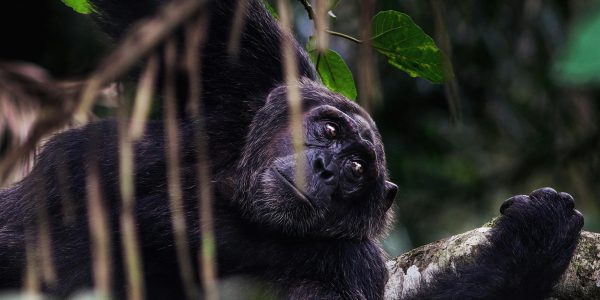
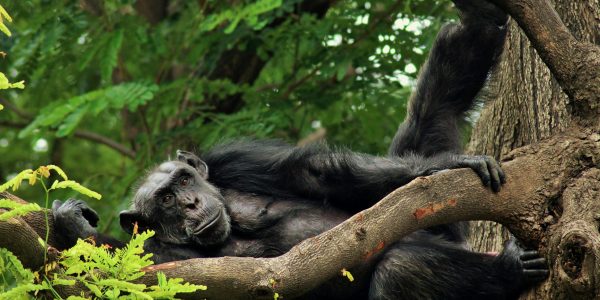
  • Chimpanzees in the forests of Mahale
  • Rainforest textures, mountain light, and intimate primate moments
  • Lake Tanganyika shorelines, reflections, boats, and documentary-style detail
  • A richer visual story shaped by both scale and intimacy

Recommended travel dates:

This safari is best experienced from July to October, when western Tanzania is at its most rewarding — with stronger big-game viewing in Katavi, excellent chimpanzee trekking conditions in Mahale, and the smoothest overall rhythm for a private-charter wilderness journey

Plan Your Private Katavi & Mahale Photography Safari

If you are looking for a safari defined by rarity, privacy, elegant logistics, and truly extraordinary wilderness, this journey offers one of the most exclusive experiences in Tanzania, With Africa Pathways Expeditions, your Katavi & Mahale Private Charter Photography Safari is crafted for comfort, depth, and a seamless connection between two of the country’s most remarkable safari destinations.

10-Day Katavi & Mahale Photography Safari Itinerary

west kilimanjaro 3

Day 1 – Arrival in Tanzania

Your journey begins with arrival in Tanzania, where you will be warmly welcomed and assisted with your onward arrangements before the western safari begins.

Because this is a privately chartered expedition into one of the most remote parts of the country, the first day is designed to feel smooth and unrushed. It gives you time to settle in, rest after travel, and prepare your photography gear for the days ahead.

This evening also offers a chance to review the flow of the safari with Africa Pathways Expeditions, discuss your photographic priorities, and begin the journey with clarity and ease.

Overnight: Arusha or Dar es Salaam, depending on your preferred gateway

Show More

Accommodation options

pexels-dirk-pothen-2149332904-30678630

Day 2 – Private Charter to Katavi National Park

This morning, board your private charter flight into Katavi National Park, where the feeling of the journey changes immediately.

As the landscape opens below you, western Tanzania begins to reveal its true character — wide, raw, and strikingly remote. On arrival, you will transfer to your camp, and ease into your first photographic session in this remarkable wilderness.

The first afternoon is not about rushing. It is about arriving well — feeling the scale of the plains, the dryness of the air, the presence of wildlife, and the immense quiet that makes Katavi feel so different from more familiar safari destinations.

Photography focus: first impressions of Katavi, floodplain atmosphere, wide landscapes, early wildlife encounters

Overnight: Katavi National Park

Show More
pexels-caleb-falkenhagen-216813613-29973761

Day 3 – Katavi: Big Game, Open Plains, and Wilderness Scale

Today is your first full day in Katavi, a landscape that rewards photographers with both power and space.

This is a day for absorbing the mood of the park — the breadth of the plains, the drama of seasonal water, and the kind of wildlife scenes that feel all the more powerful because they unfold in such a quiet and remote setting. Katavi is a place where large subjects and large landscapes belong naturally in the same frame.

With a private safari rhythm, the day can move at the pace your photography needs. That may mean staying longer with a scene, waiting for the light to improve, or working more intentionally with composition rather than simply moving on.

Photography focus: buffalo, hippo pools, open-country wildlife, broad environmental compositions, wilderness scale

Overnight: Katavi National Park

pexels-silvano-ernest-774988871-18964501

Day 4 – Katavi: Predator Drama and Dry-Season Atmosphere

As the safari deepens, today shifts further into the more dramatic side of Katavi.

This is a day shaped by tension, mood, and the visual power of a dry western landscape. The great beauty of Katavi is not only in the wildlife itself, but in how the animals live within the environment — dusty plains, shrinking water sources, and open country that gives every movement more visual weight.

This is often when the park begins to reveal its stronger photographic rhythm. You are no longer simply arriving into the landscape; you are beginning to read it.

Photography focus: predator-rich scenes, dry-season atmosphere, stronger wildlife tension, powerful landscape mood

Overnight: Katavi National Park

Show More
pexels-roger-brown-3435524-14974461

Day 5 – Final Full Day in Katavi

Your final full day in Katavi gives the journey something that shorter remote safaris often lack: depth.

By now, the light, the land, and the movement of the park feel more familiar. This often leads to stronger images, because you are working with more patience and confidence. The value of staying longer in a single remote destination becomes especially clear here.

Rather than chasing novelty, today is about refinement — building stronger compositions, returning to what matters, and allowing the wilderness to shape the work.

Photography focus: refined storytelling, repeated encounters, stronger compositions, deeper Katavi imagery

Overnight: Katavi National Park

Show More

Accommodation in Katavi

pexels-sebastian-wright-2148878306-30459696

Day 6 – Private Charter to Mahale Mountains National Park

Today the safari transforms completely, Board your private charter onward toward Mahale Mountains National Park, where the open drama of Katavi gives way to something softer, greener, and more intimate. On arrival, the atmosphere changes from plains to forest, from dust to lake air, from broad horizons to mountain and shoreline.

Transfer onward to Greystoke Mahale, where the setting is as much part of the experience as the wildlife itself. This is one of the most atmospheric safari arrivals in Tanzania — a place where forest, mountain, and the clear waters of Lake Tanganyika come together with extraordinary beauty.

This first day in Mahale is about transition, place, and slowing into a different photographic mood.

Photography focus: lake-and-mountain atmosphere, shoreline beauty, transition from plains to forest, first Mahale impressions

Overnight: Mahale National Park

Show More
pexels-eric-kamoga-151630609-26689576

Day 7 – Chimpanzee Trekking and Forest Photography

Today is dedicated to one of the most extraordinary wildlife experiences in Tanzania: chimpanzee tracking in Mahale.

This is a very different kind of photography from the open-country drama of Katavi. Here, the work becomes more intimate, more responsive, and more emotional. In the forest, everything depends on patience, quiet movement, and sensitivity to light, sound, and gesture.

Photographing chimpanzees is not only about the moment you find them. It is also about the atmosphere that surrounds them — the forest paths, the filtered light, the texture of leaves and roots, and the emotional closeness that makes Mahale so special.

Photography focus: chimpanzees, forest light, gesture, interaction, intimate wildlife storytelling

Overnight: Mahale National Park

Show More
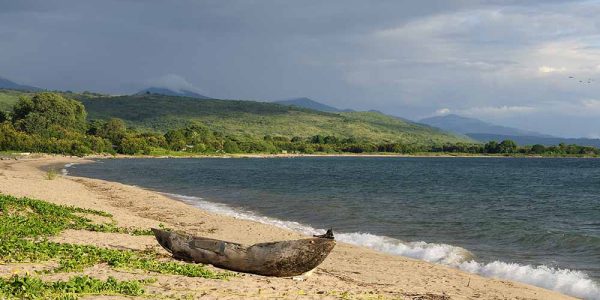
Tanzania, Malawi lake is the Worlds longest and second deepest fresh water lake, it is also one of the oldest lakes on the planet. The picture presents beautiful sand beach and traditional dugout canoe

Day 8 – Mahale Forest, Lakeshore, and the Wider Story

A second full day in Mahale allows the experience to become richer and more layered.

This is where the safari moves beyond a single wildlife encounter and begins to feel like a fuller story. There may be another chimpanzee-focused session, but just as important are the quieter visual details that make Mahale unforgettable — the shoreline, the boats, the edge of the forest, the mountain backdrop, and the stillness of the lake.

Mahale is not only a place to photograph chimpanzees. It is a place to photograph atmosphere.

Photography focus: wider Mahale environment, lakeshore scenes, forest texture, layered documentary-style imagery

Overnight: Mahale National Park

Show More
pexels-sudheerinfo99-8224934

Day 9 – Final Full Day in Mahale

Your final full day in Mahale gives you the freedom to shape the closing chapter of the journey according to the strongest opportunities.

For some, this may mean another deeper forest session. For others, it may mean focusing on the quieter side of the destination — the rhythm of camp, the mountain slopes, the lake in shifting light, and the softer details that complete the portfolio.

This day is about finishing well. Not by adding more, but by choosing what matters most.

Photography focus: final chimpanzee work, forest mood, lake-and-mountain compositions, softer closing imagery

Overnight: Mahale National Park

Show More

Accommodation in Mahale

flight

Day 10 – Private Charter Departure

This morning, begin your departure from western Tanzania by private charter, connecting onward to Dar es Salaam, Arusha, Zanzibar, Serengeti, or another agreed gateway depending on your wider travel plans.

By now, the journey has moved through two completely different worlds — from the open, game-rich drama of Katavi to the intimate forests and lakeshore stillness of Mahale. Together they create a portfolio that feels rare, distinctive, and deeply personal.

Leave with more than extraordinary images. Leave with the feeling of having experienced one of Tanzania’s most exclusive wilderness journeys in a way that was seamless, private, and beautifully arranged.

Show More

Your safari includes:

This safari is priced and designed as a fully inclusive private-charter experience, allowing guests to travel through western Tanzania with complete ease, privacy, and exceptional attention to detail.

Inclusions

  • Private charter flights as per the itinerary
  • All airport, airstrip, boat, and camp transfers
  • Accommodation at carefully selected luxury safari properties
  • All meals throughout the safari
  • Selected house drinks as provided by the camps
  • Private safari guiding and photography-focused field time
  • Shared camp activities and experiences as included by each property
  • Chimpanzee trekking experiences as provided within the Mahale stay
  • All national park entry fees
  • All concession and government bed-night fees
  • Bottled drinking water during the safari
  • Emergency evacuation cover where provided by the camps or operators
  • Handling and coordination by Africa Pathways Expeditions

Exclusions

  • International flights
  • Visa fees
  • Travel insurance
  • Premium wines, champagne, spirits, and special cellar selections unless included by the camps
  • Gratuities and tips
  • Personal expenses
  • Specialist filming permits, drone permits, or commercial photography permits where required
  • Private guiding upgrades or exclusive-use camp buyouts unless specifically quoted
  • Any services not clearly listed under inclusions

15-Day Kenya & Tanzania Photographic Safari | Africa Magic Journey

15-Day Kenya & Tanzania Photographic Safari | Africa Magic Journey

A Timeless East Africa Photography Journey

Experience East Africa through its most iconic and emotionally powerful scenes on a private photography journey designed for travelers who want more than ordinary game drives. Our 15-Day Kenya & Tanzania Photographic Safari | Africa Magic Journey by Africa Pathways Expeditions is crafted around the moments photographers value most — the softness of dawn, the warmth of sunset, the stillness between wildlife movement and changing light, and the unforgettable atmosphere that makes East Africa feel timeless.

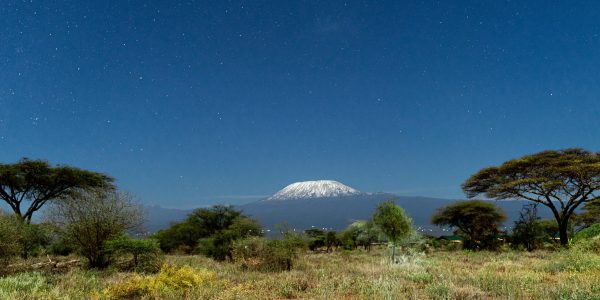
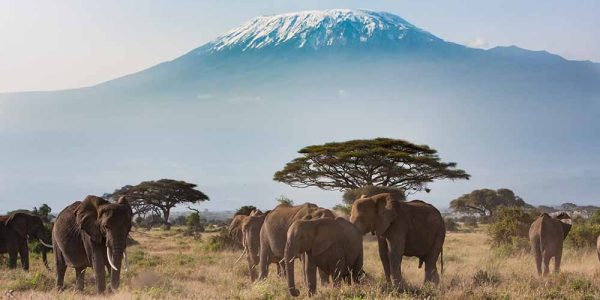
This is not simply a safari across two countries. It is a photography-first East Africa journey built around light, landscape, wildlife rhythm, and visual depth. From the elephant-rich plains of Amboseli with Mount Kilimanjaro rising in the background, to the golden baobab country of Tarangire, the dramatic beauty of the Ngorongoro Crater, and the wide migration plains of the Serengeti, every stage of the journey is designed to help photographers create images that feel rich, natural, and deeply memorable.

Along the way, the journey also includes a respectful cultural layer, with the chance to experience and photograph Maasai life in a thoughtful and meaningful way, as well as village atmosphere in Mto wa Mbu. A walking safari in Tarangire and Serengeti adds texture and intimacy to the experience, while the extended Serengeti stay gives the safari the wildlife depth that serious photography deserves.

Depending on your travel dates, the Serengeti section can be timed around the Great Migration, making this safari especially rewarding for guests who want to combine East Africa’s most iconic landscapes with one of the world’s greatest wildlife spectacles.

With Africa Pathways Expeditions, this is East Africa in its most cinematic form — elegant, soulful, and unforgettable through the lens.

Why This Safari Is Different

Many East Africa safaris focus only on wildlife numbers. This one is built around visual magic.

  • Private photography-focused journey across Kenya and Tanzania
  • 3 nights in Amboseli for elephants and Kilimanjaro backdrop photography
  • Respectful opportunity to photograph Maasai culture
  • 3 nights in Tarangire for baobabs, elephants, and golden dust
  • Walking safari in Tarangire for tracks, texture, and macro detail
  • Mto wa Mbu local lunch and cultural stop
  • Ngorongoro Crater rim overnight before the crater descent
  • Ngorongoro Crater safari in dramatic volcanic scenery
  • 6 nights in the Serengeti for real photographic depth
  • Migration-season flexibility built into the Serengeti section
  • Comfortable fly-out to Arusha before final departure or Nairobi transfer

Classic Safari

This journey is designed as a private East Africa photography safari by Africa Pathways Expeditions, created for travelers who value beautiful pacing, meaningful time in the field, and a more refined safari rhythm. Moving through Kenya and Tanzania, the experience combines classic game drives with carefully chosen scenic transitions, a respectful cultural layer, and a comfortable fly-out from the Serengeti to Arusha at the end of the journey. It is a safari shaped around golden light, wildlife, atmosphere, and photographic depth — elegant in flow, immersive in experience, and thoughtfully crafted from beginning to end.

What You Can Expect to Photograph

  • Elephants beneath Mount Kilimanjaro in Amboseli
  • Open plains, marshes, and soft mountain light in southern Kenya
  • Respectful cultural portraiture and environmental imagery with Maasai communities
  • Elephant herds, baobabs, dust, and warm-toned golden light in Tarangire
  • Walking safari textures, spoor, bark, insects, and smaller natural details
  • Village atmosphere, produce, and local color in Mto wa Mbu
  • Layered crater landscapes and concentrated wildlife in Ngorongoro
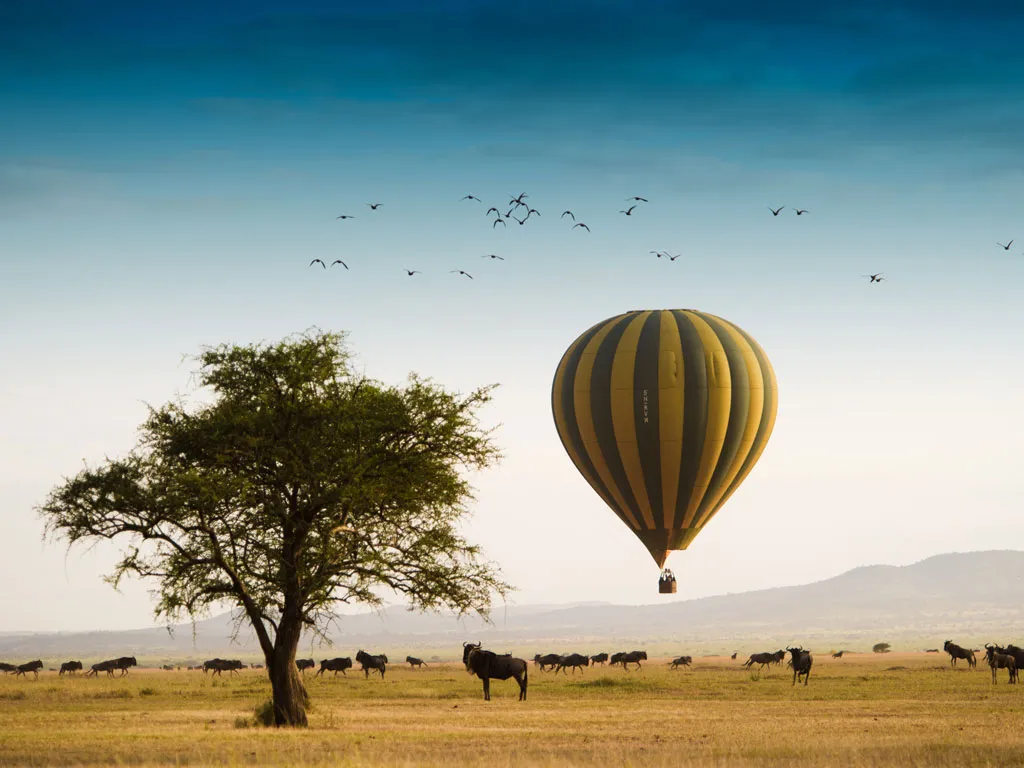
  • Lions, cheetahs, giraffes, zebra, wildebeest, and migration movement in the Serengeti
  • Sunrise, sunset, and wide environmental wildlife compositions throughout the journey

Recommended dates

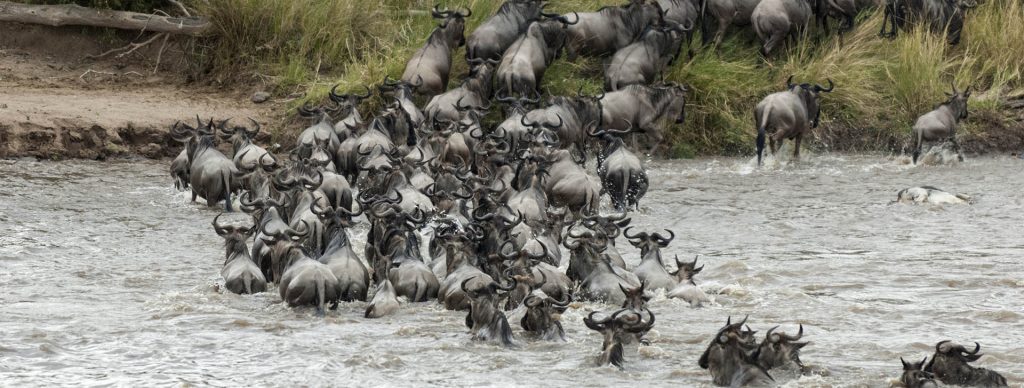
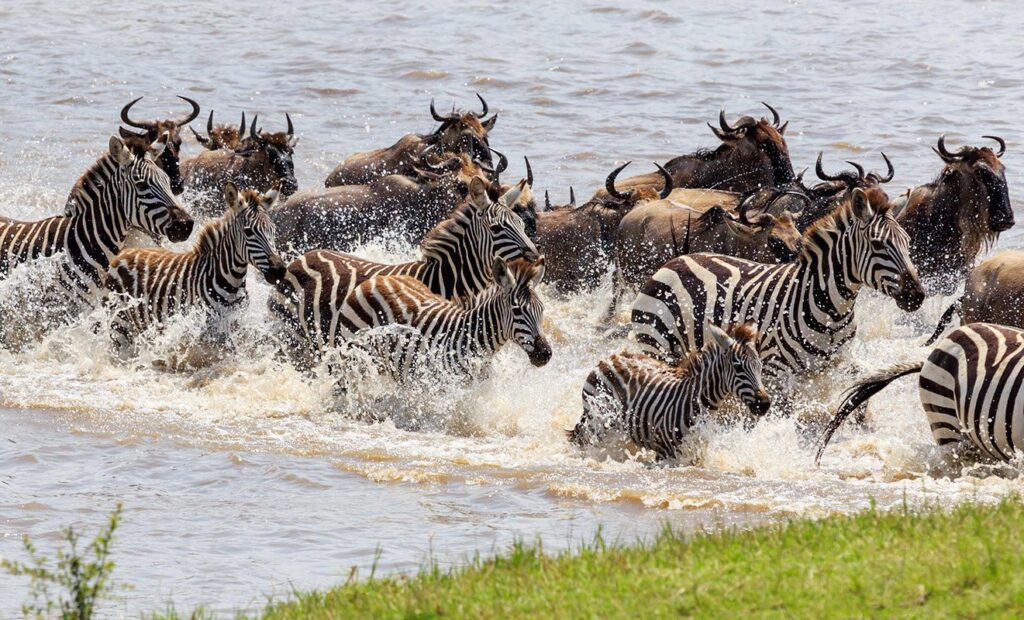
This journey can be beautifully timed around the Great Migration, but it is important to remember that the migration is not fixed to exact dates. It follows rainfall, grazing, and water, so the herds can arrive earlier or later depending on the season. In general, January to March is best for the Southern Serengeti and Ndutu, when calving season brings intense predator action; April to June usually shifts the focus toward the central and western Serengeti, where herd movement and transition begin to build; July to October is strongest in the northern Serengeti, when river-crossing opportunities are at their most famous; and November to December often sees the herds beginning to move south again with the rains.

Plan Your Africa Magic Journey

If you are looking for a safari shaped by golden light, iconic wildlife, East African landscapes, and timeless atmosphere, this journey offers one of the most rewarding photography experiences in Kenya and Tanzania.

Enquire now to plan your 15-Day Kenya & Tanzania Photographic Safari 

15-Day Kenya & Tanzania Photographic Safari Itinerary

pexels-kelly-33622143

Day 1 – Arrival in Nairobi

Arrive at Jomo Kenyatta International Airport, where you will be warmly welcomed and transferred to your hotel in Nairobi.

The first evening is kept relaxed and comfortable, allowing you to recover from travel, settle into the rhythm of the journey, and prepare your equipment for the days ahead.

Overnight: Nairobi

Accommodation options in Nairobi

pexels-mwauraken-29093739

Day 2 – Nairobi to Amboseli National Park

After breakfast, depart Nairobi and travel south toward Amboseli National Park, one of East Africa’s most iconic photography destinations.

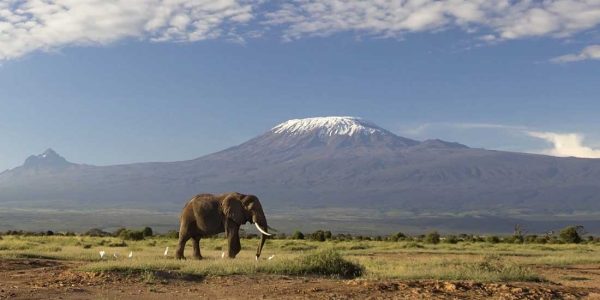
Amboseli is a landscape of light, space, and presence — wide plains, reflective marshes, elephant herds, and, on clear days, the unforgettable silhouette of Mount Kilimanjaro rising beyond the horizon. Few places in Africa offer such immediate visual magic.

Arrive in time for your first game drive in the softer afternoon light.

Photography focus: elephants, Kilimanjaro backdrop, open plains, warm late-afternoon tones

Overnight: Amboseli

Plains of Africa at Mt. Kilimanjaro

Day 3 – Full Day in Amboseli

Today is fully dedicated to the luminous beauty of Amboseli.

This is a park where atmosphere matters as much as wildlife. The early hours often bring the most delicate scenes — the mountain slowly emerging from cloud, elephants moving through pale dust, long shadows stretching across the plains, and the quiet balance of light and scale that makes Amboseli so rewarding for photographers.

The day is designed around patience, flexibility, and the best photographic hours.

Photography focus: sunrise and sunset elephant photography, Kilimanjaro views, marsh reflections, wider scenic compositions

Overnight: Amboseli

pexels-mnmshakir-35034038

Day 4 – Amboseli, Maasai Cultural Experience, and Final Golden Light

A second full day in Amboseli allows the safari to deepen, both visually and emotionally.

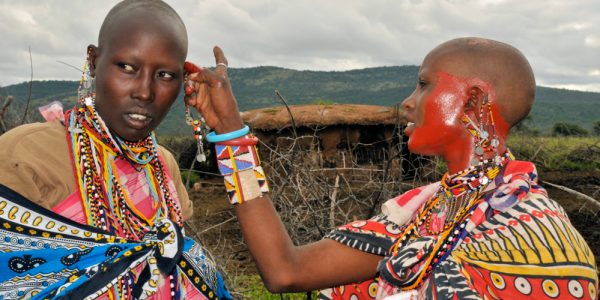
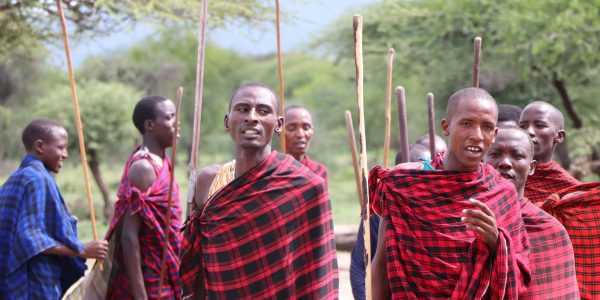
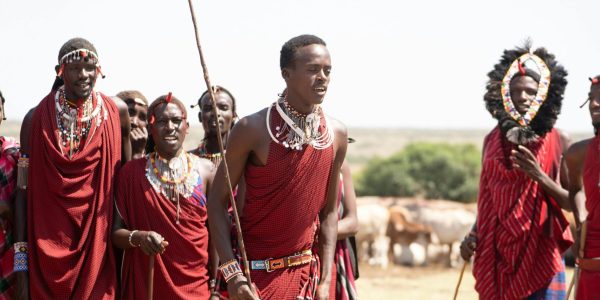
Alongside wildlife photography, today may also include a respectful cultural visit with Maasai community members, creating the opportunity for thoughtful portraiture and environmental storytelling rooted in place. The goal is not performance, but a more meaningful visual encounter handled with care and respect.

As evening approaches, return once more to the plains for the final golden light of Amboseli.

Photography focus: elephants, mountain atmosphere, respectful Maasai portraiture, environmental storytelling, final Amboseli sunset

Overnight: Amboseli

Accommodation options in Amboseli

pexels-wussol-2147803031-30878973

Day 5 – Transfer to Tarangire National Park

Today the journey crosses into Tanzania and continues toward Tarangire National Park, As the landscape changes, so does the visual language of the safari. Tarangire is warmer, drier, and more sculptural — a place of giant baobabs, sweeping savannah, and elephant-rich scenes shaped by golden dust and low light.

Arrive in time to settle into camp and begin your first photographic session in Tarangire.

Photography focus: transition landscapes, first Tarangire atmosphere, baobabs, elephants, warm evening light

Overnight: Tarangire

pexels-ignacio-marchan-9279510-6088706

Day 6 – Full Day in Tarangire National Park

Today is devoted to the golden beauty of Tarangire, This is one of northern Tanzania’s most rewarding parks for photographers who love elephants, baobab silhouettes, and warmer-toned landscapes. Tarangire has a beautiful visual rhythm — less open than Amboseli, more textured, more intimate, and especially rewarding at the edges of the day.

Photography focus: elephants, baobabs, dry-country wildlife, sunrise and sunset mood, warm savannah tones

Overnight: Tarangire

03TKKZ-IM0003-kichaka-zumbua-1560

Day 7 – Tarangire, Walking Safari, and Wilderness Detail

A third night in Tarangire gives this stage of the journey real depth, Today adds another important layer with a walking safari where available, allowing photographers to step away from the vehicle and experience the landscape more closely. This is where the finer details come alive — tracks in the dust, grasses, bark textures, insects, and the small natural moments that complete a stronger portfolio.

Combined with your morning and evening wildlife sessions, it makes Tarangire feel more immersive and complete.

Photography focus: walking safari, macro detail, spoor, texture, elephants, baobabs, low-angle light

Overnight: Tarangire

Swahili-mto wa mbu

Day 8 – Final Morning in Tarangire, Mto wa Mbu, and Crater Rim Overnight

Enjoy one final morning in Tarangire, when the park still feels cool, quiet, and full of gentle possibility.

Afterward, continue toward Mto wa Mbu, where a local lunch and short village excursion add color, movement, and a human rhythm to the day. This is a beautifully placed pause — a chance to feel the energy of everyday life before climbing into the cooler highlands.

By late afternoon, arrive on the Ngorongoro Crater rim, where the atmosphere changes once again. The crater edge in evening light has a quiet grandeur of its own — forest, mist, height, and fading gold above one of Africa’s most dramatic natural settings.

Photography focus: final Tarangire dawn, local color in Mto wa Mbu, scenic transition, crater-rim golden light, atmospheric highland imagery

Overnight: Ngorongoro Crater rim

Accommodation options

Ngorongoro 3a

Day 9 – Ngorongoro Crater Safari and Continue to Serengeti

Rise early and descend into the Ngorongoro Crater for one of the most visually dramatic wildlife days of the journey.

The crater offers a different kind of beauty — denser wildlife, enclosed volcanic scenery, and a sense that every direction holds another composition. It is a place of layered landscapes and concentrated life, especially rewarding in the freshness of early light.

After your crater safari, continue onward to the Serengeti, where the land opens into wider horizons and the final great chapter of the safari begins.

Photography focus: crater wildlife, volcanic scenery, lions, buffalo, birdlife, dramatic transition into the plains

Overnight: Serengeti

pexels-eva-purrer-1937326549-28838309

Day 10 – First Full Day in the Serengeti

Today is your first full day in the Serengeti, The Serengeti is a place of movement, distance, light, and silence. Here, the wildlife feels part of a much larger visual story — herds spread across the plains, predators watching from the grass, dust rising at the horizon, and skies that seem to stretch forever.

Depending on the season, this part of the journey can also be timed around the Great Migration.

Photography focus: lions, giraffes, zebra, plains game, migration in season, sunrise and wider Serengeti compositions

Overnight: Serengeti

pexels-perventuator-8341095

Day 11 – Serengeti Wildlife Photography

A second full day in the Serengeti allows the photography to become more deliberate.

This is where the strongest safari images often begin to happen — not through constant movement, but through stillness, patience, and a better understanding of the rhythm of the plains. The light, the wildlife, and the scale of the landscape all begin to work together more naturally.

Photography focus: predators, migration in season, wildlife behavior, warm morning light, elegant late-afternoon scenes

Overnight: Serengeti

pexels-raybilcliff-7322973

Day 12 – Serengeti, Golden Light, and Migration Rhythm

Another full day gives the journey its real photographic strength.

If guests are traveling during migration season, this extra depth is exactly what makes the itinerary so rewarding. It gives time to work with herd movement, predator opportunity, and the seasonal personality of the Serengeti rather than rushing through it.

This is the day to lean fully into the golden light concept — backlit dust, long shadows, silhouettes, movement across the horizon, and the kind of light that gives East Africa its magic.

Photography focus: migration movement in season, golden-hour plains, silhouettes, dust, stronger visual storytelling

Overnight: Serengeti

serengeti-animals-dung-beetle macro

Day 13 – Deeper Serengeti Photography and Walking Safari

A fourth full day in the Serengeti gives the journey something rare: real depth.

By now, the guide understands your visual priorities more clearly, and you have the time to return to promising areas, wait for stronger light, and refine your portfolio. This is often where more confident, more personal photographs begin to emerge.

To add another layer to the experience, the day can also include a walking safari where available and permitted, creating a different rhythm from the game drives and offering a more intimate connection to the plains. It is a chance to slow down and notice the finer elements of the Serengeti — tracks in the dust, textures in the grasses, smaller natural details, and the quiet atmosphere that shapes the landscape beyond the larger wildlife scenes.

Photography focus: repeated sightings, stronger compositions, deeper predator work, walking safari, texture, detail, and more intentional photography

Overnight: Serengeti

pexels-wayne-lubbe-3484498-5205057

Day 14 – Final Full Day in the Serengeti

Your final full day in the Serengeti is designed as a closing chapter of atmosphere and emotion.

From dawn to dusk, the plains offer one last opportunity to photograph East Africa at its most timeless and cinematic. This is a day for softness, mood, long light, and whatever final wildlife moments the land offers.

Photography focus: sunrise, sunset, final wildlife encounters, softer closing imagery, migration and big-cat opportunities in season

Overnight: Serengeti

pexels-timon-cornelissen-241844481-31481943 (1)

Day 15 – Final Serengeti Morning, Fly to Arusha, and Overnight

Enjoy one final morning session in the Serengeti before boarding your flight to Arusha.

The morning often feels especially beautiful at the end of a long safari — the light softer, the pace slower, the landscape more familiar. On arrival in Arusha, transfer to your lodge for a comfortable overnight. Ending this way gives the journey a smoother, more elegant close and allows guests to leave the wild without feeling rushed.

Photography focus: final sunrise wildlife, aerial landscapes in flight, quiet closing moments

Overnight: Arusha

Accommodation in Serengeti

flight

Day 16 – Departure or Transfer to Nairobi

After breakfast, transfer to the airport for your international departure, or continue with onward arrangements to Nairobi depending on your wider travel plans.

Leave with a portfolio shaped by some of East Africa’s most unforgettable scenes — Kilimanjaro, elephants, baobabs, crater light, and the open plains of the Serengeti in migration season.

Inclusions

  • All airport transfers
  • Private or small-group 4×4 safari vehicle
  • Professional English-speaking safari guides
  • All national park and conservation fees
  • Accommodation as per itinerary
  • Meals as specified in the itinerary
  • Bottled drinking water during safari
  • Photography-focused game drives
  • Walking safari where included and available
  • Serengeti flight to Arusha as per itinerary
  • Full journey coordination by Africa Pathways Expeditions

Exclusions

  • International flights
  • Visa fees
  • Travel and medical insurance
  • Gratuities and tips
  • Personal expenses
  • Premium alcoholic drinks unless specified
  • Optional activities not specifically listed as included