Ngorongoro Conservation Area

[vc_row][vc_column][vc_column_text]A UNESCO protected World Heritage Site and an International Biosphere Reserve, the Ngorongoro Conservation Area is situated some 190 km. west of Arusha, between Lake Manyara and Serengeti National Parks. Covering approximately 8,292 square km, the Ngorongoro Conservation Area consists of the Ngorongoro Crater itself, the Olduvai Gorge and Ndutu, the Empakai crater and the Oldonyo Lengai Mountain. The Ngorongoro Conservation Area is a pioneering experiment in multi-purpose land use where people (the Maasai), their livestock and wildlife coexist and share the same protected habitat. Wild animals are protected as in the National Parks. The craters of Ngorongoro and Empakai are reserved exclusively for wildlife, while the rest of the Conservation Area is shared by wildlife, people and livestock. The Maasai, the main residents of Ngorongoro, are pastoralists who move widely with their herds of cattle, sheep, goat and donkeys in search of pasture and water. In recent years the Maasai have been encouraged to work on the land and supplement their traditional  diet of milk and meat.

The Ngorongoro Crater, which is the central attraction in the area, is the largest Caldera in the world that has its walls intact. The Ngorongoro Crater floor, a sheer drop of 610 metres below the crater rim, has an area of 304 sq. km, with a diameter of 19 km. The sight of the Ngorongoro Crater is simply stunning. “It is impossible to give a fair description of the size and beauty of the Crater, for there is nothing with which one can compare it. It is one of the Wonders of the World…” once wrote Professor Bernhard Grzimek. The crater floor is home to tens of thousands of plains animals, including wildebeest, zebra, gazelles, elands, and a large predator population of lions, hyena and jackal which can all be viewed at close quarters. The rare black rhino can be viewed here, and if you are lucky you can see cheetah and leopard. The rainy season is between November and May. The altitude at the crater rim is about 2286 metres above sea level, and temperatures can get quite chilly in the evening, especially between May to September.

NDUTU

Ndutu is located in the Ngorongoro Conservation Area, in the southeastern plains of the Serengeti ecosystem. The plains around Ndutu are the main holding ground for migratory animals where vast herds congregate and linger for more than four months, from December to April, before they start moving across the Serengeti in search of greener pastures and water. The Ndutu area forms an important part of the Serengeti ecosystem, in particular the short grass plains which provide calving grounds for wildebeest and other migratory animals.

Info

Size: 8,292 square kilometres.

Location: Between Lake Manyara National Park and Serengeti National Park.

Best Time: Year round.

To  Do: Game drives, Olduvai Gorge, visits to nearby Empakaai Crater or Olmoti Crater, Hiking and cultural visits.

Known  For:  Rhinoceros,  the starting point of the Great Migration, and stunning views[/vc_column_text][/vc_column][/vc_row]

Maasai Mara National Reserve

[vc_row][vc_column][vc_column_text]The Maasai Mara National Reserve (also known as Masai Mara and by the locals as The Mara) is a large game reserve in Narok County, Kenya, contiguous with the Serengeti National Park in Mara Region, Tanzania. It is named in honor of the Maasai people (the ancestral inhabitants of the area) and their description of the area when looked at from afar: “Mara,” which is Maa (Maasai language) for “spotted,” an apt description for the circles of trees, scrub, savanna, and cloud shadows that mark the area.

It is globally famous for its exceptional population of Masai lions, African leopards and Tanzanian cheetahs, and the annual migration of zebra, Thomson’s gazelle, and wildebeest to and from the Serengeti every year from July to October, known as the Great Migration. The Maasai Mara National Reserve is only a fraction of the Greater Mara Ecosystem, which includes the following Group Ranches: Koiyaki, Lemek, Ol Chorro Oirowua, Olkinyei, Siana, Maji Moto, Naikara, Ol Derkesi, Kerinkani, Oloirien, and Kimintet.[/vc_column_text][/vc_column][/vc_row]

Mahale Mountains National Park

[vc_row][vc_column][vc_column_text]Mahale Mountains National Park lies 120 km south of Kigoma town, on a peninsula in Lake Tanganyika on the western border of Tanzania. The park has an area of 1613 sq km and is dominated by the Mahale Mountains Chain running from north-west to south-east across the middle of the park, the highest peak, Mount Nkungwe, rising 2,462 meters above sea level. Its western boundary protects not only 63 kms of lakeshore but also the adjacent 1.6 km-wide strip of coastal waters. The park vegetation is mainly Miombo woodland with narrow strips of riverine forests, some rainforest and savannah which provide habitat to a variety of animal species.

Mahale Mountains like its northerly neighbour Gombe Stream, is home to some Africa’s last remaining wild chimpanzees, with an estimated population of about 800, found in the rain forests of Mahale together with other rainforest animals including the Angolan colobus monkey and other primates. Species found in Miombo woodland include roan antelopes, sable antelopes and lichtenstein hartebeest, while the savannah provide habitat to warthogs, giraffes, grant’s zebras, hyenas and lions.

About 82 species of mammals have been recorded in Mahale, a remote road-free park accessible only by boat or light aircraft. The park is rich in bird life with over 350 bird species recorded. Mahale is bordered to the west by Lake Tanganyika, the world’s longest, second deepest and perhaps least-polluted freshwater lake, which harbour a variety of fish species, with about 250 species found nowhere else on earth. Mahale offers a variety of attractions for visitors, from tracking wild habituated chimpanzees, to mountain climbing, snorkeling, fishing, kayaking and relaxing on pristine, white, sandy beaches of Lake Tanganyika.

Info

Size: 1613 square kilometres.

Location: Western Tanzania near Lake Tanganyika.

Best Time: May to November.

To Do: Chimpanzee trekking, hiking, camping, and fishing.

Known For: Chimpanzees.[/vc_column_text][/vc_column][/vc_row]

Lake Manyara National Park

[vc_row][vc_column][vc_column_text]Located 125 km west of Arusha town, nestling by the wall of the Great Rift Valley, Lake Manyara National Park is one of the oldest and most popular sanctuaries in East Africa. The park has a large variety of habitats, making it possible to support a wealth of wildlife in its small area. The main habitats include the shallow soda lake itself which occupies 77% of the National Park total area of 330 sq. km, the groundwater forest, open grassland, acacia woodland and the rift wall.

The most famous spectacle in the park is the tree-climbing lions, which are occasionally seen along branches of acacia trees. Other animals found in the park include buffalo, elephants, leopards, baboons, impala, giraffes, zebra, wildebeest, ostrich and hippos. Popularly referred to as an ornithologist’s paradise, Lake Manyara National Park contains over 400 bird species found in most savanna and river habitats in East Africa. Common water birds to be seen here are pelicans, spoonbills, Egyptian geese, hammerkops and the migratory flamingos, which arrive in hundreds of thousands creating one of Africa’s great natural sights over the soda lake.

Info

Size: 330 square kilometres.

Location: Northern Tanzania. Roughly ninety minutes drive from Arusha. Best     Time: July   to         October       for  game      or   November  to              June        for bird-watching.

To Do: Game drives, canoeing, cultural tours, mountain biking, abseiling, and forest walks.

Known For: Elephants and flamingos[/vc_column_text][/vc_column][/vc_row]

Kitulo National Park

[vc_row][vc_column][vc_column_text]Perched at around 2600 meters above sea level between the rugged peaks of the Kipengere, Poroto and Livingstone mountains, the well-watered volcanic soils of Kitulo support the largest and most important montane grassland community in Tanzania. Referred by locals as The Garden of God, Kitulo National Park is “one of the great floral spectacles of the world”, a rare botanical marvel and home to 350 species of vascular plants, including 45 varieties of terrestrial orchid, which erupt into a riotous wildflower display of breathtaking scale and diversity during the main rainy season of late November to April.

One of the most important watersheds for the Great Ruaha River, Kitulo is also the first national park in tropical Africa to be gazetted largely for its floral significance-not only a multitude of orchids, but also the stunning yellow-orange red-hot poker and a variety of aloes, proteas, geraniums, giant lobelias, lilies and aster daisies, of which more than 30 species are endemic to southern Tanzania. But Kitulo is also attractive for bird watching, home to rare bird species. Big game is sparsely represented, though a few hardy mountain reedbuck and eland still roam the open grassland. Located about 100 kilometres from Mbeya town in Southern Tanzania, Kitulo National Park (413 sq km) is a botanist and hiker’s paradise. Wild flowers display peaks during the rainy season between December and April, excellent time for botanists, while the sunnier months of September to November are more comfortable for hiking but less rewarding to botanists. Conditions are cold and foggy from June to August. Accommodation is available in Mbeya town.

Info

Size: 413 square kilometres. Location: Southern Tanzania. Best Time: December to April.

To Do: Hiking, bird-watching, wild flowers, and swimming.

Known For: Stunning wild flowers[/vc_column_text][/vc_column][/vc_row]

Marangu Route 5 or 6 Days

Marangu Route 5 or 6 Days

About the route

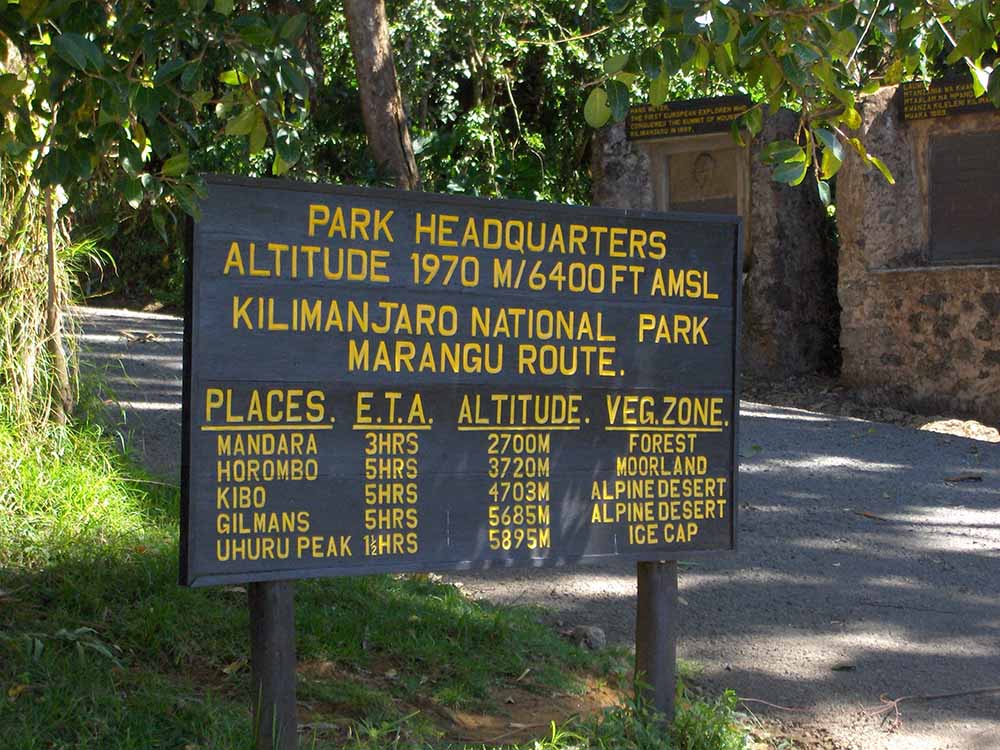
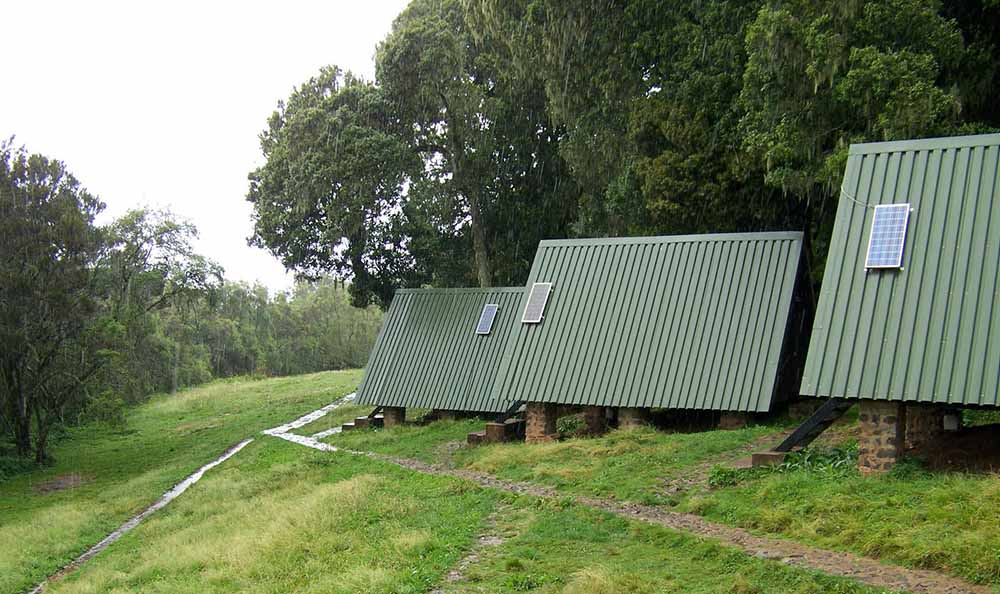
Marangu, also known as the Coca-Cola Route is the most popular route on Kilimanjaro. It is the only route equipped with sleeping huts, which come in handy in the rainy season.

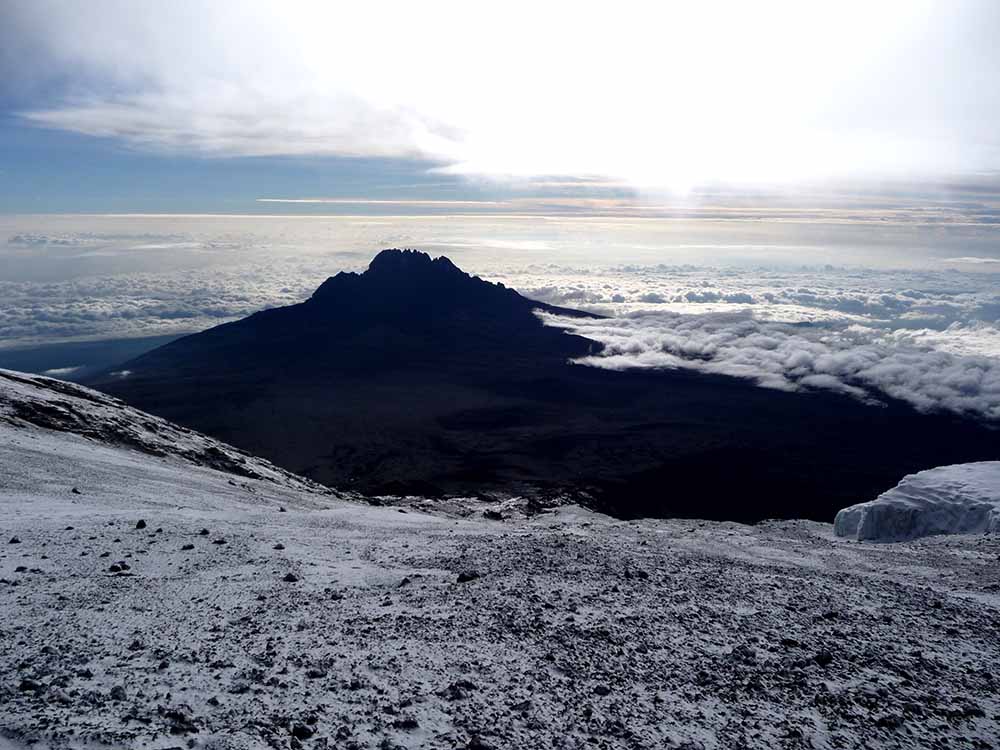
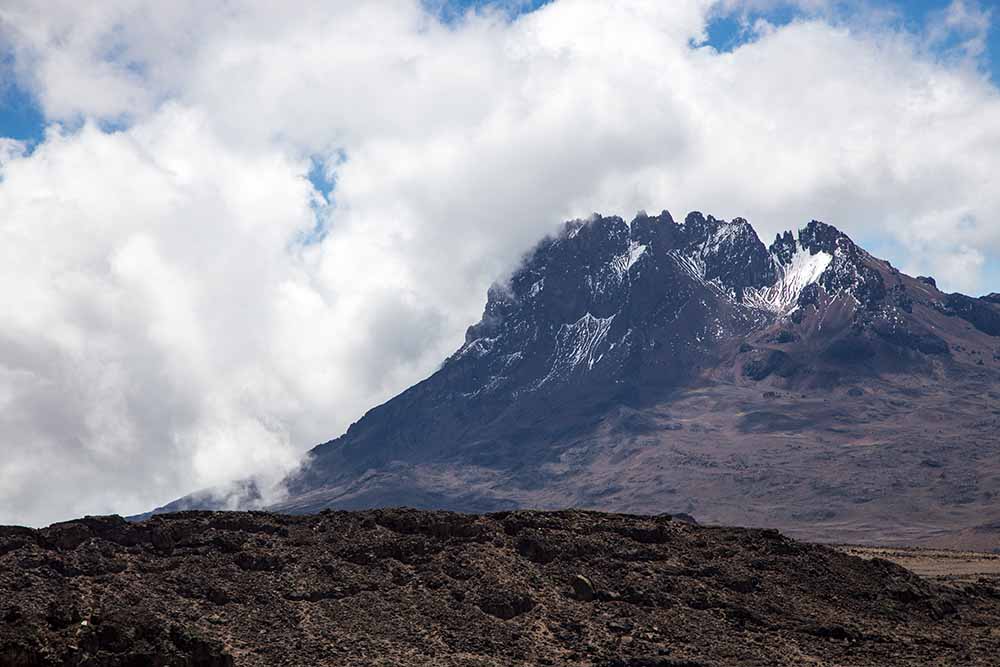
Another great thing about trekking Kilimanjaro on the Coca-Cola Route is the views of the Kibo and Mawenzi volcanoes! Itineraries on the Marangu Route last for 6 or 5 days, the fastest (5 days) hike is a good option for skilled trekkers. Hiking on the Marangu Route for 6 or 5 days will be fine if you climb Kilimanjaro for the first time, as extra days are good for altitude acclimatization.

We recommend this route for beginners and those who appreciate comfortable conditions. The distance of the Marangu Route about 64 km (40 miles).

[vc_row][vc_column][mpc_connected_icons preset=”mpc_preset_9″ content_preset=”_mpc_preset_1″ layout=”vertical” gap=”25″ lines_number=”2″ lines_style=”dotted” lines_color=”#365347″ lines_gap=”2″ lines_weight=”3″][mpc_icon_column layout=”style_3″ alignment=”left” background_color=”#ffffff” padding_css=”padding:0px;” margin_divider=”true” title_font_preset=”mpc_preset_20″ title_font_color=”#365347″ title_font_size=”17″ title_font_line_height=”1.4″ title_font_transform=”uppercase” title_font_align=”left” title=”DAY 1: TREKKING FROM MARANGU GATE TO MANDARA HUT” title_margin_divider=”true” title_margin_css=”margin-bottom:5px;” content_font_preset=”mpc_preset_1″ content_font_color=”#0a0a0a” content_font_size=”16″ content_font_line_height=”1.5″ content_font_align=”left” mpc_icon__icon_type=”image” mpc_icon__icon_image_size=”full” mpc_icon__icon_image=”3688″ mpc_icon__border_css=”border-radius:0px;” mpc_icon__padding_divider=”true” mpc_icon__margin_divider=”true” mpc_icon__margin_css=”margin-right:15px;” mpc_icon__mpc_tooltip__border_divider=”true” mpc_icon__mpc_tooltip__padding_divider=”true” mpc_divider__disable=”false” mpc_divider__width=”10″ mpc_divider__align=”left” mpc_divider__content_padding_divider=”true” mpc_divider__content_padding_css=”padding-top:0px;padding-right:0px;padding-bottom:0px;padding-left:0px;” mpc_divider__lines_color=”#dddddd” mpc_divider__padding_divider=”true” mpc_divider__padding_css=”padding-top:3px;padding-bottom:3px;” hover_padding_css=”padding:0px;”]

Change in Elevation:

  • Marangu Gate (1,860 m)
  • Mandara Hut (2,700 m)

  • Hiking distance: 11 km
  • Hiking time: 5 to 7 hours

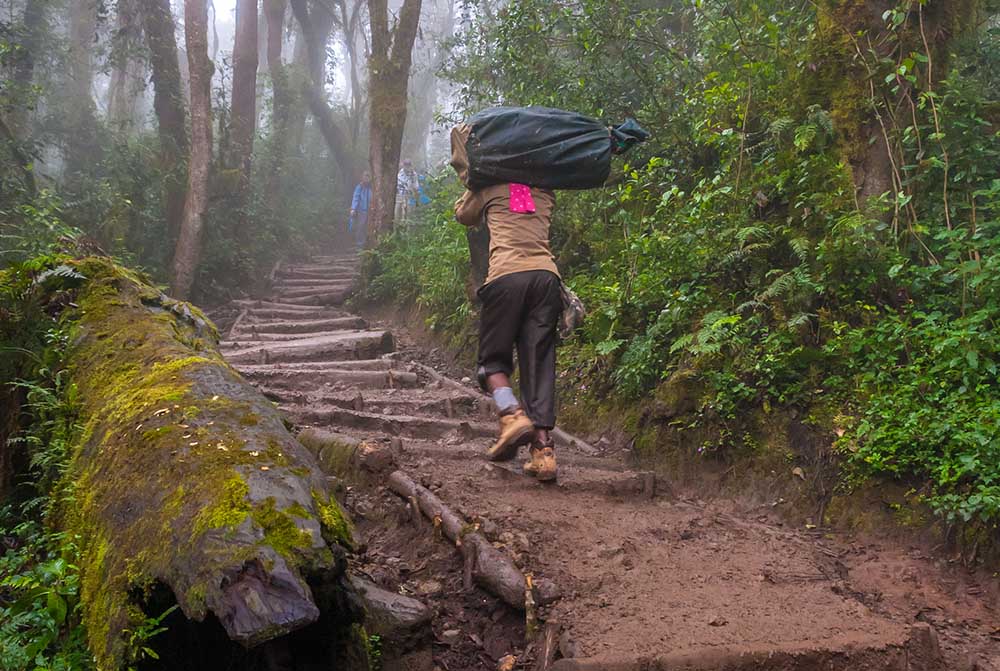
A guide and a mountain support crew will arrive at the hotel in the morning in order to meet you and hold a quick briefing, after which you will travel by vehicle to Kilimanjaro National Park’s eastern entrance: Marangu Gate (1,860 m). After the quick formality of acquiring climbing permits and registering with the search and rescue service, the group will start trekking up to Mandara Hut (2,700 m). The trekking route includes passage through the rainforest (where tropical showers are highly probable), so we recommend you take not only spare clothes, but also your raincoats. When you reach the camp, our mountain support crew will take care of the necessities, pitch the tents, and prepare lunch.

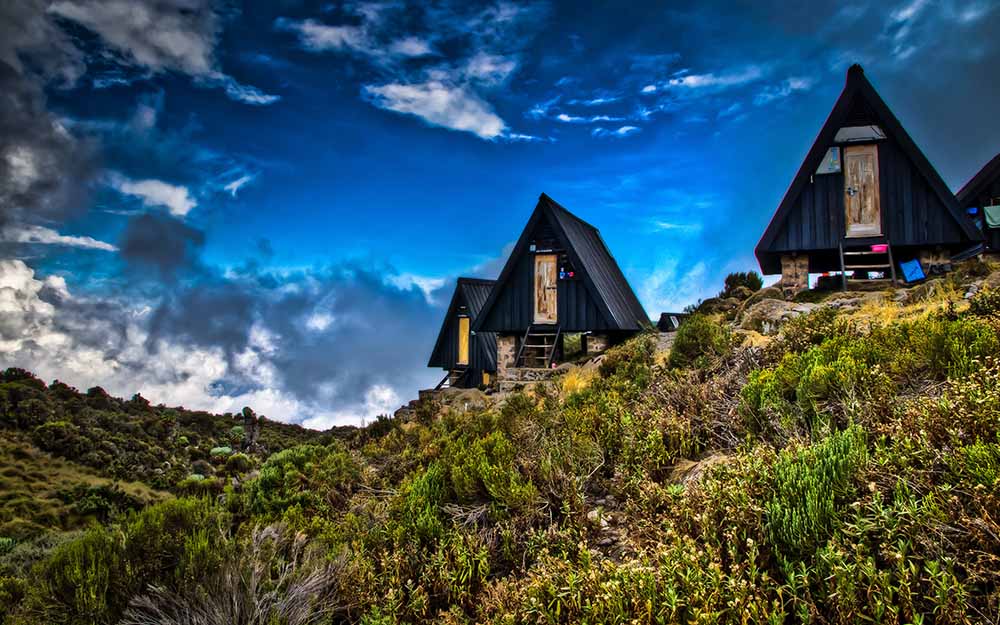
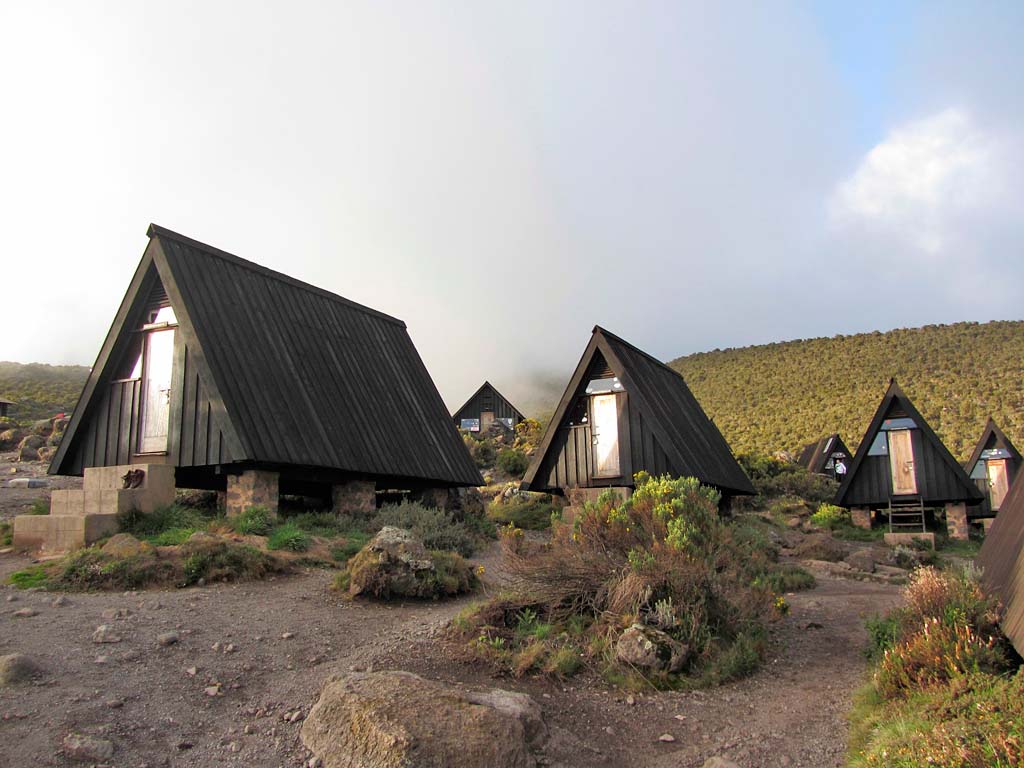
Throughout the entire Marangu route, you will be spending your nights in special huts. They offer a great alternative to those who do not want to sleep in tents.

This will be your first day at this altitude, so it is strongly recommended you heed the following instructions from this point on:

  • Abstain from consuming alcohol and caffeine
  • Drink over 4 liters of bottled water daily (little by little, frequently)
  • Take a Diamox pill to help alleviate symptoms of altitude sickness. Most mountain climbers take Diamox in the morning, before they start their ascent, in order to reduce discomfort associated with altitude sickness. We recommend you consult your doctor prior to the trip in case of potential allergies.

At night you may experience discomfort associated with acclimatization to the high altitude: because of a reduction in your waking breathing pattern, your body gets less oxygen than during the day. Taking altitude into account, you may therefore start feeling sick and have a headache. Pay attention to your own body and tell your guide if you start feeling any symptoms of altitude sickness.[/mpc_icon_column][mpc_icon_column layout=”style_3″ alignment=”left” background_color=”#ffffff” padding_css=”padding:0px;” margin_divider=”true” title_font_preset=”mpc_preset_20″ title_font_color=”#365347″ title_font_size=”17″ title_font_line_height=”1.4″ title_font_transform=”uppercase” title_font_align=”left” title=”DAY 2: TREKKING FROM MANDARA HUT TO HOROMBO HUT” title_margin_divider=”true” title_margin_css=”margin-bottom:5px;” content_font_preset=”mpc_preset_1″ content_font_color=”#0a0a0a” content_font_size=”16″ content_font_line_height=”1.5″ content_font_align=”left” mpc_icon__icon_type=”image” mpc_icon__icon_image_size=”full” mpc_icon__icon_image=”3688″ mpc_icon__border_css=”border-radius:0px;” mpc_icon__padding_divider=”true” mpc_icon__margin_divider=”true” mpc_icon__margin_css=”margin-right:15px;” mpc_icon__mpc_tooltip__border_divider=”true” mpc_icon__mpc_tooltip__padding_divider=”true” mpc_divider__disable=”false” mpc_divider__width=”10″ mpc_divider__align=”left” mpc_divider__content_padding_divider=”true” mpc_divider__content_padding_css=”padding-top:0px;padding-right:0px;padding-bottom:0px;padding-left:0px;” mpc_divider__lines_color=”#dddddd” mpc_divider__padding_divider=”true” mpc_divider__padding_css=”padding-top:3px;padding-bottom:3px;” hover_padding_css=”padding:0px;”]

Change in Elevation:

  • Mandara Hut (2,700 m)
  • Horombo Hut (3,720 m)

  • Hiking distance: 10 km
  • Hiking time: 5 to 6 hours

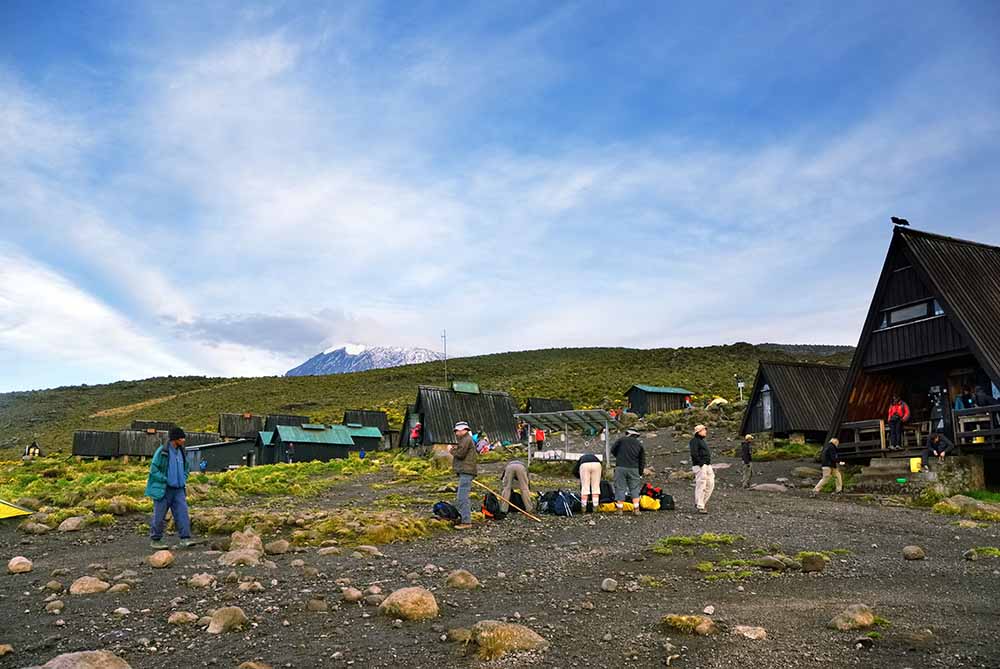
Early in the morning after breakfast, the group will depart Mandara Hut to start a moderate trek towards the second high altitude camp: Horombo Hut (3,720 m). When you reach the camp on this day, you will be treated to views of two volcanos at once: Kibo and Mawenzi.

Several hours after lunch you will have to complete an acclimatization hike in the direction of Kibo Hut with a 200-meter gain in altitude, and then hike back down to Horombo Hut where dinner will be prepared for you.

Note: The acclimatization hike is an easy trek with a slight gain in altitude done in order to speed up the acclimatization process. You should take the acclimatization hikes very seriously. They help increase your chances of successfully summiting Kilimanjaro and save you from the consequences of altitude sickness.

Acclimatization hike:

Change in Elevation:

  • Horombo Hut (3,720 m)
  • Destination point en route to Kibo Hut (3,920 m)

  • Hiking distance: 2.5 km
  • Hiking time: 1 to 2 hours

[/mpc_icon_column][mpc_icon_column layout=”style_3″ alignment=”left” background_color=”#ffffff” padding_css=”padding:0px;” margin_divider=”true” title_font_preset=”mpc_preset_20″ title_font_color=”#365347″ title_font_size=”17″ title_font_line_height=”1.4″ title_font_transform=”uppercase” title_font_align=”left” title=”DAY 3: TREKKING FROM HOROMBO HUT TO KIBO HUT” title_margin_divider=”true” title_margin_css=”margin-bottom:5px;” content_font_preset=”mpc_preset_1″ content_font_color=”#0a0a0a” content_font_size=”16″ content_font_line_height=”1.5″ content_font_align=”left” mpc_icon__icon_type=”image” mpc_icon__icon_image_size=”full” mpc_icon__icon_image=”3688″ mpc_icon__border_css=”border-radius:0px;” mpc_icon__padding_divider=”true” mpc_icon__margin_divider=”true” mpc_icon__margin_css=”margin-right:15px;” mpc_icon__mpc_tooltip__border_divider=”true” mpc_icon__mpc_tooltip__padding_divider=”true” mpc_divider__disable=”false” mpc_divider__width=”10″ mpc_divider__align=”left” mpc_divider__content_padding_divider=”true” mpc_divider__content_padding_css=”padding-top:0px;padding-right:0px;padding-bottom:0px;padding-left:0px;” mpc_divider__lines_color=”#dddddd” mpc_divider__padding_divider=”true” mpc_divider__padding_css=”padding-top:3px;padding-bottom:3px;” hover_padding_css=”padding:0px;”]

Change in Elevation:

  • Horombo Hut (3,720 m)
  • Kibo Hut (4,700 m)

  • Hiking distance: 10 km
  • Hiking time: 4 to 8 hours

On this day, right after breakfast the group will be trekking to the Kibo Hut (4,700 m). The actual trekking is not very difficult, just remember to stick with an appropriate pace to keep up your strength for the trekking to Kilimanjaro’s summit. When you reach the camp you will be served lunch, after which we recommend you sleep as much as you can, avoid any strenuous activity, and drink lots of water.[/mpc_icon_column][mpc_icon_column layout=”style_3″ alignment=”left” background_color=”#ffffff” padding_css=”padding:0px;” margin_divider=”true” title_font_preset=”mpc_preset_20″ title_font_color=”#365347″ title_font_size=”17″ title_font_line_height=”1.4″ title_font_transform=”uppercase” title_font_align=”left” title=”DAY 4: TREKKING TO UHURU PEAK AND DESCENT TO HOROMBO HUT” title_margin_divider=”true” title_margin_css=”margin-bottom:5px;” content_font_preset=”mpc_preset_1″ content_font_color=”#0a0a0a” content_font_size=”16″ content_font_line_height=”1.5″ content_font_align=”left” mpc_icon__icon_type=”image” mpc_icon__icon_image_size=”full” mpc_icon__icon_image=”3688″ mpc_icon__border_css=”border-radius:0px;” mpc_icon__padding_divider=”true” mpc_icon__margin_divider=”true” mpc_icon__margin_css=”margin-right:15px;” mpc_icon__mpc_tooltip__border_divider=”true” mpc_icon__mpc_tooltip__padding_divider=”true” mpc_divider__disable=”false” mpc_divider__width=”10″ mpc_divider__align=”left” mpc_divider__content_padding_divider=”true” mpc_divider__content_padding_css=”padding-top:0px;padding-right:0px;padding-bottom:0px;padding-left:0px;” mpc_divider__lines_color=”#dddddd” mpc_divider__padding_divider=”true” mpc_divider__padding_css=”padding-top:3px;padding-bottom:3px;” hover_padding_css=”padding:0px;”]

Change in Elevation:

  • Kibo Hut (4,700 m)
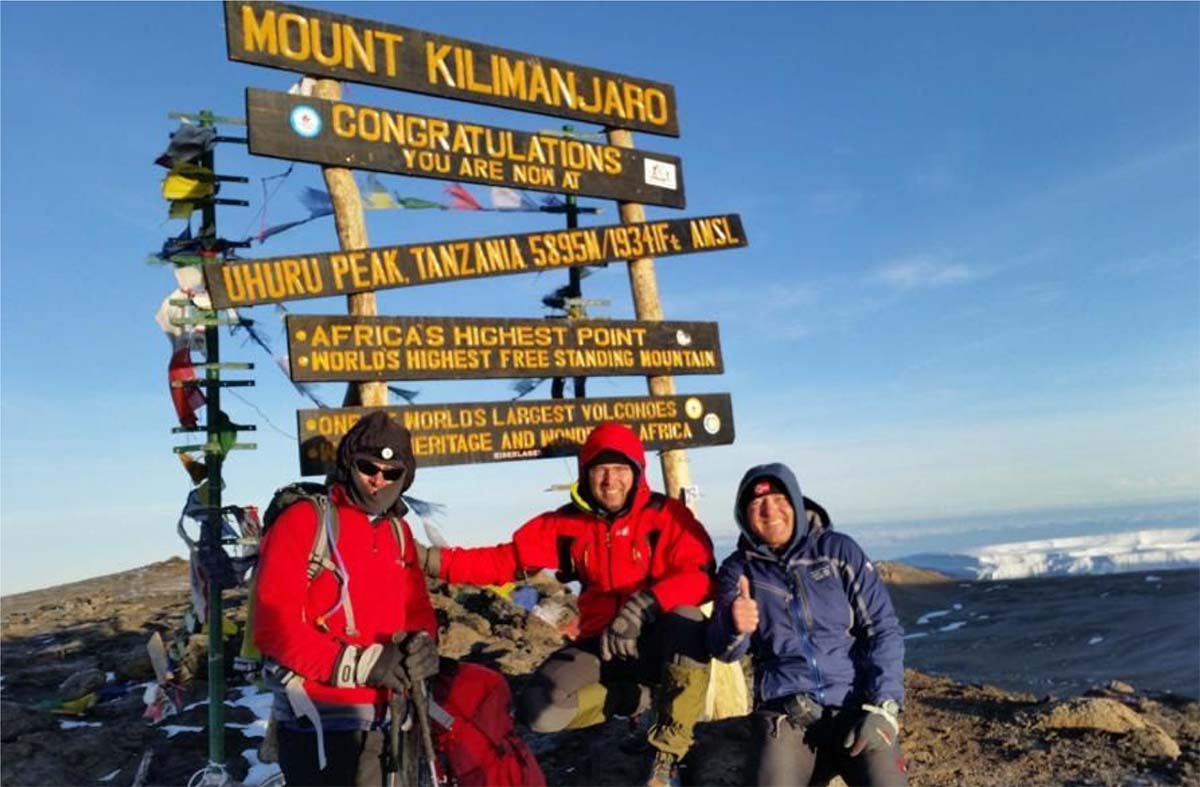
  • Uhuru Peak (5,895 m)
  • Horombo Hut (3,720 m)

  • Hiking distance: 16 km
  • Hiking time: 9 to 12 hours

Night departure from Kibo Hut (4,700 m) and the start of your trekking to Kilimanjaro’s summit: Uhuru peak (5,895 m). The trekking will be moderate from a physical standpoint, but the altitude presents a much more serious problem. For the entire length of the trekking each pair of climbers will be accompanied by their own guide, who will be monitoring your stamina and mental resolve. After your successful ascent to Uhuru Peak, you can descend to the nearest glacier if desired. Then you will return to Kibo Camp and after a two-hour rest continue your descent to Horombo Hut (3,720 m).

Note: Don’t forget that 90% of all accidents occur during the descent, including all broken arms and legs. Please pay attention to your feet, as there is a high risk of damaging your toenails.[/mpc_icon_column][mpc_icon_column layout=”style_3″ alignment=”left” background_color=”#ffffff” padding_css=”padding:0px;” margin_divider=”true” title_font_preset=”mpc_preset_20″ title_font_color=”#365347″ title_font_size=”17″ title_font_line_height=”1.4″ title_font_transform=”uppercase” title_font_align=”left” title=”DAY 5: DESCENT FROM HOROMBO HUT TO MARANGU GATE” title_margin_divider=”true” title_margin_css=”margin-bottom:5px;” content_font_preset=”mpc_preset_1″ content_font_color=”#0a0a0a” content_font_size=”16″ content_font_line_height=”1.5″ content_font_align=”left” mpc_icon__icon_type=”image” mpc_icon__icon_image_size=”full” mpc_icon__icon_image=”3688″ mpc_icon__border_css=”border-radius:0px;” mpc_icon__padding_divider=”true” mpc_icon__margin_divider=”true” mpc_icon__margin_css=”margin-right:15px;” mpc_icon__mpc_tooltip__border_divider=”true” mpc_icon__mpc_tooltip__padding_divider=”true” mpc_divider__disable=”false” mpc_divider__width=”10″ mpc_divider__align=”left” mpc_divider__content_padding_divider=”true” mpc_divider__content_padding_css=”padding-top:0px;padding-right:0px;padding-bottom:0px;padding-left:0px;” mpc_divider__lines_color=”#dddddd” mpc_divider__padding_divider=”true” mpc_divider__padding_css=”padding-top:3px;padding-bottom:3px;” hover_padding_css=”padding:0px;”]

Change in Elevation:

  • Horombo Hut (3,720 m)
  • Marangu Gate (1,860 m)

  • Hiking distance: 18 km
  • Hiking time: 5 to 6 hours

You will be offered a warm breakfast in the morning, after which we will head for the Kilimanjaro National Park’s exit: Marangu Gate (1,860 m). After your descent the whole group will gather to congratulate you, and then you will have the chance to share your opinions on the trip in the guestbook. Lastly, we will present you with your commemorative certificates (in our office) and provide you a transfer back to the hotel.[/mpc_icon_column][mpc_icon_column layout=”style_3″ alignment=”left” background_color=”#ffffff” padding_css=”padding:0px;” margin_divider=”true” title_font_preset=”mpc_preset_20″ title_font_color=”#365347″ title_font_size=”17″ title_font_line_height=”1.4″ title_font_transform=”uppercase” title_font_align=”left” title=”OPTIONAL DAY” title_margin_divider=”true” title_margin_css=”margin-bottom:5px;” content_font_preset=”mpc_preset_1″ content_font_color=”#0a0a0a” content_font_size=”16″ content_font_line_height=”1.5″ content_font_align=”left” mpc_icon__icon_type=”image” mpc_icon__icon_image_size=”full” mpc_icon__icon_image=”3688″ mpc_icon__border_css=”border-radius:0px;” mpc_icon__padding_divider=”true” mpc_icon__margin_divider=”true” mpc_icon__margin_css=”margin-right:15px;” mpc_icon__mpc_tooltip__border_divider=”true” mpc_icon__mpc_tooltip__padding_divider=”true” mpc_divider__disable=”false” mpc_divider__width=”10″ mpc_divider__align=”left” mpc_divider__content_padding_divider=”true” mpc_divider__content_padding_css=”padding-top:0px;padding-right:0px;padding-bottom:0px;padding-left:0px;” mpc_divider__lines_color=”#dddddd” mpc_divider__padding_divider=”true” mpc_divider__padding_css=”padding-top:3px;padding-bottom:3px;” hover_padding_css=”padding:0px;”]

Spend an Extra day at Horombo Hut (3720m) for better acclimatization.

[/mpc_icon_column][/mpc_connected_icons][/vc_column][/vc_row]

The package includes:

  • Professional, experienced, mountain guides
  • All Park fees
  • Rescue fees
  • All meals while on the Mountain
  • Arrival and Departure transfers
  • Guides, Porters, cook salaries and park fees
  • Quality Mess tents with table and chairs
  • Large portions of fresh, healthy, nutritious food
  • Clean, purified drinking water
  • Crisis management and safety procedures
  • Fair and ethical treatment of porters
  • Flying Doctors insurance (AMREF) during the safari

The package excludes:

  • International Flights
  • Optional activities
  • Alcoholic and soft drinks
  • Visa fees
  • Tips
  • Personal spending money for souvenirs etc.
  • Travel insurance

    Umbwe Route 6 Days

    Umbwe Route 6 Days

    About the route

    The Umbwe Route is one of the most secluded ones on Kilimanjaro. It starts at the tropical rainforest and goes in parallel with the Machame Route, joining together at Barranco Camp on 3800 m point.

    Hiking Umbwe you will see all the climate zones of Kilimanjaro from the rainforest to the famous glaciers. Umbwe also is the shortest way to Uhuru Peak due to its steepness, however the properly selected camps are always good to adapt well.

    Usually travelers do not favor this route because of the physical requirements to summit successfully, and the presence of acclimatization experience is highly recommended to hike Kilimanjaro by the Umbwe Route. However, it is a very interesting route and a real challenge for skilled climbers.

    [vc_row][vc_column][mpc_connected_icons preset=”mpc_preset_9″ content_preset=”_mpc_preset_1″ layout=”vertical” gap=”25″ lines_number=”2″ lines_style=”dotted” lines_color=”#365347″ lines_gap=”2″ lines_weight=”3″][mpc_icon_column layout=”style_3″ alignment=”left” background_color=”#ffffff” padding_css=”padding:0px;” margin_divider=”true” title_font_preset=”mpc_preset_20″ title_font_color=”#365347″ title_font_size=”17″ title_font_line_height=”1.4″ title_font_transform=”uppercase” title_font_align=”left” title=”DAY 1: TREKKING FROM UMBWE GATE TO UMBWE CAMP” title_margin_divider=”true” title_margin_css=”margin-bottom:5px;” content_font_preset=”mpc_preset_1″ content_font_color=”#0a0a0a” content_font_size=”16″ content_font_line_height=”1.5″ content_font_align=”left” mpc_icon__icon_type=”image” mpc_icon__icon_image_size=”full” mpc_icon__icon_image=”3688″ mpc_icon__border_css=”border-radius:0px;” mpc_icon__padding_divider=”true” mpc_icon__margin_divider=”true” mpc_icon__margin_css=”margin-right:15px;” mpc_divider__disable=”false” mpc_divider__width=”10″ mpc_divider__align=”left” mpc_divider__content_padding_divider=”true” mpc_divider__content_padding_css=”padding-top:0px;padding-right:0px;padding-bottom:0px;padding-left:0px;” mpc_divider__lines_color=”#dddddd” mpc_divider__padding_divider=”true” mpc_divider__padding_css=”padding-top:3px;padding-bottom:3px;” mpc_icon__mpc_tooltip__border_divider=”true” mpc_icon__mpc_tooltip__padding_divider=”true” hover_padding_css=”padding:0px;”]

    Change in Elevation:

    • Umbwe Gate (1,640 m)
    • Umbwe Camp (2,930 m)

    • Hiking distance: 11 km
    • Hiking time: 5 to 7 hours

    A guide and a mountain support crew will arrive at the hotel in the morning in order to meet you and hold a quick briefing, after which you will travel by vehicle to the entrance to Kilimanjaro National Park: Umbwe Gate (1,640 m). After the quick formality of acquiring climbing permits and registering with the search and rescue service, the group will start trekking up to your first camp: Umbwe Camp (2,930 m). This will be a long trekking day that includes an important increase in altitude, so don’t hurry. It is important to find the right pace for your group and stick with it for the rest of the trip. You should also remember to take your raincoats: this route includes passage through a rainforest, where tropical showers are highly probable.
    By the time you reach the camp, our professional mountain crew will prepare everything necessary, put tents and cook dinner for you.

    This will be your first day at this altitude, so it is strongly recommended you heed the following instructions from this point on:

    • Abstain from consuming alcohol and caffeine
    • Drink over 4 liters of bottled water daily (little by little, frequently)
    • Take a Diamox pill to help alleviate symptoms of altitude sickness. Most mountain climbers take Diamox in the morning, before they start their ascent, in order to reduce discomfort associated with altitude sickness. We recommend you consult your doctor prior to the trip in case of potential allergies.

    At night you may experience discomfort associated with acclimatization to the high altitude: because of a reduction in your waking breathing pattern, your body gets less oxygen than during the day. Taking altitude into account, you may therefore start feeling sick and have a headache. Pay attention to your own body and tell your guide if you start feeling any symptoms of altitude sickness.[/mpc_icon_column][mpc_icon_column layout=”style_3″ alignment=”left” background_color=”#ffffff” padding_css=”padding:0px;” margin_divider=”true” title_font_preset=”mpc_preset_20″ title_font_color=”#365347″ title_font_size=”17″ title_font_line_height=”1.4″ title_font_transform=”uppercase” title_font_align=”left” title=”DAY 2: TREKKING FROM UMBWE CAMP TO BARRANCO CAMP” title_margin_divider=”true” title_margin_css=”margin-bottom:5px;” content_font_preset=”mpc_preset_1″ content_font_color=”#0a0a0a” content_font_size=”16″ content_font_line_height=”1.5″ content_font_align=”left” mpc_icon__icon_type=”image” mpc_icon__icon_image_size=”full” mpc_icon__icon_image=”3688″ mpc_icon__border_css=”border-radius:0px;” mpc_icon__padding_divider=”true” mpc_icon__margin_divider=”true” mpc_icon__margin_css=”margin-right:15px;” mpc_divider__disable=”false” mpc_divider__width=”10″ mpc_divider__align=”left” mpc_divider__content_padding_divider=”true” mpc_divider__content_padding_css=”padding-top:0px;padding-right:0px;padding-bottom:0px;padding-left:0px;” mpc_divider__lines_color=”#dddddd” mpc_divider__padding_divider=”true” mpc_divider__padding_css=”padding-top:3px;padding-bottom:3px;” mpc_icon__mpc_tooltip__border_divider=”true” mpc_icon__mpc_tooltip__padding_divider=”true” hover_padding_css=”padding:0px;”]

    Change in Elevation:

    • Umbwe Camp (2,930 m)
    • Barranco Camp (3,960 m)

    • Hiking distance: 6 km
    • Hiking time: 4 to 5 hours

    Early wakeup, breakfast and the start of trekking to Barranco Camp. The rainforest will quickly give way to brush, and if it is not too cloudy you will be able to see Meru Volcano for the first time. Trekking on the Umbwe Route for this day will be of a moderate length, and around lunchtime you will reach Barranco Camp (3,960 m), which is nestled inside a huge volcanic fault. Lunch will be provided here, and then you have the opportunity to relax for the rest of the day, which significantly facilitates the acclimatization process.

    [/mpc_icon_column][mpc_icon_column layout=”style_3″ alignment=”left” background_color=”#ffffff” padding_css=”padding:0px;” margin_divider=”true” title_font_preset=”mpc_preset_20″ title_font_color=”#365347″ title_font_size=”17″ title_font_line_height=”1.4″ title_font_transform=”uppercase” title_font_align=”left” title=”DAY 3: TREKKING FROM BARRANCO CAMP TO KARANGA CAMP” title_margin_divider=”true” title_margin_css=”margin-bottom:5px;” content_font_preset=”mpc_preset_1″ content_font_color=”#0a0a0a” content_font_size=”16″ content_font_line_height=”1.5″ content_font_align=”left” mpc_icon__icon_type=”image” mpc_icon__icon_image_size=”full” mpc_icon__icon_image=”3688″ mpc_icon__border_css=”border-radius:0px;” mpc_icon__padding_divider=”true” mpc_icon__margin_divider=”true” mpc_icon__margin_css=”margin-right:15px;” mpc_divider__disable=”false” mpc_divider__width=”10″ mpc_divider__align=”left” mpc_divider__content_padding_divider=”true” mpc_divider__content_padding_css=”padding-top:0px;padding-right:0px;padding-bottom:0px;padding-left:0px;” mpc_divider__lines_color=”#dddddd” mpc_divider__padding_divider=”true” mpc_divider__padding_css=”padding-top:3px;padding-bottom:3px;” mpc_icon__mpc_tooltip__border_divider=”true” mpc_icon__mpc_tooltip__padding_divider=”true” hover_padding_css=”padding:0px;”]

    Change in Elevation:

    • Barranco Camp (3,960 m)
    • Karanga Camp (4,035 m)

    • Hiking distance: 5 km
    • Hiking time: 4 to 5 hours

    Early wakeup, breakfast and the start of summiting Barranco Wall (we recommend you leave the camp as early as possible to avoid crowds of the other groups). Hiking up the gorge wall is not difficult and only takes around an hour. After the climb you can have a rest and take photos in front of the Kibo volcano.

    Then you start a more difficult hike to Karanga Camp, which features numerous ascents and descents during the route, but don’t worry: our guides are experts at choosing an optimal pace for the group. After reaching the camp you will be offered warm lunch. After a couple of hours you will have to complete an acclimatization hike in the direction of Barafu Camp with a 200-meter gain in altitude, and then descent back down to the camp.

    Note: The acclimatization hike is an easy trek with a slight gain in altitude done in order to speed up the acclimatization process. You should take the acclimatization hikes very seriously. They help increase your chances of successfully summiting Kilimanjaro and save you from the consequences of altitude sickness.

    Acclimatization hike:

    Change in Elevation:

    • Karanga Camp (4,035 m)
    • Destination point en route to Barafu Camp (4,270 m)

    • Hiking distance: 2.5 km
    • Hiking time: 1 to 2 hours

    [/mpc_icon_column][mpc_icon_column layout=”style_3″ alignment=”left” background_color=”#ffffff” padding_css=”padding:0px;” margin_divider=”true” title_font_preset=”mpc_preset_20″ title_font_color=”#365347″ title_font_size=”17″ title_font_line_height=”1.4″ title_font_transform=”uppercase” title_font_align=”left” title=”DAY 4: TREKKING FROM KARANGA CAMP TO BARAFU CAMP” title_margin_divider=”true” title_margin_css=”margin-bottom:5px;” content_font_preset=”mpc_preset_1″ content_font_color=”#0a0a0a” content_font_size=”16″ content_font_line_height=”1.5″ content_font_align=”left” mpc_icon__icon_type=”image” mpc_icon__icon_image_size=”full” mpc_icon__icon_image=”3688″ mpc_icon__border_css=”border-radius:0px;” mpc_icon__padding_divider=”true” mpc_icon__margin_divider=”true” mpc_icon__margin_css=”margin-right:15px;” mpc_divider__disable=”false” mpc_divider__width=”10″ mpc_divider__align=”left” mpc_divider__content_padding_divider=”true” mpc_divider__content_padding_css=”padding-top:0px;padding-right:0px;padding-bottom:0px;padding-left:0px;” mpc_divider__lines_color=”#dddddd” mpc_divider__padding_divider=”true” mpc_divider__padding_css=”padding-top:3px;padding-bottom:3px;” mpc_icon__mpc_tooltip__border_divider=”true” mpc_icon__mpc_tooltip__padding_divider=”true” hover_padding_css=”padding:0px;”]

    Change in Elevation:

    • Karanga Camp (4,035 m)
    • Barafu Camp (4,640 m)

    • Hiking distance: 6 km
    • Hiking time: 4 to 5 hours

    In the morning after breakfast you begin your way to Barafu Summit Camp (4,640 m), the starting point for a night summiting Uhuru Peak (5,895 m). Our team will set up a camp for you ahead of time, including tents and sleeping bags, so you can relax. After regaining strength, you have to complete an acclimatization hike towards the intermediate Kosovo Summit Camp (4,800 m) and then back to Barafu Camp, where you will be served a hot dinner. It is better to spend the remainder of the day resting and sleeping before night summiting.

    Acclimatization hike:

    Change in Elevation:

    • Barafu Camp (4,640 m)
    • Kosovo Camp (4,800 m)

    • Hiking distance: 2 km
    • Hiking time: 1 to 2 hours

    [/mpc_icon_column][mpc_icon_column layout=”style_3″ alignment=”left” background_color=”#ffffff” padding_css=”padding:0px;” margin_divider=”true” title_font_preset=”mpc_preset_20″ title_font_color=”#365347″ title_font_size=”17″ title_font_line_height=”1.4″ title_font_transform=”uppercase” title_font_align=”left” title=”DAY 5: ASCENT TO UHURU PEAK AND DESCENT TO MILLENNIUM CAMP” title_margin_divider=”true” title_margin_css=”margin-bottom:5px;” content_font_preset=”mpc_preset_1″ content_font_color=”#0a0a0a” content_font_size=”16″ content_font_line_height=”1.5″ content_font_align=”left” mpc_icon__icon_type=”image” mpc_icon__icon_image_size=”full” mpc_icon__icon_image=”3688″ mpc_icon__border_css=”border-radius:0px;” mpc_icon__padding_divider=”true” mpc_icon__margin_divider=”true” mpc_icon__margin_css=”margin-right:15px;” mpc_divider__disable=”false” mpc_divider__width=”10″ mpc_divider__align=”left” mpc_divider__content_padding_divider=”true” mpc_divider__content_padding_css=”padding-top:0px;padding-right:0px;padding-bottom:0px;padding-left:0px;” mpc_divider__lines_color=”#dddddd” mpc_divider__padding_divider=”true” mpc_divider__padding_css=”padding-top:3px;padding-bottom:3px;” mpc_icon__mpc_tooltip__border_divider=”true” mpc_icon__mpc_tooltip__padding_divider=”true” hover_padding_css=”padding:0px;”]

    Change in Elevation:

    • Barafu Camp (4,640 m)
    • Uhuru Peak (5,895 m)
    • Millennium Camp (3,820 m)

    • Hiking distance: 15 km
    • Hiking time: 8 to 12 hours

    Departure from Barafu Camp (4,640 m) at night and the start of summiting Kilimanjaro: Uhuru Peak (5,895 m). Technically the climb is relatively simple; however, the most challenging part is the high altitude. Each pair of climbers will get a personal guide for the entire ascent to monitor your physical and mental conditions. After your successful ascent to Uhuru Peak, you can descend to the nearest glacier if desired. Then you will return to Barafu Camp and after a 2-hour rest continue your descent to Millennium Camp (3,820 m).

    Note: Don’t forget that 90% of all accidents occur during the descent, including all broken arms and legs. Please pay attention to your feet, as there is a high risk of damaging your toenails.[/mpc_icon_column][mpc_icon_column layout=”style_3″ alignment=”left” background_color=”#ffffff” padding_css=”padding:0px;” margin_divider=”true” title_font_preset=”mpc_preset_20″ title_font_color=”#365347″ title_font_size=”17″ title_font_line_height=”1.4″ title_font_transform=”uppercase” title_font_align=”left” title=”DAY 6: DESCENT FROM MILLENNIUM CAMP TO MWEKA GATE” title_margin_divider=”true” title_margin_css=”margin-bottom:5px;” content_font_preset=”mpc_preset_1″ content_font_color=”#0a0a0a” content_font_size=”16″ content_font_line_height=”1.5″ content_font_align=”left” mpc_icon__icon_type=”image” mpc_icon__icon_image_size=”full” mpc_icon__icon_image=”3688″ mpc_icon__border_css=”border-radius:0px;” mpc_icon__padding_divider=”true” mpc_icon__margin_divider=”true” mpc_icon__margin_css=”margin-right:15px;” mpc_divider__disable=”false” mpc_divider__width=”10″ mpc_divider__align=”left” mpc_divider__content_padding_divider=”true” mpc_divider__content_padding_css=”padding-top:0px;padding-right:0px;padding-bottom:0px;padding-left:0px;” mpc_divider__lines_color=”#dddddd” mpc_divider__padding_divider=”true” mpc_divider__padding_css=”padding-top:3px;padding-bottom:3px;” mpc_icon__mpc_tooltip__border_divider=”true” mpc_icon__mpc_tooltip__padding_divider=”true” hover_padding_css=”padding:0px;”]

    Change in Elevation:

    • Millennium Camp (3,820 m)
    • Mweka Gate (1,650 m)

    • Hiking distance: 12 km
    • Hiking time: 4 to 5 hours

    The camp is situated in a tropical rainforest. When you wake up, you will feel relief from the reduction of the height and the satisfaction of reaching the summit. After a warm breakfast, you will head for the park’s exit: Mweka Gate (1,650 m). After your descent the whole group will gather to congratulate you, followed by offering you a chance to share your opinions on the climb in the guestbook. Lastly, we will present you with your commemorative certificates in our office and provide you a transfer back to the hotel.[/mpc_icon_column][/mpc_connected_icons][/vc_column][/vc_row]

    The package includes:

    • Professional, experienced, mountain guides
    • All Park fees
    • Rescue fees
    • All meals while on the Mountain
    • Arrival and Departure transfers
    • Guides, Porters, cook salaries and park fees
    • Quality Mess tents with table and chairs
    • Large portions of fresh, healthy, nutritious food
    • Clean, purified drinking water
    • Crisis management and safety procedures
    • Fair and ethical treatment of porters
    • Flying Doctors insurance (AMREF) during the safari

    The package excludes:

    • International Flights
    • Optional activities
    • Alcoholic and soft drinks
    • Visa fees
    • Tips
    • Personal spending money for souvenirs etc.
    • Travel insurance

      Rongai Route 6 or 7 Days

      Rongai Route 6 or 7 Days

      About the route

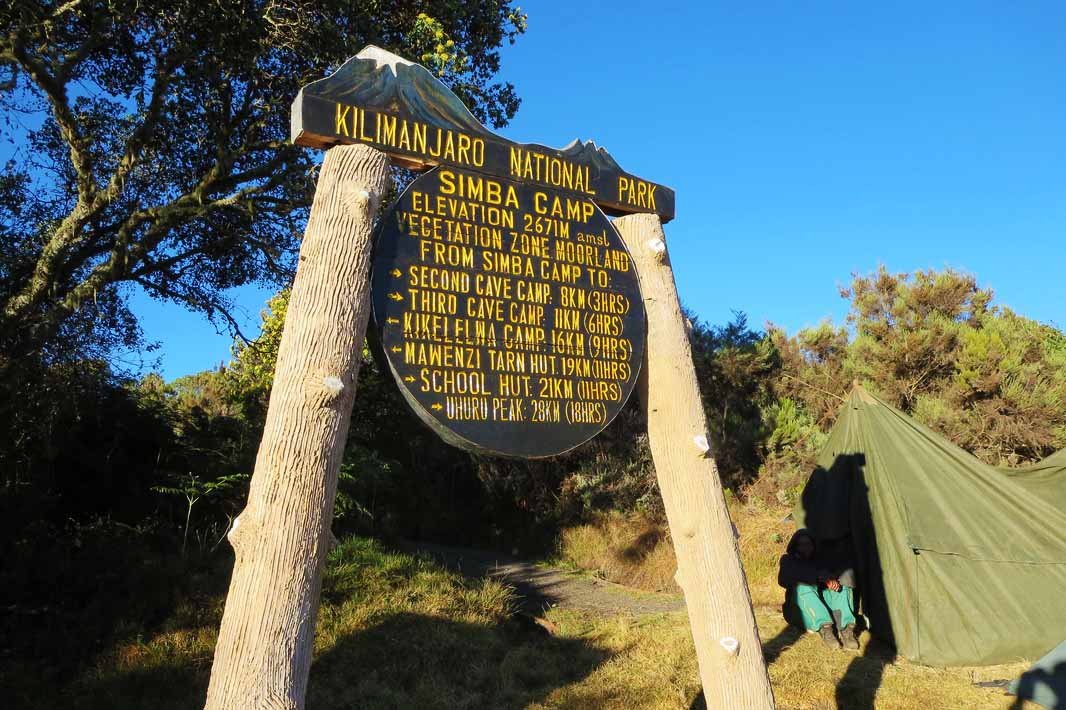
      Rongai, being the only way to approach Kilimanjaro from the north, goes through the picturesque views of the rainforest and the second highest point of Tanzania – the Mawenzi volcano. Thanks to gradual elevation increase, you will be able to get a good altitude acclimatization and reach safely the highest point of Africa – Uhuru Peak, 5895 meters.

      Rongai Route has excellent success rates of 85%, 90% for 6 and 7 days climb. Rongai is great for those travelers who have already got high altitude experience and are willing to escape the crowds of other climbers since this route is quite far from the town. The Rongai Route is a perfect way to test your strength and get unforgettable impressions on the distance of 65 kilometers (40 miles).

      [vc_row][vc_column][mpc_connected_icons preset=”mpc_preset_9″ content_preset=”_mpc_preset_1″ layout=”vertical” gap=”25″ lines_number=”2″ lines_style=”dotted” lines_color=”#365347″ lines_gap=”2″ lines_weight=”3″][mpc_icon_column layout=”style_3″ alignment=”left” background_color=”#ffffff” padding_css=”padding:0px;” margin_divider=”true” title_font_preset=”mpc_preset_20″ title_font_color=”#365347″ title_font_size=”17″ title_font_line_height=”1.4″ title_font_transform=”uppercase” title_font_align=”left” title=”DAY 1: TREKKING FROM NALEMURU GATE TO SIMBA CAMP” title_margin_divider=”true” title_margin_css=”margin-bottom:5px;” content_font_preset=”mpc_preset_1″ content_font_color=”#0a0a0a” content_font_size=”16″ content_font_line_height=”1.5″ content_font_align=”left” mpc_icon__icon_type=”image” mpc_icon__icon_image_size=”full” mpc_icon__icon_image=”3688″ mpc_icon__border_css=”border-radius:0px;” mpc_icon__padding_divider=”true” mpc_icon__margin_divider=”true” mpc_icon__margin_css=”margin-right:15px;” mpc_icon__mpc_tooltip__border_divider=”true” mpc_icon__mpc_tooltip__padding_divider=”true” mpc_divider__disable=”false” mpc_divider__width=”10″ mpc_divider__align=”left” mpc_divider__content_padding_divider=”true” mpc_divider__content_padding_css=”padding-top:0px;padding-right:0px;padding-bottom:0px;padding-left:0px;” mpc_divider__lines_color=”#dddddd” mpc_divider__padding_divider=”true” mpc_divider__padding_css=”padding-top:3px;padding-bottom:3px;” hover_padding_css=”padding:0px;”]

      Change in Elevation:

      • Nalemuru Gate (2,020 m)
      • Simba Camp (2,625 m)

      • Hiking distance: 8 km
      • Hiking time: 3 to 4 hours

      A guide and a mountain support crew will arrive at the hotel in the morning in order to meet you and hold a quick briefing, after which you will travel by vehicle to Kilimanjaro National Park’s northern entrance: Nalemuru Gate (2,020 m). After the quick formality of acquiring climbing permits and registering with the search and rescue service, the group will start trekking up to Simba Camp (2,625 m). Your trek this day will be moderate and take you through coniferous forest up Kilimanjaro’s northern slope. Remember not to hurry and always keep a comfortable pace. By the time you reach the camp, our professional mountain crew will prepare everything necessary, put tents and cook dinner for you.

      This will be your first day at this altitude, so it is strongly recommended you heed the following instructions from this point on:

      • Abstain from consuming alcohol and caffeine
      • Drink over 4 liters of bottled water daily (little by little, frequently)
      • Take a Diamox pill to help alleviate symptoms of altitude sickness. Most mountain climbers take Diamox in the morning, before they start their ascent, in order to reduce discomfort associated with altitude sickness. We recommend you consult your doctor prior to the trip in case of potential allergies.

      At night you may experience discomfort associated with acclimatization to the high altitude: because of a reduction in your waking breathing pattern, your body gets less oxygen than during the day. Taking altitude into account, you may therefore start feeling sick and have a headache. Pay attention to your own body and tell your guide if you start feeling any symptoms of altitude sickness.[/mpc_icon_column][mpc_icon_column layout=”style_3″ alignment=”left” background_color=”#ffffff” padding_css=”padding:0px;” margin_divider=”true” title_font_preset=”mpc_preset_20″ title_font_color=”#365347″ title_font_size=”17″ title_font_line_height=”1.4″ title_font_transform=”uppercase” title_font_align=”left” title=”DAY 2: TREKKING FROM SIMBA CAMP TO KIKILEWA CAMP” title_margin_divider=”true” title_margin_css=”margin-bottom:5px;” content_font_preset=”mpc_preset_1″ content_font_color=”#0a0a0a” content_font_size=”16″ content_font_line_height=”1.5″ content_font_align=”left” mpc_icon__icon_type=”image” mpc_icon__icon_image_size=”full” mpc_icon__icon_image=”3688″ mpc_icon__border_css=”border-radius:0px;” mpc_icon__padding_divider=”true” mpc_icon__margin_divider=”true” mpc_icon__margin_css=”margin-right:15px;” mpc_icon__mpc_tooltip__border_divider=”true” mpc_icon__mpc_tooltip__padding_divider=”true” mpc_divider__disable=”false” mpc_divider__width=”10″ mpc_divider__align=”left” mpc_divider__content_padding_divider=”true” mpc_divider__content_padding_css=”padding-top:0px;padding-right:0px;padding-bottom:0px;padding-left:0px;” mpc_divider__lines_color=”#dddddd” mpc_divider__padding_divider=”true” mpc_divider__padding_css=”padding-top:3px;padding-bottom:3px;” hover_padding_css=”padding:0px;”]

      Change in Elevation:

      • Simba Camp (2,625 m)
      • Kikilewa Camp (3,630 m)

      • Hiking distance: 10 km
      • Hiking time: 5 to 6 hours

      Early in the morning after breakfast, the group will depart from Simba Camp to start trekking towards your second high altitude camp: Kikilewa Camp (3,630 m) where you can see Kibo Volcano at its finest (barring cloudy weather). This trekking is more physically demanding than the previous one, so once you are in the camp, full rest is recommended.

      [/mpc_icon_column][mpc_icon_column layout=”style_3″ alignment=”left” background_color=”#ffffff” padding_css=”padding:0px;” margin_divider=”true” title_font_preset=”mpc_preset_20″ title_font_color=”#365347″ title_font_size=”17″ title_font_line_height=”1.4″ title_font_transform=”uppercase” title_font_align=”left” title=”DAY 3: TREKKING FROM KIKILEWA CAMP TO MAWENZI TARN CAMP” title_margin_divider=”true” title_margin_css=”margin-bottom:5px;” content_font_preset=”mpc_preset_1″ content_font_color=”#0a0a0a” content_font_size=”16″ content_font_line_height=”1.5″ content_font_align=”left” mpc_icon__icon_type=”image” mpc_icon__icon_image_size=”full” mpc_icon__icon_image=”3688″ mpc_icon__border_css=”border-radius:0px;” mpc_icon__padding_divider=”true” mpc_icon__margin_divider=”true” mpc_icon__margin_css=”margin-right:15px;” mpc_icon__mpc_tooltip__border_divider=”true” mpc_icon__mpc_tooltip__padding_divider=”true” mpc_divider__disable=”false” mpc_divider__width=”10″ mpc_divider__align=”left” mpc_divider__content_padding_divider=”true” mpc_divider__content_padding_css=”padding-top:0px;padding-right:0px;padding-bottom:0px;padding-left:0px;” mpc_divider__lines_color=”#dddddd” mpc_divider__padding_divider=”true” mpc_divider__padding_css=”padding-top:3px;padding-bottom:3px;” hover_padding_css=”padding:0px;”]

      Change in Elevation:

      • Kikilewa Camp (3,630 m)
      • Mawenzi Tarn Camp (4,310 m)

      • Hiking distance: 6 km
      • Hiking time: 4 to 5 hours

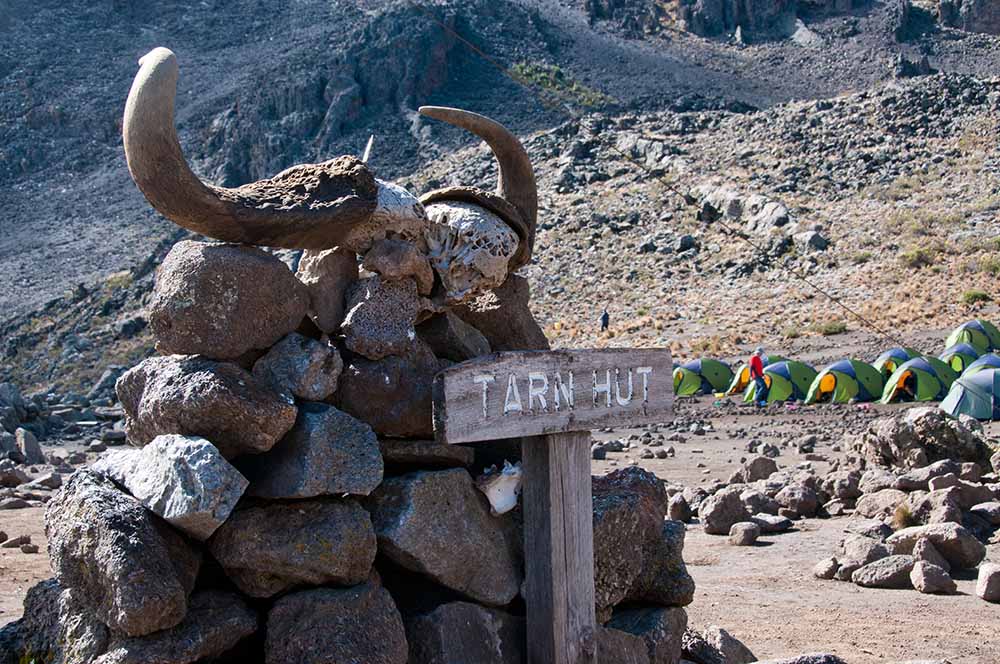
      Early wakeup, breakfast and the start of trekking to Mawenzi Tarn Camp, which is situated at the foot of Mawenzi Volcano, Kilimanjaro’s second summit. When you reach the camp, you will have lunch and a two-hour rest, after which there will be an acclimatization hike towards Mawenzi Volcano with a 200-meter gain in altitude, followed by a hike back down to Mawenzi Tarn Camp, where you will have dinner in the evening. Note: he acclimatization hike is an easy trek with a slight gain in altitude done in order to speed up the acclimatization process. You should take the acclimatization hikes very seriously. They help increase your chances of successfully summiting Kilimanjaro and save you from the consequences of altitude sickness.

      Acclimatization hike:

      Change in Elevation:

      • Mawenzi Tarn Camp (4,310 m)
      • Destination point en route to Mawenzi Volcano (4,510 m)

      • Hiking distance: 2 km
      • Hiking time: 1 to 2 hours

      [/mpc_icon_column][mpc_icon_column layout=”style_3″ alignment=”left” background_color=”#ffffff” padding_css=”padding:0px;” margin_divider=”true” title_font_preset=”mpc_preset_20″ title_font_color=”#365347″ title_font_size=”17″ title_font_line_height=”1.4″ title_font_transform=”uppercase” title_font_align=”left” title=”DAY 4: TREKKING FROM MAWENZI TARN CAMP TO SCHOOL HUT CAMP” title_margin_divider=”true” title_margin_css=”margin-bottom:5px;” content_font_preset=”mpc_preset_1″ content_font_color=”#0a0a0a” content_font_size=”16″ content_font_line_height=”1.5″ content_font_align=”left” mpc_icon__icon_type=”image” mpc_icon__icon_image_size=”full” mpc_icon__icon_image=”3688″ mpc_icon__border_css=”border-radius:0px;” mpc_icon__padding_divider=”true” mpc_icon__margin_divider=”true” mpc_icon__margin_css=”margin-right:15px;” mpc_icon__mpc_tooltip__border_divider=”true” mpc_icon__mpc_tooltip__padding_divider=”true” mpc_divider__disable=”false” mpc_divider__width=”10″ mpc_divider__align=”left” mpc_divider__content_padding_divider=”true” mpc_divider__content_padding_css=”padding-top:0px;padding-right:0px;padding-bottom:0px;padding-left:0px;” mpc_divider__lines_color=”#dddddd” mpc_divider__padding_divider=”true” mpc_divider__padding_css=”padding-top:3px;padding-bottom:3px;” hover_padding_css=”padding:0px;”]

      Change in Elevation:

      • Mawenzi Tarn Camp (4,310 m)
      • School Hut Camp (4,715 m)

      • Hiking distance: 9 km
      • Hiking time: 5 to 6 hours

      This day will be spent trekking towards School Hut Camp (4,715 m). The landscape will change significantly to give way to a rocky semidesert. The actual trekking is not very difficult; just remember to stick with an appropriate pace to keep up your strength for the trekking to Kilimanjaro’s summit. When you reach the camp, we recommend you sleep well, avoid strenuous activity, and drink as much as you can, because that very night you will be ascending Uhuru Peak (5,895 m).[/mpc_icon_column][mpc_icon_column layout=”style_3″ alignment=”left” background_color=”#ffffff” padding_css=”padding:0px;” margin_divider=”true” title_font_preset=”mpc_preset_20″ title_font_color=”#365347″ title_font_size=”17″ title_font_line_height=”1.4″ title_font_transform=”uppercase” title_font_align=”left” title=”DAY 5: TREKKING TO UHURU PEAK AND DESCENT TO HOROMBO CAMP” title_margin_divider=”true” title_margin_css=”margin-bottom:5px;” content_font_preset=”mpc_preset_1″ content_font_color=”#0a0a0a” content_font_size=”16″ content_font_line_height=”1.5″ content_font_align=”left” mpc_icon__icon_type=”image” mpc_icon__icon_image_size=”full” mpc_icon__icon_image=”3688″ mpc_icon__border_css=”border-radius:0px;” mpc_icon__padding_divider=”true” mpc_icon__margin_divider=”true” mpc_icon__margin_css=”margin-right:15px;” mpc_icon__mpc_tooltip__border_divider=”true” mpc_icon__mpc_tooltip__padding_divider=”true” mpc_divider__disable=”false” mpc_divider__width=”10″ mpc_divider__align=”left” mpc_divider__content_padding_divider=”true” mpc_divider__content_padding_css=”padding-top:0px;padding-right:0px;padding-bottom:0px;padding-left:0px;” mpc_divider__lines_color=”#dddddd” mpc_divider__padding_divider=”true” mpc_divider__padding_css=”padding-top:3px;padding-bottom:3px;” hover_padding_css=”padding:0px;”]

      Change in Elevation:

      • School Hut Camp (4,715 m)
      • Uhuru Peak (5,895 m)
      • Horombo Camp (3,720 m)

      • Hiking distance: 21 km
      • Hiking time: 12 to 14 hours

      Night departure from School Hut Camp (4,715 m) and the start of your trekking to Kilimanjaro’s summit: Uhuru peak (5,895 m). The trekking will be moderate from a physical standpoint, but the altitude presents a much more serious problem. For the entire length of the trekking each pair of climbers will be accompanied by their own guide, who will be monitoring your stamina and mental resolve. After your successful ascent to Uhuru Peak, you can descend to the nearest glacier if desired. Then you will return to Kibo Camp and after a two-hour rest continue your descent to Horombo Camp (3,720 m).

      Note: Don’t forget that 90% of all accidents occur during the descent, including all broken arms and legs. Please pay attention to your feet, as there is a high risk of damaging your toenails.[/mpc_icon_column][mpc_icon_column layout=”style_3″ alignment=”left” background_color=”#ffffff” padding_css=”padding:0px;” margin_divider=”true” title_font_preset=”mpc_preset_20″ title_font_color=”#365347″ title_font_size=”17″ title_font_line_height=”1.4″ title_font_transform=”uppercase” title_font_align=”left” title=”DAY 6: DESCENT FROM HOROMBO CAMP TO MARANGU GATE” title_margin_divider=”true” title_margin_css=”margin-bottom:5px;” content_font_preset=”mpc_preset_1″ content_font_color=”#0a0a0a” content_font_size=”16″ content_font_line_height=”1.5″ content_font_align=”left” mpc_icon__icon_type=”image” mpc_icon__icon_image_size=”full” mpc_icon__icon_image=”3688″ mpc_icon__border_css=”border-radius:0px;” mpc_icon__padding_divider=”true” mpc_icon__margin_divider=”true” mpc_icon__margin_css=”margin-right:15px;” mpc_icon__mpc_tooltip__border_divider=”true” mpc_icon__mpc_tooltip__padding_divider=”true” mpc_divider__disable=”false” mpc_divider__width=”10″ mpc_divider__align=”left” mpc_divider__content_padding_divider=”true” mpc_divider__content_padding_css=”padding-top:0px;padding-right:0px;padding-bottom:0px;padding-left:0px;” mpc_divider__lines_color=”#dddddd” mpc_divider__padding_divider=”true” mpc_divider__padding_css=”padding-top:3px;padding-bottom:3px;” hover_padding_css=”padding:0px;”]

      Change in Elevation:

      • Horombo Camp (3,720 m)
      • Marangu Gate (1,860 m)

      • Hiking distance: 18 km
      • Hiking time: 5 to 6 hours

      You will be offered a warm breakfast in the morning, after which we will head for the Kilimanjaro National Park’s exit: Marangu Gate (1,860 m). After your descent the whole group will gather to congratulate you, and then you will have the chance to share your opinions on the trip in the guestbook. Lastly, we will present you with your commemorative certificates (in our office) and provide you a transfer back to the hotel.[/mpc_icon_column][mpc_icon_column layout=”style_3″ alignment=”left” background_color=”#ffffff” padding_css=”padding:0px;” margin_divider=”true” title_font_preset=”mpc_preset_20″ title_font_color=”#365347″ title_font_size=”17″ title_font_line_height=”1.4″ title_font_transform=”uppercase” title_font_align=”left” title=”OPTIONAL DAY” title_margin_divider=”true” title_margin_css=”margin-bottom:5px;” content_font_preset=”mpc_preset_1″ content_font_color=”#0a0a0a” content_font_size=”16″ content_font_line_height=”1.5″ content_font_align=”left” mpc_icon__icon_type=”image” mpc_icon__icon_image_size=”full” mpc_icon__icon_image=”3688″ mpc_icon__border_css=”border-radius:0px;” mpc_icon__padding_divider=”true” mpc_icon__margin_divider=”true” mpc_icon__margin_css=”margin-right:15px;” mpc_icon__mpc_tooltip__border_divider=”true” mpc_icon__mpc_tooltip__padding_divider=”true” mpc_divider__disable=”false” mpc_divider__width=”10″ mpc_divider__align=”left” mpc_divider__content_padding_divider=”true” mpc_divider__content_padding_css=”padding-top:0px;padding-right:0px;padding-bottom:0px;padding-left:0px;” mpc_divider__lines_color=”#dddddd” mpc_divider__padding_divider=”true” mpc_divider__padding_css=”padding-top:3px;padding-bottom:3px;” hover_padding_css=”padding:0px;”]

      Spend an Extra day at Second Cave Camp (3480m) for better acclimatization.

      [/mpc_icon_column][/mpc_connected_icons][vc_column_text]

      SEE PRICES

      [/vc_column_text][/vc_column][/vc_row]

      The package includes:

      • Professional, experienced, mountain guides
      • All Park fees
      • Rescue fees
      • All meals while on the Mountain
      • Arrival and Departure transfers
      • Guides, Porters, cook salaries and park fees
      • Quality Mess tents with table and chairs
      • Large portions of fresh, healthy, nutritious food
      • Clean, purified drinking water
      • Crisis management and safety procedures
      • Fair and ethical treatment of porters
      • Flying Doctors insurance (AMREF) during the safari

      The package excludes:

      • International Flights
      • Optional activities
      • Alcoholic and soft drinks
      • Visa fees
      • Tips
      • Personal spending money for souvenirs etc.
      • Travel insurance

        Machame Route 6 or 7 Days

        Machame Route 6 or 7 Days

        About the route

        Machame also named as Whiskey route is one of the most popular ones on Kilimanjaro, but in the same time considered a difficult route. We would recommend it to experienced climbers that have already been acclimatized before and physically fit.

        Starting in the rainforest at 1850 meters point, the trail goes through all the climate zones of Kilimanjaro, providing you a good acclimatization due to smooth elevation gain combined with the daily changing equatorial wonderful landscapes. Although it is important to note that some parts of this route can be quite steep.

        In case you are planning to climb in rainy season (November, April and May), the path can be eroded on Machame, which will make your hike even more difficult.

        [vc_row][vc_column][mpc_connected_icons preset=”mpc_preset_9″ content_preset=”_mpc_preset_1″ layout=”vertical” gap=”25″ lines_number=”2″ lines_style=”dotted” lines_color=”#365347″ lines_gap=”2″ lines_weight=”3″][mpc_icon_column layout=”style_3″ alignment=”left” background_color=”#ffffff” padding_css=”padding:0px;” margin_divider=”true” title_font_preset=”mpc_preset_20″ title_font_color=”#365347″ title_font_size=”17″ title_font_line_height=”1.4″ title_font_transform=”uppercase” title_font_align=”left” title=”DAY 1: TREKKING FROM MACHAME GATES TO MACHAME CAMP” title_margin_divider=”true” title_margin_css=”margin-bottom:5px;” content_font_preset=”mpc_preset_1″ content_font_color=”#0a0a0a” content_font_size=”16″ content_font_line_height=”1.5″ content_font_align=”left” mpc_icon__icon_type=”image” mpc_icon__icon_image_size=”full” mpc_icon__icon_image=”3688″ mpc_icon__border_css=”border-radius:0px;” mpc_icon__padding_divider=”true” mpc_icon__margin_divider=”true” mpc_icon__margin_css=”margin-right:15px;” mpc_icon__mpc_tooltip__border_divider=”true” mpc_icon__mpc_tooltip__padding_divider=”true” mpc_divider__disable=”false” mpc_divider__width=”10″ mpc_divider__align=”left” mpc_divider__content_padding_divider=”true” mpc_divider__content_padding_css=”padding-top:0px;padding-right:0px;padding-bottom:0px;padding-left:0px;” mpc_divider__lines_color=”#dddddd” mpc_divider__padding_divider=”true” mpc_divider__padding_css=”padding-top:3px;padding-bottom:3px;” hover_padding_css=”padding:0px;”]

        Change in Elevation:

        • Machame Gate (1,800 m)
        • Machame Camp (3,010 m)

        • Hiking distance: 5 km
        • Hiking time: 5 to 6 hours

        A guide and a mountain support crew will arrive at the hotel in the morning in order to meet you and hold a quick briefing, after which you will travel by vehicle to Kilimanjaro National Park’s entrance: Machame Gate (1,800 m). After the quick formality of acquiring climbing permits and registering with the search and rescue service, the group will start trekking up to Machame Camp (3,010 m). The trekking route includes passage through the rainforest (where tropical showers are highly probable), so we recommend you take not only spare clothes, but also your raincoats.

        This will be your first day at this altitude, so it is strongly recommended you heed the following instructions from this point on:

        • Abstain from consuming alcohol and caffeine
        • Drink over 4 liters of bottled water daily (little by little, frequently)
        • Take a Diamox pill to help alleviate symptoms of altitude sickness. Most mountain climbers take Diamox in the morning, before they start their ascent, in order to reduce discomfort associated with altitude sickness. We recommend you consult your doctor prior to the trip in case of potential allergies.

        At night you may experience discomfort associated with acclimatization to the high altitude: because of a reduction in your waking breathing pattern, your body gets less oxygen than during the day. Taking altitude into account, you may therefore start feeling sick and have a headache. Pay attention to your own body and tell your guide if you start feeling any symptoms of altitude sickness.[/mpc_icon_column][mpc_icon_column layout=”style_3″ alignment=”left” background_color=”#ffffff” padding_css=”padding:0px;” margin_divider=”true” title_font_preset=”mpc_preset_20″ title_font_color=”#365347″ title_font_size=”17″ title_font_line_height=”1.4″ title_font_transform=”uppercase” title_font_align=”left” title=”DAY 2: TREKKING FROM MACHAME CAMP TO SHIRA CAMP” title_margin_divider=”true” title_margin_css=”margin-bottom:5px;” content_font_preset=”mpc_preset_1″ content_font_color=”#0a0a0a” content_font_size=”16″ content_font_line_height=”1.5″ content_font_align=”left” mpc_icon__icon_type=”image” mpc_icon__icon_image_size=”full” mpc_icon__icon_image=”3688″ mpc_icon__border_css=”border-radius:0px;” mpc_icon__padding_divider=”true” mpc_icon__margin_divider=”true” mpc_icon__margin_css=”margin-right:15px;” mpc_icon__mpc_tooltip__border_divider=”true” mpc_icon__mpc_tooltip__padding_divider=”true” mpc_divider__disable=”false” mpc_divider__width=”10″ mpc_divider__align=”left” mpc_divider__content_padding_divider=”true” mpc_divider__content_padding_css=”padding-top:0px;padding-right:0px;padding-bottom:0px;padding-left:0px;” mpc_divider__lines_color=”#dddddd” mpc_divider__padding_divider=”true” mpc_divider__padding_css=”padding-top:3px;padding-bottom:3px;” hover_padding_css=”padding:0px;”]

        Change in Elevation:

        • Machame Camp (3,010 m)
        • Shira Camp (3,845 m)

        • Hiking distance: 5 km
        • Hiking time: 4 to 5 hours

        After breakfast you will start trekking up to the second high-altitude camp, Shira Camp (3,845 m). On this day you will emerge from the rainforest and for the first time be able to see stunning views of the Shira Plateau laid out in front of you. Physically speaking, the trekking is not very difficult, but you may feel the changes in altitude, so pay attention to your body and remember that choosing the proper pace is extremely important for good trekking. When you reach the camp, you will have lunch and some rest, after which the group will go on an acclimatization hike towards Lava Tower Camp with a 300-meter gain in altitude. Back down at Shira Camp you will be served a hot dinner.

        Acclimatization hike:

        Change in Elevation:

        • Shira Camp (3,845 m)
        • Destination point en route to Lava Tower (4,120 m)

        • Hiking distance: 2 km
        • Hiking time: 1 to 2 hours

        Note: The acclimatization hike is an easy trek with a slight gain in altitude done in order to speed up the acclimatization process. You should take the acclimatization hikes very seriously. They help increase your chances of successfully summiting Kilimanjaro and save you from the consequences of altitude sickness.

        [/mpc_icon_column][mpc_icon_column layout=”style_3″ alignment=”left” background_color=”#ffffff” padding_css=”padding:0px;” margin_divider=”true” title_font_preset=”mpc_preset_20″ title_font_color=”#365347″ title_font_size=”17″ title_font_line_height=”1.4″ title_font_transform=”uppercase” title_font_align=”left” title=”DAY 3: TREKKING FROM SHIRA CAMP TO THE LAVA TOWER AND DESCENT TO BARRANCO CAMP” title_margin_divider=”true” title_margin_css=”margin-bottom:5px;” content_font_preset=”mpc_preset_1″ content_font_color=”#0a0a0a” content_font_size=”16″ content_font_line_height=”1.5″ content_font_align=”left” mpc_icon__icon_type=”image” mpc_icon__icon_image_size=”full” mpc_icon__icon_image=”3688″ mpc_icon__border_css=”border-radius:0px;” mpc_icon__padding_divider=”true” mpc_icon__margin_divider=”true” mpc_icon__margin_css=”margin-right:15px;” mpc_icon__mpc_tooltip__border_divider=”true” mpc_icon__mpc_tooltip__padding_divider=”true” mpc_divider__disable=”false” mpc_divider__width=”10″ mpc_divider__align=”left” mpc_divider__content_padding_divider=”true” mpc_divider__content_padding_css=”padding-top:0px;padding-right:0px;padding-bottom:0px;padding-left:0px;” mpc_divider__lines_color=”#dddddd” mpc_divider__padding_divider=”true” mpc_divider__padding_css=”padding-top:3px;padding-bottom:3px;” hover_padding_css=”padding:0px;”]

        Change in Elevation:

        • Shira Camp (3,845 m)
        • Lava Tower (4,630 m)
        • Barranco Camp (3,960 m)

        • Hiking distance: 11 km
        • Hiking time: 6 to 8 hours

        After breakfast you will leave Shira Camp (3,845 m) and start your way to the key point of the route: Lava Tower (4,630 m). This section of the route has a lot of ascents and descents that end in a camp at over 4,600 meters. It might be difficult, and you may feel some discomfort, but in order to successfully acclimate to the altitude you have to spend at least 1-2 hours here, so this is where lunch will be.

        Then you will descend to Barranco Camp (3,960 m). Here you can see the famous Barranco Wall, impressive in both its massive size and steepness! Next day you will be climbing it, but don’t worry: it features a very simple hiking trail.

        Note: If one or more participants feel sick, the group may refrain from passing the Lava Tower and adjust the route, following instead the road for porters. In this case you will not reach an altitude of 4,630 meters, getting up only to a maximum of 4,400 meters.[/mpc_icon_column][mpc_icon_column layout=”style_3″ alignment=”left” background_color=”#ffffff” padding_css=”padding:0px;” margin_divider=”true” title_font_preset=”mpc_preset_20″ title_font_color=”#365347″ title_font_size=”17″ title_font_line_height=”1.4″ title_font_transform=”uppercase” title_font_align=”left” title=”DAY 4: TREKKING FROM BARRANCO CAMP TO BARAFU CAMP” title_margin_divider=”true” title_margin_css=”margin-bottom:5px;” content_font_preset=”mpc_preset_1″ content_font_color=”#0a0a0a” content_font_size=”16″ content_font_line_height=”1.5″ content_font_align=”left” mpc_icon__icon_type=”image” mpc_icon__icon_image_size=”full” mpc_icon__icon_image=”3688″ mpc_icon__border_css=”border-radius:0px;” mpc_icon__padding_divider=”true” mpc_icon__margin_divider=”true” mpc_icon__margin_css=”margin-right:15px;” mpc_icon__mpc_tooltip__border_divider=”true” mpc_icon__mpc_tooltip__padding_divider=”true” mpc_divider__disable=”false” mpc_divider__width=”10″ mpc_divider__align=”left” mpc_divider__content_padding_divider=”true” mpc_divider__content_padding_css=”padding-top:0px;padding-right:0px;padding-bottom:0px;padding-left:0px;” mpc_divider__lines_color=”#dddddd” mpc_divider__padding_divider=”true” mpc_divider__padding_css=”padding-top:3px;padding-bottom:3px;” hover_padding_css=”padding:0px;”]

        Change in Elevation:

        • Barranco Camp (3,960 m)
        • Barafu Camp (4,640 m)

        • Hiking distance: 11 km
        • Hiking time: 8 to 10 hours

        Early wakeup, breakfast and the start of summiting Barranco Wall (we recommend you leave the camp as early as possible to avoid crowds of the other groups). Hiking up the gorge wall is not difficult and only takes around an hour. After the climb you can have a rest and take photos in front of the Kibo volcano.

        Then you start a more difficult hike to Karanga Camp, which features numerous ascents and descents during the route, but don’t worry: our guides are experts at choosing an optimal pace for the group. After reaching the camp you will be offered warm lunch. After a couple of hours you will have to complete ascend to Barafu Camp (4,640 m) where you will be served a hot dinner. It is better to spend the remainder of the day resting and sleeping before night summiting.[/mpc_icon_column][mpc_icon_column layout=”style_3″ alignment=”left” background_color=”#ffffff” padding_css=”padding:0px;” margin_divider=”true” title_font_preset=”mpc_preset_20″ title_font_color=”#365347″ title_font_size=”17″ title_font_line_height=”1.4″ title_font_transform=”uppercase” title_font_align=”left” title=”DAY 5: ASCENT TO UHURU PEAK AND DESCENT TO MILLENNIUM CAMP” title_margin_divider=”true” title_margin_css=”margin-bottom:5px;” content_font_preset=”mpc_preset_1″ content_font_color=”#0a0a0a” content_font_size=”16″ content_font_line_height=”1.5″ content_font_align=”left” mpc_icon__icon_type=”image” mpc_icon__icon_image_size=”full” mpc_icon__icon_image=”3688″ mpc_icon__border_css=”border-radius:0px;” mpc_icon__padding_divider=”true” mpc_icon__margin_divider=”true” mpc_icon__margin_css=”margin-right:15px;” mpc_icon__mpc_tooltip__border_divider=”true” mpc_icon__mpc_tooltip__padding_divider=”true” mpc_divider__disable=”false” mpc_divider__width=”10″ mpc_divider__align=”left” mpc_divider__content_padding_divider=”true” mpc_divider__content_padding_css=”padding-top:0px;padding-right:0px;padding-bottom:0px;padding-left:0px;” mpc_divider__lines_color=”#dddddd” mpc_divider__padding_divider=”true” mpc_divider__padding_css=”padding-top:3px;padding-bottom:3px;” hover_padding_css=”padding:0px;”]

        Change in Elevation:

        • Barafu Camp (4,640 m)
        • Uhuru Peak (5,895 m)
        • Millennium Camp (3,820 m)

        • Hiking distance: 15 km
        • Hiking time: 8 to 12 hours

        Departure from Barafu Camp (4,640 m) at night and the start of summiting Kilimanjaro: Uhuru Peak (5,895 m). Technically the climb is relatively simple; however, the most challenging part is the high altitude. Each pair of climbers will get a personal guide for the entire ascent to monitor your physical and mental conditions. After your successful ascent to Uhuru Peak, you can descend to the nearest glacier if desired. Then you will return to Barafu Camp and after a 2-hour rest continue your descent to Millennium Camp (3,820 m).

        Note: Don’t forget that 90% of all accidents occur during the descent, including all broken arms and legs. Please pay attention to your feet, as there is a high risk of damaging your toenails.[/mpc_icon_column][mpc_icon_column layout=”style_3″ alignment=”left” background_color=”#ffffff” padding_css=”padding:0px;” margin_divider=”true” title_font_preset=”mpc_preset_20″ title_font_color=”#365347″ title_font_size=”17″ title_font_line_height=”1.4″ title_font_transform=”uppercase” title_font_align=”left” title=”DAY 6: DESCENT FROM MILLENNIUM CAMP TO MWEKA GATE” title_margin_divider=”true” title_margin_css=”margin-bottom:5px;” content_font_preset=”mpc_preset_1″ content_font_color=”#0a0a0a” content_font_size=”16″ content_font_line_height=”1.5″ content_font_align=”left” mpc_icon__icon_type=”image” mpc_icon__icon_image_size=”full” mpc_icon__icon_image=”3688″ mpc_icon__border_css=”border-radius:0px;” mpc_icon__padding_divider=”true” mpc_icon__margin_divider=”true” mpc_icon__margin_css=”margin-right:15px;” mpc_icon__mpc_tooltip__border_divider=”true” mpc_icon__mpc_tooltip__padding_divider=”true” mpc_divider__disable=”false” mpc_divider__width=”10″ mpc_divider__align=”left” mpc_divider__content_padding_divider=”true” mpc_divider__content_padding_css=”padding-top:0px;padding-right:0px;padding-bottom:0px;padding-left:0px;” mpc_divider__lines_color=”#dddddd” mpc_divider__padding_divider=”true” mpc_divider__padding_css=”padding-top:3px;padding-bottom:3px;” hover_padding_css=”padding:0px;”]

        Change in Elevation:

        • Millennium Camp (3,820 m)
        • Mweka Gate (1,650 m)

        • Hiking distance: 12 km
        • Hiking time: 4 to 5 hours

        The camp is situated in a tropical rainforest. When you wake up, you will feel relief from the reduction of the height and the satisfaction of reaching the summit. After a warm breakfast, you will head for the park’s exit: Mweka Gate (1,650 m). After your descent the whole group will gather to congratulate you, followed by offering you a chance to share your opinions on the climb in the guestbook. Lastly, we will present you with your commemorative certificates in our office and provide you a transfer back to the hotel.

        Note: Don’t forget that 90% of all accidents occur during the descent, including all broken arms and legs. Please pay attention to your feet, as there is a high risk of damaging your toenails.[/mpc_icon_column][mpc_icon_column layout=”style_3″ alignment=”left” background_color=”#ffffff” padding_css=”padding:0px;” margin_divider=”true” title_font_preset=”mpc_preset_20″ title_font_color=”#365347″ title_font_size=”17″ title_font_line_height=”1.4″ title_font_transform=”uppercase” title_font_align=”left” title=”OPTIONAL DAY” title_margin_divider=”true” title_margin_css=”margin-bottom:5px;” content_font_preset=”mpc_preset_1″ content_font_color=”#0a0a0a” content_font_size=”16″ content_font_line_height=”1.5″ content_font_align=”left” mpc_icon__icon_type=”image” mpc_icon__icon_image_size=”full” mpc_icon__icon_image=”3688″ mpc_icon__border_css=”border-radius:0px;” mpc_icon__padding_divider=”true” mpc_icon__margin_divider=”true” mpc_icon__margin_css=”margin-right:15px;” mpc_icon__mpc_tooltip__border_divider=”true” mpc_icon__mpc_tooltip__padding_divider=”true” mpc_divider__disable=”false” mpc_divider__width=”10″ mpc_divider__align=”left” mpc_divider__content_padding_divider=”true” mpc_divider__content_padding_css=”padding-top:0px;padding-right:0px;padding-bottom:0px;padding-left:0px;” mpc_divider__lines_color=”#dddddd” mpc_divider__padding_divider=”true” mpc_divider__padding_css=”padding-top:3px;padding-bottom:3px;” hover_padding_css=”padding:0px;”]

        Spend an Extra day at Karanga Camp (4035m) for better acclimatization.

        [/mpc_icon_column][/mpc_connected_icons][/vc_column][/vc_row]

        The package includes:

        • Professional, experienced, mountain guides
        • All Park fees
        • Rescue fees
        • All meals while on the Mountain
        • Arrival and Departure transfers
        • Guides, Porters, cook salaries and park fees
        • Quality Mess tents with table and chairs
        • Large portions of fresh, healthy, nutritious food
        • Clean, purified drinking water
        • Crisis management and safety procedures
        • Fair and ethical treatment of porters
        • Flying Doctors insurance (AMREF) during the safari

        The package excludes:

        • International Flights
        • Optional activities
        • Alcoholic and soft drinks
        • Visa fees
        • Tips
        • Personal spending money for souvenirs etc.
        • Travel insurance

          Lemosho Route 7 or 8 Days

          Lemosho Route 7 or 8 Days

          About the route

          Kilimanjaro climb on Lemosho Route is a premium trek designed for 6, 7 or 8 days.

          Climbing through different climate zones it starts on heaths and winds further across alpine meadows to ascend to the arctic zone near Uhuru Peak.

          The descent, in turn, passes through rainforest. All this makes this route the most scenic on Kilimanjaro. Lemosho Route offers the smoothest acclimatization and the highest success rates of 85%, 90% and 95% for 6, 7 and 8-day programs, respectively.

          The total distance covered on Lemosho Route is 46 kilometers (28.5 miles). We recommend this trail for those ready to pay a bit extra for high-altitude drop off by a vehicle. The best views on the mountain and increased chances of successful summiting come free of charge.

          [vc_row][vc_column][mpc_connected_icons preset=”mpc_preset_9″ content_preset=”_mpc_preset_1″ layout=”vertical” gap=”25″ lines_number=”2″ lines_style=”dotted” lines_color=”#365347″ lines_gap=”2″ lines_weight=”3″][mpc_icon_column layout=”style_3″ alignment=”left” background_color=”#ffffff” padding_css=”padding:0px;” margin_divider=”true” title_font_preset=”mpc_preset_20″ title_font_color=”#365347″ title_font_size=”17″ title_font_line_height=”1.4″ title_font_transform=”uppercase” title_font_align=”left” title=”DAY 1: TREKKING FROM LONDOROSSI GATE TO SHIRA 1 CAMP” title_margin_divider=”true” title_margin_css=”margin-bottom:5px;” content_font_preset=”mpc_preset_1″ content_font_color=”#0a0a0a” content_font_size=”16″ content_font_line_height=”1.5″ content_font_align=”left” mpc_icon__icon_type=”image” mpc_icon__icon_image_size=”full” mpc_icon__icon_image=”3688″ mpc_icon__border_css=”border-radius:0px;” mpc_icon__padding_divider=”true” mpc_icon__margin_divider=”true” mpc_icon__margin_css=”margin-right:15px;” mpc_icon__mpc_tooltip__border_divider=”true” mpc_icon__mpc_tooltip__padding_divider=”true” mpc_divider__disable=”false” mpc_divider__width=”10″ mpc_divider__align=”left” mpc_divider__content_padding_divider=”true” mpc_divider__content_padding_css=”padding-top:0px;padding-right:0px;padding-bottom:0px;padding-left:0px;” mpc_divider__lines_color=”#dddddd” mpc_divider__padding_divider=”true” mpc_divider__padding_css=”padding-top:3px;padding-bottom:3px;” hover_padding_css=”padding:0px;”]

          Change in Elevation:

          • Lemosho Glades (3,500 m)
          • Shira 1 Camp (3,505 m)

          • Hiking distance: 5 km
          • Hiking time: 1 to 2 hours

          A guide and a mountain support crew will arrive at the hotel in the morning in order to meet you and hold another briefing, after which you will travel by vehicle (roughly 3 to 4 hours) to Kilimanjaro National Park’s western entrance: Londorossi Gate (2,200 m). After the quick formality of acquiring climbing permits and registering with the search and rescue service, the group continues upwards towards their drop off point by off-road vehicles (reaching 3,500 meters). Here you can see stunning views of the Shira Plateau for the first time.

          The route from your drop off point to your first high-altitude camp Shira 1 features a small gain in altitude and is not too physically challenging. Due to this, you will be able to properly begin the process of acclimatization. By the time you reach the camp, our professional mountain crew will prepare everything necessary, put tents and cook dinner for you.

          This will be your first day at this altitude, so it is strongly recommended you heed the following instructions from this point on:

          • Abstain from consuming alcohol and caffeine
          • Drink over 4 liters of bottled water daily (little by little, frequently)
          • Take a Diamox pill to help alleviate symptoms of altitude sickness. Most mountain climbers take Diamox in the morning, before they start their ascent, in order to reduce discomfort associated with altitude sickness. We recommend you consult your doctor prior to the trip in case of potential allergies.

          At night you may experience discomfort associated with acclimatization to the high altitude: because of a reduction in your waking breathing pattern, your body gets less oxygen than during the day. Taking altitude into account, you may therefore start feeling sick and have a headache. Pay attention to your own body and tell your guide if you start feeling any symptoms of altitude sickness.[/mpc_icon_column][mpc_icon_column layout=”style_3″ alignment=”left” background_color=”#ffffff” padding_css=”padding:0px;” margin_divider=”true” title_font_preset=”mpc_preset_20″ title_font_color=”#365347″ title_font_size=”17″ title_font_line_height=”1.4″ title_font_transform=”uppercase” title_font_align=”left” title=”DAY 2: TREKKING FROM SHIRA 1 CAMP TO SHIRA 2 CAMP” title_margin_divider=”true” title_margin_css=”margin-bottom:5px;” content_font_preset=”mpc_preset_1″ content_font_color=”#0a0a0a” content_font_size=”16″ content_font_line_height=”1.5″ content_font_align=”left” mpc_icon__icon_type=”image” mpc_icon__icon_image_size=”full” mpc_icon__icon_image=”3688″ mpc_icon__border_css=”border-radius:0px;” mpc_icon__padding_divider=”true” mpc_icon__margin_divider=”true” mpc_icon__margin_css=”margin-right:15px;” mpc_icon__mpc_tooltip__border_divider=”true” mpc_icon__mpc_tooltip__padding_divider=”true” mpc_divider__disable=”false” mpc_divider__width=”10″ mpc_divider__align=”left” mpc_divider__content_padding_divider=”true” mpc_divider__content_padding_css=”padding-top:0px;padding-right:0px;padding-bottom:0px;padding-left:0px;” mpc_divider__lines_color=”#dddddd” mpc_divider__padding_divider=”true” mpc_divider__padding_css=”padding-top:3px;padding-bottom:3px;” hover_padding_css=”padding:0px;”]

          Change in Elevation:

          • Shira 1 Camp (3,505 m)
          • Shira 2 Camp (3,900 m)

          • Hiking distance: 7 km
          • Hiking time: 3 to 4 hours

          Departing from Shira 1 Camp (3,505 m) and a light trekking towards the second high altitude camp: Shira 2 Camp (3,900 m). This trek is not difficult and you will be able to enjoy spectacular views of Africa and the unique flora of Kilimanjaro and the surrounding area. Shira 2 Camp is the best place on the trip to see Mount Meru (the fifth summit of Africa), weather permitting.

          When you arrive to camp you will have lunch, and after a two-hour rest everyone will complete an acclimatization hike towards Lava Tower Camp that features a 200-meter gain in altitude.

          Acclimatization hike:

          Change in Elevation:

          • Shira 2 Camp (3,900 m)
          • Destination point en route to Lava Tower (4,110 m)

          • Hiking distance: 2 km
          • Hiking time: 1 to 2 hours

          Note: The acclimatization hike is an easy trek with a slight gain in altitude done in order to speed up the acclimatization process. You should take the acclimatization hikes very seriously. They help increase your chances of successfully summiting Kilimanjaro and save you from the consequences of altitude sickness.

          [/mpc_icon_column][mpc_icon_column layout=”style_3″ alignment=”left” background_color=”#ffffff” padding_css=”padding:0px;” margin_divider=”true” title_font_preset=”mpc_preset_20″ title_font_color=”#365347″ title_font_size=”17″ title_font_line_height=”1.4″ title_font_transform=”uppercase” title_font_align=”left” title=”DAY 3: TREKKING FROM SHIRA 2 CAMP TO THE LAVA TOWER AND DESCENT TO BARRANCO CAMP” title_margin_divider=”true” title_margin_css=”margin-bottom:5px;” content_font_preset=”mpc_preset_1″ content_font_color=”#0a0a0a” content_font_size=”16″ content_font_line_height=”1.5″ content_font_align=”left” mpc_icon__icon_type=”image” mpc_icon__icon_image_size=”full” mpc_icon__icon_image=”3688″ mpc_icon__border_css=”border-radius:0px;” mpc_icon__padding_divider=”true” mpc_icon__margin_divider=”true” mpc_icon__margin_css=”margin-right:15px;” mpc_icon__mpc_tooltip__border_divider=”true” mpc_icon__mpc_tooltip__padding_divider=”true” mpc_divider__disable=”false” mpc_divider__width=”10″ mpc_divider__align=”left” mpc_divider__content_padding_divider=”true” mpc_divider__content_padding_css=”padding-top:0px;padding-right:0px;padding-bottom:0px;padding-left:0px;” mpc_divider__lines_color=”#dddddd” mpc_divider__padding_divider=”true” mpc_divider__padding_css=”padding-top:3px;padding-bottom:3px;” hover_padding_css=”padding:0px;”]

          Change in Elevation:

          • Shira 2 Camp (3,900 m)
          • Lava Tower (4,630 m)
          • Barranco Camp (3,960 m)

          • Hiking distance: 12 km
          • Hiking time: 6 to 8 hours

          After breakfast you will leave Shira 2 Camp (3,900 m) and start your way to the key point of the route: Lava Tower (4,630 m). This section of the route has a lot of ascents and descents that end in a camp at over 4,600 meters. It might be difficult, and you may feel some discomfort, but in order to successfully acclimate to the altitude you have to spend at least 1 to 2 hours here, so this is where lunch will be.

          Then you will descend to Barranco Camp (3,960 m). Here you can see the famous Barranco Wall, impressive in both its massive size and steepness! Next day you will be climbing it, but don’t worry: it features a very simple hiking trail.

          Note: If one or more participants feel sick, the group may refrain from passing the Lava Tower and adjust the route, following instead the road for porters. In this case you will not reach an altitude of 4,630 meters, getting up only to a maximum of 4,400 meters.[/mpc_icon_column][mpc_icon_column layout=”style_3″ alignment=”left” background_color=”#ffffff” padding_css=”padding:0px;” margin_divider=”true” title_font_preset=”mpc_preset_20″ title_font_color=”#365347″ title_font_size=”17″ title_font_line_height=”1.4″ title_font_transform=”uppercase” title_font_align=”left” title=”DAY 4: TREKKING FROM BARRANCO CAMP TO KARANGA CAMP” title_margin_divider=”true” title_margin_css=”margin-bottom:5px;” content_font_preset=”mpc_preset_1″ content_font_color=”#0a0a0a” content_font_size=”16″ content_font_line_height=”1.5″ content_font_align=”left” mpc_icon__icon_type=”image” mpc_icon__icon_image_size=”full” mpc_icon__icon_image=”3688″ mpc_icon__border_css=”border-radius:0px;” mpc_icon__padding_divider=”true” mpc_icon__margin_divider=”true” mpc_icon__margin_css=”margin-right:15px;” mpc_icon__mpc_tooltip__border_divider=”true” mpc_icon__mpc_tooltip__padding_divider=”true” mpc_divider__disable=”false” mpc_divider__width=”10″ mpc_divider__align=”left” mpc_divider__content_padding_divider=”true” mpc_divider__content_padding_css=”padding-top:0px;padding-right:0px;padding-bottom:0px;padding-left:0px;” mpc_divider__lines_color=”#dddddd” mpc_divider__padding_divider=”true” mpc_divider__padding_css=”padding-top:3px;padding-bottom:3px;” hover_padding_css=”padding:0px;”]

          Change in Elevation:

          • Barranco Camp (3,960 m)
          • Karanga Camp (4,035 m)

          • Hiking distance: 5 km
          • Hiking time: 4 to 5 hours

          Early wakeup, breakfast and the start of summiting Barranco Wall (we recommend you leave the camp as early as possible to avoid crowds of the other groups). Hiking up the gorge wall is not difficult and only takes around an hour. After the climb you can have a rest and take photos in front of the Kibo volcano.

          Then you start a more difficult hike to Karanga Camp, which features numerous ascents and descents during the route, but don’t worry: our guides are experts at choosing an optimal pace for the group. After reaching the camp you will be offered warm lunch. After a couple of hours you will have to complete an acclimatization hike in the direction of Barafu Camp with a 200-meter gain in altitude, and then descent back down to the camp.

          Acclimatization hike:

          Change in Elevation:

          • Karanga Camp (4,035 m)
          • Destination point en route to Barafu Camp (4,270 m)

          • Hiking distance: 2.5 km
          • Hiking time: 1 to 2 hours

          [/mpc_icon_column][mpc_icon_column layout=”style_3″ alignment=”left” background_color=”#ffffff” padding_css=”padding:0px;” margin_divider=”true” title_font_preset=”mpc_preset_20″ title_font_color=”#365347″ title_font_size=”17″ title_font_line_height=”1.4″ title_font_transform=”uppercase” title_font_align=”left” title=”DAY 5: TREKKING FROM KARANGA CAMP TO BARAFU CAMP” title_margin_divider=”true” title_margin_css=”margin-bottom:5px;” content_font_preset=”mpc_preset_1″ content_font_color=”#0a0a0a” content_font_size=”16″ content_font_line_height=”1.5″ content_font_align=”left” mpc_icon__icon_type=”image” mpc_icon__icon_image_size=”full” mpc_icon__icon_image=”3688″ mpc_icon__border_css=”border-radius:0px;” mpc_icon__padding_divider=”true” mpc_icon__margin_divider=”true” mpc_icon__margin_css=”margin-right:15px;” mpc_icon__mpc_tooltip__border_divider=”true” mpc_icon__mpc_tooltip__padding_divider=”true” mpc_divider__disable=”false” mpc_divider__width=”10″ mpc_divider__align=”left” mpc_divider__content_padding_divider=”true” mpc_divider__content_padding_css=”padding-top:0px;padding-right:0px;padding-bottom:0px;padding-left:0px;” mpc_divider__lines_color=”#dddddd” mpc_divider__padding_divider=”true” mpc_divider__padding_css=”padding-top:3px;padding-bottom:3px;” hover_padding_css=”padding:0px;”]

          Change in Elevation:

          • Karanga Camp (4,035 m)
          • Barafu Camp (4,640 m)

          • Hiking distance: 6 km
          • Hiking time: 4 to 5 hours

          In the morning after breakfast you begin your way to Barafu Summit Camp (4,640 m), the starting point for a night summiting Uhuru Peak (5,895 m). Our team will set up a camp for you ahead of time, including tents and sleeping bags, so you can relax. After regaining strength, you have to complete an acclimatization hike towards the intermediate Kosovo Summit Camp (4,800 m) and then back to Barafu Camp, where you will be served a hot dinner. It is better to spend the remainder of the day resting and sleeping before night summiting.

          Acclimatization hike:

          • Change in Elevation:
          • Barafu Camp (4,640 m)
          • Kosovo Camp (4,800 m)

          • Hiking distance: 2 km
          • Hiking time: 1 to 2 hours

          [/mpc_icon_column][mpc_icon_column layout=”style_3″ alignment=”left” background_color=”#ffffff” padding_css=”padding:0px;” margin_divider=”true” title_font_preset=”mpc_preset_20″ title_font_color=”#365347″ title_font_size=”17″ title_font_line_height=”1.4″ title_font_transform=”uppercase” title_font_align=”left” title=”DAY 6: ASCENT TO UHURU PEAK AND DESCENT TO MILLENNIUM CAMP” title_margin_divider=”true” title_margin_css=”margin-bottom:5px;” content_font_preset=”mpc_preset_1″ content_font_color=”#0a0a0a” content_font_size=”16″ content_font_line_height=”1.5″ content_font_align=”left” mpc_icon__icon_type=”image” mpc_icon__icon_image_size=”full” mpc_icon__icon_image=”3688″ mpc_icon__border_css=”border-radius:0px;” mpc_icon__padding_divider=”true” mpc_icon__margin_divider=”true” mpc_icon__margin_css=”margin-right:15px;” mpc_icon__mpc_tooltip__border_divider=”true” mpc_icon__mpc_tooltip__padding_divider=”true” mpc_divider__disable=”false” mpc_divider__width=”10″ mpc_divider__align=”left” mpc_divider__content_padding_divider=”true” mpc_divider__content_padding_css=”padding-top:0px;padding-right:0px;padding-bottom:0px;padding-left:0px;” mpc_divider__lines_color=”#dddddd” mpc_divider__padding_divider=”true” mpc_divider__padding_css=”padding-top:3px;padding-bottom:3px;” hover_padding_css=”padding:0px;”]

          Change in Elevation:

          • Barafu Camp (4,640 m)
          • Uhuru Peak (5,895 m)
          • Millennium Camp (3,820 m)

          • Hiking distance: 15 km
          • Hiking time: 8 to 12 hours

          Departure from Barafu Camp (4,640 m) at night and the start of summiting Kilimanjaro: Uhuru Peak (5,895 m). Technically the climb is relatively simple; however, the most challenging part is the high altitude. Each pair of climbers will get a personal guide for the entire ascent to monitor your physical and mental conditions. After your successful ascent to Uhuru Peak, you can descend to the nearest glacier if desired. Then you will return to Barafu Camp and after a 2-hour rest continue your descent to Millennium Camp (3,820 m).

          Note: Don’t forget that 90% of all accidents occur during the descent, including all broken arms and legs. Please pay attention to your feet, as there is a high risk of damaging your toenails.[/mpc_icon_column][mpc_icon_column layout=”style_3″ alignment=”left” background_color=”#ffffff” padding_css=”padding:0px;” margin_divider=”true” title_font_preset=”mpc_preset_20″ title_font_color=”#365347″ title_font_size=”17″ title_font_line_height=”1.4″ title_font_transform=”uppercase” title_font_align=”left” title=”DAY 7: DESCENT FROM MILLENNIUM CAMP TO MWEKA GATE” title_margin_divider=”true” title_margin_css=”margin-bottom:5px;” content_font_preset=”mpc_preset_1″ content_font_color=”#0a0a0a” content_font_size=”16″ content_font_line_height=”1.5″ content_font_align=”left” mpc_icon__icon_type=”image” mpc_icon__icon_image_size=”full” mpc_icon__icon_image=”3688″ mpc_icon__border_css=”border-radius:0px;” mpc_icon__padding_divider=”true” mpc_icon__margin_divider=”true” mpc_icon__margin_css=”margin-right:15px;” mpc_icon__mpc_tooltip__border_divider=”true” mpc_icon__mpc_tooltip__padding_divider=”true” mpc_divider__disable=”false” mpc_divider__width=”10″ mpc_divider__align=”left” mpc_divider__content_padding_divider=”true” mpc_divider__content_padding_css=”padding-top:0px;padding-right:0px;padding-bottom:0px;padding-left:0px;” mpc_divider__lines_color=”#dddddd” mpc_divider__padding_divider=”true” mpc_divider__padding_css=”padding-top:3px;padding-bottom:3px;” hover_padding_css=”padding:0px;”]

          Change in Elevation:

          • Millennium Camp (3,820 m)
          • Mweka Gate (1,650 m)

          • Hiking distance: 12 km
          • Hiking time: 4 to 5 hours

          The camp is situated in a tropical rainforest. When you wake up, you will feel relief from the reduction of the height and the satisfaction of reaching the summit. After a warm breakfast, you will head for the park’s exit: Mweka Gate (1,650 m). After your descent the whole group will gather to congratulate you, followed by offering you a chance to share your opinions on the climb in the guestbook. Lastly, we will present you with your commemorative certificates in our office and provide you a transfer back to the hotel.

          Note: Don’t forget that 90% of all accidents occur during the descent, including all broken arms and legs. Please pay attention to your feet, as there is a high risk of damaging your toenails.[/mpc_icon_column][mpc_icon_column layout=”style_3″ alignment=”left” background_color=”#ffffff” padding_css=”padding:0px;” margin_divider=”true” title_font_preset=”mpc_preset_20″ title_font_color=”#365347″ title_font_size=”17″ title_font_line_height=”1.4″ title_font_transform=”uppercase” title_font_align=”left” title=”OPTIONAL DAY” title_margin_divider=”true” title_margin_css=”margin-bottom:5px;” content_font_preset=”mpc_preset_1″ content_font_color=”#0a0a0a” content_font_size=”16″ content_font_line_height=”1.5″ content_font_align=”left” mpc_icon__icon_type=”image” mpc_icon__icon_image_size=”full” mpc_icon__icon_image=”3688″ mpc_icon__border_css=”border-radius:0px;” mpc_icon__padding_divider=”true” mpc_icon__margin_divider=”true” mpc_icon__margin_css=”margin-right:15px;” mpc_icon__mpc_tooltip__border_divider=”true” mpc_icon__mpc_tooltip__padding_divider=”true” mpc_divider__disable=”false” mpc_divider__width=”10″ mpc_divider__align=”left” mpc_divider__content_padding_divider=”true” mpc_divider__content_padding_css=”padding-top:0px;padding-right:0px;padding-bottom:0px;padding-left:0px;” mpc_divider__lines_color=”#dddddd” mpc_divider__padding_divider=”true” mpc_divider__padding_css=”padding-top:3px;padding-bottom:3px;” hover_padding_css=”padding:0px;”]

          Spend an Extra day at Mti Mkubwa Camp (2780m) for better acclimatization.

          [/mpc_icon_column][/mpc_connected_icons][[/vc_column][/vc_row]

          The package includes:

          • Professional, experienced, mountain guides
          • All Park fees
          • Rescue fees
          • All meals while on the Mountain
          • Arrival and Departure transfers
          • Guides, Porters, cook salaries and park fees
          • Quality Mess tents with table and chairs
          • Large portions of fresh, healthy, nutritious food
          • Clean, purified drinking water
          • Crisis management and safety procedures
          • Fair and ethical treatment of porters
          • Flying Doctors insurance (AMREF) during the safari

          The package excludes:

          • International Flights
          • Optional activities
          • Alcoholic and soft drinks
          • Visa fees
          • Tips
          • Personal spending money for souvenirs etc.
          • Travel insurance