[vc_row full_width=”stretch_row” css=”.vc_custom_1595515768960{padding-top: 30px !important;background-color: #ededed !important;}”][vc_column][vc_column_text]When is the best time to visit Tanzania? Well, Tanzania has different attractions and each attraction offers the best in different times of the year. There is no right or wrong time to visit Tanzania,It will depend on many things including your interests, exactly where you want to visit and why you’re travelling. but the dry season (from late June to October) is the most popular time for a Tanzania safari, we have endeavoured to sum up what you should expect at each time of the year as well as giving you tips of each month based on our many years of travelling out to this fantastic country..
JANUARY
Weather January is warm/sunny with short showers.
Game viewing
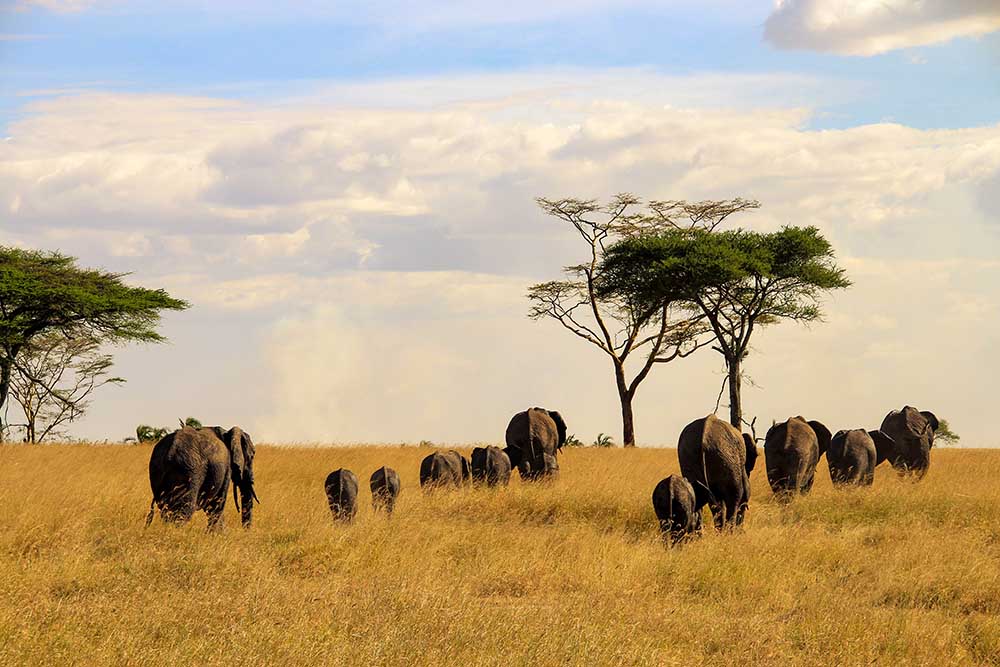
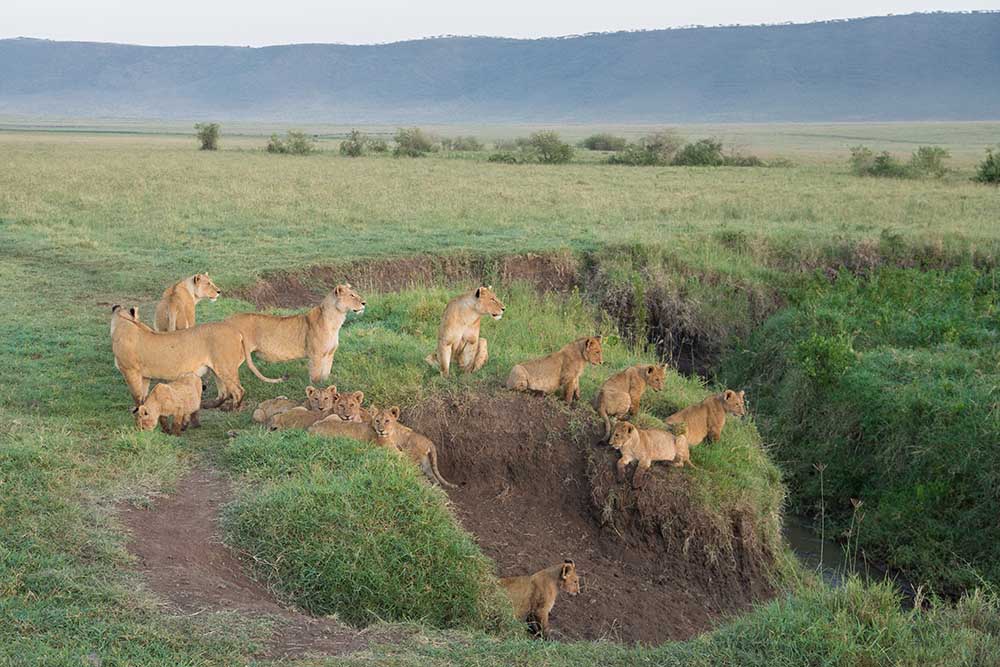
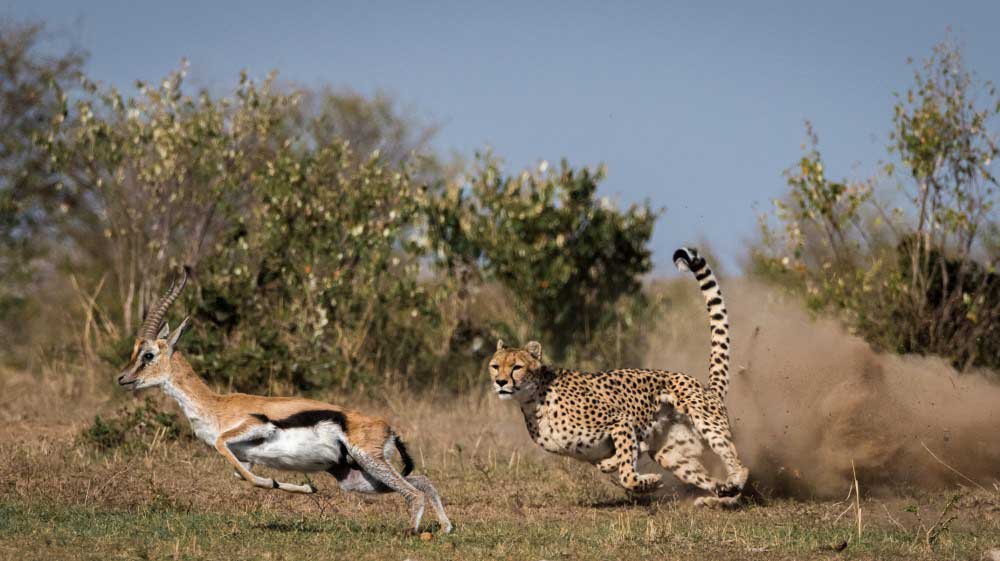
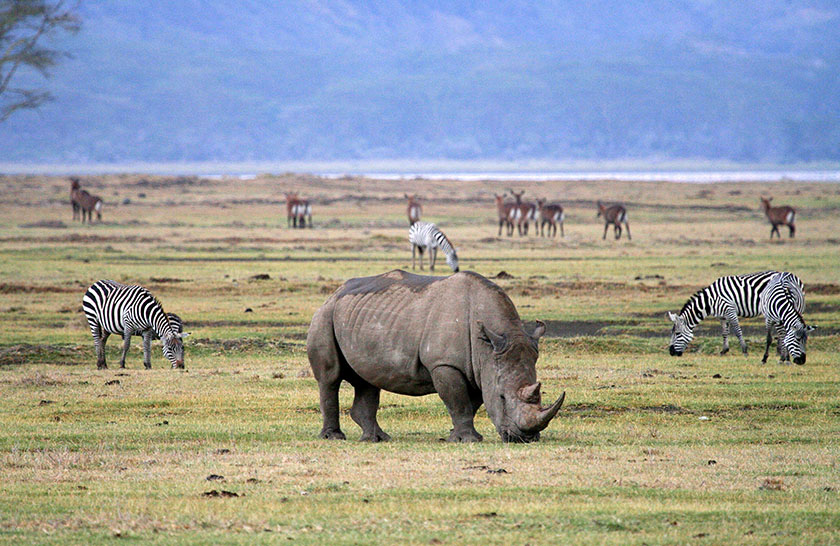
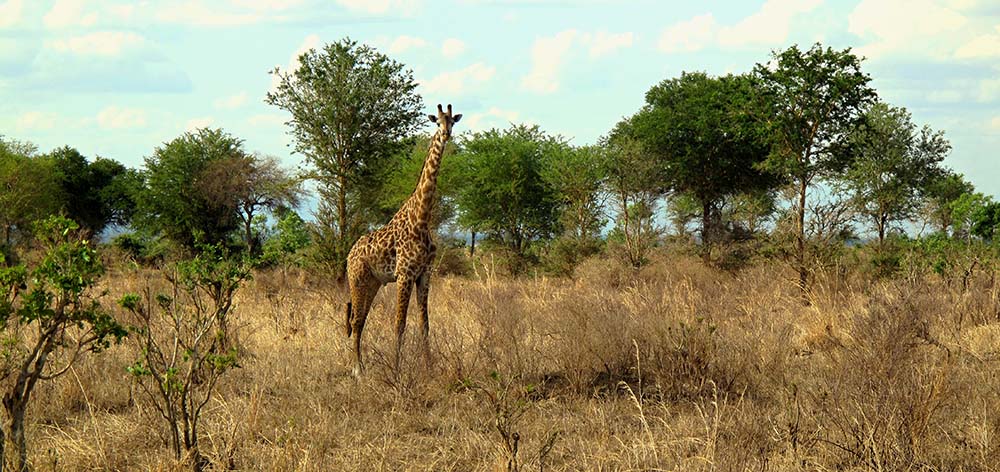
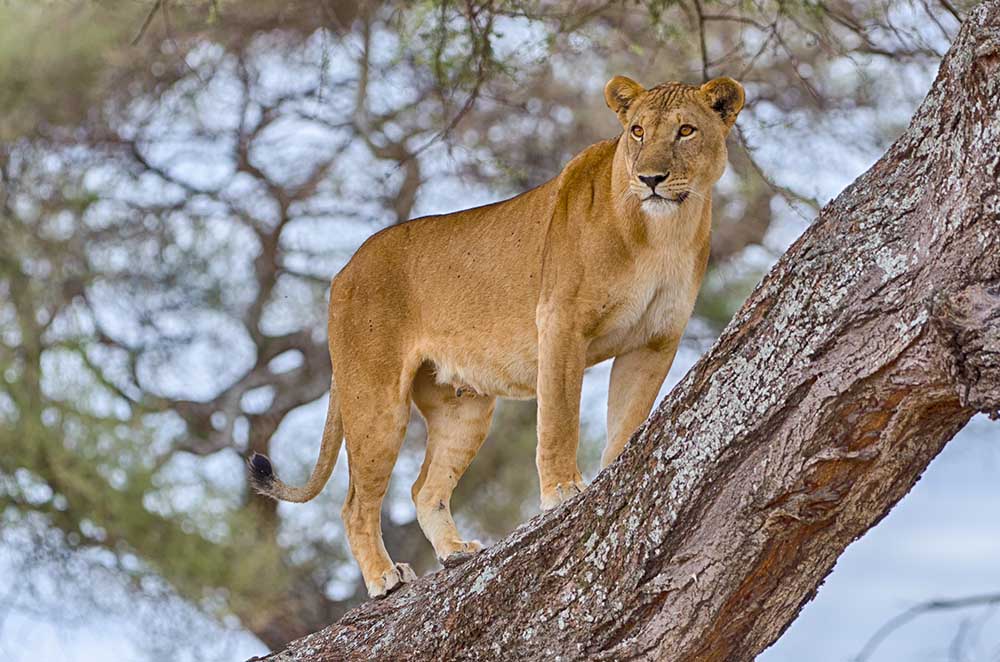
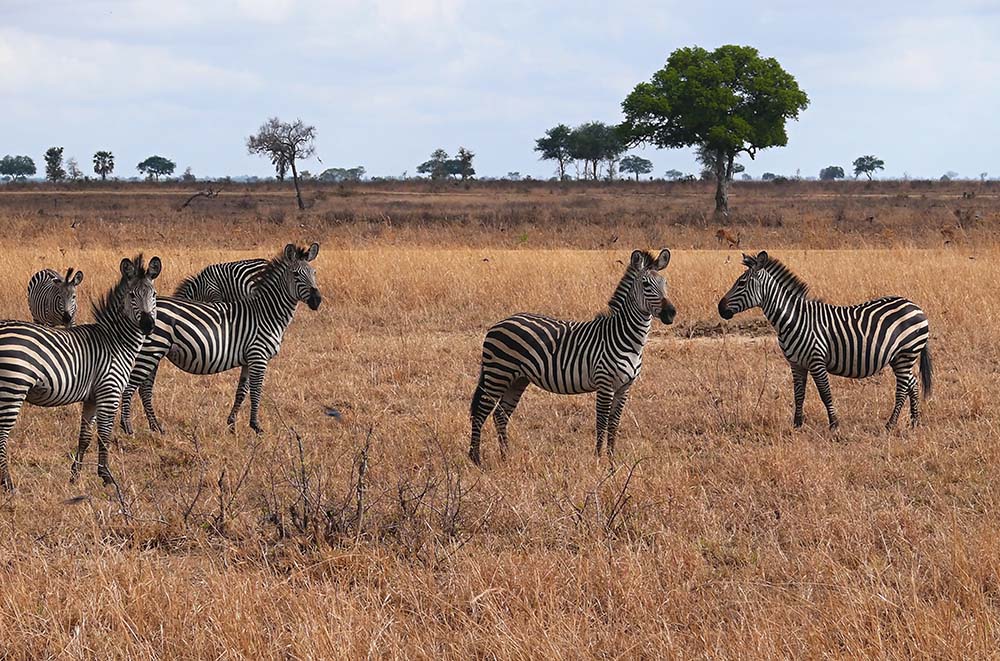
It is one of the best times for game viewing in all wildlife parks in Tanzania, especially migratory animals in their vast numbers (wildebeest, zebras, gazelles) and predators around Ndutu in southeastern Serengeti plains. Ndutu area, in the Ngorongoro southeastern Serengeti plains, is the main holding ground for migratory animals in their hundreds of thousands, lingering for more than four months, between December and April, before they start moving across the Serengeti in search of greener pastures and water.
Birding
All game parks offer excellent bird watching in January. Many species including Eurasian migrants are present from October to April.
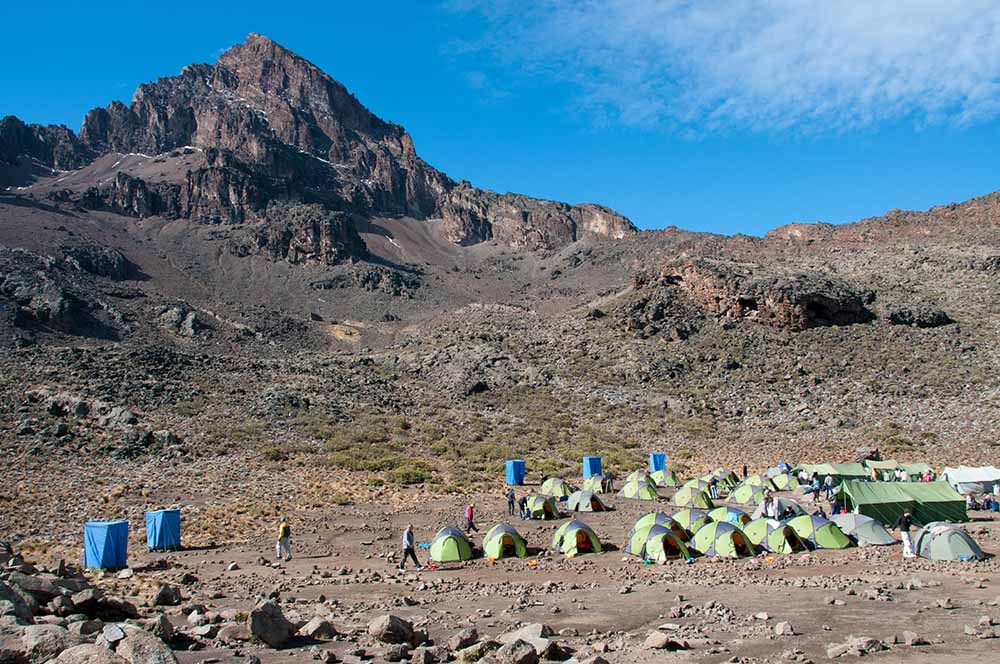
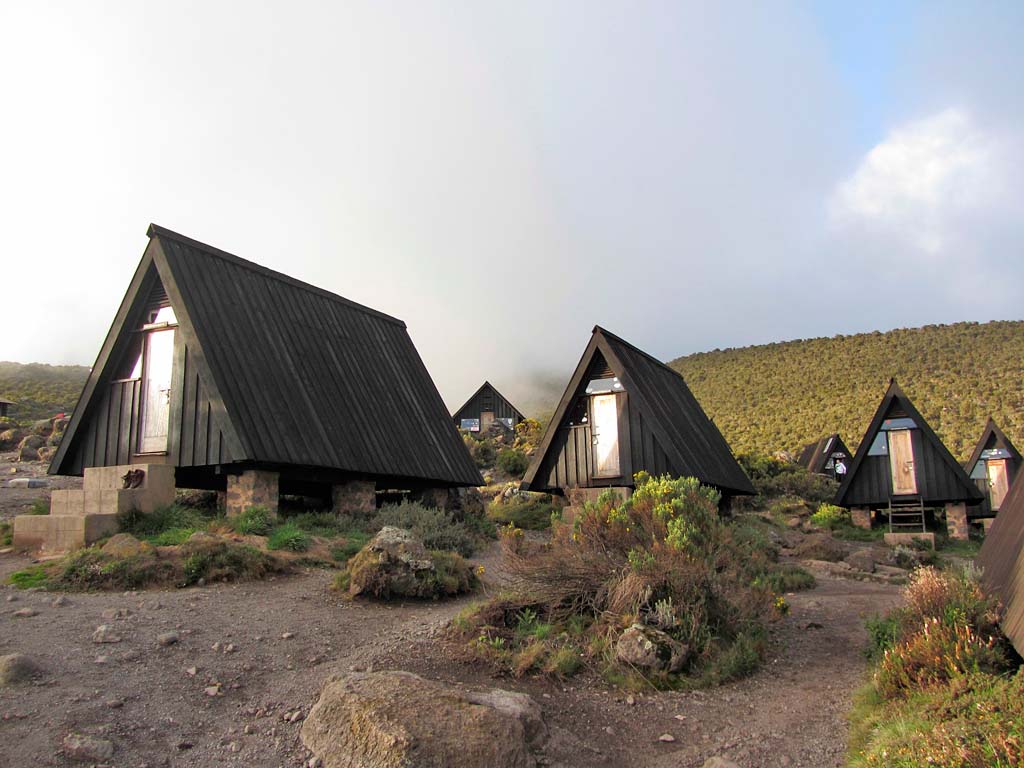
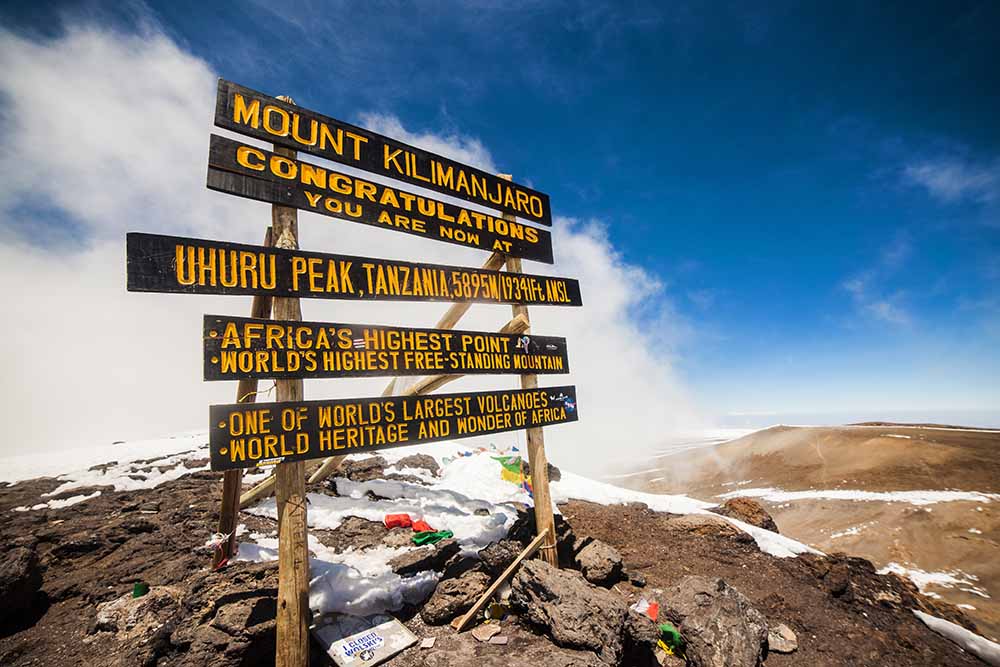
Kilimanjaro climbing
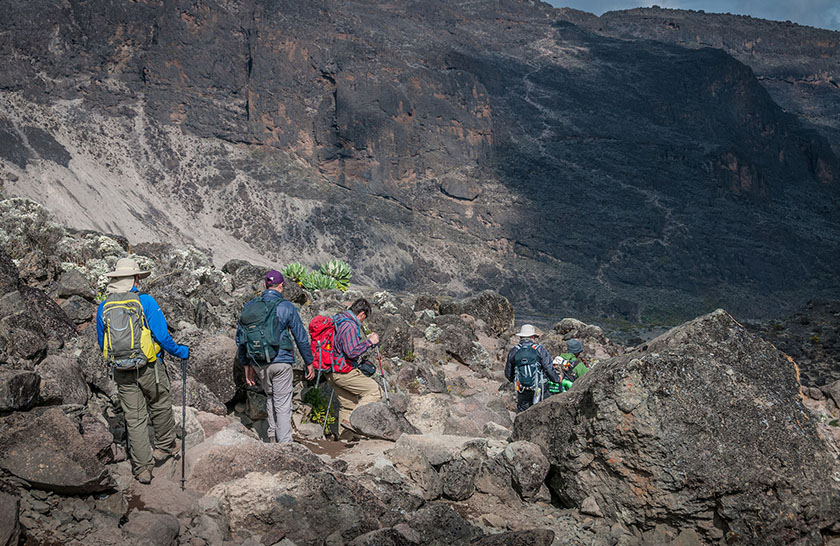
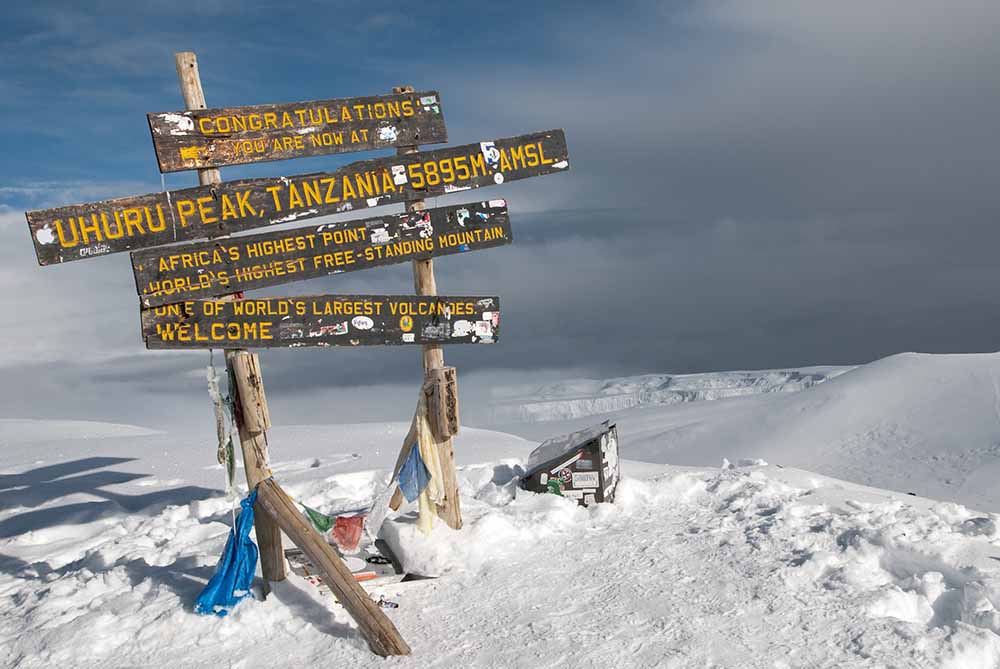
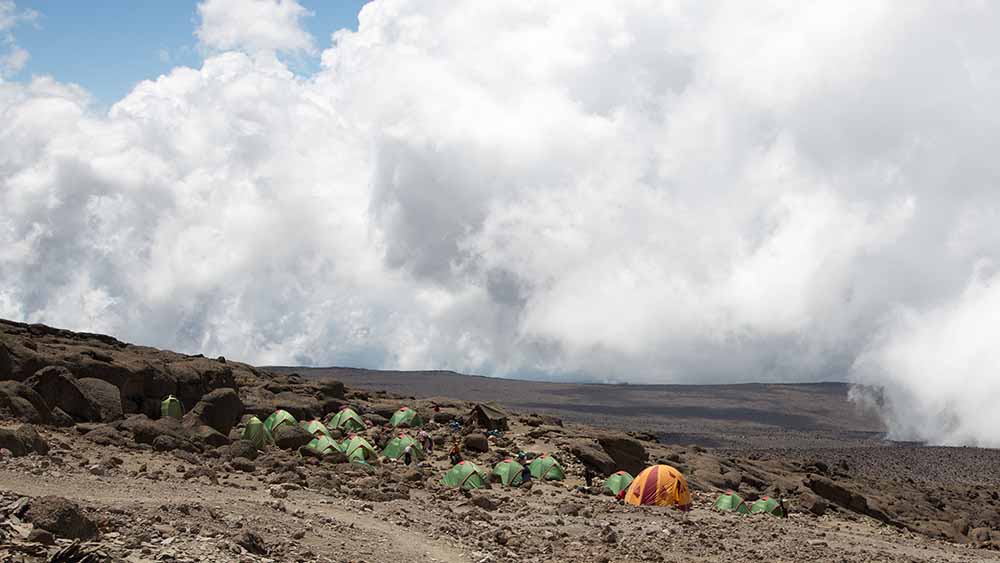
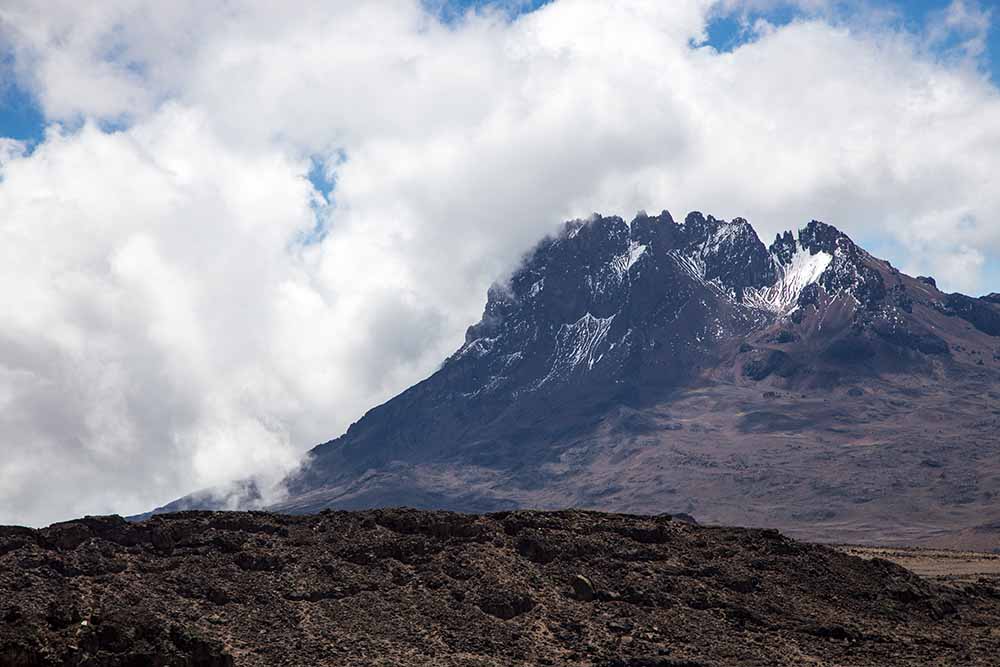
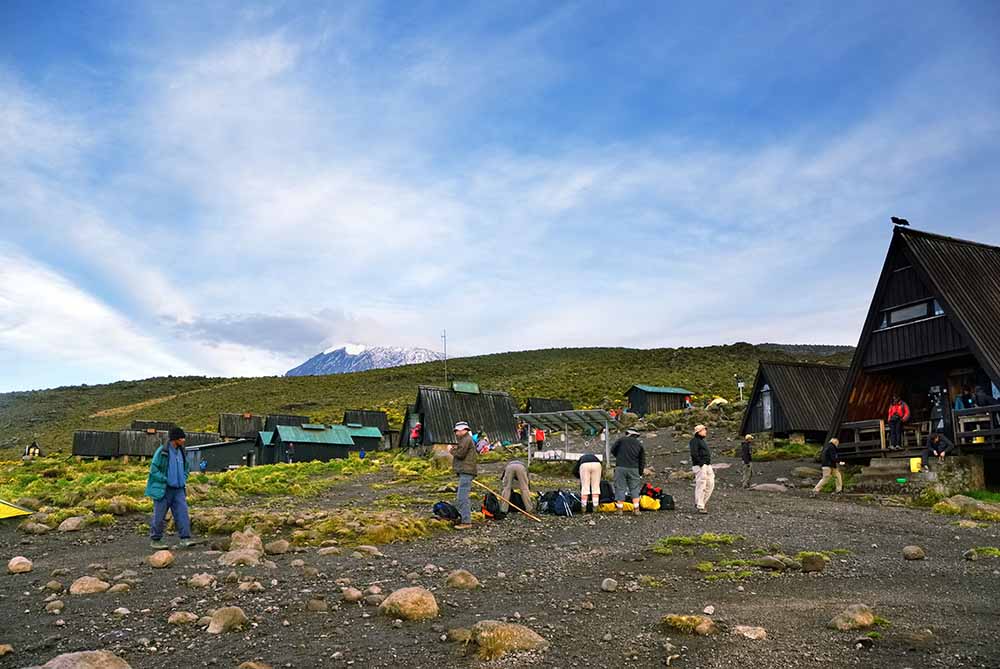
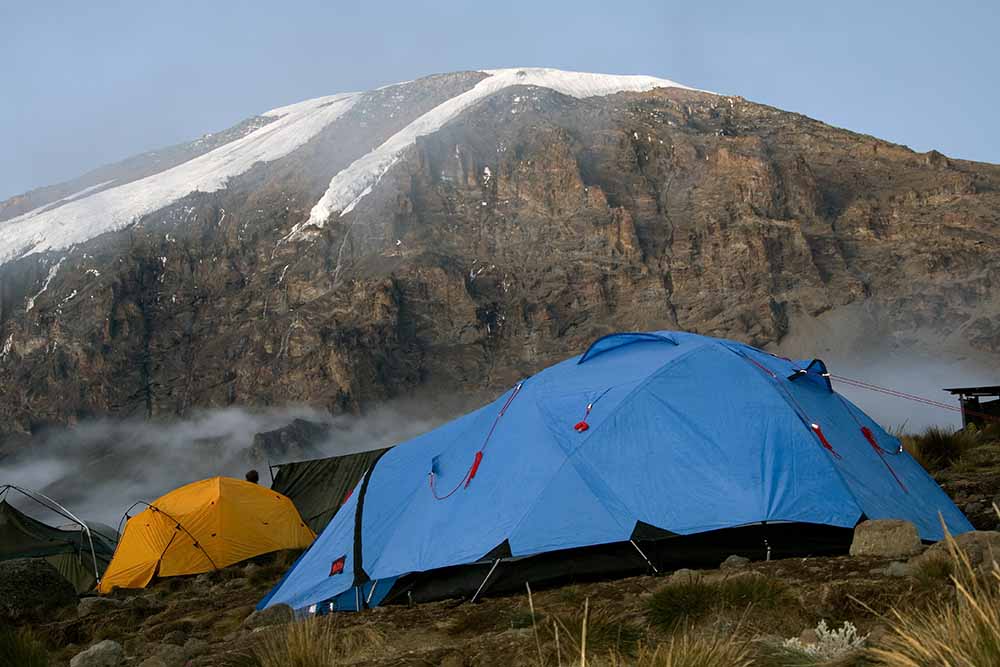
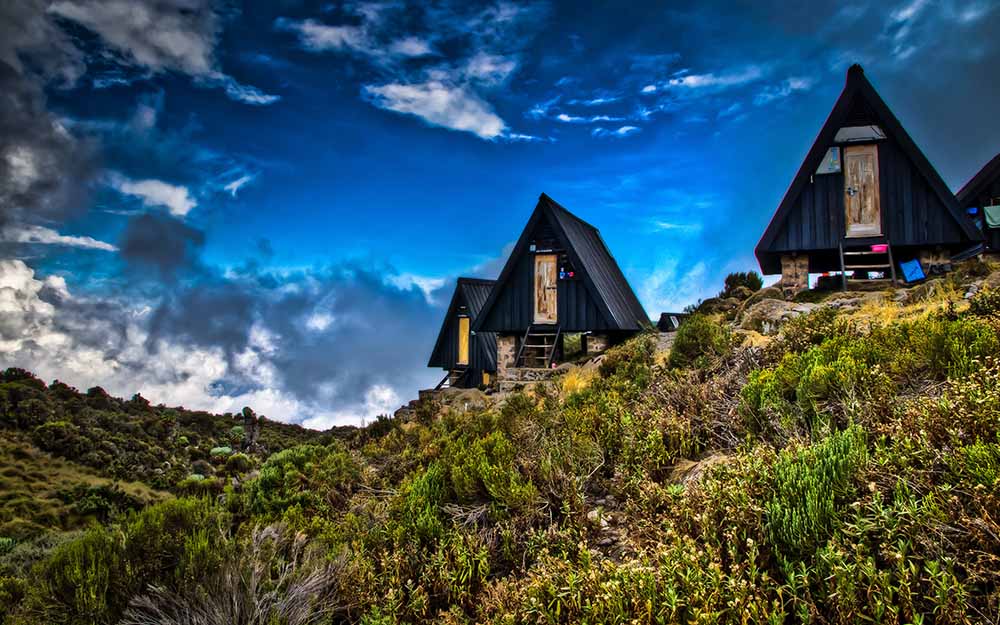
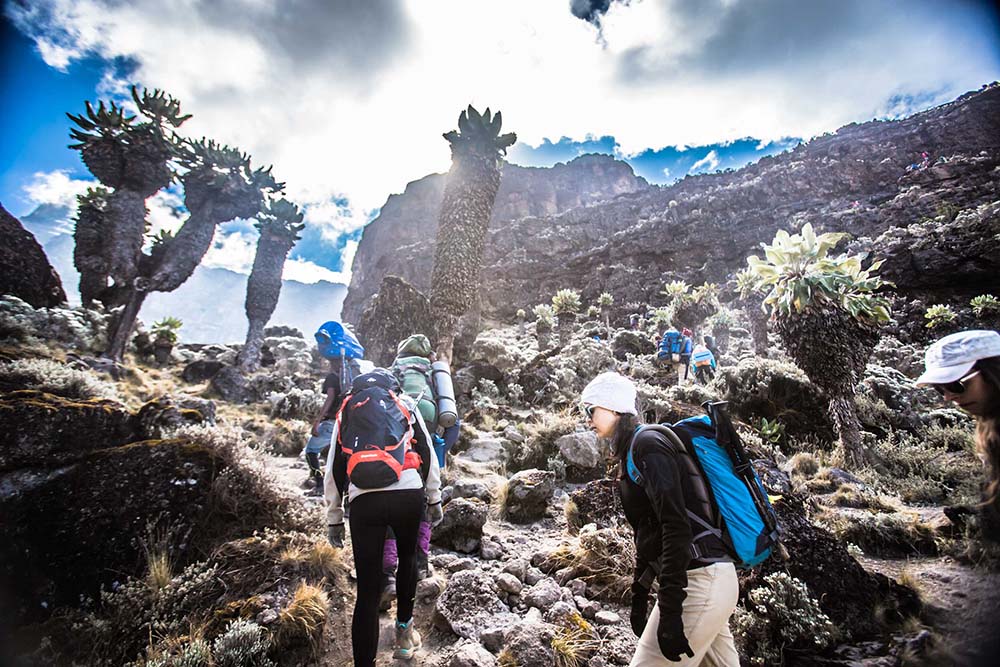
January is one of the best months for climbing Mount Kilimanjaro. January and February are usually dry, warm and clear with brief rain-showers, which make good climbing conditions.
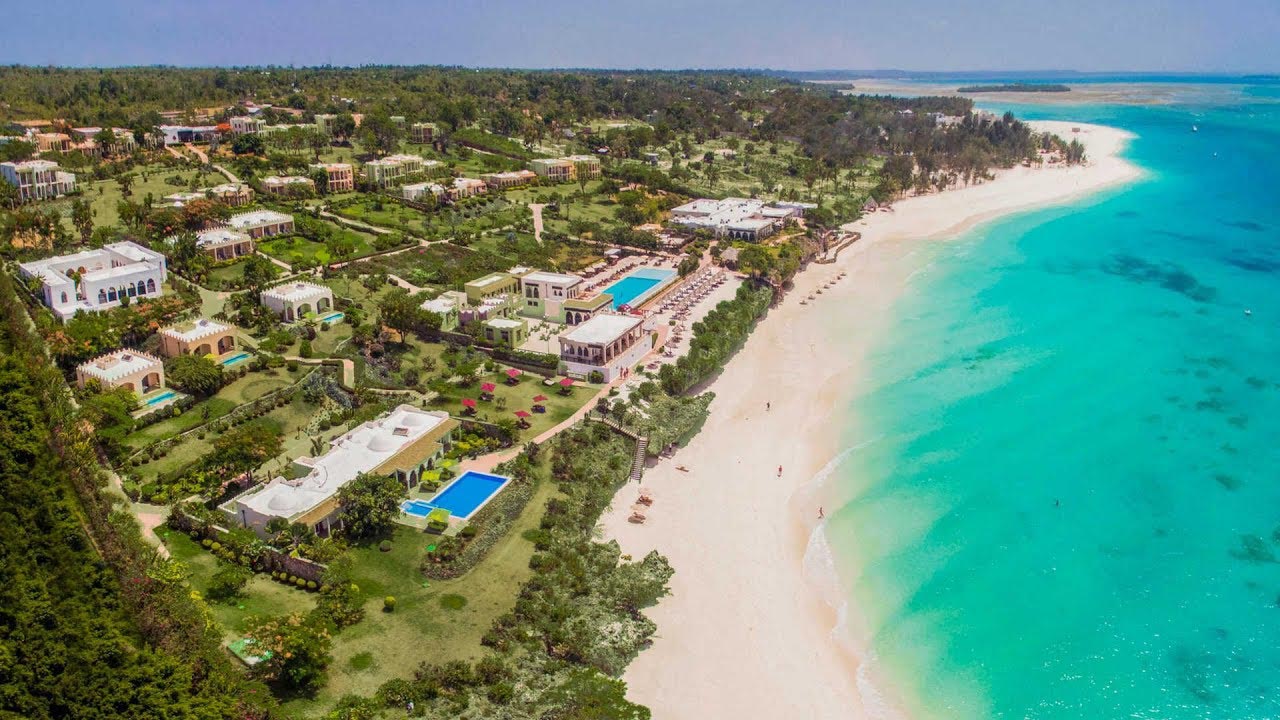
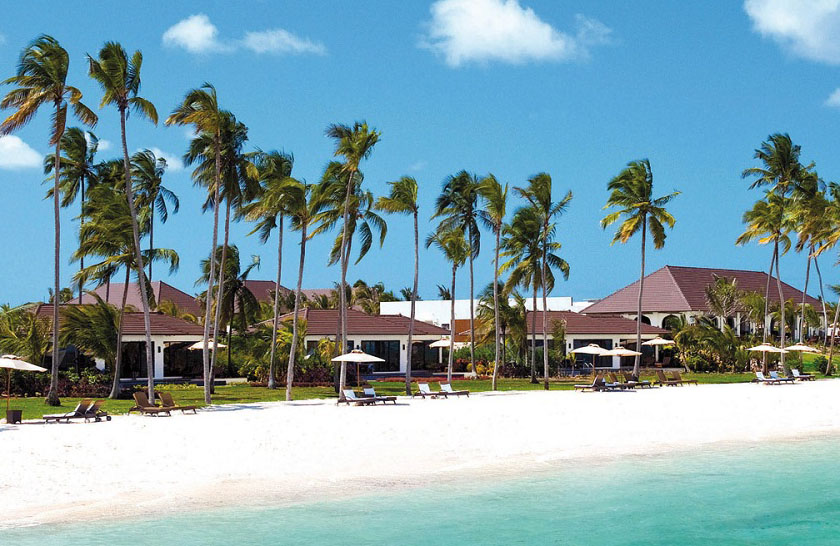
Beach Holiday
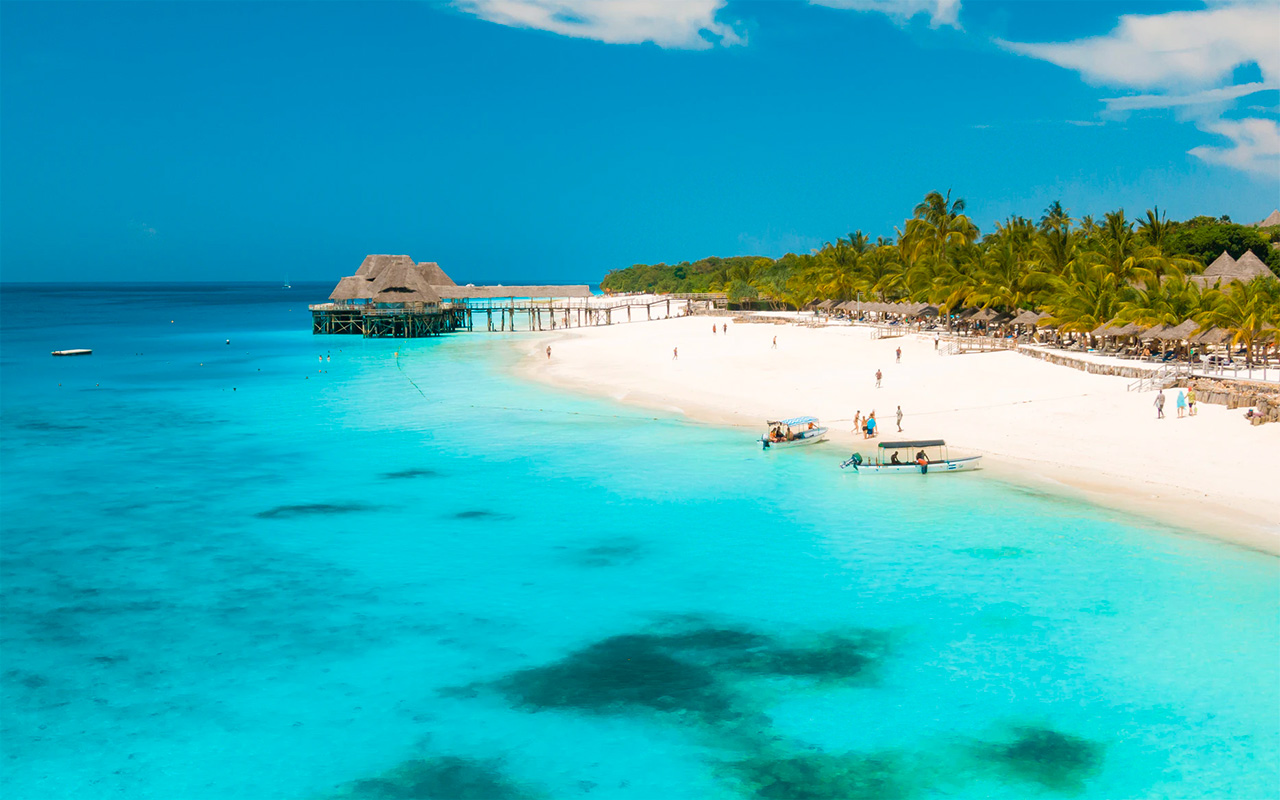
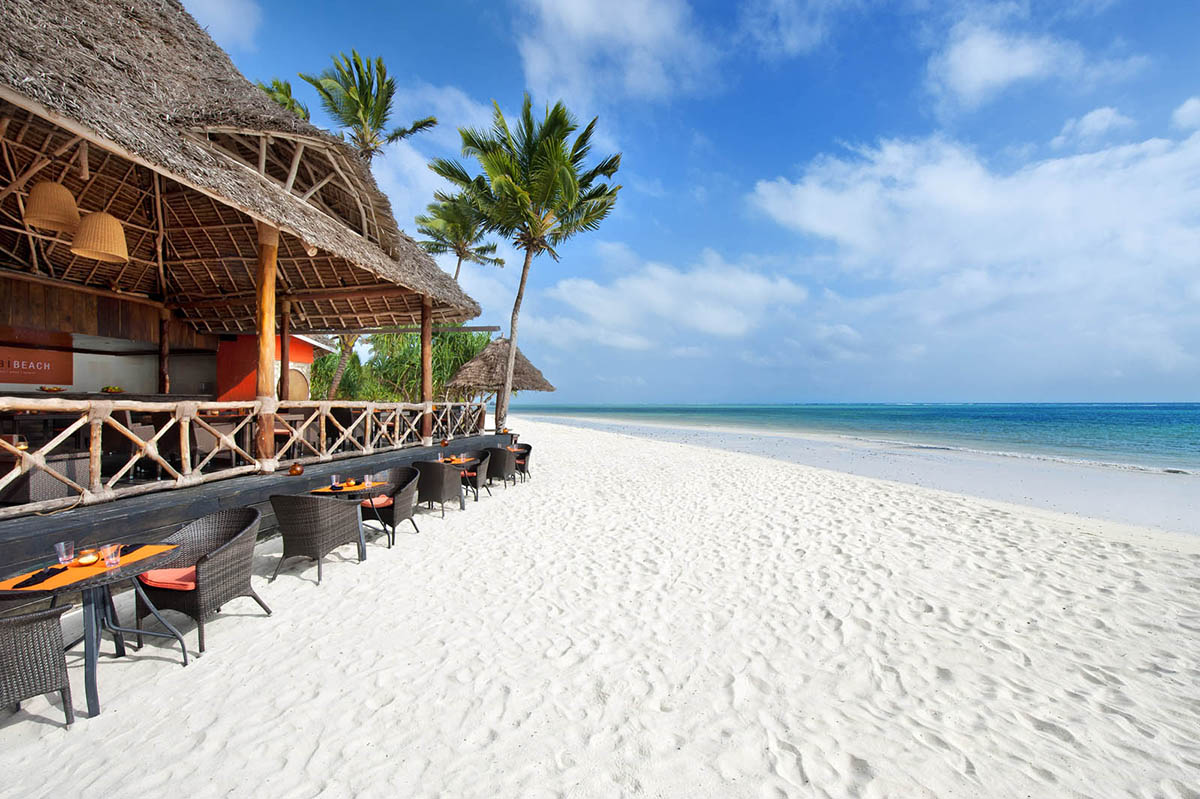
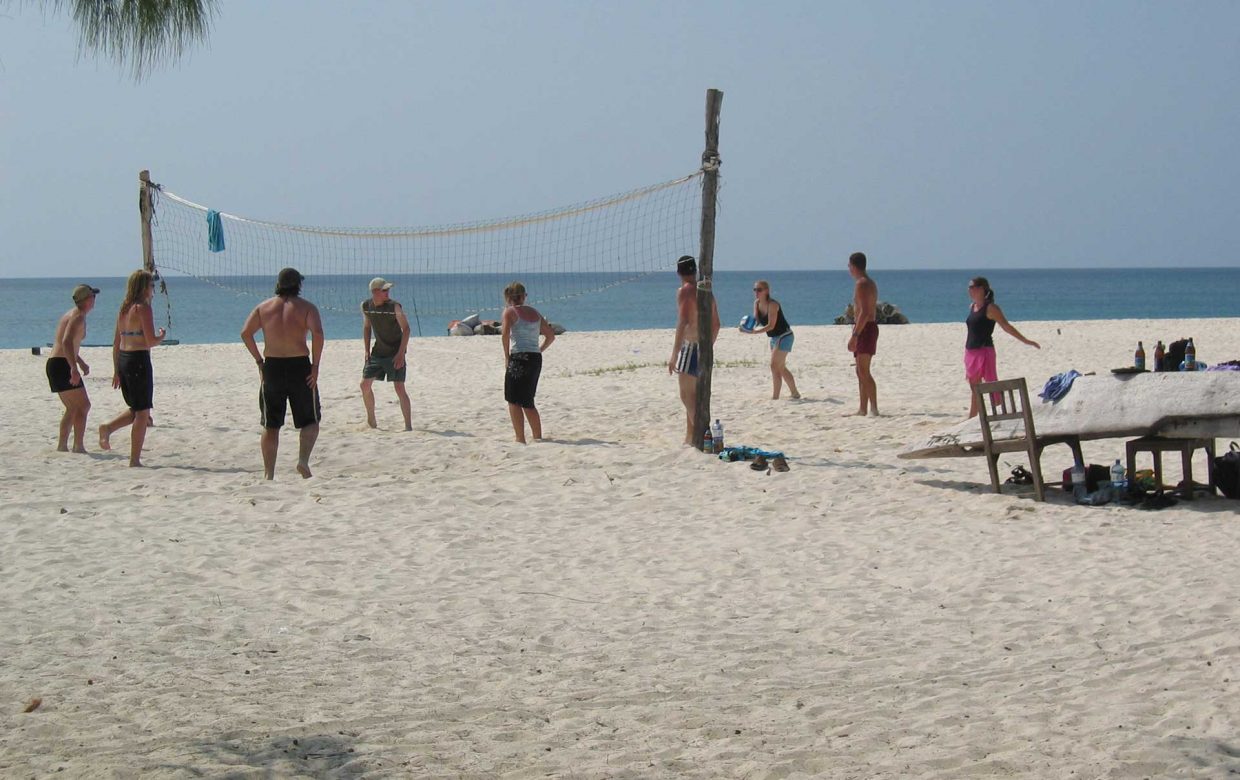
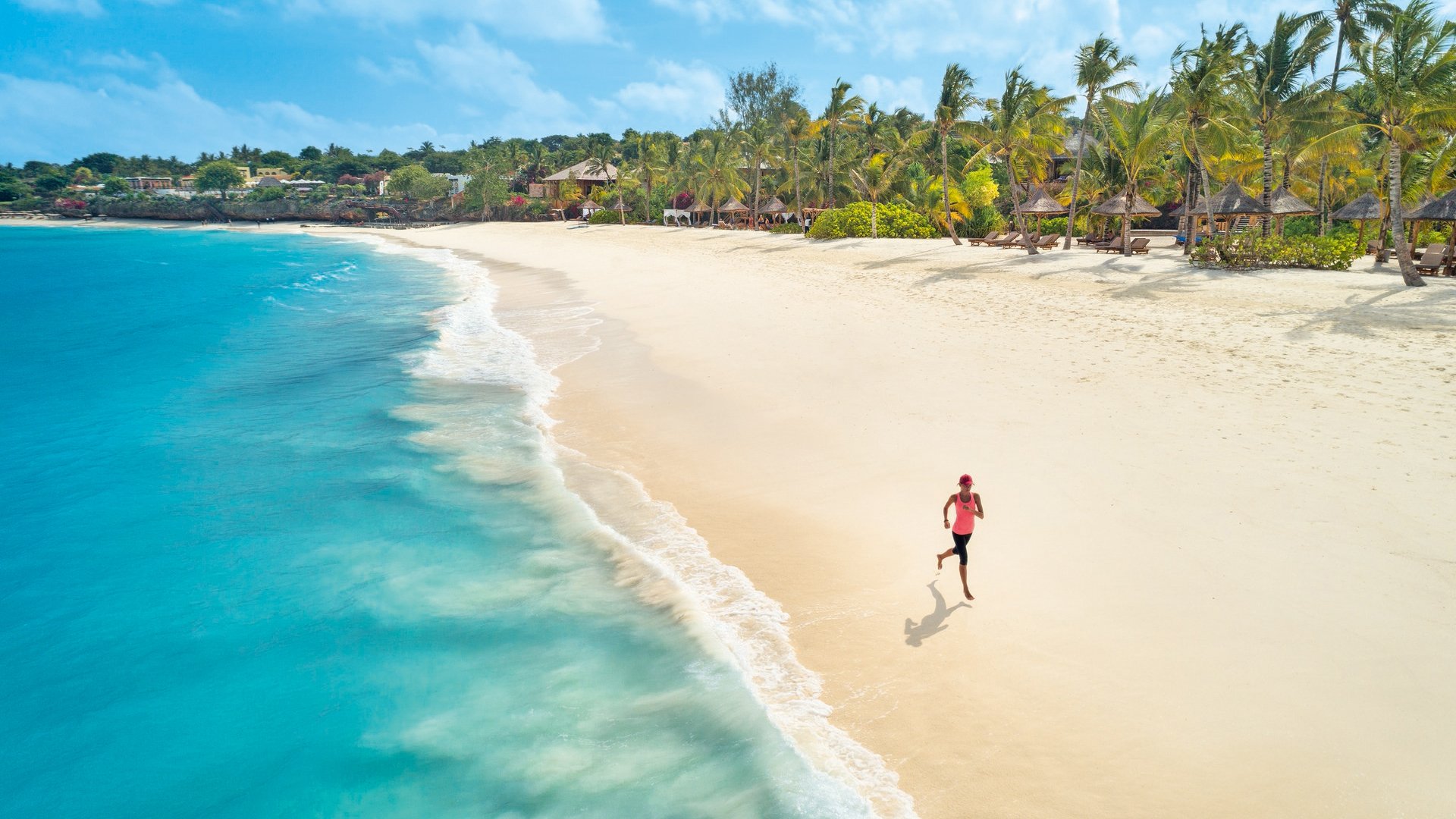
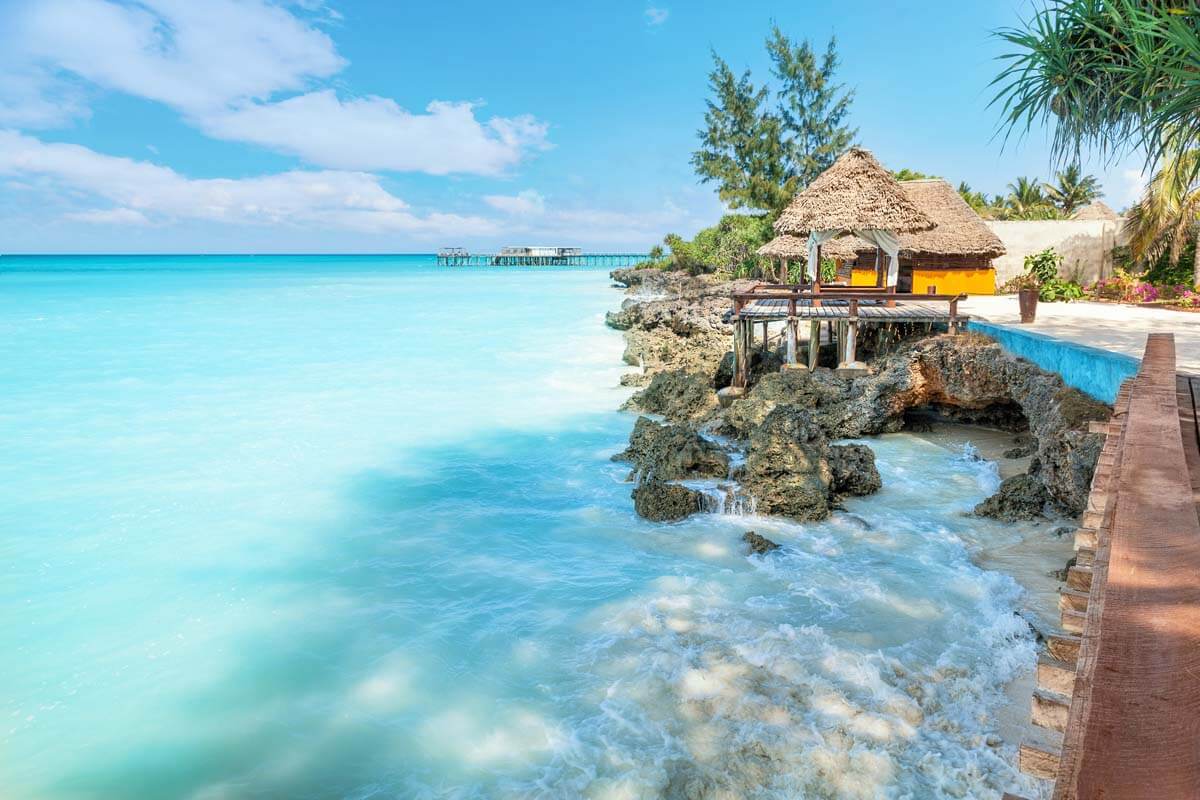
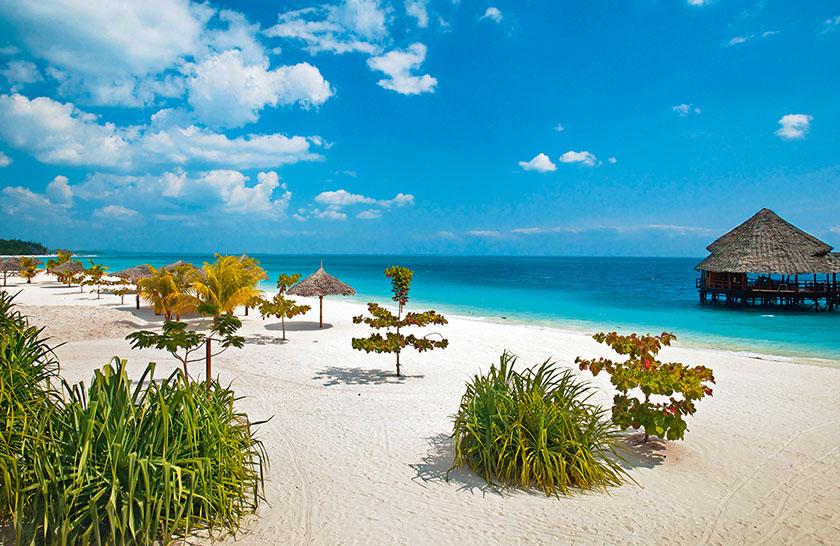
Good weather for a beach holiday. September to March are the best months for big game fishing (marlin, barracuda, sailfish, tuna) in the islands of Mafia, Zanzibar and Pemba.
Space availability
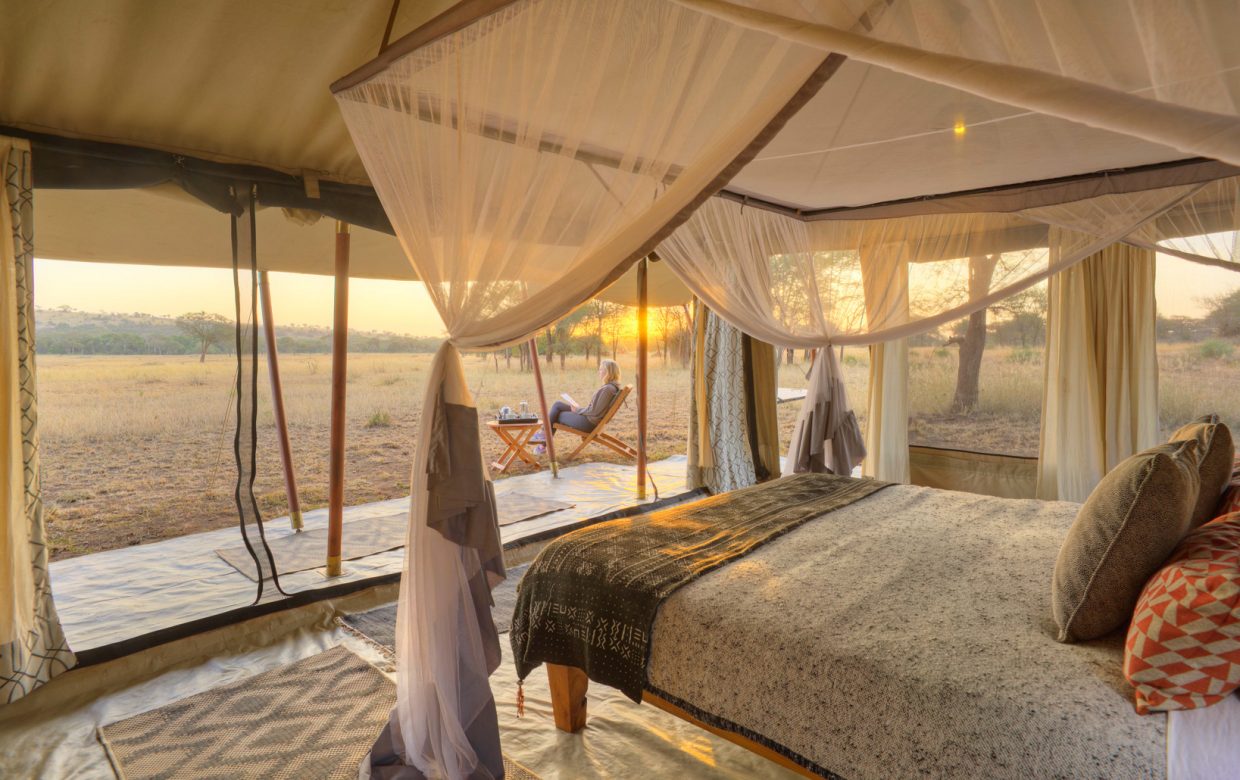
January (through to February) is one of the busiest tourist seasons in northern Tanzania game parks. It is recommended that you book in advance to secure good accommodation. In southern and western Tanzania, it is the low season in the game parks, and shoulder season in Zanzibar except the first week of January (New Year overflow), which is peak.[/vc_column_text][vc_column_text]
[/vc_column_text][/vc_column][/vc_row][vc_row full_width=”stretch_row” css=”.vc_custom_1595515556122{padding-top: 30px !important;background-color: #f4f4f4 !important;}”][vc_column][vc_column_text]
FEBRUARY
Weather February is warm / sunny with short showers which don’t last long.
Game viewing
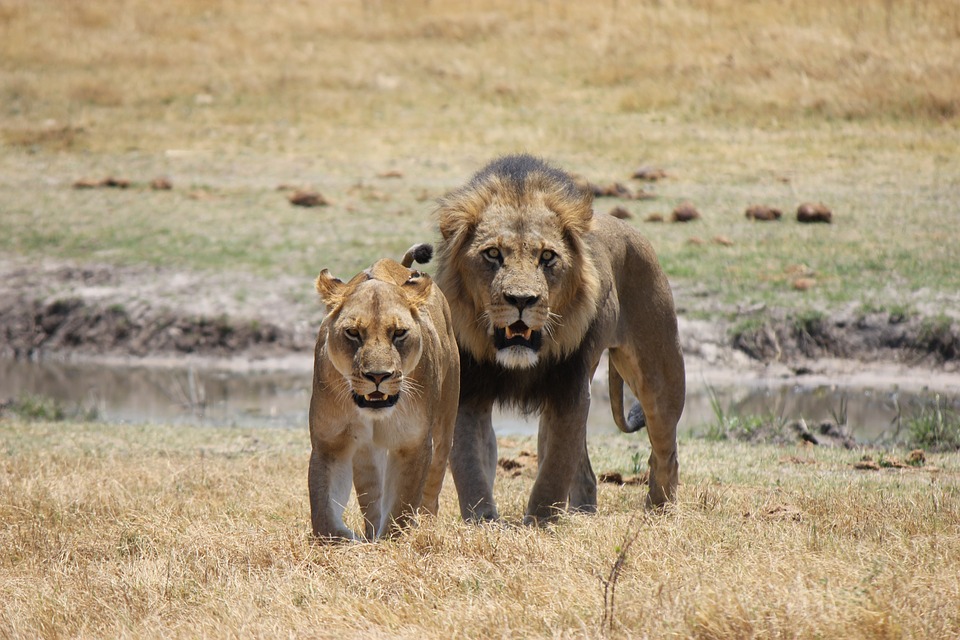
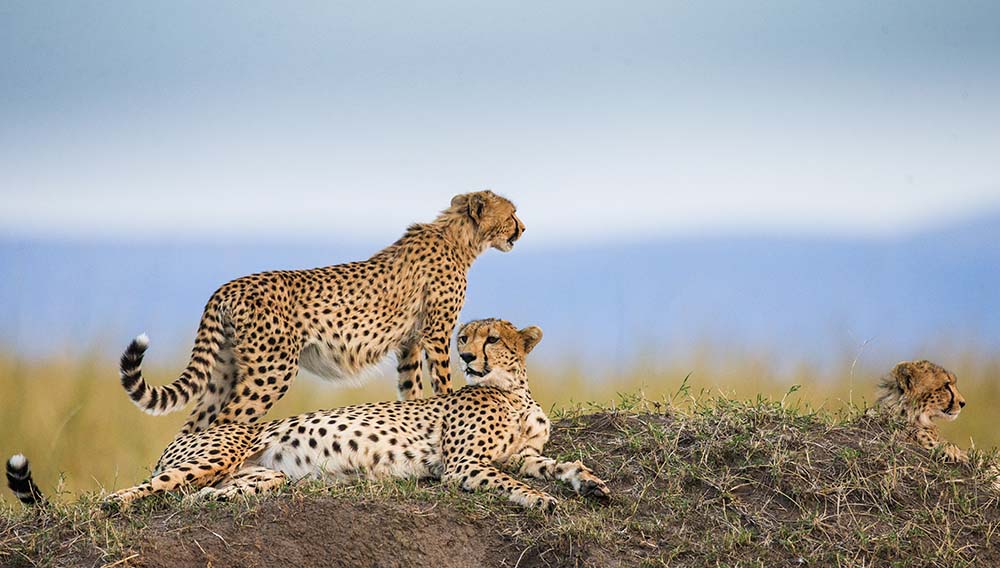
This is the calving season for the wildebeest. Many calves are born every morning in the Serengeti plains. It is the glut season and the time for predators and scavengers such as lions, cheetahs, jackals, birds of prey, and hyenas to closely watch the unfolding drama. Calves can stand within 7 minutes on average. After two days the calves are hard to catch.
Birding
All game parks offer excellent bird watching in February. Many species including Eurasian migrants are present from October to April.
Kilimanjaro climbing
February is one of the best months for climbing Mount Kilimanjaro. Like January it is usually dry, warm and clear with brief rain-showers, which make good climbing conditions.
Beach Holiday
Good weather for a beach holiday. September to March are the best months for big game fishing (marlin, barracuda, sailfish, tuna) in the islands of Mafia, Zanzibar and Pemba.
Space availability
February is one of the busiest tourist seasons in northern Tanzania game parks. It is recommended that you book in advance to secure good accommodation. In southern and western Tanzania, it is the low season in the game parks, and shoulder season in Zanzibar except the first week of January (New year overflow), which is peak.[/vc_column_text][vc_column_text]
[/vc_column_text][/vc_column][/vc_row][vc_row full_width=”stretch_row” css=”.vc_custom_1595515755759{padding-top: 30px !important;background-color: #ededed !important;}”][vc_column][vc_column_text]
MARCH
Weather March is generally warm/sunny with long rains starting from the second half of the month. The rains do not last long during the day and game drives in the north are conducted normally.
Game viewing
It is a great time for game viewing in northern Tanzania game parks and one of the best times for viewing migratory animals and predators around Ndutu in southeastern Serengeti plains extending into Ngorongoro. The vegetation is lush and green attracting hundreds of thousands of wildebeest, zebras and gazelles with a high population of predators in pursuit. Most tented camps and airstrips in Selous Game Reserve and the National Parks of Katavi, Ruaha, Gombe and Mahale in southern and western Tanzania are closed from mid March due to the rains.
Birding
All game parks offer excellent bird watching in March. Many species including Eurasian migrants are present from October to April.
Kilimanjaro climbing
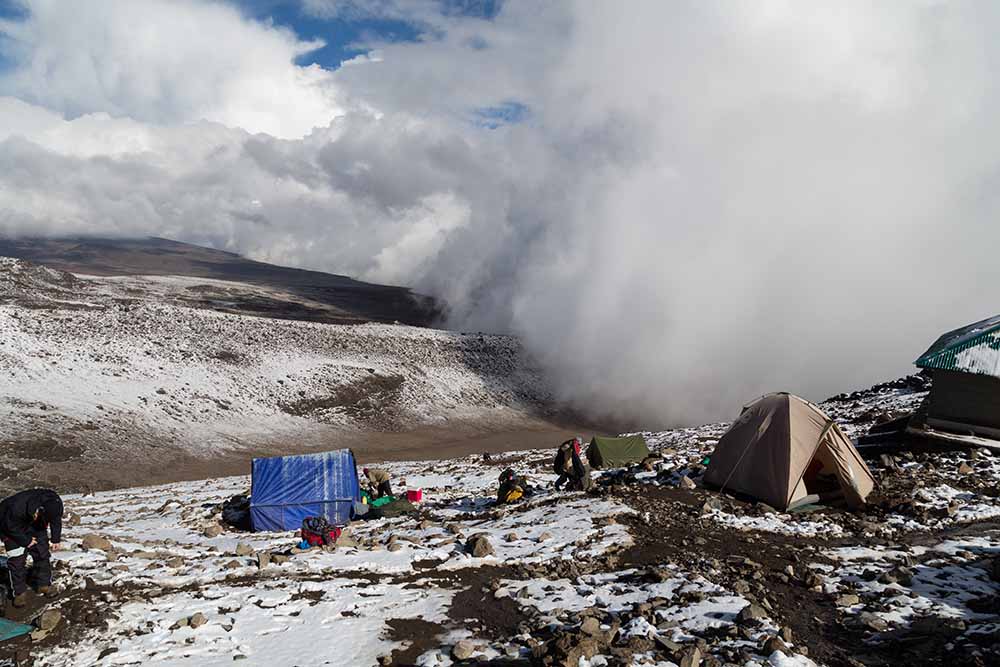
Although one can climb throughout the year, March is not always one of the best months for climbing Mount Kilimanjaro, as the rainy season makes it misty. Clouds tend to pile up and over the summit dropping snow on top and rain at the base. The temperature at this time of year is relatively warm.
Beach Holiday
It is still sunny for a beach holiday especially during the first half of the month. There is an average of 8 rainy days. March is good for big game fishing (marlin, barracuda, sailfish, tuna) in the islands of Mafia, Zanzibar and Pemba.
Space availability
This is one of the best months for group travel in northern Tanzania and Zanzibar (including incentive groups) as the tourist traffic is low and accommodation space is available especially after the first half of March.[/vc_column_text][vc_column_text]
[/vc_column_text][/vc_column][/vc_row][vc_row full_width=”stretch_row” css=”.vc_custom_1595515577879{padding-top: 30px !important;background-color: #ededed !important;}”][vc_column][vc_column_text]
MARCH
Weather March is generally warm/sunny with long rains starting from the second half of the month. The rains do not last long during the day and game drives in the north are conducted normally.
Game viewing
It is a great time for game viewing in northern Tanzania game parks and one of the best times for viewing migratory animals and predators around Ndutu in southeastern Serengeti plains extending into Ngorongoro. The vegetation is lush and green attracting hundreds of thousands of wildebeest, zebras and gazelles with a high population of predators in pursuit. Most tented camps and airstrips in Selous Game Reserve and the National Parks of Katavi, Ruaha, Gombe and Mahale in southern and western Tanzania are closed from mid March due to the rains.
Birding
All game parks offer excellent bird watching in March. Many species including Eurasian migrants are present from October to April.
Kilimanjaro climbing
Although one can climb throughout the year, March is not always one of the best months for climbing Mount Kilimanjaro, as the rainy season makes it misty. Clouds tend to pile up and over the summit dropping snow on top and rain at the base. The temperature at this time of year is relatively warm.
Beach Holiday
It is still sunny for a beach holiday especially during the first half of the month. There is an average of 8 rainy days. March is good for big game fishing (marlin, barracuda, sailfish, tuna) in the islands of Mafia, Zanzibar and Pemba.
Space availability
This is one of the best months for group travel in northern Tanzania and Zanzibar (including incentive groups) as the tourist traffic is low and accommodation space is available especially after the first half of March.[/vc_column_text][vc_column_text]
[/vc_column_text][/vc_column][/vc_row][vc_row full_width=”stretch_row” css=”.vc_custom_1595515556122{padding-top: 30px !important;background-color: #f4f4f4 !important;}”][vc_column][vc_column_text]
APRIL
Weather This is the wet season but it seldom rains all day. The rains do not last long during the day and game drives are conducted normally in northern Tanzania game parks where the tracks are passable throughout the year.
Game viewing
This is the famous green season in northern Tanzania game parks with plenty of water and pasture for wildlife. It is one of the best times for viewing migratory animals and predators in Ndutu, southeastern Serengeti and in the central Serengeti area. During this time, the lodges in northern Tanzania offer up to 50% discount to visitors in the game parks. It is the best value for money. It does not rain most of the day and game drives are not affected. The Serengeti plains are lush and attract many wildebeest, zebras and gazelles with a high population of predators. Airstrips and most tented camps in Selous Game Reserve and the National Parks of Katavi, Ruaha, Gombe and Mahale in the southern and western Tanzania are temporarily closed in April due to rains and renovation.
Birding
All game parks offer excellent bird watching in April. Many species including Eurasian migrants are present from October to April.
Kilimanjaro climbing
Although one can climb throughout the year, April is not the best time for climbing Mount Kilimanjaro due to the rains.
Beach Holiday
We have an average of 11 days of rain and most beach resorts offer specially reduced/discounted prices during this season. A few resorts remain closed mainly for renovation and staff holidays.
Space availability
This is the best time for group travel in northern Tanzania (including incentive groups) as the tourist traffic is low and accommodation space is available.[/vc_column_text][vc_column_text]
[/vc_column_text][/vc_column][/vc_row][vc_row full_width=”stretch_row” css=”.vc_custom_1595515577879{padding-top: 30px !important;background-color: #ededed !important;}”][vc_column][vc_column_text]
MAY
Weather This is the beginning of the cool season with rains getting lighter towards the end of the month, marking the beginning of the dry season.
Game drives
Game drives are little affected by the light rains although most tented camps in western and southern Tanzania game parks remain closed probably for renovation and staff-leave. Game viewing It is very green all over Tanzania and the scenery is awash with blooming wildflowers. There is plenty of water and pasture for wildlife and it is the best time for viewing migratory animals and predators in the central and western Serengeti areas. During this time, the lodges in northern Tanzania offer up to 50% discount to visitors in the game parks. It is the best value for money. The rains are lighter especially towards the end of the month and game drives are little affected. Towards the end of the month as the rains give way to drought the migratory animals, especially the wildebeest and zebras, start fanning out from central Serengeti heading southwest, north or west in search of water and greener pastures. Airstrips and most tented camps in Selous Game Reserve and the national parks Katavi, Ruaha, Gombe and Mahale in southern and western Tanzania remain temporarily closed due to rains and for renovation.
Birding
All the game parks offer excellent bird watching in May with many species of colourful birds commonly seen during this season.
Kilimanjaro climbing
Although one can climb throughout the year, May is not the best time for climbing Mount Kilimanjaro due to rains.
Beach Holiday
We have an average of 10 days of rain and most beach resorts offer great prices during this season. Some resorts remain closed mainly for renovation and staff holiday.
Space availability
This is the best time for group travel in northern Tanzania (including incentive groups) as the tourist traffic is low and accommodation space is available.[/vc_column_text][vc_column_text]
[/vc_column_text][/vc_column][/vc_row][vc_row full_width=”stretch_row” css=”.vc_custom_1595515556122{padding-top: 30px !important;background-color: #f4f4f4 !important;}”][vc_column][vc_column_text]
JUNE
Weather This is the beginning of the dry season and temperatures are cool in the highlands and the plateaus in the mainland. At the beginning of June to the end of August, visitors to Ngorongoro and the highlands in southern and northeastern Tanzania are advised to pack warm clothing as it can get cold in the evening and early morning.
Game viewing
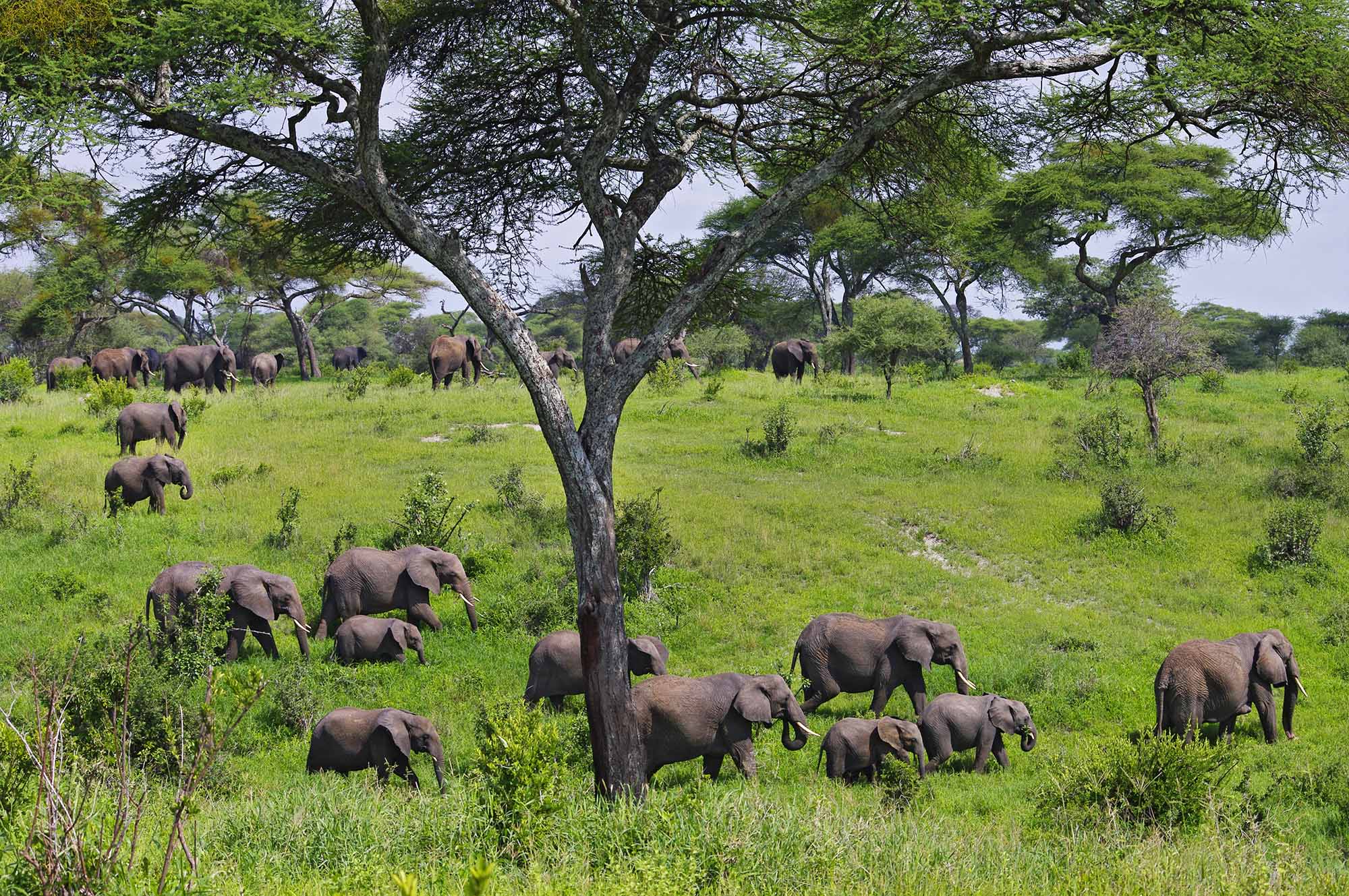
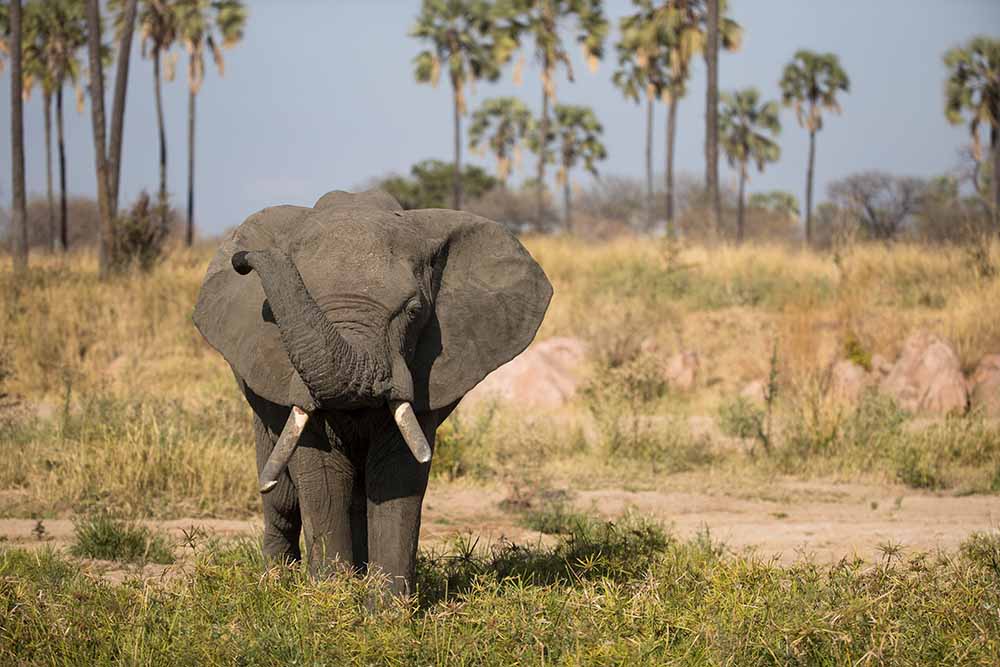
This is the end of the rain season but the scenery is beautiful, with blooming wild flowers and a mixture of green vegetation and golden plains. It is the best time for viewing migratory animals and predators in the central and western Serengeti areas as the animals, especially the wildebeest and zebras in long lines head north or west in search of water and greener pastures. Visits to the western corridor are recommended to witness the dramatic Grumeti River crossings. According to the Serengeti National Park official guide “Lines and columns of wildebeest up to 40 km long have been observed (from the air) heading southwest, north or west as the wildebeest trek to the woodland zone”. The migration lingers in the western corridor towards the Lake Victoria area in western Serengeti between June and July before moving on to northern Serengeti and Mara River. This is one of the best months for game viewing in Tarangire National Park. The Tarangire River, which provides permanent water to the park, attracts the highest concentration of wildlife second to Ngorongoro. The park holds one of the highest concentrations of elephants in Tanzania. This period stretches from June to October and it is the best season for game viewing in Tarangire. Tented camps and airstrips in Selous Game Reserve and the National Parks of Katavi, Ruaha, Gombe and Mahale in the southern and western Tanzania are now open and visitors are treated to excellent game viewing opportunities.
The best time for game viewing in the southern and western game parks is during the dry season, from end of May to December.
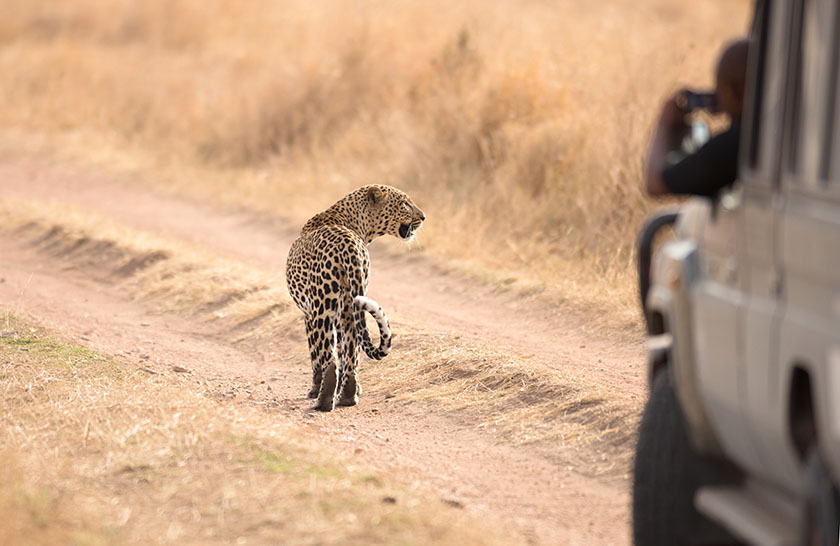
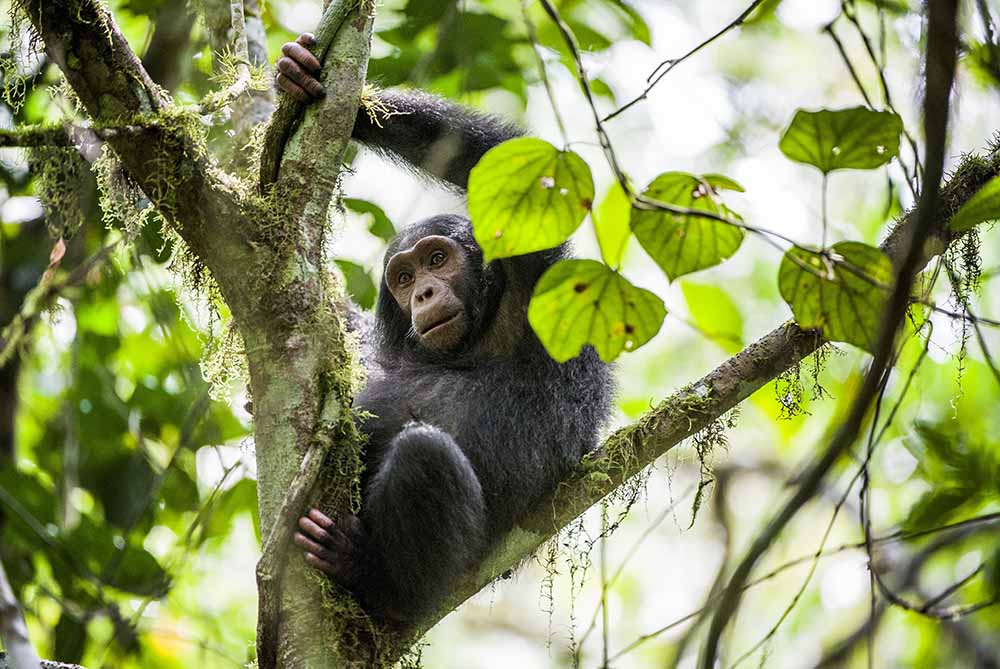
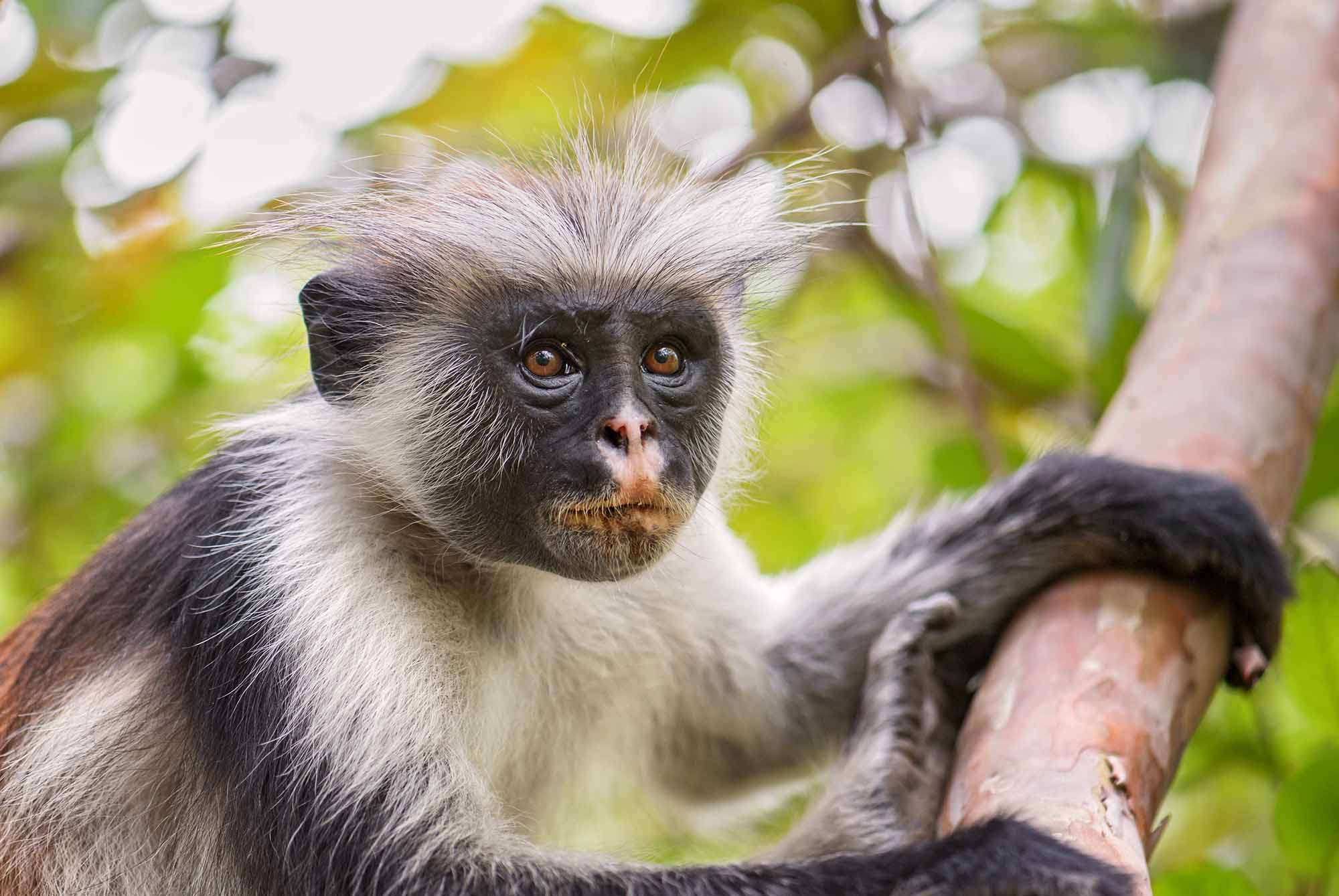
Ruaha River, which provides permanent water to Ruaha National Park, attracts a spectacular concentration of animals including predators along its banks. This unspoiled wilderness is rich in flora and fauna, and contains a wide variety of animals that includes the greater and lesser kudu, roan and sable antelopes, which are rarely seen in other game parks especially in Northern Tanzania. Ruaha National Park is famous for its herds of elephants and buffalos. The Ruaha River, which plays an important role in the ecosystem of the park, provides sanctuary to a large number of hippos and crocodiles. During the dry season the river attracts great quantities of game including lions, leopards, hunting or wild dogs, impala, waterbucks, warthogs, giraffes, and elands. The dry season starting from late May to October is the best time for forest walks and chimpanzee tracking in Mahale and Gombe national parks in western Tanzania. Chimpanzees in Gombe do not roam as far in the wet season (February to June, November to December) and may be easier to find, although the dry season offers better picture opportunities.
Birding
All the game parks offer excellent bird watching in June with many species of colourful birds commonly seen during this season. Kilimanjaro climbing The dry season, beginning in June can be very cold at night, but is usually clear of clouds. June like July and August are good for climbing.
Beach Holiday
It is the beginning of the dry season and beach resorts are open, temperatures are not too high.
Space availability
This is the beginning of the peak tourist season and accommodation space both in the game parks and the islands of Zanzibar and Mafia is best secured in advance.[/vc_column_text][vc_column_text]
[/vc_column_text][/vc_column][/vc_row][vc_row full_width=”stretch_row” css=”.vc_custom_1595515577879{padding-top: 30px !important;background-color: #ededed !important;}”][vc_column][vc_column_text]
JULY
Weather This is the dry season and temperatures are cool in the highlands and the plateaus in the mainland. Visitors to Ngorongoro and the highlands in southern and northeastern Tanzania are advised to pack warm clothing as it can get quite cold in the evenings and early mornings.
Game viewing
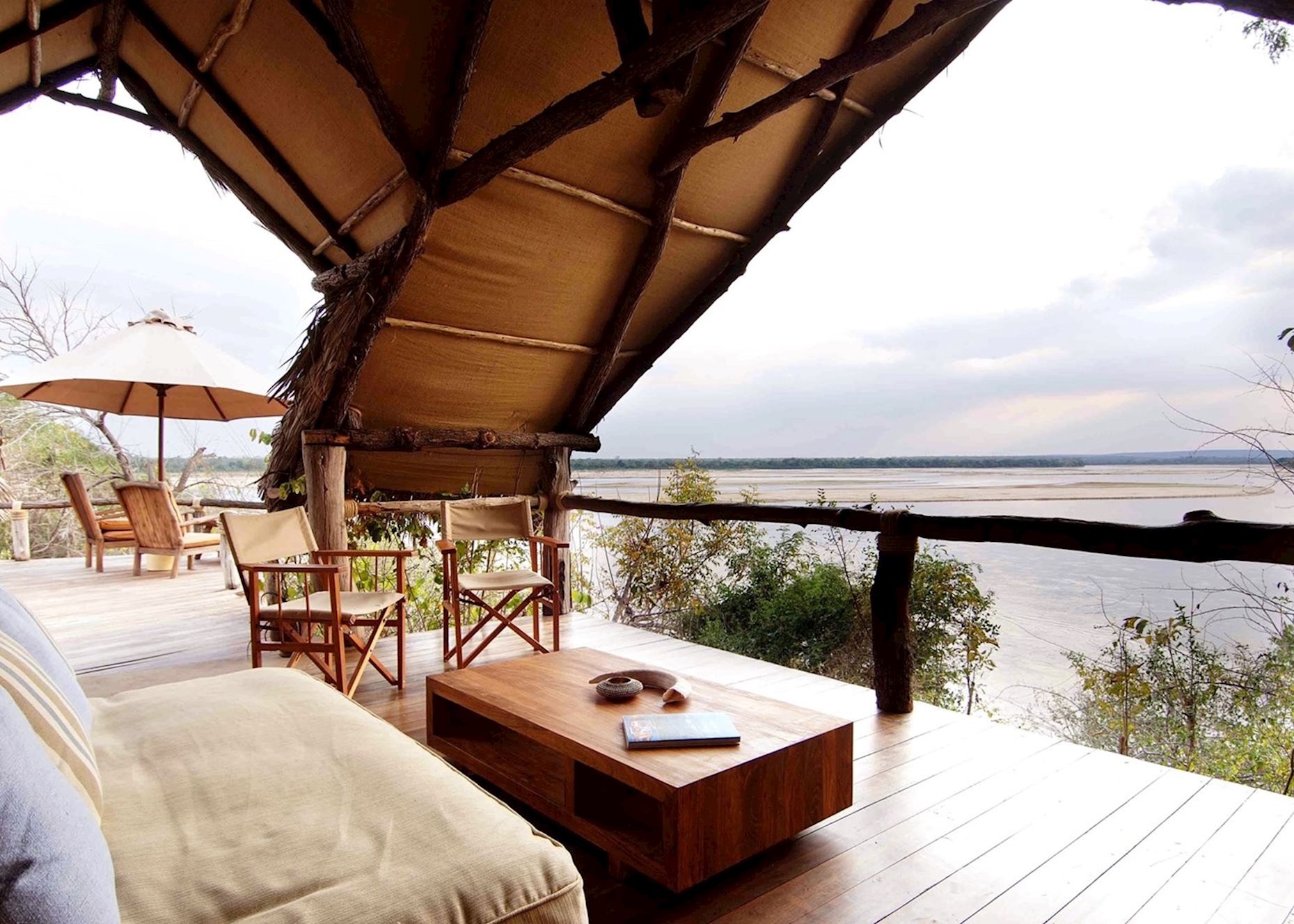
It is the dry season and the plains are golden in colour. This is the best time for visiting northwestern and northern Serengeti for viewing the migration. The wildebeest and zebras from western Serengeti are heading northwards towards the Mara River in search of water and greener pastures. The riverine habitats from Grumeti/Mara river systems and the evergreen forest provide important refuge areas for wildlife during the dry season and great game viewing opportunities all year round. Seronera valley and the Seronera River in central Serengeti forms an important part of the tour planner’s itinerary in Serengeti. Seronera valley boasts the highest number of predators in the entire park and is a prime game viewing area. It has a high concentration of wildlife due to surface water provided by the rivers including Seronera River. Tented camps and airstrips in Selous Game Reserve and the National Parks of Katavi, Ruaha, Gombe and Mahale in the southern and western Tanzania are now open and visitors are treated to excellent game viewing opportunities. The best time for game viewing in the southern and western game parks is during the dry season. Ruaha River, which provides permanent water in Ruaha National Park, attracts a spectacular concentration of animals including predators along its banks.
Birding
All game parks offer excellent bird watching of resident species.
Kilimanjaro climbing
This is the dry season. It can get very cold at night but usually is clear of clouds. July is a good month for climbing.
Beach Holiday
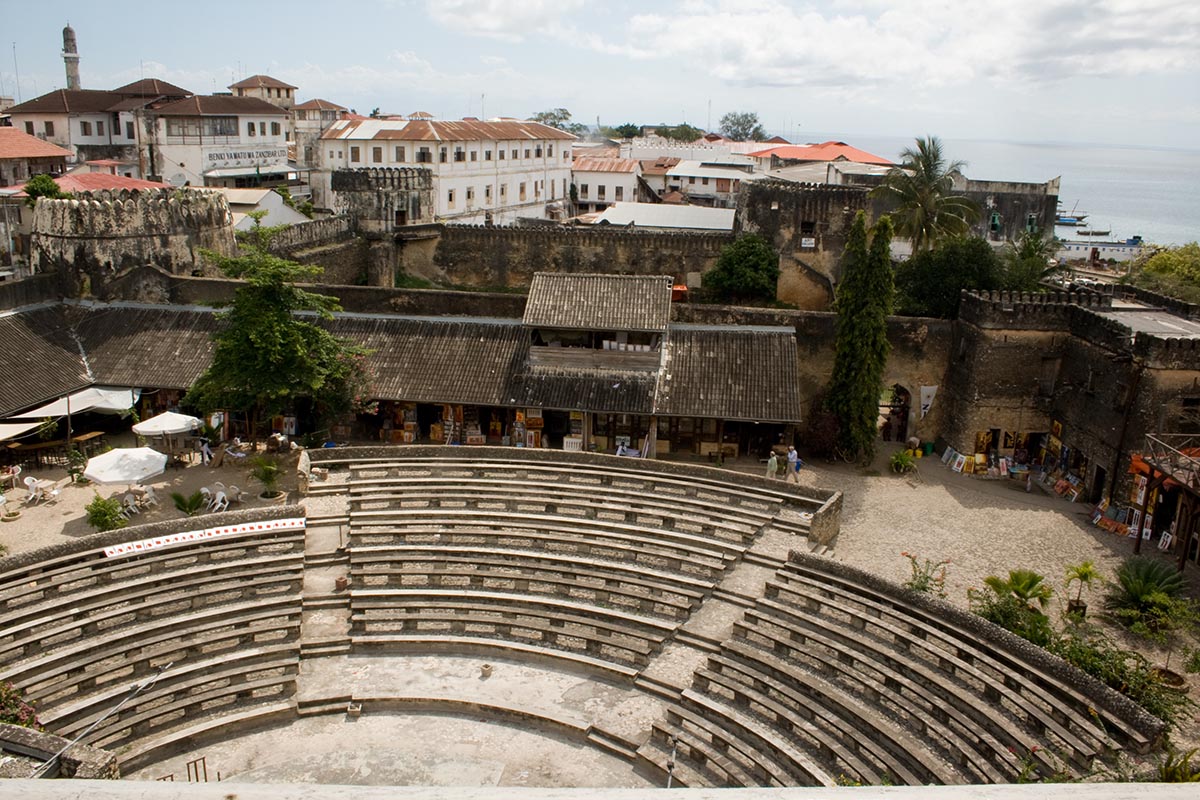
This is the peak season for beach holidays as it is dry and sunny. Temperatures are not too high, just agreeable. The Zanzibar International Film Festival (ZIFF) is the highlight of Zanzibar’s artistic and cultural calendar, drawing participants and visitors to Zanzibar from around the world. Held every year in the first two weeks of July, the event features films from Africa and beyond. The festival celebrates and promotes the arts and cultures of the African continent, the Gulf States, Iran, India, Pakistan and the islands of the Indian Ocean collectively known as the Dhow countries that grew as a result of the Indian Ocean trade and the wooden sailing dhow. The Festival of the Dhow countries is Tanzania’s major annual cultural event and one of the key festivals in Sub- Saharan Africa. The main venue is the open-air theatre at the Old Fort but events take place at various other areas across the island. Mwaka Kogwa, which is also celebrated in July in Zanzibar, is a four-day festival marking the arrival of the Shiraz New Year. The origins of this festival are Zoroastrian, a Persian religion.
Although celebrated in many parts of Zanzibar, it is in Makunduchi in southern Zanzibar that it is most celebrated. It involves huge bonfires, mock fights between men with banana stems (in place of the sticks that were formerly used) and much playful banter between the sexes.
Space availability
July (and August) is the peak tourist season in all visitor destinations in Tanzania including game parks and the islands of Zanzibar, Mafia and Pemba. It is recommended to place bookings in advance to secure accommodation space.[/vc_column_text][vc_column_text]
[/vc_column_text][/vc_column][/vc_row][vc_row full_width=”stretch_row” css=”.vc_custom_1595515556122{padding-top: 30px !important;background-color: #f4f4f4 !important;}”][vc_column][vc_column_text]
AUGUST
Weather This is the dry season and temperatures are cool in the highlands and the plateaus in the mainland. Visitors to Ngorongoro and the highlands in southern and northeastern Tanzania are advised to pack warm clothing as it can get a bit chilly in the evening and early morning.
Game viewing
The plains are golden in colour and migratory animals, especially the wildebeest and zebras, are in northern Serengeti around Mara River crossing over to Masai Mara in Kenya in search of water and greener pastures. This is the best time for visiting northern Serengeti for viewing the migration. Central Serengeti offers the best game viewing opportunities all year round with a high concentration of wildlife including predators due to surface water provided by the rivers including the Seronera River. August falls within the best time of the year for game viewing in Tarangire National Park, stretching from June to October.
The Tarangire River, which provides permanent water to the park, attracts the highest concentration of wildlife second to Ngorongoro. August is one of the best months for game viewing in the southern and western game parks, as it is the peak season. Ruaha River, which provides permanent water in Ruaha National Park attracts a spectacular concentration of animals including predators along its banks.
Birding
All the game parks offer excellent bird watching of resident species.
Kilimanjaro climbing
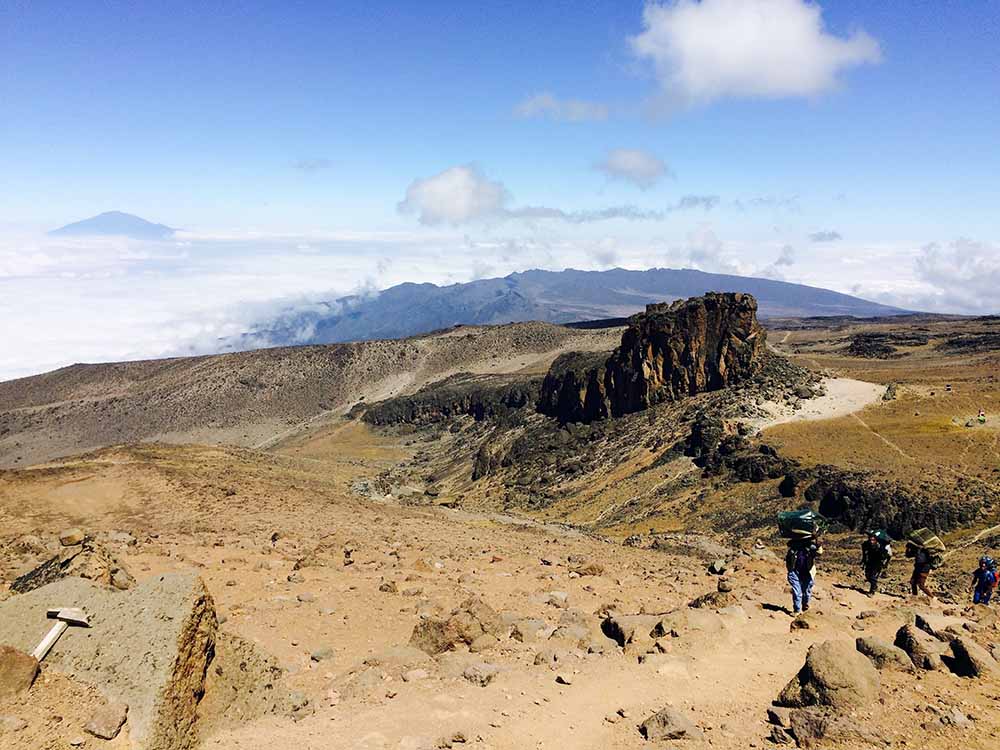
August (and September) is cool, the days are clear, but, a dripping cloud belt girdles the mountain above the forest and moorland. The summit can be totally clear and the successful climber looks down on a vast sea of clouds with distant mountain peaks like Mount Meru prominently visible.
August, like July, is good for climbing.
Beach Holiday
This is the peak season for beach holidays, it is dry and sunny and temperatures are not too high, just agreeable.
Space availability
August (and July) is the peak tourist season for all visitor destinations in Tanzania including game parks and the islands of Zanzibar, Mafia and Pemba. It is recommended to place bookings in advance to secure accommodation space.[/vc_column_text][vc_column_text]
[/vc_column_text][/vc_column][/vc_row][vc_row full_width=”stretch_row” css=”.vc_custom_1595515577879{padding-top: 30px !important;background-color: #ededed !important;}”][vc_column][vc_column_text]
SEPTEMBER
It is the dry season and temperatures are high except in the highlands in southern and northeastern Tanzania, where it is relatively cool and pleasant due to altitude.
Game viewing
It is ‘spring’ in Tanzania and the bushes and trees are blossoming. The plains are golden in colour and migratory animals in Serengeti, especially the wildebeest and zebras, are around Mara River and most have crossed over to Masai Mara in Kenya in search of water and greener pastures. All the game parks offer great game viewing opportunities, with high concentrations of wildlife including predators along river systems, which provide surface water.
Tarangire National Park is at its best in September, with a lot of game along the Tarangire River. This is one of the best times for game viewing in the southern and western game parks. Ruaha River, which provides permanent water in Ruaha National Park, attracts a spectacular concentration of animals including predators around its banks.
Birding
All the game parks offer excellent bird watching of resident species.
Kilimanjaro climbing
September (as with January and February) is the best month for climbing though one can climb throughout the year. September like August is cool and has completely clear days, with a cloud belt running around the mountain above the forest and moorland. The summit can be totally clear and the successful climber looks down on a vast sea of clouds with distant mountain peaks poking through like islands.
Beach Holiday
It is dry and sunny, temperatures are agreeable for beach holidays. It is one of the best months (September to March) for big game fishing (marlin, barracuda, sailfish, tuna) in the islands of Mafia, Zanzibar and Pemba.
Space availability
September (and October) falls in the shoulder tourist season in northern Tanzania game parks and the islands of Zanzibar and Mafia, but it is peak season in southern and western Tanzanian game parks. It is recommended to book in advance to secure accommodation space.[/vc_column_text][vc_column_text]
[/vc_column_text][/vc_column][/vc_row][vc_row full_width=”stretch_row” css=”.vc_custom_1595515556122{padding-top: 30px !important;background-color: #f4f4f4 !important;}”][vc_column][vc_column_text]
OCTOBER
It is the dry season and temperatures are high except in the highlands in southern and northeastern Tanzania where it is relatively cool and pleasant due to altitude.
Game viewing
The plains are dry and migratory animals, especially the wildebeest and zebras, are around Mara River and most have crossed over to Masai Mara in Kenya in search of water and greener pastures. Central Serengeti offers the best game viewing opportunities year round with a high concentration of wildlife including predators due to surface water provided by the rivers including Seronera River. Tarangire National Park is still at its best with lots of game along the Tarangire River, just before the short rains start in November. This is one of the best times for game viewing in the southern and western game parks. Ruaha River, which provides permanent water to Ruaha National Park, attracts a spectacular concentration of animals including predators along its banks.
Birding
All the game parks offer excellent birding of resident species, with Eurasian migrants starting to arrive.
Kilimanjaro climbing
The short rain period in October to December often has thunderstorms that pass over the mountain dropping rain as they go. The period is relatively good for climbing. Typically, the clouds disappear in the evening leaving the nights and mornings clear with excellent visibility.
Beach Holiday
It is generally dry and sunny with occasional showers (short rains), temperatures are agreeable for beach holidays. It is one of the best months (September to March) for big game fishing (marlin, barracuda, sailfish, tuna) in the islands of Mafia, Zanzibar and Pemba.
Space availability
October falls in the shoulder tourist season in northern Tanzania game parks and the islands of Zanzibar and Mafia, but it is peak season in southern and western Tanzania game parks. It is recommended to book in advance to secure accommodation space.[/vc_column_text][vc_column_text]
[/vc_column_text][/vc_column][/vc_row][vc_row full_width=”stretch_row” css=”.vc_custom_1595515577879{padding-top: 30px !important;background-color: #ededed !important;}”][vc_column][vc_column_text]
NOVEMBER
Weather This is the beginning of the short rain season. Temperatures are still high except in the highlands in southern and northeastern Tanzania where it is relatively cool and pleasant.
Game viewing
The wildebeest and zebras are crossing over from Masai Mara in Kenya streaming back to northern Tanzania through Lobo and the Loliondo game controlled area heading towards Ndutu in the southeastern Serengeti plains for fresh pasture after the short rains. The migration cycle is complete. The migratory animals in Tarangire are moving out of the National Park to the Masai steppes following the short rains. A lot of the game can still be seen in the national park including resident animals. This is one of the best times for game viewing in the southern and western game parks.
Birding
All the game parks offer excellent birding of resident species. Many species can be seen including Eurasian migrants.
Kilimanjaro climbing
August (and September) is cool, the days are clear, but a dripping cloud belt girdles the mountain above the forest and moorland. The summit can be totally clear and the successful climber looks down on a vast sea of clouds with distant mountain peaks like Mount Meru prominently visible.
August, like July, is good for climbing. The short rain period in October to December often has thunderstorms that pass over the mountain dropping rain as they go. Typically, the clouds disappear in the evening leaving the nights and mornings clear with excellent visibility. November, like December, is a relatively good time for climbing.
Beach Holiday
The short rains have started but it is generally sunny with an average of 9 days of rain characterised by occasional showers hardly interrupting beach holidays. It is one of the best months (September to March) for big game fishing (marlin, barracuda, sailfish, tuna) in the islands of Mafia, Zanzibar and Pemba.
Space availability
This is the best time for group travel (including incentive groups) as the tourist traffic is low and accommodation space is available up to the first half of December.[/vc_column_text][vc_column_text]
[/vc_column_text][/vc_column][/vc_row][vc_row full_width=”stretch_row” css=”.vc_custom_1595515556122{padding-top: 30px !important;background-color: #f4f4f4 !important;}”][vc_column][vc_column_text]
DECEMBER
Weather This is the beginning of the short rain season. Temperatures are high except in the highlands in southern and northeastern Tanzania where it is relatively cool and pleasant.
Game viewing
The wildebeest and zebras are in Ndutu in the southeastern Serengeti plains for fresh pasture after the short rains. The migration cycle is complete. December is one of the busiest times of the year after the second half as we approach Christmas and New Year. It is a fantastic time for game viewing in the whole of Tanzania.
Birding
All the game parks offer excellent birding of resident species. Many species can be seen including Eurasian migrants.
Kilimanjaro climbing
The short rain period extending to December often has thunderstorms that pass over the mountain dropping rain as they go. Typically, the clouds disappear in the evening leaving the nights and mornings clear with excellent visibility. December is a relatively good time for climbing.
Beach Holiday
The short rains have started but it is generally sunny with an average of 8 days of rain characterised by occasional showers, hardly interrupting beach holidays. It is one of the best months (September to March) for big game fishing (marlin, barracuda, sailfish, tuna) in the islands of Mafia, Zanzibar and Pemba.
Space availability
The last two weeks towards Christmas is peak tourist season in all visitor destinations in Tanzania, including game parks and the islands of Zanzibar and Mafia. It is recommended to place bookings in advance to secure accommodation space.[/vc_column_text][vc_column_text]
[/vc_column_text][/vc_column][/vc_row]








![lake-natron-10[2]](https://africapathways.com/wp-content/uploads/2020/07/lake-natron-102-1.jpg)