Tanzania Photography Safari Guide
What You Need to Know Before Booking a Tanzania Photography Safari
Tanzania is one of the most rewarding destinations in Africa for wildlife and landscape photography. From the endless plains of the Serengeti to the elephant-rich baobab country of Tarangire, from the dramatic rim of the Ngorongoro Crater to the remote wilderness of Ruaha, Tanzania gives photographers an extraordinary mix of wildlife, scenery, light, and atmosphere.
But a great Tanzania photography safari is not just about choosing the right parks. It is also about understanding the seasons, knowing what equipment to bring, choosing the right safari style, and giving yourself the time and conditions needed to create strong images.
If you are planning a private Tanzania photography safari, here is what you should know before you go.
Why Tanzania Is One of Africa’s Best Photography Safari Destinations
Tanzania is a world-class destination for photographers because it offers both iconic wildlife regions and lesser-visited wilderness areas in one country. In the north, photographers can explore the Serengeti, Tarangire, Lake Manyara, Ngorongoro, and Mount Kilimanjaro. In other parts of the country, remote parks such as Ruaha, Katavi, Mahale, and Gombe offer a wilder, quieter, and more exclusive experience.
What makes Tanzania so special is the variety. On a single journey, you may photograph:
- great migration herds crossing open plains
- elephants beneath ancient baobabs
- predators in golden grass
- flamingos on shallow alkaline lakes
- dramatic crater landscapes
- remote wilderness with very few vehicles
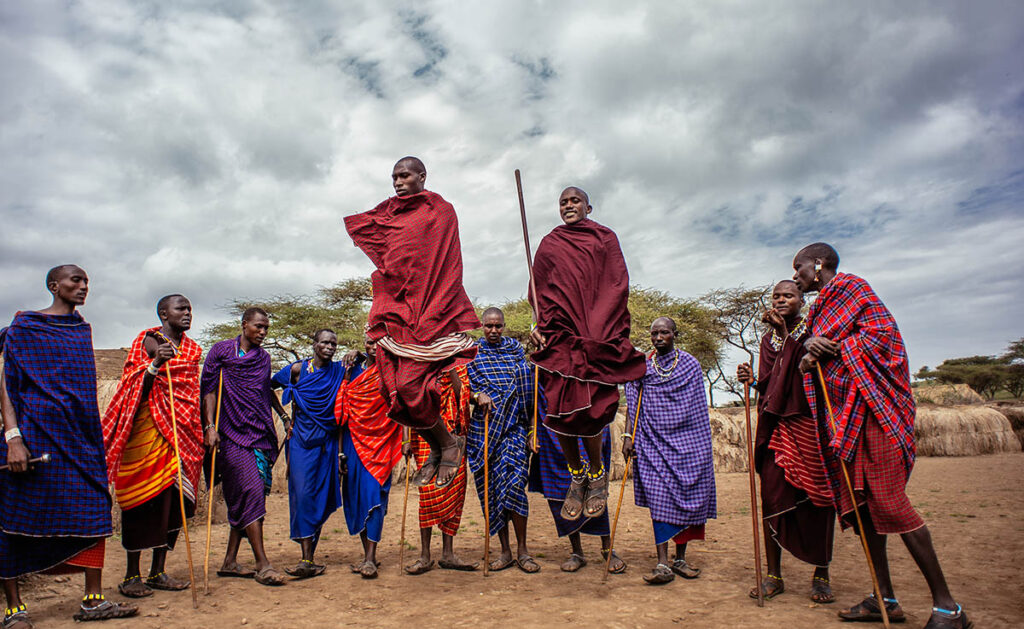
- cultural moments and environmental portraits
For photographers, this diversity makes Tanzania one of the most exciting safari destinations in Africa.
What Makes a Photography Safari Different from a Normal Safari
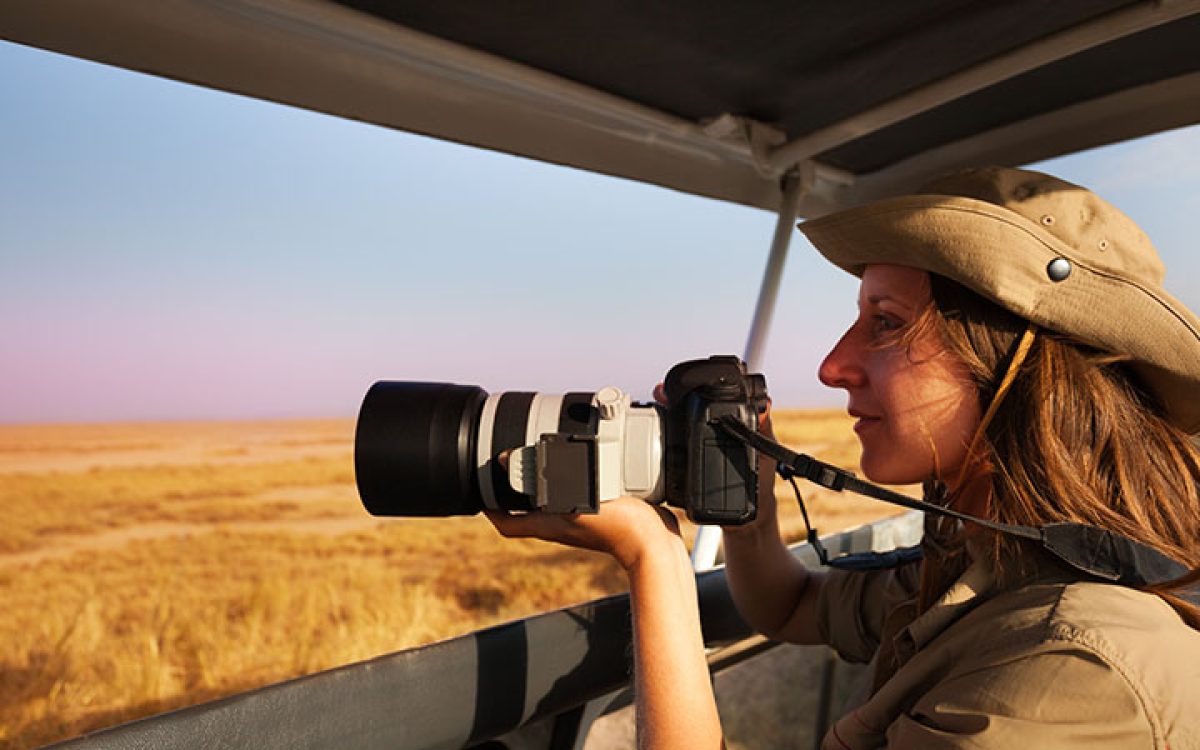
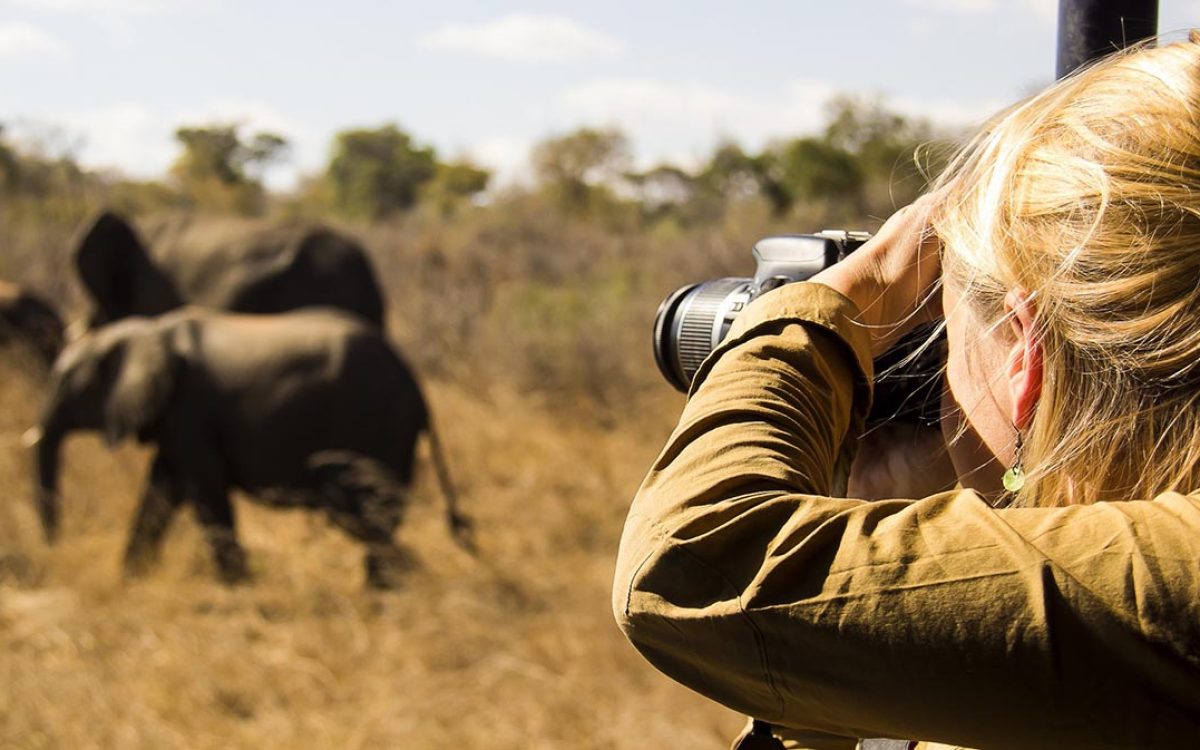
A normal safari is often built around seeing as much wildlife as possible. A photography safari is built differently. It is designed around light, timing, wildlife behavior, patience, and positioning.
That means a good photography safari usually includes:
- more time at sightings
- flexible schedules based on wildlife movement
- sunrise and sunset game drives
- guides who understand how photographers work
- fewer people in the vehicle
- more thought given to background, angle, and light direction
If your goal is not just to see animals, but to come home with meaningful images, this difference matters.
The Best Places in Tanzania for Photography Safaris
Serengeti National Park
The Serengeti is the heart of wildlife photography in Tanzania. It is famous for the Great Migration, predator action, open landscapes, and year-round game viewing. For many photographers, this is the main reason to visit Tanzania.
Ngorongoro Crater
Ngorongoro offers high wildlife density in a dramatic natural setting. It is one of the few places where photographers may capture several major species in a single day, often against striking crater backdrops.
Tarangire National Park
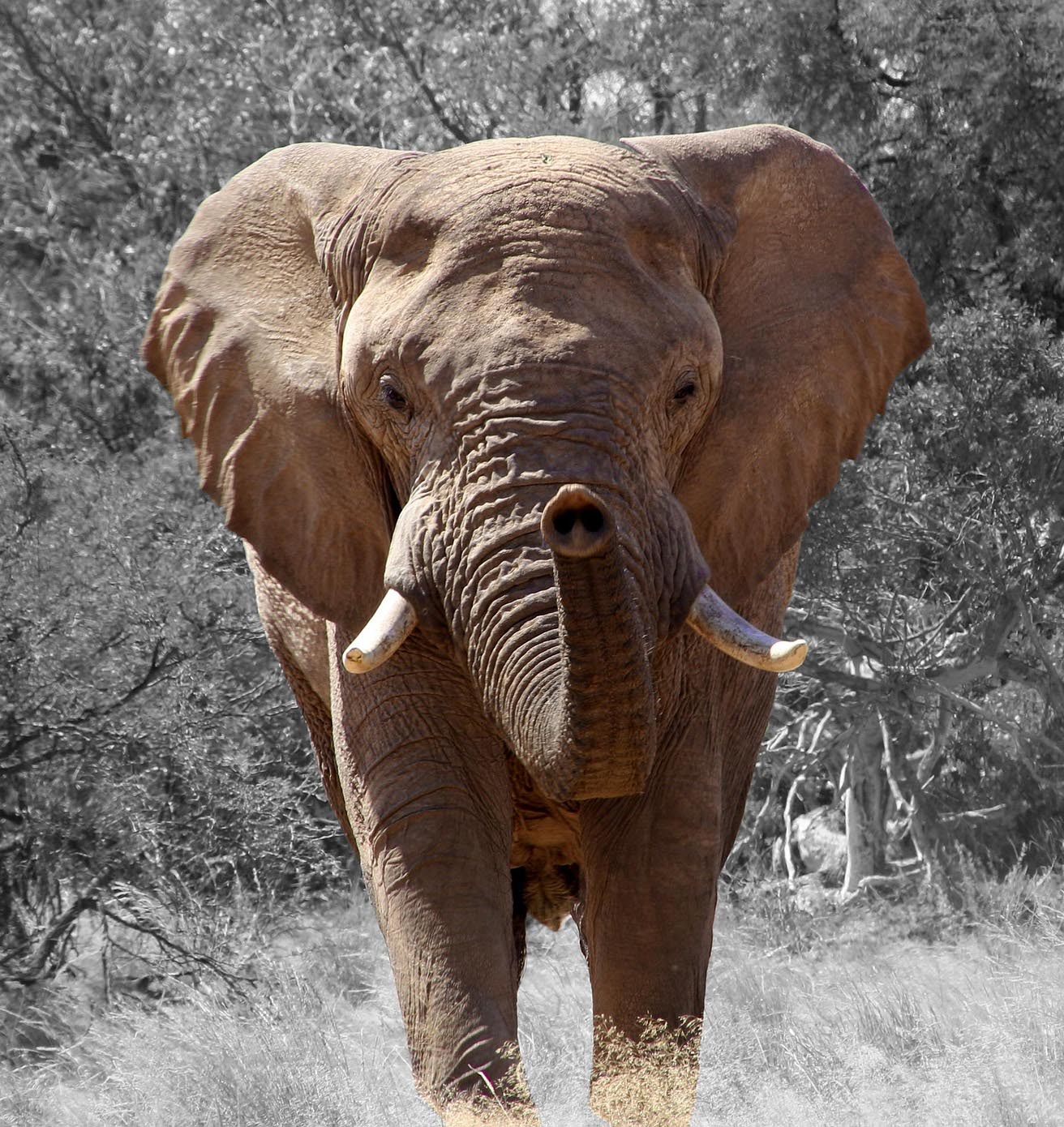
Tarangire is especially rewarding for elephant photography, baobab compositions, warm dust, and beautiful light. It often feels quieter and more intimate than some of the more famous parks.
Lake Manyara National Park
Lake Manyara is a strong choice for birdlife, forest-edge photography, reflections, and lush green scenery. It can add variety and texture to a broader northern circuit photography safari.
Ndutu Region
Ndutu is one of the best places in Tanzania for calving season photography. From December to March, the area attracts wildebeest herds, newborns, and the predators that follow them. For action and storytelling, this can be one of the most exciting times of year.
Remote Tanzania
If you want a more exclusive experience, parks such as Ruaha, Katavi, Mahale, and western Tanzania offer quieter wilderness, fewer vehicles, and cleaner compositions. These places are ideal for travelers who want something beyond the classic northern circuit.
Best Time to Go on a Tanzania Photography Safari
The best time depends on the type of photography you want to focus on.
- December to March: ideal for Ndutu calving season, newborn wildlife, and predator action
- June to October: excellent for dry-season wildlife viewing and cleaner photography conditions
- July to October: strong period for northern Serengeti migration movement and river crossing areas
- Green season: rich colors, dramatic skies, softer landscapes, and fewer vehicles in some areas
Instead of asking only when wildlife is best, ask when the kind of photography you want is best.
What Camera Gear Should You Bring?
One of the most common mistakes on safari is bringing too much equipment. In wildlife photography, moments happen quickly. Too many choices can slow you down.
A practical safari setup often includes:
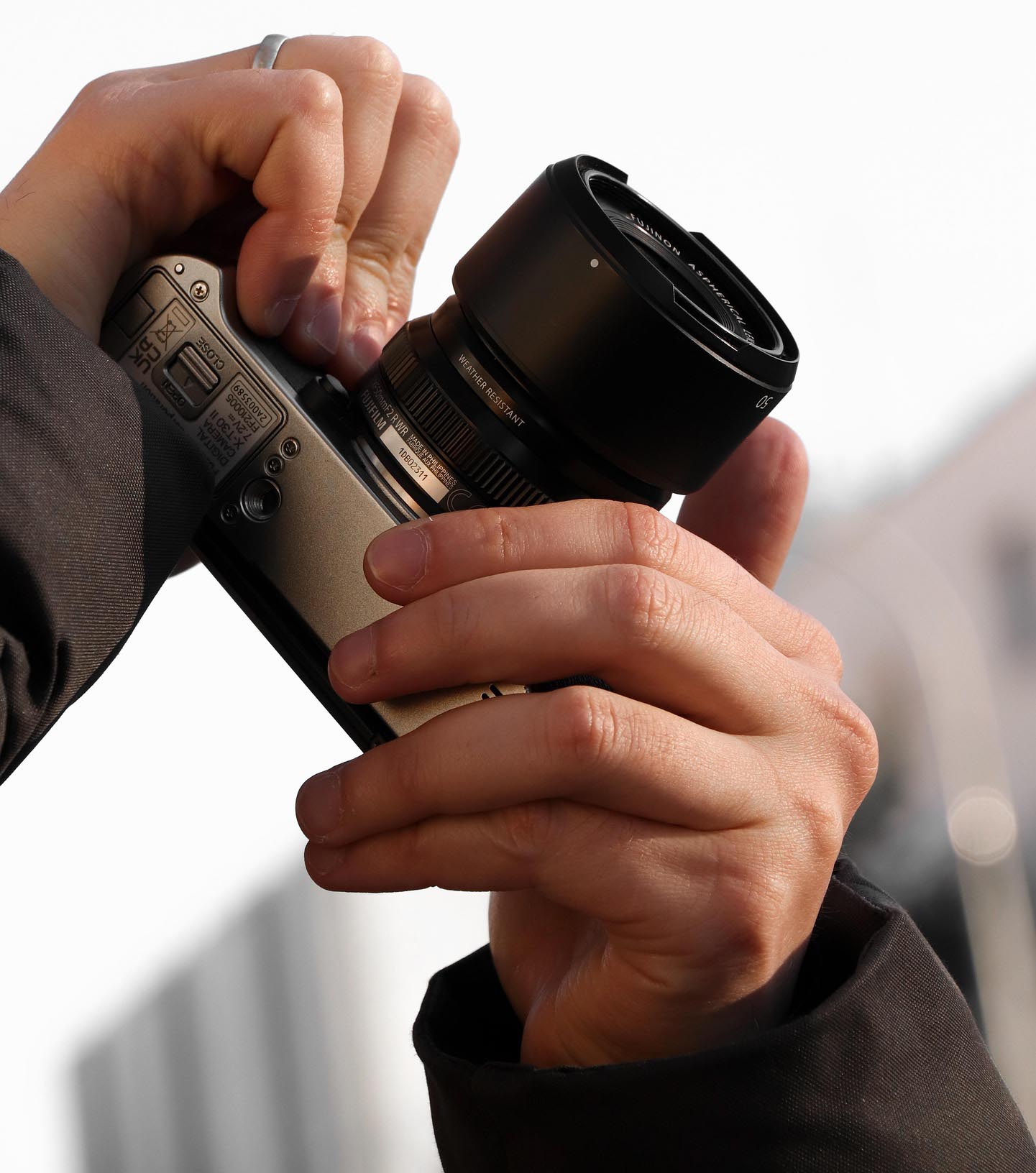
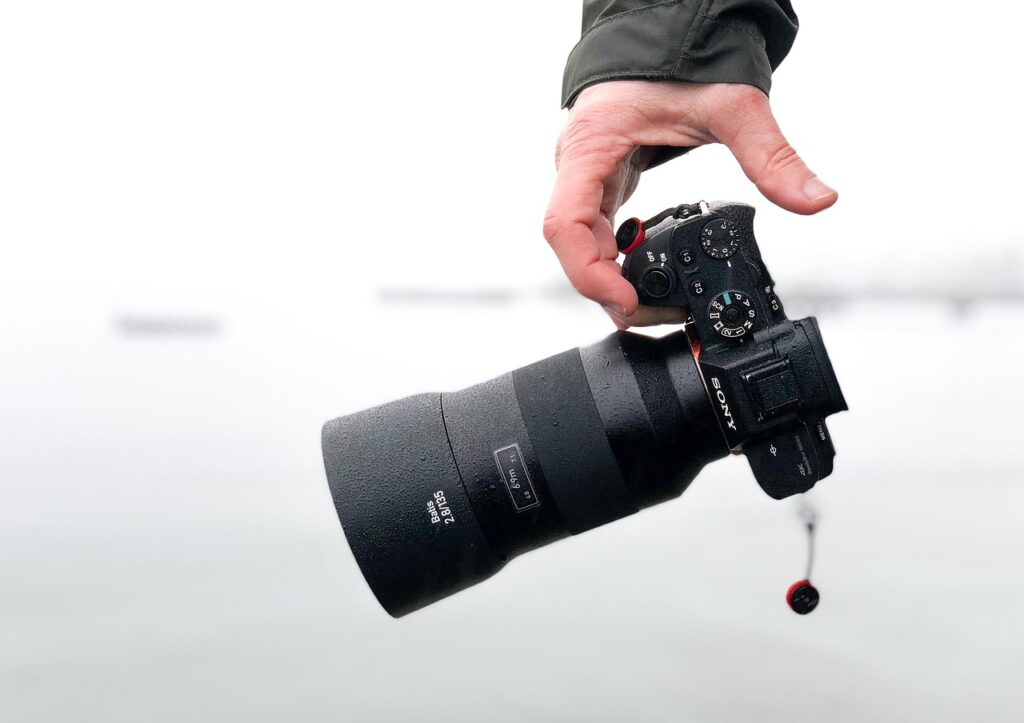
- one main camera body with a long lens
- a second body with a shorter zoom
- extra batteries and memory cards
- a beanbag or vehicle support
- dust protection
- charging accessories and plug adapters
You do not need to carry everything. What matters most is being ready when the moment appears.
A Simple Gear Mindset
A simpler setup helps you react faster. On safari, hesitation can mean missing a behavior shot, a head turn, or the best light. The best gear is the gear you can access quickly and use confidently.
Why Accommodation Matters More Than You Think
On a photography safari, accommodation is not only about comfort. It also affects how quickly you can reach wildlife areas, how easily you can charge your gear, and how much time you lose between drives.
The best camps and lodges for photography safaris usually offer:
- strong location close to wildlife areas
- enough charging support for camera equipment
- early access to the field
- comfortable rest between drives
- reliable meals and service
A well-located camp often means more time photographing and less time in transit.
Think Beyond Record Shots
One of the biggest changes photographers experience on safari is learning to move beyond simple record shots.
Instead of only asking:
- Did I photograph a lion?
- Did I see a cheetah?
- Did I get a zebra?
Ask:
- Did I photograph behavior?
- Did I capture interaction?
- Is there a story in this frame?
- Is the light working for me?
- Does the image feel alive?
The most memorable safari images are often the ones that show mood, movement, relationships, or tension — not just proof that the animal was there.
Wildlife Expectations: Keep an Open Mind
Tanzania’s parks are not zoos. There is never a guarantee that you will see a specific animal on a specific day. That is part of what makes the experience real.
The best way to enjoy a Tanzania photography safari is to arrive with an open mind, clear priorities, and a guide who understands seasonality, location, and behavior. A strong guide can increase your chances dramatically, but wildlife always remains wild.
Is a Tanzania Photography Safari Right for You?
A Tanzania photography safari can work well for:
- beginner photographers
- serious hobbyists
- professional wildlife photographers
- couples who want a slower, more focused safari
- content creators and storytellers
- non-photographers who simply love wildlife and nature
You do not need to be an expert to enjoy it. You just need curiosity, patience, and a desire to experience Tanzania in a deeper way.
Final Advice Before You Book
Enjoy the experience. Let the safari come to you. Stay ready, but do not rush. Some of the strongest safari photographs happen when you slow down, observe carefully, and trust the rhythm of the wild.
Tanzania rewards patience. The light changes, the landscape opens, and suddenly the image you hoped for is right in front of you.
If you want a photography safari that gives you more than a standard game drive, choose an experience built around time, light, behavior, and flexibility.